In a high-profile legal conclusion to one of the most controversial environmental negligence cases in recent Saxon history, the Dresden Regional Court has handed down its final ruling regarding the devastating forest fire in the Sächsische Schweiz National Park. The decision marks a significant departure from initial lower-court findings, highlighting the complexities of proving intent in cases of environmental destruction.
The Core Verdict: Accountability and Judicial Leniency
Following a complex appeals process, the Dresden Regional Court has sentenced the primary defendant in the 2022 Bastei forest fire case to one year and nine months of imprisonment, suspended on probation. In a notable turn of events, the two other individuals standing trial alongside him were acquitted of all charges.
The case originated from an incident on July 17, 2022, when a group of four men visited the iconic Bastei region—a crown jewel of Germany’s natural landscapes—and engaged in activity that ultimately triggered a large-scale emergency response. While the primary defendant was held accountable for his reckless actions, the court’s decision to acquit his companions underscores a critical legal distinction between presence at a scene and active participation in a crime.
The trial was further complicated by the absence of the fourth defendant, who failed to appear for the appellate hearing. As a result, the original sentence handed down by the District Court of Pirna—a one-year suspended sentence—remains legally binding for him, effectively closing the book on the judicial proceedings.
Chronology of the Disaster: From Leisure to Conflagration
The events of July 17, 2022, remain etched in the memory of local residents and park authorities. The area near the "Kanapee" lookout, a popular vantage point offering sweeping views of the Elbe Sandstone Mountains, was the site of the activity.
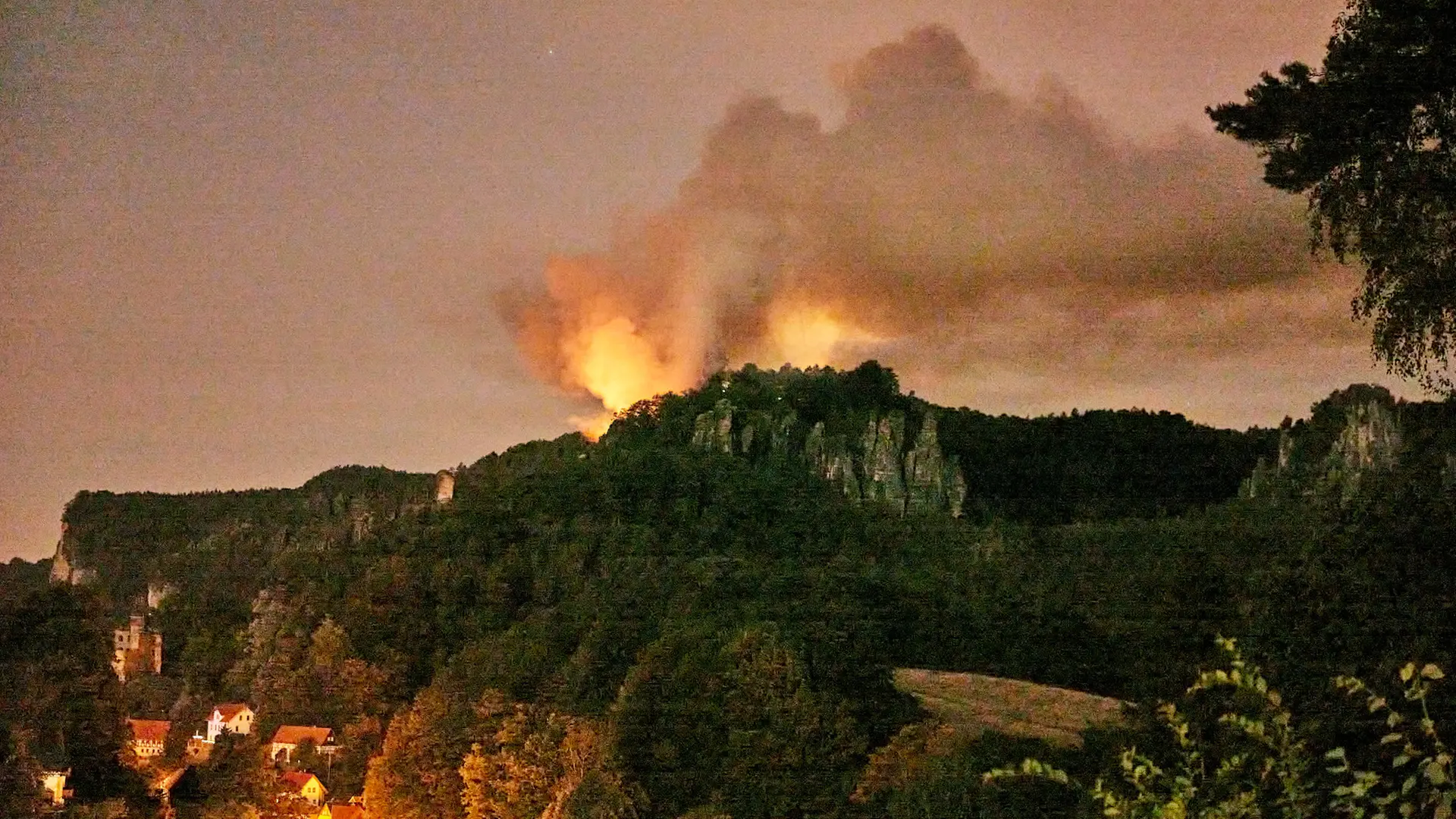
According to judicial findings, the group spent several hours in the core zone of the National Park, indulging in the use of two shisha pipes. The act of smoking a water pipe in such a sensitive, arid environment during the peak of summer is, in itself, a violation of the strict fire safety protocols governing the National Park.
The catastrophe began when the hot, used charcoal from the shishas was discarded over the cliff’s edge. Investigators later determined that these embers were the ignition source for the blaze. The fire, fueled by dry vegetation and the notoriously difficult, rocky terrain of the Sächsische Schweiz, spread rapidly. What began as a moment of recreational negligence quickly escalated into a multi-day emergency.
For 48 hours, local fire departments, aerial firefighting units, and emergency crews battled to contain the flames. The rugged, inaccessible nature of the Bastei cliffs made the operation one of the most challenging in recent years, requiring the systematic elimination of deep-seated "glutnester" (pockets of smoldering embers) hidden within the cracks of the sandstone.
Supporting Data and Evidence: Sorting Through the Ash
The courtroom proceedings were heavily informed by forensic fire analysis. One of the most significant moments in the appeal trial was the testimony of a leading fire investigator, who presented detailed findings that effectively debunked alternative theories regarding the fire’s origin.
Specifically, the prosecution and defense had to grapple with the question of whether cigarettes might have been to blame. The expert witness definitively ruled out cigarette butts as the catalyst, pointing instead to the specific chemical and thermal signatures of the shisha coals found at the scene.

However, despite the clear link between the coals and the fire, the court expressed significant reservations regarding the "willfulness" of the act. While the prosecution pushed for a two-year sentence for the primary defendant and one-year terms for the others, the judges ultimately adopted a more nuanced view. The court concluded that while the main defendant clearly recognized the danger posed by the burning coals, his actions—while grossly negligent—did not necessarily rise to the level of malicious intent originally alleged. The acquittal of the co-defendants was based on the fact that they could not have foreseen the specific outcome, nor were they in a position to physically prevent the primary defendant from discarding the coals.
Official Responses and the "Intent" Debate
The contrast between the initial verdict in Pirna and the final ruling in Dresden highlights the tension between public outrage and the letter of the law. The District Court of Pirna had initially sentenced the main defendant to two years on probation for "willful arson by omission."
The Regional Court’s decision to impose a milder sentence and grant acquittals was rooted in a reassessment of the legal definition of "intent." The court argued that while the primary defendant acted with "conditional intent"—meaning he understood the risk and chose to ignore it—the secondary participants were merely bystanders. This legal nuance is critical: in German law, proving that a participant had the power to stop a reckless act is essential for a conviction of aiding and abetting.
The prosecutor’s office, which had sought stricter penalties, now faces a landscape where the legal precedents for environmental crimes are becoming increasingly stringent. The focus has shifted from mere punishment to the establishment of culpability in a way that respects the burden of proof required in a democratic legal system.
Broader Implications: Protecting the National Park
The Bastei fire has had a profound impact on how the Sächsische Schweiz National Park is managed. The incident served as a wake-up call for the state of Saxony regarding the vulnerability of its protected landscapes to human error.
1. Enhanced Surveillance and Regulation
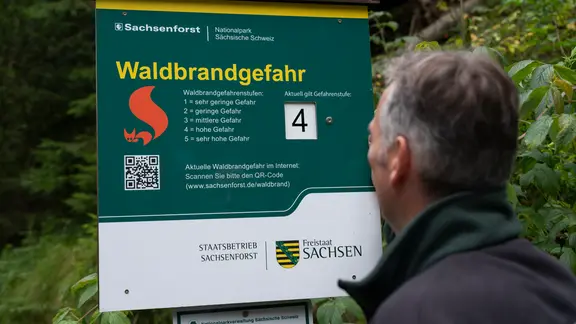
In the wake of the incident, park authorities have increased patrols and installed more rigorous signage. The "zero-tolerance" policy regarding open fires—including portable grills and shishas—is now communicated more aggressively to tourists.
2. Environmental Policy Shift
The fire has fueled a broader political debate about the management of the National Park. There are ongoing discussions about restricting access to certain "core zones" during periods of high drought and elevated forest fire warning levels. This is a contentious issue, as it pits the right of public access to nature against the duty of the state to protect endangered habitats.
3. The Economic Burden of Negligence
Beyond the ecological damage, the financial cost of the emergency response remains a point of contention. While the legal system handles the criminal aspect, the cost of the two-day firefighting operation, which involved local, regional, and sometimes federal assets, is immense. There is growing public demand for a mechanism that forces those found liable for such negligence to contribute more significantly to the costs of suppression and restoration.
Conclusion: A Cautionary Tale for the Future
The trial of the "Bastei Shisha Smokers" serves as a definitive case study in the intersection of leisure, environmental stewardship, and legal accountability. As the final gavel fell in Dresden, the message to the public was clear: the natural beauty of the Sächsische Schweiz is not a backdrop for reckless behavior.
While the court exercised leniency in its final sentencing, the lasting damage to the park and the massive mobilization of emergency services remain a somber testament to the consequences of a few seconds of carelessness. As climate change continues to increase the frequency and severity of droughts in Central Europe, the legal system will likely face more cases of this nature. The Bastei verdict, with its emphasis on individual culpability and the rejection of collective guilt for bystanders, will likely serve as a benchmark for future environmental trials.

Ultimately, the case is a reminder that the environment is a fragile system. Whether through a stray coal or a discarded cigarette, the cost of ignoring safety in a national park is not just a courtroom matter—it is an assault on the collective heritage of the region. As the park continues to recover, the hope remains that the legal outcome of this trial will deter future visitors from treating one of Germany’s most precious treasures with such disregard. The legal chapter is closed, but the environmental, financial, and societal costs of the Bastei fire will continue to be felt for years to come.