MARBURG, Germany – A quiet community in the German state of Hesse has been thrust into mourning and outrage following the discovery of a 35-year-old woman’s body, the victim of a brutal act of violence that authorities and local officials are condemning as a stark example of systemic gender-based violence.
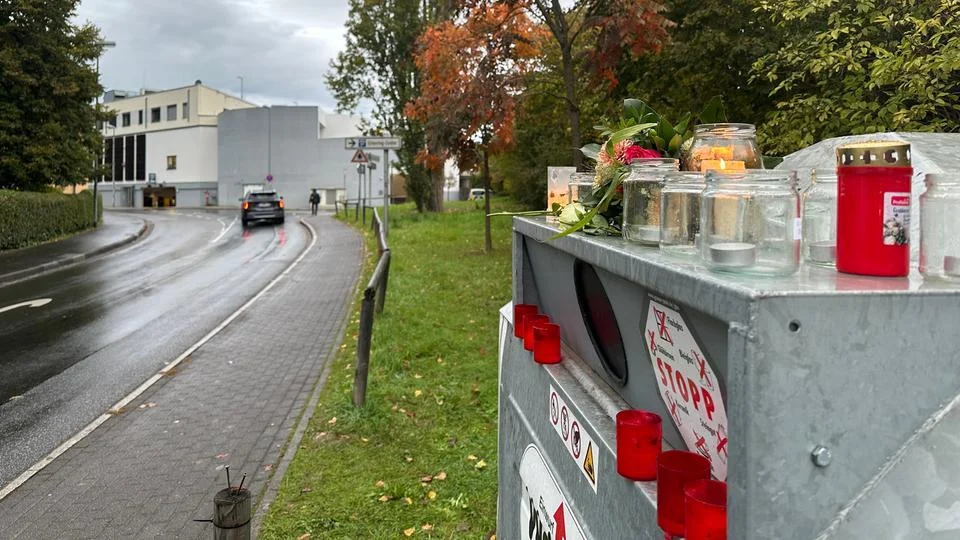
The victim, whose life was cut short in an act of extreme brutality, was found dead on Wednesday in a shrubbery area along the street "Am Erlengraben" in Marburg. According to investigators, the 35-year-old had been subjected to 19 stab wounds. On Friday, police and the Marburg public prosecutor’s office confirmed the arrest of a 42-year-old man—the victim’s former partner—who was apprehended in Poland following a swift international manhunt.
The Sequence of Events: A Rapid Investigation
The investigation began on Tuesday, when the 35-year-old woman was reported missing. Her disappearance triggered an immediate search effort by local law enforcement. The last confirmed sighting of the woman occurred on Tuesday evening as she was exiting a local shopping center in Marburg.
Tragedy was confirmed on Wednesday when her body was discovered concealed in vegetation. Forensic analysis revealed the extreme violence of the attack, identifying 19 separate knife wounds as the cause of death.
The Flight and Capture
Within 48 hours of the crime, the 42-year-old suspect had fled the country. Recognizing the urgency of the situation, German authorities issued both national and European arrest warrants. The coordinated efforts of European law enforcement agencies led to the suspect’s location and subsequent detention in Poland on Thursday.
The Marburg public prosecutor’s office has confirmed they are now in the process of filing a formal request for the suspect’s extradition. Until the legal proceedings for his transfer to Germany are completed, the man remains in custody in Poland, where he will await further judicial action.
Context and Circumstances: A Pattern of Vulnerability
The details emerging from the investigation paint a harrowing picture of a woman attempting to escape a cycle of domestic instability. Reports indicate that the victim had been living in a local women’s shelter at the time of her death, a measure taken due to a separate, ongoing domestic conflict involving a different former partner.
The meeting on Wednesday between the victim and the 42-year-old suspect—now the primary accused—appears to have been the catalyst for the fatal encounter. While the precise motive remains under investigation, the nature of the crime and the relationship between the parties have led officials to classify the incident as a targeted act of gender-based violence.
The Crisis of Gender-Based Violence in Germany
The murder of the 35-year-old has ignited a national conversation regarding the prevalence of "femicide"—the intentional killing of women because they are women.
Marburg’s Mayor, Thomas Spies (SPD), addressed the city in a somber statement, expressing profound shock and offering condolences to the family and friends of the deceased. Beyond the immediate tragedy, Spies utilized the moment to call for a fundamental shift in how German society addresses domestic violence.
Breaking the Silence
"Many details are still unclear, but based on the current status of the investigation, we must assume that this is a case of femicide," Mayor Spies stated. He highlighted a grim statistical reality: in Germany, a woman is killed by her current or former partner nearly every three days.

Spies was emphatic in his rejection of the silence that often surrounds such crimes. "There must be no taboo or trivialization here," he declared. "We must end the silence and state what is actually happening. We need greater awareness of gender-specific violence, and we must do more to protect women and prosecute femicides with the utmost severity."
Supporting Data and Societal Implications
The case in Marburg is not an isolated incident but a high-profile manifestation of a broader crisis. According to data from the German Federal Criminal Police Office (BKA), intimate partner violence remains one of the most frequent forms of violent crime in the country.
Sociologists and advocacy groups suggest that the risk for women often peaks during or after the dissolution of a relationship—a phenomenon often referred to as "separation violence." The fact that the victim was residing in a women’s shelter underscores the pre-existing awareness of risk in her life, yet the tragedy highlights the persistent difficulty in ensuring the absolute safety of individuals under threat.
The Legal and Social Challenge
The call for "utmost severity" from local government officials reflects a growing public demand for legislative and police reform. This includes:
- Improved Protective Measures: Increased funding and accessibility for women’s shelters and emergency support services.
- Risk Assessment Protocols: Better integration between social services, law enforcement, and judicial systems to identify high-risk domestic situations before they turn lethal.
- Cultural Shifts: Addressing the root causes of toxic masculinity and coercive control that lead to such extreme outbursts of violence.
Resources for Help and Intervention
In the wake of this tragedy, officials are reminding the public that support services exist for those trapped in cycles of abuse. Authorities emphasize that the responsibility to act does not rest solely on the victim, but on a supportive societal structure.
For individuals in immediate danger:
The standard emergency number in Germany is 110. It is available 24/7 and should be the first point of contact for anyone facing an immediate threat to their life or safety.
For those seeking counseling and protection:
The "Hilfetelefon" (Help Hotline) offers anonymous, multilingual, and free support for women affected by domestic or sexualized violence. They can be reached at 116 016. Furthermore, organizations like the "Weißer Ring" provide specialized assistance to victims of crime and their families.
For those seeking to address their own behavior:
Importantly, resources also exist for individuals who recognize that they may be struggling with aggressive or violent impulses. The "Wegweiser" (Signpost) brochure, published by the State Coordination Office against Domestic Violence in Hesse, provides a comprehensive list of counseling centers. Seeking professional help before a conflict escalates is a critical step in preventing further tragedy.
Moving Forward
As the community of Marburg mourns, the focus now turns to the judicial process. The extradition of the suspect from Poland will mark the next chapter in the pursuit of justice for the 35-year-old victim.
For many in the city, however, the legal outcome will not be enough to heal the collective sense of loss. The tragedy has served as a painful reminder that the fight against gender-based violence is a continuous struggle—one that requires constant vigilance, legislative will, and an unwavering commitment to protecting the most vulnerable members of society from those who seek to use violence as a means of control.
The investigation continues as authorities piece together the final hours of the victim’s life, hoping that by understanding the "why" and "how" of this tragedy, they can prevent similar fates for others in the future.