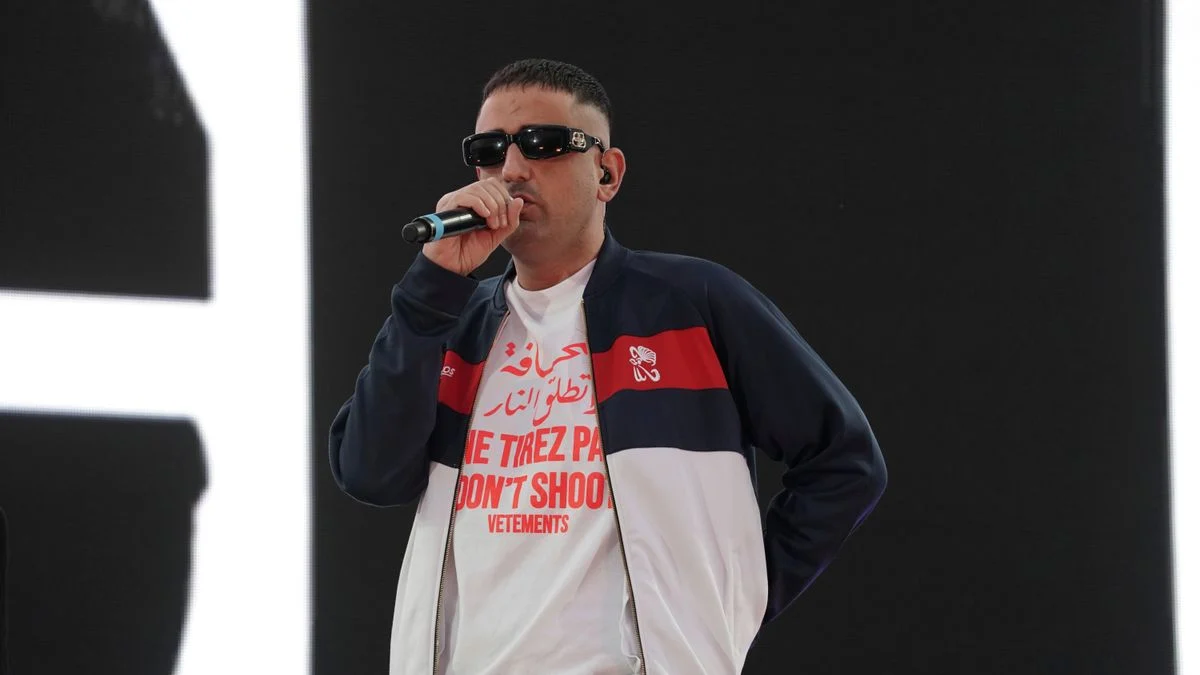
The German hip-hop landscape was struck by a moment of sobering honesty this week as Aykut Anhan, better known by his stage name Haftbefehl, announced a total hiatus from live performances. The Offenbach-born rapper, a central figure in the evolution of German rap, cited severe physical and emotional exhaustion as the primary drivers behind his decision to step back from the limelight. In a candid statement released via his Instagram platform, the 40-year-old artist revealed that he is currently unable to fulfill his professional obligations, marking a critical juncture in a career defined by both meteoric success and deeply personal turmoil.
The Announcement: A Call for Respite
The announcement came after a series of increasingly concerning cancellations. For his fans and promoters, the news did not come entirely out of the blue, but its finality has sent ripples through the industry. "Currently, I am not in a physical or emotional state to perform," Anhan wrote, addressing his followers directly. He acknowledged the difficulty of the admission, noting that public transparency regarding his internal state is a departure from the "tough" image often projected in the rap genre.
The decision follows a period of mounting pressure. Earlier this month, Haftbefehl was forced to pull out of his scheduled set at the prestigious World Club Dome in Frankfurt am Main just hours before he was due on stage. Shortly thereafter, the Heroes Festival in Geiselwind saw the rapper replaced at the eleventh hour by fellow artist Ski Aggu. These incidents were clear indicators that the artist was struggling to maintain the rigorous pace required of a modern touring musician.
A Chronology of Struggles
To understand the weight of this hiatus, one must look at the timeline of the artist’s recent history. Over the past several years, the line between Haftbefehl’s professional output and his personal struggles has become increasingly blurred.
- The Build-up: Known for his aggressive, authentic, and highly influential storytelling, Anhan rose to prominence as a voice for those living on the fringes of society. However, the intensity of his lyrics often mirrored the intensity of his life off-stage.
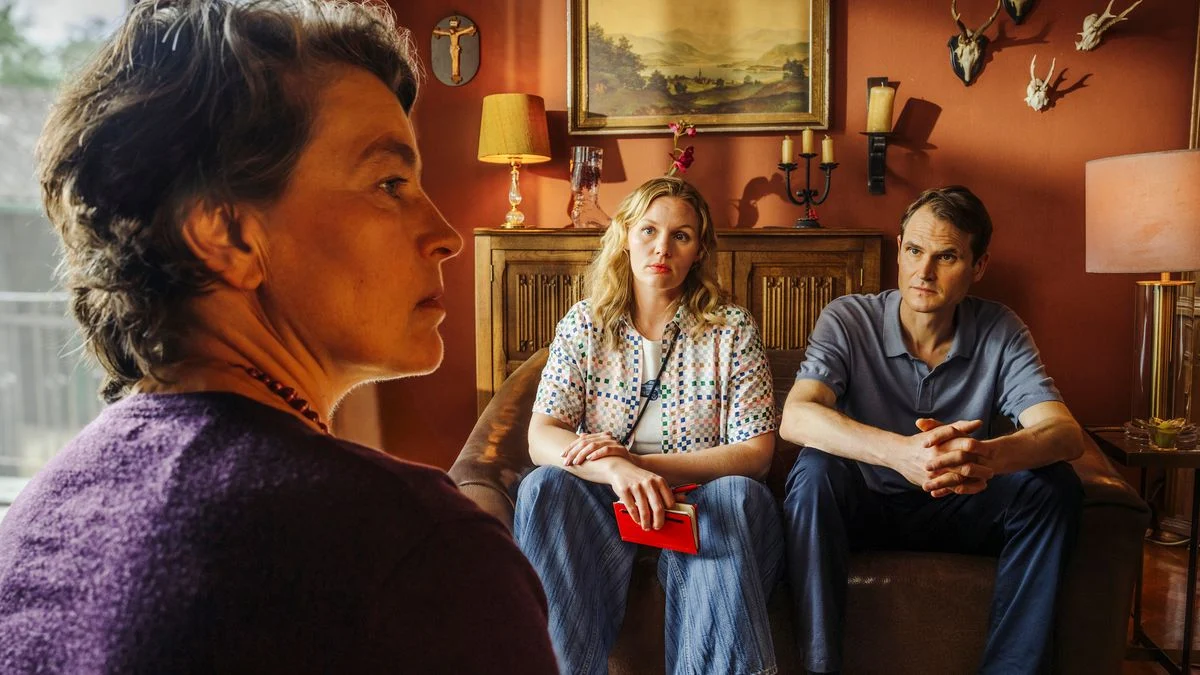
- The Netflix Revelation: The turning point in public perception occurred last year with the release of the Netflix documentary Babo – Die Haftbefehl-Story. Directed by SPIEGEL author Juan Moreno, the film provided an unflinching look at the musician’s life, specifically focusing on his long-standing battle with substance abuse.
- The Near-Death Experience: The documentary shed light on a harrowing incident where the rapper suffered a drug overdose and required resuscitation. This reveal forced a broader conversation within the music industry about the toll of fame and the accessibility of narcotics in the rap scene.
- The Aftermath: Following the documentary, the "hype" surrounding the rapper reached a fever pitch. While this boosted his visibility, it also brought an unprecedented level of scrutiny. Anhan noted in his recent statement that the "great attention" and the "entire circus" surrounding his public persona had only served to exacerbate his underlying health issues.
Supporting Data: The Cost of Authenticity
The industry of German "Gangsta Rap" has long been built on the currency of authenticity. Artists are expected to live the lives they rhyme about. However, this expectation places a heavy burden on the mental health of performers.
Statistics regarding the mental health of touring musicians suggest that burnout, anxiety, and substance abuse are significantly higher in the music industry than in the general population. Haftbefehl’s case is a prime example of the "success paradox": as his commercial success grew, so did the expectations to maintain a high-octane lifestyle, even as his internal resources were being depleted.
While the artist did not explicitly state whether his current health crisis is directly related to a relapse or a recurrence of his past drug struggles, the context provided by his recent documentary makes the connection difficult to ignore. The industry has been forced to confront the reality that for some, the persona of "Haftbefehl" is an exhausting mask to wear, one that demands a level of emotional labor that can lead to total depletion.
Industry and Peer Response: A Quiet Solidarity
The reaction from the music community has been largely one of support and, notably, silence. Unlike many celebrity crises that trigger a flurry of speculation, the German rap scene has reacted with a degree of empathy that suggests a collective understanding of the pressures Anhan is facing.
Promoters and festival organizers have been quick to accommodate the cancellations. There has been no public litigation or aggressive demands for compensation, signaling a tacit acknowledgement that the health of the artist is of greater importance than the success of a single event. Industry insiders suggest that this response is rooted in the deep respect the community holds for Anhan’s contribution to the genre. He is viewed not just as a performer, but as a pioneer who laid the groundwork for a generation of artists.
Implications: The Future of the "Babo"
What does this mean for the future of Aykut Anhan? A hiatus of this nature is never just about physical recovery; it is about identity. The artist has clearly stated that he needs "rest and time to concentrate on [his] health and to regain strength."
The implications for his career are significant:
- Re-evaluating the Touring Model: The physical demands of festival circuits and club tours are immense. It is likely that when, or if, Haftbefehl returns, the model of his professional life will look fundamentally different. Expect fewer, more intimate, and carefully curated performances.
- The Evolution of Public Persona: The "Babo" (a slang term for boss or leader) image has been central to his brand. However, there is a growing movement in hip-hop toward vulnerability. By choosing to step back rather than push through, Anhan is effectively redefining what strength looks like for his fan base.
- The Longevity of the Artist: By prioritizing his health now, Anhan is attempting to avoid the tragic fate that has befallen other icons of the industry. The decision to step away is, in effect, a decision to choose life over the career that nearly claimed it.
Conclusion: The Path Forward
The narrative of Haftbefehl is currently at a crossroads. For years, he was the artist who brought the grit of the streets into the mainstream, surviving obstacles that would have silenced others. Today, his greatest battle is not with rivals or critics, but with the internal demands of his own existence.
His fans, who have followed him from his early mixtapes to his status as a national icon, are now witnessing his most difficult performance: the one where he chooses himself over the stage. While the void left by his absence will be felt at festivals and on charts, the consensus among observers is that the sacrifice is necessary.
As he navigates this period of convalescence, the industry watches with bated breath—not for a new album or a surprise appearance, but for the recovery of a man who has given so much of himself to his audience. The "Haftbefehl-Story" is far from over, but the next chapter will necessarily be written in a quieter, more deliberate tone. Whether this break leads to a return to the stage or a permanent shift toward a private life remains to be seen; for now, the most important development is the acknowledgement that behind the stage name, there is a human being who has finally allowed himself to stop.