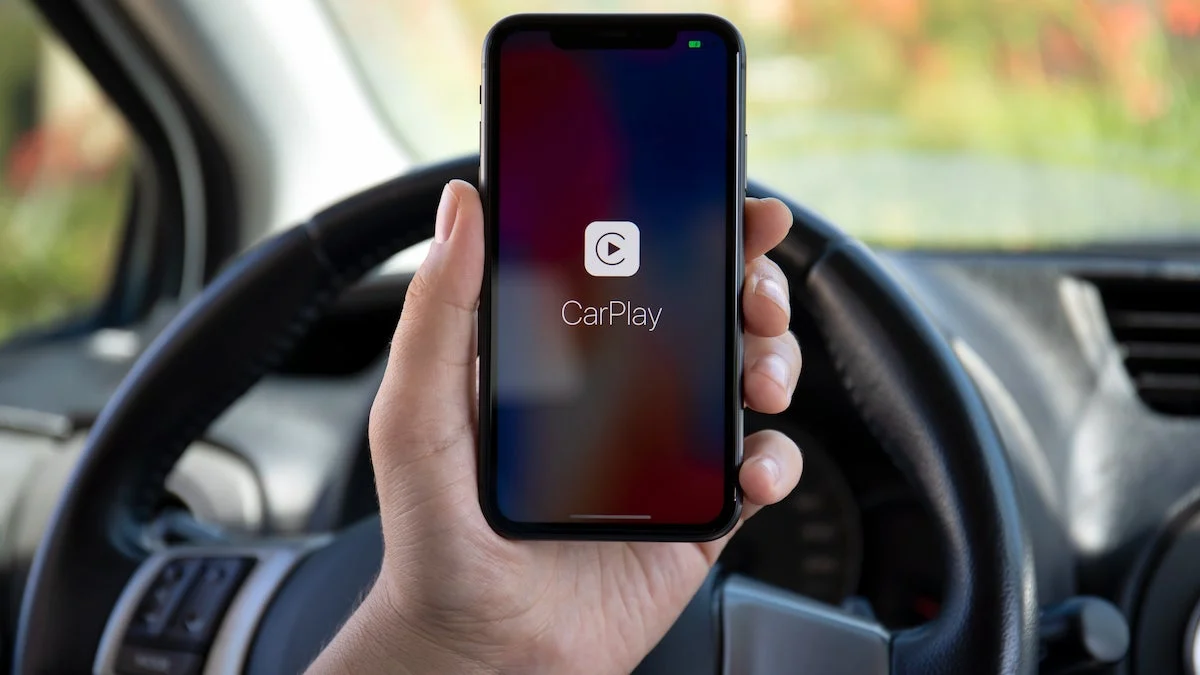
For years, the rivalry between Google’s Android Auto and Apple’s CarPlay has defined the dashboard experience for millions of drivers worldwide. While Android users have long enjoyed the progressive integration of Google’s Gemini AI, iPhone users tethered to CarPlay have largely been limited to standard navigation features. That paradigm is shifting today. Google has officially announced that its powerful generative AI, Gemini, is making its debut within Google Maps on Apple CarPlay.
This update represents a significant expansion of Google’s "AI-first" strategy, signaling a move to make its services indispensable, regardless of the operating system. By bringing conversational intelligence to the dashboard, Google is aiming to transform the car navigation experience from a simple routing tool into a proactive, context-aware digital assistant.
The Evolution of the In-Car Assistant
The integration of Gemini into CarPlay is not merely a "feature drop"; it is a fundamental shift in how drivers interact with their vehicles. Previously, navigation was a transactional process: you input a destination, the software calculated a route, and the system provided turn-by-turn directions. If you needed to change parameters—such as avoiding tolls or finding a scenic route—you had to dive into sub-menus or interact with static buttons, often while attempting to keep your eyes on the road.
Gemini changes the workflow by introducing natural language processing (NLP) to the driving environment. Instead of manual configuration, drivers can now converse with their navigation system. This capability has been available to Android Auto users for some time, where Gemini has functioned as a co-pilot, helping manage schedules, messages, and complex routing queries. With this latest rollout, the playing field between iPhone and Android users is finally being leveled.
Chronology: From Concept to Dashboard
The journey of Gemini into the automotive space has been methodical:
- Early 2024: Google begins testing generative AI features within the core Gemini app, focusing on mobile and desktop efficiency.
- Mid-2024: Android Auto receives the first wave of Gemini integration, allowing users to summarize messages and suggest replies while driving.
- Late 2024: Reports emerge regarding the "Personal Intelligence" upgrade for Android Auto, which promises to make the assistant more proactive, though initially limited to specific regions.
- October 2026 (Current): Google officially confirms the rollout of Gemini for Google Maps on Apple CarPlay. The update begins with a phased release starting in the United States, with a global expansion scheduled for the coming weeks.
How It Works: The New Interface
For users who rely on Google Maps via CarPlay, the transition will be subtle but impactful. Upon updating, users will notice a distinct, iconic "Gemini star" symbol integrated directly into the navigation interface on the right-hand side of the display.
When a user taps this icon, the system enters a "listening" mode. Unlike previous voice command systems that relied on rigid, keyword-based syntax, Gemini is designed to understand context and nuance. For example, a driver can ask: "Find me some spots with a great view of the city skyline," or "Is this place usually crowded on a Tuesday afternoon?"
Gemini processes these requests by synthesizing data from Google’s vast knowledge graph, including user reviews, historical traffic patterns, and real-time popularity trends. Furthermore, the AI handles complex routing constraints seamlessly. If you are planning a long road trip, you can simply tell the assistant, "Take me to this address, but stick to scenic routes and avoid all toll roads." The system automatically adjusts the route, bypassing the need for the driver to fumble through secondary menus.
Real-Time Data and Crowd-Sourced Intelligence
One of the most praised features of Google Maps has always been its crowd-sourced traffic data. With the integration of Gemini, this feature becomes more interactive. Drivers can now report road hazards—such as accidents, debris, or heavy congestion—using natural language.
"I see an accident ahead in the right lane," a driver might say. Gemini processes this input and verifies it against current telemetry, potentially updating the map for other users in real-time. This creates a feedback loop where the AI acts as a sophisticated traffic dispatcher, enhancing safety and efficiency for the entire community of Google Maps users.

Strategic Implications: Why This Matters
This move is highly strategic for Google. By embedding Gemini into the CarPlay experience, Google is effectively ensuring that its ecosystem remains a core part of the Apple user’s daily life. Even for users who prefer the hardware of an iPhone and the UI of CarPlay, Google Maps (now powered by Gemini) remains the superior navigation choice for many.
For Apple, this presents a subtle challenge. While Apple has its own AI initiatives under the "Apple Intelligence" banner, the immediate availability of Google’s mature Gemini models within the most popular navigation app creates a compelling case for users to lean on Google’s infrastructure. It highlights a recurring theme in modern tech: the software layer is increasingly becoming more important than the hardware layer.
Supporting Data and Market Impact
Market analysis suggests that in-car AI adoption is moving from a "luxury" feature to an "expected" utility. According to industry surveys, over 70% of new car buyers prioritize smartphone integration (CarPlay/Android Auto) over traditional manufacturer-built infotainment systems.
By adding Gemini, Google is addressing three major pain points for drivers:
- Reduced Cognitive Load: Conversational AI reduces the need for "touch" interactions, which is a major factor in driving safety.
- Increased Precision: The ability to handle multi-step requests (e.g., "Find a gas station, then a coffee shop, and ensure it’s on my way") saves significant time.
- Dynamic Decision Making: The ability to query the "vibe" or "busyness" of a destination allows for better planning, reducing the frustration of arriving at a location only to find it closed or at capacity.
The Global Rollout and What to Expect
As of late October 2026, the rollout is active in the United States. Google has indicated that it is taking a staggered approach to ensure server stability and to allow for localization testing.
For users outside the U.S., the wait should be minimal. Google’s infrastructure is built to scale quickly, and the company has confirmed that the global release will follow in the coming weeks. If you do not see the Gemini icon on your CarPlay screen yet, it is recommended to ensure your Google Maps app is updated to the latest version via the App Store and that your iPhone is running the latest iOS firmware.
Looking Ahead: The Future of the Dashboard
The integration of Gemini into CarPlay is likely just the beginning. Experts predict that the next phase of automotive AI will involve deeper vehicle integration—where the AI can communicate directly with the car’s onboard diagnostics (OBD).
Imagine a future where you can say, "Gemini, I hear a rattling sound in the engine area," and the AI, connected to your vehicle’s sensors, provides an immediate diagnostic report and routes you to the nearest reliable mechanic. While we are not there yet, the step taken today—integrating generative intelligence into our primary navigation tool—lays the foundation for a much more responsive and intuitive driving experience.
For now, iPhone users can look forward to a more capable, conversational, and helpful navigation experience. As the lines between our digital assistants and our physical movement continue to blur, Google’s latest update ensures that whether you are in a Tesla, a Ford, or a Toyota, your digital co-pilot is finally listening—and finally, it understands.