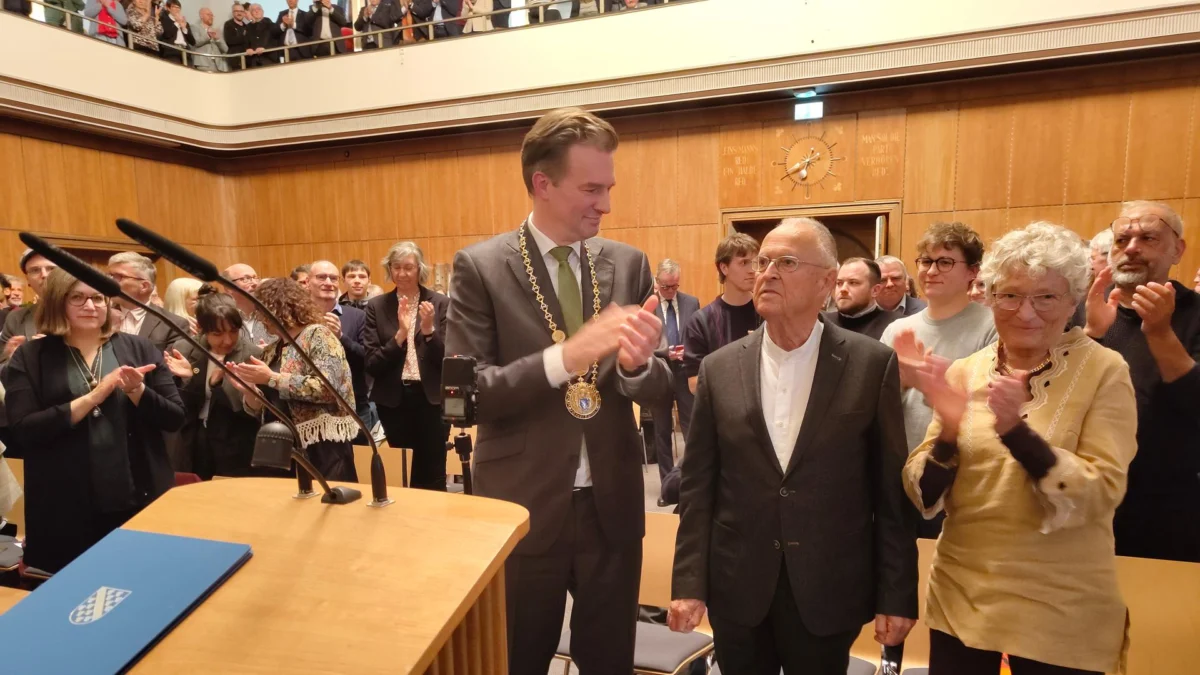
In the quiet laboratories of Halle, Germany, a silent revolution is taking place. Researchers are looking at the remnants of the agricultural industry—discarded apple pomace, stalks, and various crop residues—not as waste, but as a goldmine for the next generation of pharmaceuticals. By merging cutting-edge biotechnology with the analytical power of Artificial Intelligence (AI), scientists are unlocking potent bioactive compounds that could address some of the most pressing health challenges of our time.
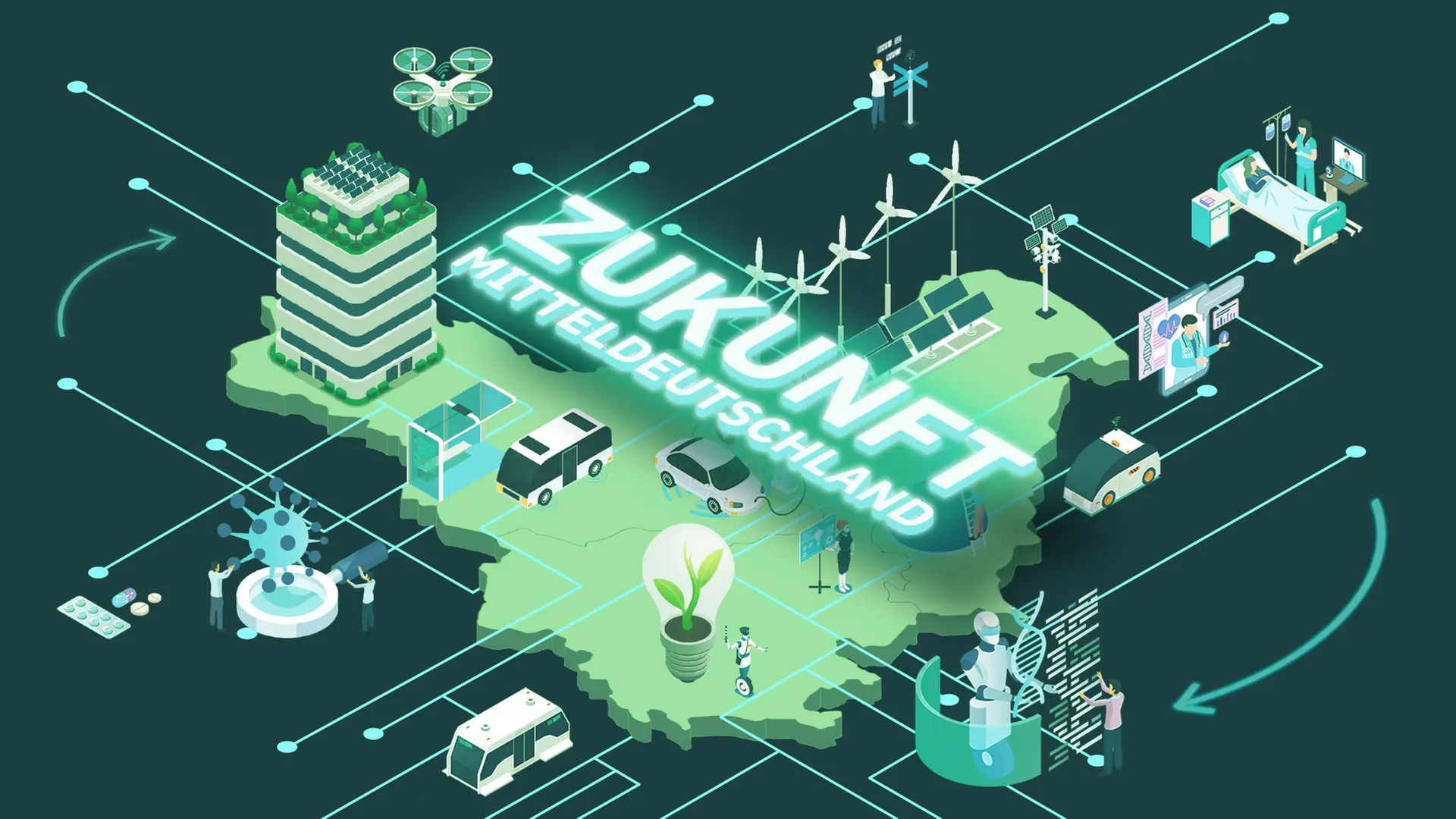
This initiative is part of a broader trend in Central Germany to embrace sustainable, circular economic models. By repurposing "farm scraps" into high-value medical ingredients, researchers are reducing the carbon footprint of the pharmaceutical industry while simultaneously creating a localized, resilient supply chain for essential medicines.
Main Facts: The New Frontier of Medicinal Chemistry
The core premise of this research is straightforward yet technologically daunting: nature produces complex molecules in plants that can fight inflammation, infection, and chronic disease. However, extracting these substances in high purity and sufficient quantities has historically been expensive and inefficient.
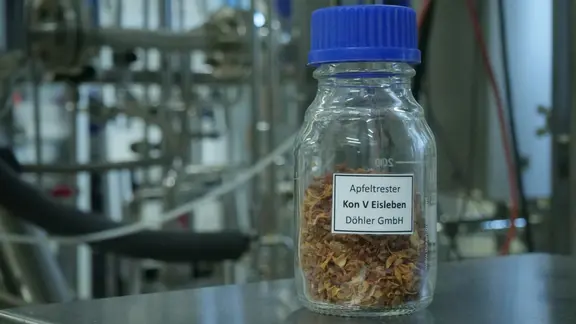
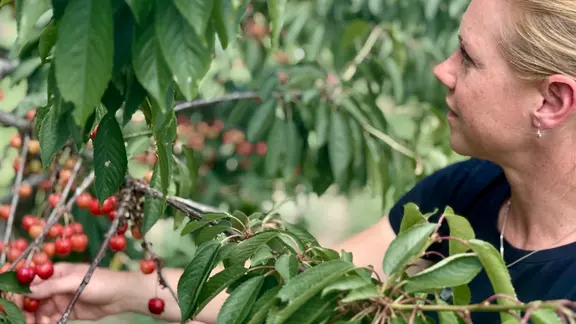
- The Raw Material: Agricultural by-products, such as apple pomace (the solid remains of apples after juicing), are rich in phytochemicals like polyphenols and specific antioxidants.
- The Biotechnological Edge: Instead of traditional, solvent-heavy extraction, researchers are utilizing microbial fermentation and enzymatic processes to "unlock" these compounds from the fibrous matrix of the plant waste.
- The AI Integration: AI models are being used to predict which plant residues contain the most promising compounds for specific medical targets. Machine learning algorithms analyze the chemical structures of thousands of plant-derived molecules, identifying those with the highest therapeutic potential for human use.
By focusing on these "leftovers," researchers are effectively turning the agricultural sector into a precursor for the medical industry. This approach not only provides a cheaper source of raw materials but also aligns with global sustainability goals by transforming what would otherwise be compost or waste into life-saving resources.
Chronology: The Evolution of "Circular Medicine"
The journey toward this innovative medicinal model has been a multi-year effort, accelerating significantly in the last decade.
2015–2018: The Initial Discovery Phase
Research groups in Saxony-Anhalt began identifying the high concentration of bioactive substances in orchard waste. Early experiments focused on isolating basic compounds, though the yields were initially too low for commercial viability.

2019–2021: The Rise of Biotech Refinement
With the integration of sophisticated bioreactors, researchers shifted their focus from simple extraction to bio-transformation. By using specific bacteria to "digest" the plant material, scientists found they could produce more stable and potent versions of the desired compounds.

2022–Present: The AI Breakthrough
The introduction of AI-driven drug discovery tools allowed the team to bypass years of trial-and-error. By mapping the chemical "fingerprint" of various agricultural residues against known disease pathways, the research teams have now begun optimizing the production of specific compounds that could, for instance, serve as advanced anti-inflammatory treatments or immune-system boosters.

Supporting Data: Why Waste Matters
The numbers behind this shift are compelling. Currently, the pharmaceutical industry relies heavily on imported synthetic compounds, often sourced from far-flung regions with volatile supply chains.

- Efficiency Gains: Preliminary studies suggest that utilizing microbial conversion can increase the yield of active pharmaceutical ingredients (APIs) from agricultural waste by up to 40% compared to traditional thermal extraction methods.
- Sustainability Metrics: By sourcing raw materials from local agriculture, the transport-related carbon emissions are estimated to be 60% lower than sourcing similar compounds from traditional, globalized supply chains.
- Cost Reduction: Because the raw material (apple pomace, stalks, etc.) is essentially a waste product of the food industry, the cost of raw material inputs is significantly lower than traditional chemical precursors.
These metrics are attracting interest from major European biotech investors, who see in this model a path toward "sovereign" pharmaceutical production—reducing dependence on external markets for basic health ingredients.

Official Responses and Expert Outlook
The scientific community in Central Germany has been vocal about the potential of this technology. Dr. Bernd Werstermann, a leading researcher in the field, has frequently highlighted the synergy between regional agriculture and high-end biotechnology.
"We are not just making medicine; we are rethinking the entire value chain," says a lead scientist involved in the Halle-based projects. "When we look at an apple core, we shouldn’t see trash. We should see the potential for a new dermatological cream or an immune-modulating agent. The biology is already there; we are simply providing the bridge for it to reach the patient."
Government representatives have also lauded these efforts, noting that they contribute to the "Transformation Research" mandate of the region. By moving away from profit-driven, high-waste industrial models and toward collaborative, circular economic systems, these research hubs are positioning themselves as leaders in the future of European biotechnology.
Implications: A Broader Shift in Science and Society
The success of extracting medicinal compounds from agricultural waste has profound implications for several sectors:
1. Resilient Healthcare
By building a localized production chain, countries can ensure a steady supply of critical health-supporting compounds. This reduces the risk of shortages during global crises, such as pandemics or geopolitical instability, which often disrupt traditional pharmaceutical trade routes.

2. Environmental Impact
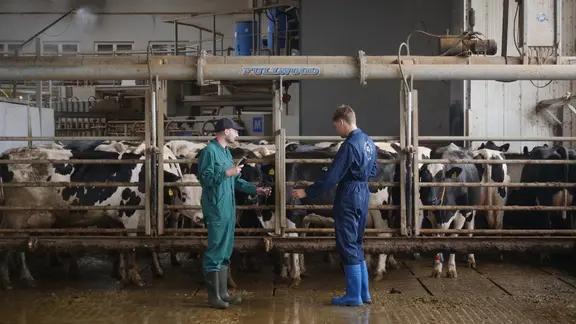
The agricultural sector is a major producer of organic waste. By providing an industrial use for this waste, farmers gain a new revenue stream, and the burden on waste management systems is significantly reduced. This is a classic example of a "win-win" in the context of the green economy.

3. The Future of Drug Discovery
The marriage of AI and biotechnology is changing the fundamental pace of medicine. Previously, searching for new compounds was a slow process of laboratory screening. Today, AI can narrow down millions of potential molecules in days. This, combined with the virtually infinite library of compounds found in nature’s waste, suggests that the next "blockbuster" drug might not be synthesized in a lab from scratch, but rather "discovered" in the pile of a local farm.

4. A Template for Other Industries
If we can turn apple waste into medicine, what else can we repurpose? The success in Halle is serving as a blueprint for other projects in the region, including the use of forest residues for sustainable building materials and the use of viruses for recycling electronic waste (rare earth elements).
Conclusion: A Greener, Healthier Tomorrow
The vision emerging from the laboratories in Halle is one where the lines between agriculture, technology, and medicine blur. We are moving toward a future where our daily consumption—the fruit we eat, the crops we harvest—contributes directly to our healthcare.

As these projects move from the lab into the pilot phase of industrial production, the focus will shift to scalability and regulatory approval. However, the foundational work has already proven that the answers to some of our most complex medical questions may have been hiding in our fields all along. Through the combination of human ingenuity, advanced machine learning, and a respect for nature’s circularity, the "waste" of yesterday is rapidly becoming the medicine of tomorrow.

The transition is not just technological; it is philosophical. It marks a move away from the extractive, linear models of the 20th century toward a regenerative, circular future. As the research continues to unfold, the residents of Central Germany and beyond can look forward to a time when sustainability and health are no longer competing interests, but two sides of the same coin.