By MDR Sachsen Staff | Updated: October 8, 2026
As the global climate continues to shift, presenting new and unprecedented challenges for emergency responders, the city of Dresden has once again become the epicenter for innovation and strategic collaboration. This Thursday, the doors opened to the annual international trade fair, FLORIAN, a critical gathering point for firefighters, emergency medical personnel, and civil protection experts from across the continent.
With over 370 exhibitors from twelve nations converging on the Dresden exhibition grounds, the event serves as more than just a marketplace for cutting-edge technology. It is a vital forum for exchanging life-saving strategies, addressing the complexities of modern industrial fires, and strengthening the cross-border partnerships required to combat the climate-induced catastrophes of the 21st century. Organizers expect an attendance of approximately 20,000 industry professionals over the course of the three-day event, which concludes this Saturday.
Main Facts: The Scope of the FLORIAN Fair
The FLORIAN trade fair is widely recognized as one of the most significant events in the European fire and rescue sector. This year’s edition is particularly poignant, as it follows a summer characterized by extreme weather patterns and complex, large-scale incidents that tested the limits of regional disaster response units.
The exhibition floor features a comprehensive array of technological advancements, ranging from state-of-the-art fire suppression vehicles and autonomous rescue drones to advanced personal protective equipment (PPE) and digital communication systems designed to maintain connectivity in remote, disaster-stricken areas. However, the true value of this year’s fair lies in its educational and collaborative focus.
A New Focus: The Waldbrand-Camp
Perhaps the most notable addition to this year’s program is the inaugural "Waldbrand-Camp" (Forest Fire Camp). Ines Kurze, the spokesperson for the event organizers, emphasized the necessity of this new initiative. "We have introduced something entirely new this year," Kurze stated. "The forest fire camp is a direct response to the reality that the eastern part of Germany, and indeed much of Europe, has become a ‘forest fire zone.’ It is no longer a question of if these fires will occur, but how we prepare for their increasing frequency and intensity."
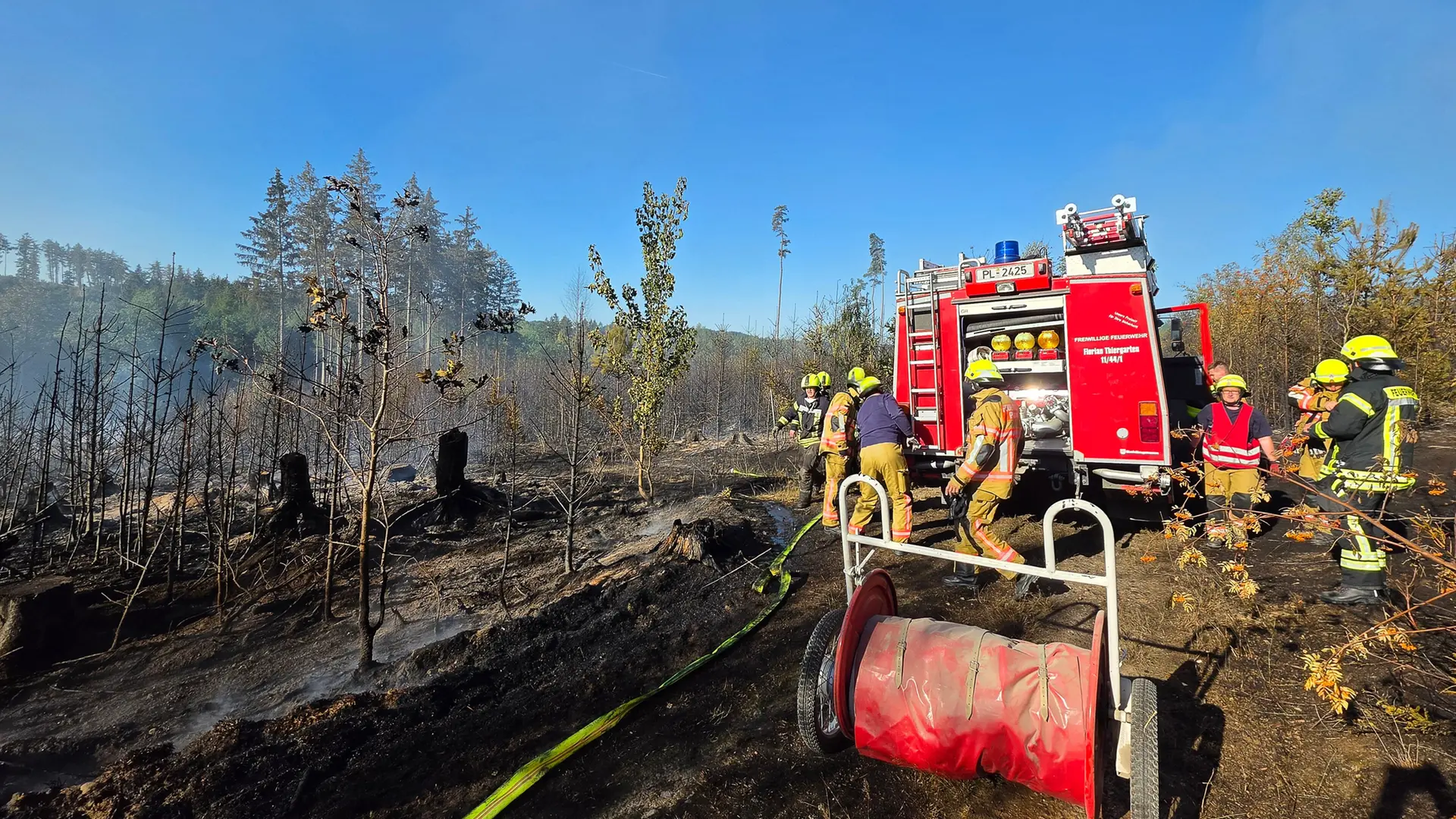
The camp functions as a high-level briefing and workshop center where commanders and boots-on-the-ground firefighters converge to deconstruct the major incidents of the past summer. The collaborative nature of this initiative is underscored by the international participation; delegations from the Czech Republic, Hungary, and Croatia have joined German counterparts to share data, tactics, and lessons learned from the fire lines.
Chronology: From Summer Chaos to Strategic Planning
The urgency of the FLORIAN fair is rooted in the events of the preceding months. The summer of 2026 provided a sobering reminder of the volatility of the current environment.
- July 2026: A historic industrial fire involving a large-scale battery storage facility in Bautzen shook the national emergency response community. The blaze, which represented the first incident of its magnitude in Germany, exposed significant gaps in existing fire-fighting protocols for lithium-ion energy storage systems.
- August 2026: Throughout the late summer, several regional forest fires in the Vogtland district and surrounding areas required massive, multi-agency deployments. These fires were characterized by difficult terrain and unpredictable wind patterns, forcing local fire departments to rely on improvised coordination methods.
- October 2026: The FLORIAN fair provides the first structured opportunity for these departments to transition from reactive, emergency-based operations to proactive, institutionalized planning.
Supporting Data: The Evolution of Risk
The challenges discussed at the fair are backed by sobering statistics. The rise in "atypical" fire incidents—those involving new technologies like high-capacity battery storage or electric vehicle fleets—has outpaced traditional training modules.
The Bautzen incident in July serves as the primary case study for these discussions. The fire, which necessitated constant, massive water cooling of the storage containers, highlighted that standard firefighting agents are often insufficient for modern energy infrastructure. Experts at the fair are utilizing technical data from the Bautzen event to develop new guidelines for the safe management of energy storage fires, emphasizing containment and cooling over traditional extinguishing methods.
Official Responses and Expert Insights
The consensus among the leadership at the FLORIAN fair is that the era of "siloed" emergency management is over. In the modern era, a fire in a rural forest or an industrial facility in Saxony is a matter of international concern.
"We are seeing a shift toward a unified European approach," noted one emergency coordinator during the opening ceremonies. "When we discuss technical assistance for agriculture—another key focus of this year’s fair—we are really discussing the intersection of food security, environmental protection, and public safety. We cannot handle these challenges in isolation."
In addition to the technical workshops, the "Fire-and-Rescue-Games" provide a platform for the next generation of professional firefighters to test their skills in high-pressure, simulated environments. These games are not merely a competition; they are a vital recruiting and training tool designed to build resilience and speed among younger personnel who will inherit the challenges of the coming decades.
Implications: Building a Resilient Future
The implications of the FLORIAN 2026 fair are far-reaching. As regional governments look to modernize their civil protection infrastructure, the insights gathered in Dresden will inform procurement decisions, legislative updates, and inter-state cooperation agreements for years to come.

1. Digital Integration
The presence of digital technology, from satellite-linked hand-held devices to AI-driven fire spread prediction models, indicates that the future of firefighting is data-centric. The exhibition displays how real-time data flow can prevent "information fog," allowing incident commanders to make better decisions in the critical first minutes of a fire.
2. Cross-Border Interoperability
The participation of international partners from Eastern and Central Europe is a direct result of the increasing frequency of cross-border forest fires. The fair is pushing for a standardized "common language" of disaster response, ensuring that a German fire engine can hook into a Czech water supply or that digital radio frequencies are compatible during joint operations.
3. The Shift in Industrial Safety
The Bautzen incident has forced a re-evaluation of industrial fire safety. The industry is now pushing for more rigorous "fire-load" assessments for green energy infrastructure. The sessions at FLORIAN regarding these issues are expected to influence national safety standards across Germany in 2027.
Conclusion: A Call to Action
As the FLORIAN fair continues through the week, the atmosphere in Dresden is one of focused determination. The participants—ranging from volunteer firefighters who spend their weekends in the line of duty to the developers of the world’s most advanced fire-fighting robotics—are united by a singular goal: to ensure that when the next crisis arrives, they are better prepared than they were yesterday.
The exhibition is not just a showcase of hardware; it is a testament to the evolving nature of human resilience. By sharing the lessons of the past summer and integrating the technologies of the future, the attendees of FLORIAN 2026 are building a more secure foundation for the public. The message from the Dresden trade fair is clear: in an era of unpredictable hazards, the most effective tool for survival remains the exchange of knowledge and the spirit of international collaboration.