By Editorial Desk
Updated: September 5, 2026
Fifty years ago, on September 5, 1976, the television landscape was permanently altered by a ragtag troupe of felt, foam, and fur. The Muppet Show did not merely introduce characters to the screen; it invented a new lexicon of comedy, blending high-brow theatrical ambition with the anarchic, "polite nonsense" that would define the late 20th century. Today, as we commemorate the half-century milestone of the show’s debut, the legacy of Kermit the Frog, Miss Piggy, and their eccentric cohorts remains as vibrant and culturally significant as ever.
The Genesis of the Muppets: A Vision Rejected
The story of the Muppets is often told as an overnight success, but the path to the 1976 premiere was paved with professional rejection. Jim Henson, the visionary American puppeteer already revered for his work on Sesame Street, had a different ambition: he wanted to create a prime-time variety show for adults.
In the early 1970s, American network executives were skeptical. They viewed puppetry as a strictly pedagogical medium for children. Henson’s pitch—a satirical, vaudevillian revue featuring a depressed frog host and a diva pig—was dismissed as a niche, unmarketable experiment.
The breakthrough came from across the Atlantic. British media mogul Lord Lew Grade saw the potential in Henson’s vision. He offered to finance the production at the ATV Elstree Studios, just outside London, provided that Henson relocate the production. This forced migration proved to be the show’s saving grace. By stepping away from the constraints of the American broadcasting model, Henson was given the creative freedom to cultivate a unique, international brand of humor that prioritized sophisticated wit over safe, family-friendly tropes.
A Chronology of Chaos: From Studio to Global Icon
- 1976: The Muppet Show premieres in the UK. The format is revolutionary: a "backstage" narrative where the chaos of mounting a variety show is as integral as the acts themselves.
- 1977–1979: The show gains meteoric momentum. Iconic guest stars, ranging from Elton John to Alice Cooper and Elke Sommer, embrace the absurdity, lending the show a sense of prestige that solidified its prime-time status.
- 1980: The Muppets transition to the silver screen with The Muppet Movie, proving their characters possess the emotional depth to sustain feature-length storytelling.
- 1990: The death of Jim Henson at age 53 sends shockwaves through the industry. His passing prompts a global outpouring of grief, reflecting the profound connection audiences felt with his creations.
- 2010s–2026: Through acquisitions and reinventions, the Muppets remain a staple of pop culture, culminating in high-profile appearances, including the 2026 World Cup halftime show and various royal functions.
Anatomy of the "Muppet Magic"
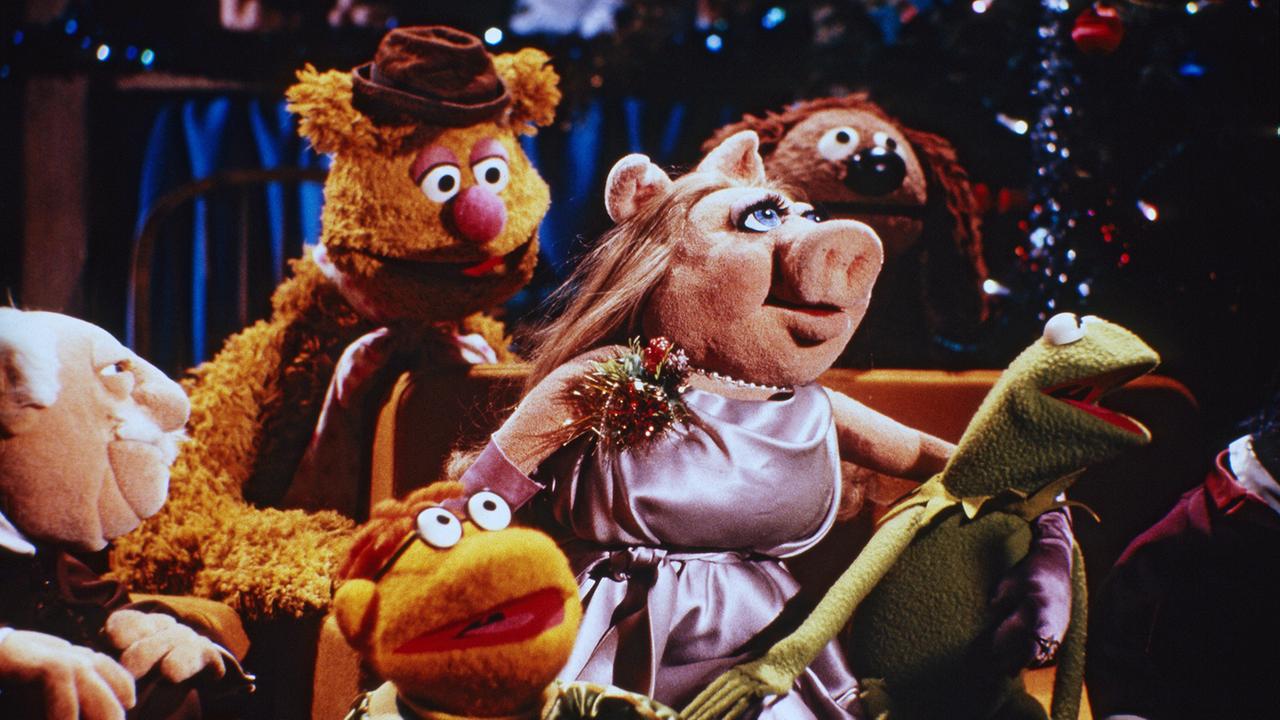
At the heart of the show’s success was its refusal to talk down to the audience. Unlike contemporary children’s programming, The Muppet Show was built on the foundation of classic Vaudeville. There were pratfalls, puns, musical numbers, and the perpetual, cantankerous heckling of Statler and Waldorf from their balcony box.
Jeremy Hoare, a cameraman who worked on the original production at ATV, recalls the atmosphere as electric. "You never saw the canteen staff hanging around the studios during other productions," he remarked in an interview with the BBC. "But when the Muppets were filming, everyone wanted to be there. There was a palpable sense that we were doing something that hadn’t been seen before."
The production was grueling. Henson and his team of puppeteers—including Frank Oz, Jerry Nelson, and Richard Hunt—operated in high-stress, physically demanding conditions. They often had to hold their arms above their heads for hours while operating intricate controls, all while singing, acting, and maintaining the timing required for a comedy variety show.
The Philosophical Core: Henson and the Frog
For Jim Henson, the characters were not merely props; they were extensions of his own psyche. In interviews, Henson often spoke of his identification with Kermit the Frog. "He is certainly a part of me—if not my whole self," Henson once mused. He noted that Kermit was the voice of reason in a room full of lunatics, a character who bore the burden of keeping the show afloat while the rest of the cast engaged in various degrees of hysteria.
The show was remarkably free of political divisiveness. As writer Joseph Bailey noted, the goal was "pure comedy." By avoiding topical political barbs, the show aged gracefully, remaining accessible to global audiences in over 100 countries. This universality allowed the Muppets to become a form of "cultural Esperanto"—a language of humor that transcended borders.
Supporting Data: The Scale of Influence
By the late 1970s, The Muppet Show was reaching an estimated 235 million viewers per week. It was not just a television show; it was an economic engine. The merchandising, the records, the guest appearances, and the subsequent film franchise established the Muppets as one of the most lucrative intellectual properties in the history of entertainment.
The show’s impact on celebrity culture was equally profound. Appearing on The Muppet Show became a badge of honor for stars of the era. It signaled that a performer had a sense of humor and was willing to be "humanized" by the puppet cast. This dynamic—the interplay between the "flesh and blood" guest and the "foam and felt" host—paved the way for modern late-night talk show formats.
Implications: A Lasting Legacy
As we move further into the 21st century, the Muppets occupy a unique space in the media landscape. They are both a nostalgic touchstone and a resilient brand. Their ability to remain relevant in the era of TikTok and digital streaming is a testament to the strength of their character design and the timelessness of their humor.
However, the legacy of the Muppets extends beyond the screen. They represent a rare intersection of craft and commercialism. The puppetry techniques developed by Henson’s team, particularly the use of monitors to allow performers to see their own performance in real-time, became the industry standard.
Official Responses and Modern Reflections
In recent years, the Muppets have seen a resurgence in public life. During the 2026 World Cup in the United States, their involvement in the halftime spectacle served as a bridge between generations. Similarly, their appearance at the coronation concert for King Charles and Queen Camilla demonstrated their enduring status as cultural ambassadors.
"The Muppets are a reminder that entertainment doesn’t have to be cynical to be smart," said Lord Michael Grade, reflecting on the show’s 50th anniversary. "Jim Henson never disappointed his audience because he treated them with respect. He knew that if you made something with enough heart, it would eventually find its home."
Conclusion: The Perpetual Encore
As The Muppet Show enters its second half-century, it remains a beacon of creative integrity. While the industry has shifted toward CGI and AI-driven content, the tactile, imperfect, and human-driven nature of the Muppets offers a necessary contrast.
They are the "small puppets with the big mouths" that once challenged the status quo, and in doing so, they created a world that is a little kinder, a little funnier, and significantly more colorful. Whether it is Miss Piggy’s indomitable ego or Kermit’s patient, weary leadership, the Muppets remain, as they always were: a reflection of the best parts of ourselves.
As we look to the next 50 years, the question is not whether the Muppets will survive, but how they will continue to evolve. If the last half-century is any indication, they will continue to adapt, thrive, and remind us all that life, much like a variety show, is best handled with a sense of humor and a bit of "maintained nonsense."