As autumn deepens across Europe, a week of profound contrasts unfolds. From the celebratory announcements of the Nobel Prizes, honoring groundbreaking advancements that push the boundaries of human knowledge and health, to the stark realities of fiscal instability gripping France and the looming spectre of soaring energy costs for households, the continent finds itself navigating a complex tapestry of triumph and tribulation. This morning’s reflections reveal a continent wrestling with its future, balancing scientific ambition with pressing economic and social challenges.
The Grand Unveiling: Nobel Prize Week Commences
Main Facts:
The intellectual world turns its gaze towards Stockholm and Oslo this week as the annual Nobel Prize season officially begins. Instituted by the Swedish inventor Alfred Nobel, these prestigious awards recognize individuals and institutions for outstanding achievements in physics, chemistry, physiology or medicine, literature, and peace. An additional prize, the Sveriges Riksbank Prize in Economic Sciences in Memory of Alfred Nobel, is also announced. The week-long series of announcements captivates global audiences, celebrating innovation and human ingenuity.
Chronology:
The ceremonial week kicked off today with the highly anticipated announcement of the Nobel Prize in Physiology or Medicine. This will be followed by Physics tomorrow, Chemistry the day after, Literature on Thursday, and the Peace Prize on Friday. The cycle concludes next Monday with the revelation of the Laureates in Economic Sciences. This structured rollout allows for focused attention on each field’s most impactful contributions.
Supporting Data & Speculation (Medicine):
While predicting the Nobel laureates remains an exercise in informed speculation, certain candidates frequently surface in pre-announcement discussions. For the Prize in Physiology or Medicine, one recurring theme centers around the discovery of Orexin, also known as hypocretin. This neuropeptide, produced by neurons in the hypothalamus, plays a crucial role in regulating wakefulness, sleep, appetite, and energy expenditure. Its discovery fundamentally transformed our understanding of sleep disorders, particularly narcolepsy, which is often linked to a loss of orexin-producing neurons. The profound implications for treating sleep-wake cycle disruptions and metabolic disorders make its discoverers strong contenders.
Alternatively, the committee might recognize the pioneering work behind the development of GLP-1 receptor agonists, the active compounds in revolutionary weight-loss and diabetes medications such as Ozempic and Wegovy. These drugs mimic a natural hormone, glucagon-like peptide-1, to regulate blood sugar, reduce appetite, and promote satiety, offering unprecedented therapeutic options for chronic diseases impacting millions globally. The sheer scale of their public health impact and economic significance could make their originators prime candidates for this year’s medical accolade.

Supporting Data & Impact (Chemistry – CRISPR):
Beyond speculation, the real-world impact of past Nobel-winning research continues to resonate. Six years ago, the Nobel Prize in Chemistry was awarded to Jennifer Doudna and Emmanuelle Charpentier for their development of CRISPR-Cas9 gene-editing technology. Often dubbed "genetic scissors," CRISPR-Cas9 allows scientists to edit DNA with unprecedented precision, akin to a word processor for genetic code. This revolutionary tool has rapidly transformed fields from basic biological research to agricultural innovation and, most notably, medicine.
A poignant example of its life-altering potential is currently unfolding at the Charité hospital in Berlin. A 19-year-old patient named Mohammed, who suffered from a condition requiring frequent blood transfusions, has reportedly been "cured" thanks to CRISPR-based therapy. By precisely repairing his immune system using this technology, Mohammed no longer requires the life-sustaining transfusions, marking a significant milestone in personalized medicine. This case underscores the profound journey of scientific discovery, from theoretical breakthrough to tangible patient benefit, offering hope for countless others suffering from genetic disorders.
Implications:
The Nobel Prizes serve not only as a recognition of individual brilliance but also as a powerful testament to the collective human endeavor to understand and improve the world. The impact of discoveries like orexin and CRISPR extends far beyond scientific journals, shaping our health, our understanding of life, and our ethical considerations as we wield increasingly powerful biotechnological tools. The ongoing debate surrounding the responsible application of gene editing highlights the complex ethical landscape that often accompanies scientific progress, challenging society to consider both the immense potential and the profound responsibilities inherent in these advancements.
France’s Fiscal Tightrope: Student Unrest and Mounting Debt
Main Facts:
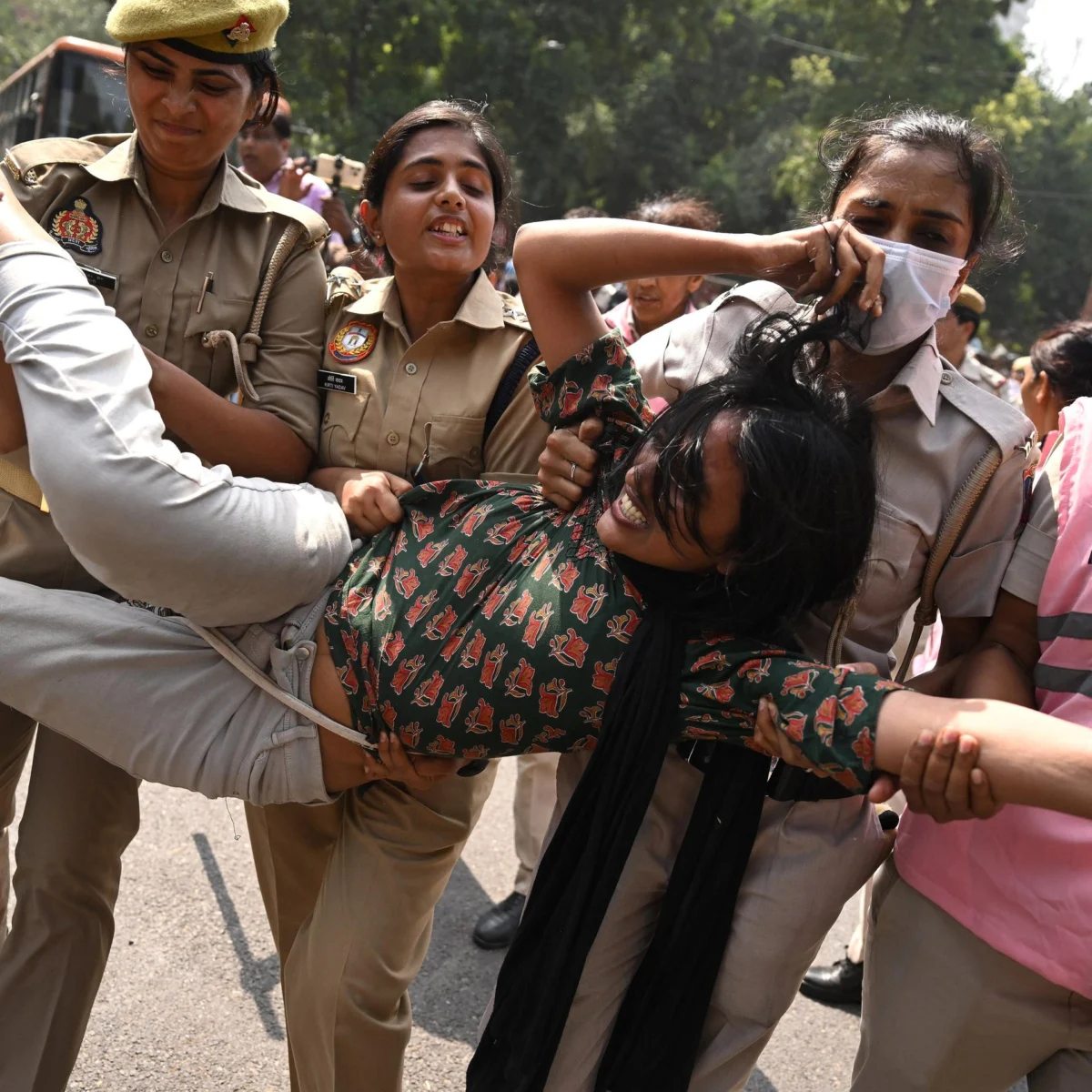
While the scientific community celebrates, France faces a stark reality on its streets. Thousands of students across the nation are protesting against deteriorating conditions in their schools. The grievances are familiar: dilapidated infrastructure, chronic teacher shortages, and a severe lack of essential teaching materials. At the heart of these protests lies a perennial issue: money. Or, more precisely, France’s perceived lack thereof for public services.
Chronology:
France’s public debt has been a persistent concern for decades, often exceeding the fiscal limits set by the European Union. Unlike many Southern European countries, such as Spain, Portugal, and Greece, which embarked on stringent austerity measures and structural reforms in the wake of the 2008 financial crisis and the subsequent Eurozone debt crisis, France has struggled to significantly rein in its spending or debt accumulation. While others achieved notable reductions in their debt-to-GDP ratios through painful reforms, France’s trajectory has largely moved in the opposite direction, exacerbated by various social spending initiatives and economic downturns. The current student protests, while focused on education, are a symptom of a broader issue of public funding strain that has been building over several years.

Supporting Data:
Currently, France’s debt-to-Gross Domestic Product (GDP) ratio stands at a worrying 118 percent, a figure that continues to climb. This is significantly higher than the Eurozone average and substantially above the 60% Maastricht Treaty benchmark. The persistent deficits and high debt levels constrain the government’s ability to invest adequately in crucial sectors like education, healthcare, and infrastructure, leading directly to the grievances voiced by the protesting students. The underlying structural issues include a high level of public spending (among the highest in the OECD), a large public sector, and a social welfare model that, while comprehensive, is expensive to maintain.
Official Responses/Political Landscape:
The French government, under President Emmanuel Macron, has acknowledged the challenges in public education and has made some efforts to reform the system, though these have often been met with resistance. However, the true test of France’s fiscal future looms large with the upcoming presidential election in the spring. Current polls indicate that the far-right leader Marine Le Pen and the far-left firebrand Jean-Luc Mélenchon are leading contenders, presenting starkly different, and potentially economically destabilizing, visions for the country.
Le Pen, of the National Rally party, proposes a significant lowering of the retirement age. While popular with a segment of the electorate, calculations suggest this policy alone could cost the state over 100 billion euros annually. Such an expenditure would dramatically worsen France’s fiscal position, adding immense pressure to an already strained budget and potentially jeopardizing the long-term solvency of its pension system.
Mélenchon, leader of La France Insoumise, advocates for an even more radical approach: a large-scale cancellation of government bonds. This proposal, while aimed at reducing the national debt burden, would likely trigger a catastrophic loss of investor confidence. International financial markets would almost certainly refuse to lend money to France, or demand exorbitant interest rates, effectively isolating the country from global capital and potentially leading to a sovereign debt crisis of unprecedented scale within the Eurozone.
Implications:
The escalating debt and the populist economic proposals from leading presidential candidates pose a grave threat to France’s economic stability and its standing within the European Union. A fiscally unstable France could destabilize the entire Eurozone, given its size and influence. Furthermore, the underfunding of public services, as highlighted by the student protests, risks long-term social and economic consequences, including a decline in human capital and increased social inequality. The upcoming election is not merely a political contest but a pivotal moment that will determine the economic direction of France for decades to come, with profound implications for its citizens and the wider European project.

The Winter Chill: Navigating Europe’s Energy Crisis
Main Facts:
Adding to the continent’s anxieties, European households are bracing for a winter of significantly higher energy costs. Heating, fuel for transportation, and electricity prices are all on an upward trajectory, threatening to place an unprecedented financial burden on millions of families and businesses. The question "How expensive will winter be?" is not just a rhetorical one; it’s a pressing concern for every household budget.
Chronology:
The current energy crisis has deep roots, exacerbated by a confluence of geopolitical events and supply-side pressures. Following Russia’s full-scale invasion of Ukraine in early 2022, European nations moved to reduce their reliance on Russian gas, leading to a scramble for alternative supplies and soaring wholesale prices. While gas storage levels have improved since the peak of the crisis, the global energy market remains volatile. OPEC+ decisions on oil production, maintenance issues at key energy infrastructure, and the ongoing demand recovery post-pandemic have all contributed to persistent price hikes. The seasonal demand for heating during winter naturally amplifies these pressures, making the coming months a critical period for energy consumers.
Supporting Data:
The factors driving these price increases are multifaceted. Geopolitical tensions continue to cast a shadow over energy markets, creating uncertainty around supply. Demand fluctuations, influenced by weather patterns and industrial activity, also play a significant role. Furthermore, European policies aimed at decarbonization, such as the EU Emissions Trading System (ETS), add a carbon cost to fossil fuel consumption, albeit for long-term environmental benefits. While essential for climate action, these mechanisms contribute to the immediate cost of energy. The limited pace of renewable energy infrastructure development in some regions means that Europe remains susceptible to fossil fuel market volatility.
In response to this pressing concern, a team of SPIEGEL colleagues – Max Heber, Henning Jauernig, Chris Kurt, and Bernhard Riedmann – has developed an innovative interactive energy price calculator. This tool empowers consumers to gain a clearer understanding of their potential increased costs. By simply inputting household size, primary heating method (e.g., gas, oil, electricity, district heating), and details about their vehicles, users can receive an estimated projection of their forthcoming additional expenses. This data-driven approach aims to provide clarity in an otherwise opaque and worrying situation.
Official Responses:
European governments have responded to the energy crisis with a range of measures, including energy relief packages, subsidies for vulnerable households, and temporary price caps. Many nations have also intensified efforts to accelerate the transition to renewable energy sources and improve energy efficiency, aiming for greater energy independence and long-term price stability. Public campaigns encouraging energy conservation have also been widespread, urging citizens to take individual action to reduce consumption.

Implications:
The relentless rise in energy prices carries profound implications. Financially, it will place immense strain on household budgets, potentially pushing more families into energy poverty and reducing disposable income, which can dampen overall economic activity. Businesses, particularly energy-intensive industries, face increased operational costs, threatening competitiveness and potentially leading to job losses or reduced investment. Socially, the burden of high energy costs can exacerbate inequalities and fuel public discontent. On a broader scale, this crisis underscores the urgency of accelerating the energy transition, diversifying energy sources, and building more resilient and sustainable energy systems to protect consumers from future market shocks. While the calculator offers transparency, the grim reality is that, for most, it will only confirm an unavoidable increase in living expenses.
Beyond the Headlines: Daily Diversions and Deeper Reflections
Amidst these weighty topics, there’s always room for daily diversions. Readers seeking a mental break can engage with the current daily quiz or explore other puzzles like "Viererkette," "Wordle," and "Paarsuche" available at SPIEGEL Games.
Winner of the Day: German Football
In a lighter note, the "winner of the day" goes to the German national football team. While they didn’t secure a victory against Greece yesterday, ending the match in a draw, the performance offered a glimmer of hope. The team reportedly displayed a strong fighting spirit and an offensive-minded approach. For fans, this renewed vigor and commitment to forward play are positive signs, offering optimism for future matches. The hope is that this fighting spirit will soon translate into more goals and, ultimately, victories. Such moments of collective enthusiasm, even in non-winning scenarios, provide a vital morale boost in challenging times.
SPIEGEL Extra: The Burnout Epidemic in Leadership
Finally, a deeper reflection on modern societal pressures comes from SPIEGEL Extra, featuring psychiatrist Bert te Wildt. He specializes in treating high-achieving professionals—exhausted managers, chief physicians, and museum directors—who often find themselves on the brink of burnout. Te Wildt sheds light on a concerning phenomenon: in certain elite circles, being perpetually on the verge of burnout has almost become a status symbol. This reflects a culture that glorifies overwork, relentless ambition, and constant availability, often at the expense of mental and physical well-being.
Te Wildt’s insights reveal the immense pressure these individuals face, often self-imposed or driven by corporate expectations, to constantly perform and achieve. He highlights the irony that some patients, even from the clinic, express a desire to continue working or maintain strenuous leisure activities like cycling. His work not only involves treating those afflicted but also preventing burnout, emphasizing the importance of self-care, boundaries, and a re-evaluation of societal values that equate self-worth with productivity. This deep dive into the mental health crisis among leaders underscores the need for systemic change in workplace cultures and a broader societal shift towards valuing well-being alongside professional success.

Conclusion: A Complex Tapestry of Challenges and Triumphs
This morning’s news paints a vivid picture of a Europe simultaneously grappling with monumental challenges and celebrating remarkable human achievements. From the scientific breakthroughs honored by the Nobel Prizes, offering a glimpse into a future shaped by ingenuity, to the pressing fiscal and social crises in France, and the economic anxieties triggered by rising energy costs, the continent stands at a crossroads. These interconnected narratives underscore the intricate balance between progress and stability, individual well-being and collective responsibility. As the winter months approach, the resilience of European societies will be tested, demanding informed decisions, collaborative solutions, and a continued commitment to both scientific advancement and social equity.
Your Stefan Kuzmany, Author of the Editorial Board