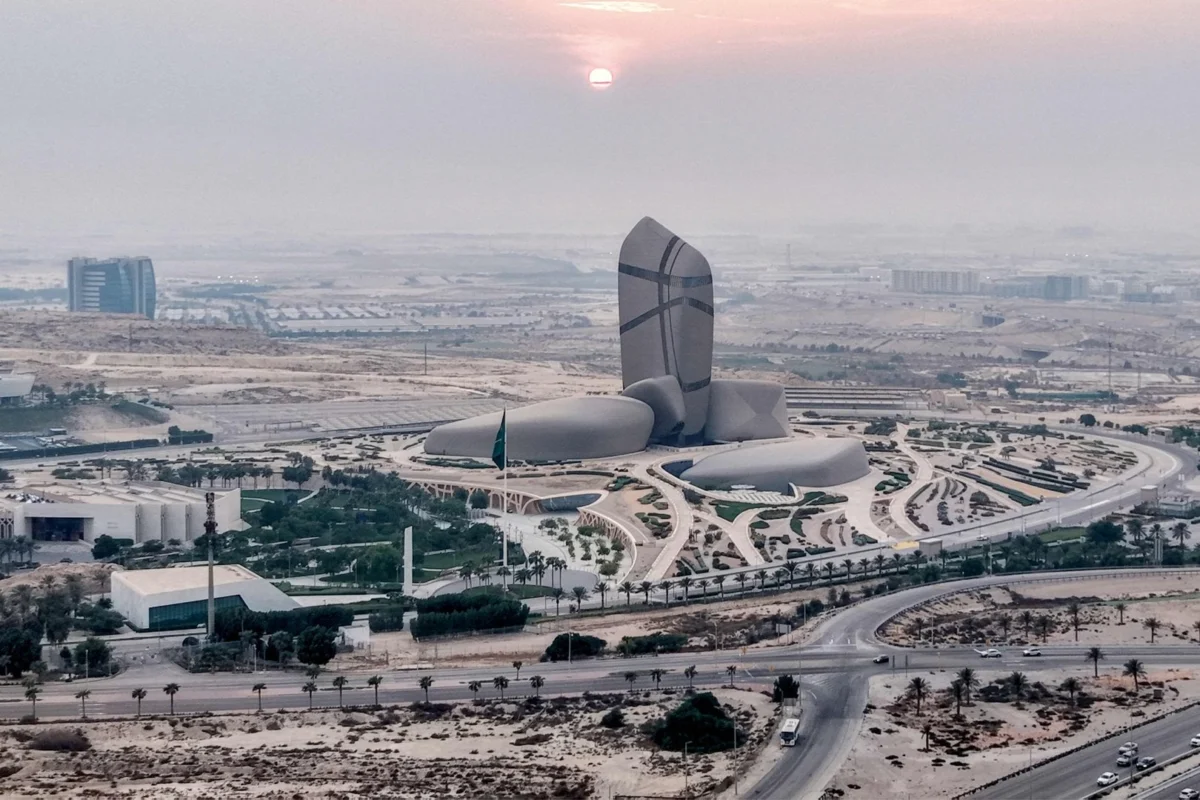
The geopolitical landscape in the Middle East has entered a period of extreme volatility, marked by a convergence of maritime sabotage, targeted violence, and a shifting security paradigm that threatens to draw the United States into a direct, high-intensity confrontation with Iran. Recent intelligence assessments, reinforced by a series of hostile incidents across the region, indicate that Tehran has significantly increased its focus on US diplomatic and military personnel.
As tensions escalate, Western governments and regional powers are scrambling to contain the fallout. This report provides a comprehensive overview of the current crisis, the tactical shifts in regional conflict, and the diplomatic maneuvers underway in Istanbul to prevent a total collapse of security in the Persian Gulf and the Levant.
1. Main Facts: A Multi-Front Conflict
The current crisis is not defined by a single event but by a convergence of three distinct theaters of conflict:
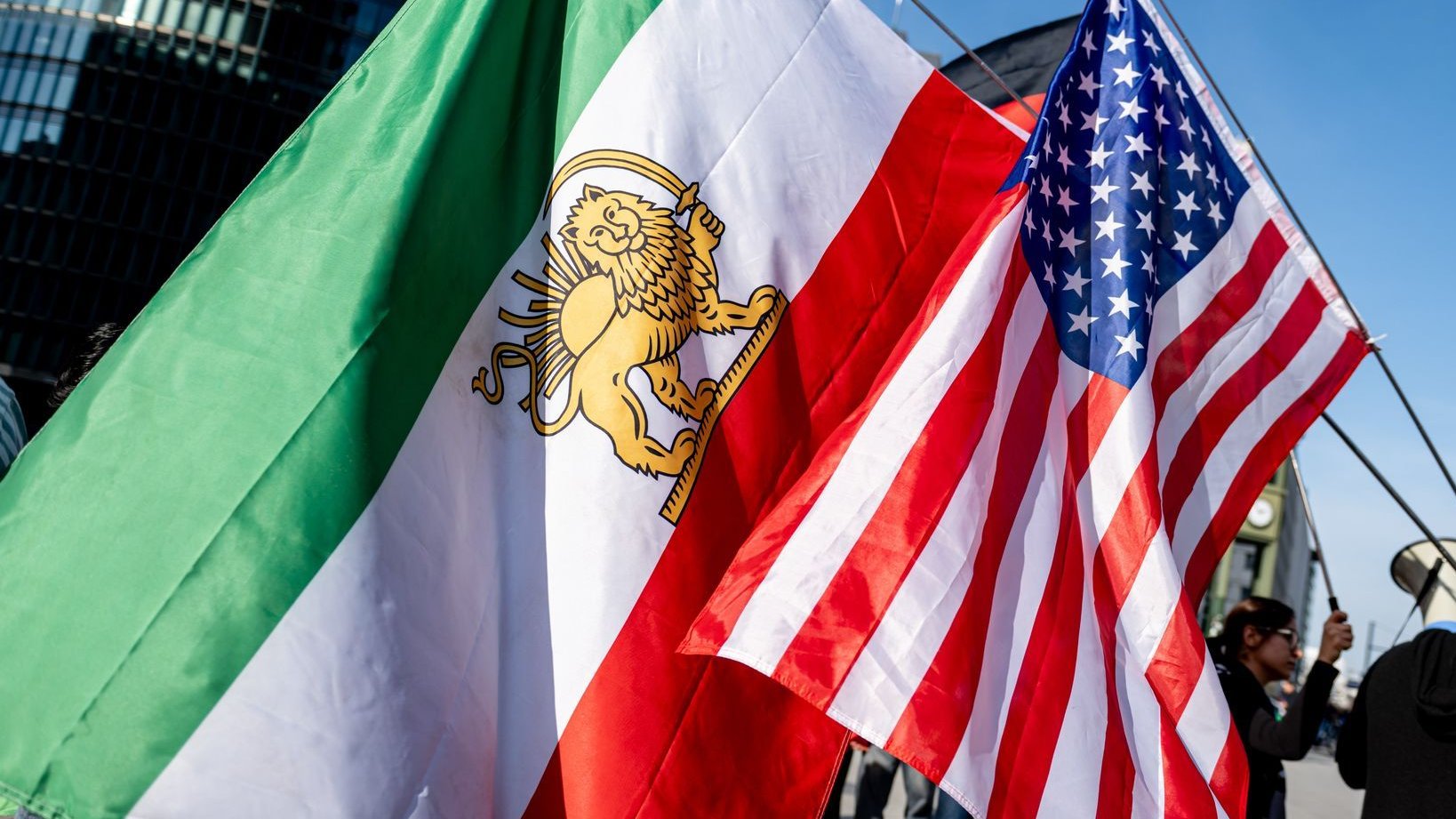
- Targeting of US Personnel: US intelligence reports, including a recent memorandum addressed to US Secretary of State Marco Rubio, suggest that Iran has moved from passive posturing to active, advanced planning for lethal attacks against American diplomats and officials stationed in the Middle East. This has triggered an emergency reduction of staff at several US diplomatic outposts.
- Maritime Sabotage: The Strait of Hormuz, a critical artery for global energy markets, has become a hotbed of tactical sabotage. Reports indicate the damage of seven oil tankers through a combination of drone strikes and naval mining, with the Iranian Revolutionary Guard Corps (IRGC) signaling that no "red lines" remain should the U.S. or Israel launch retaliatory strikes.
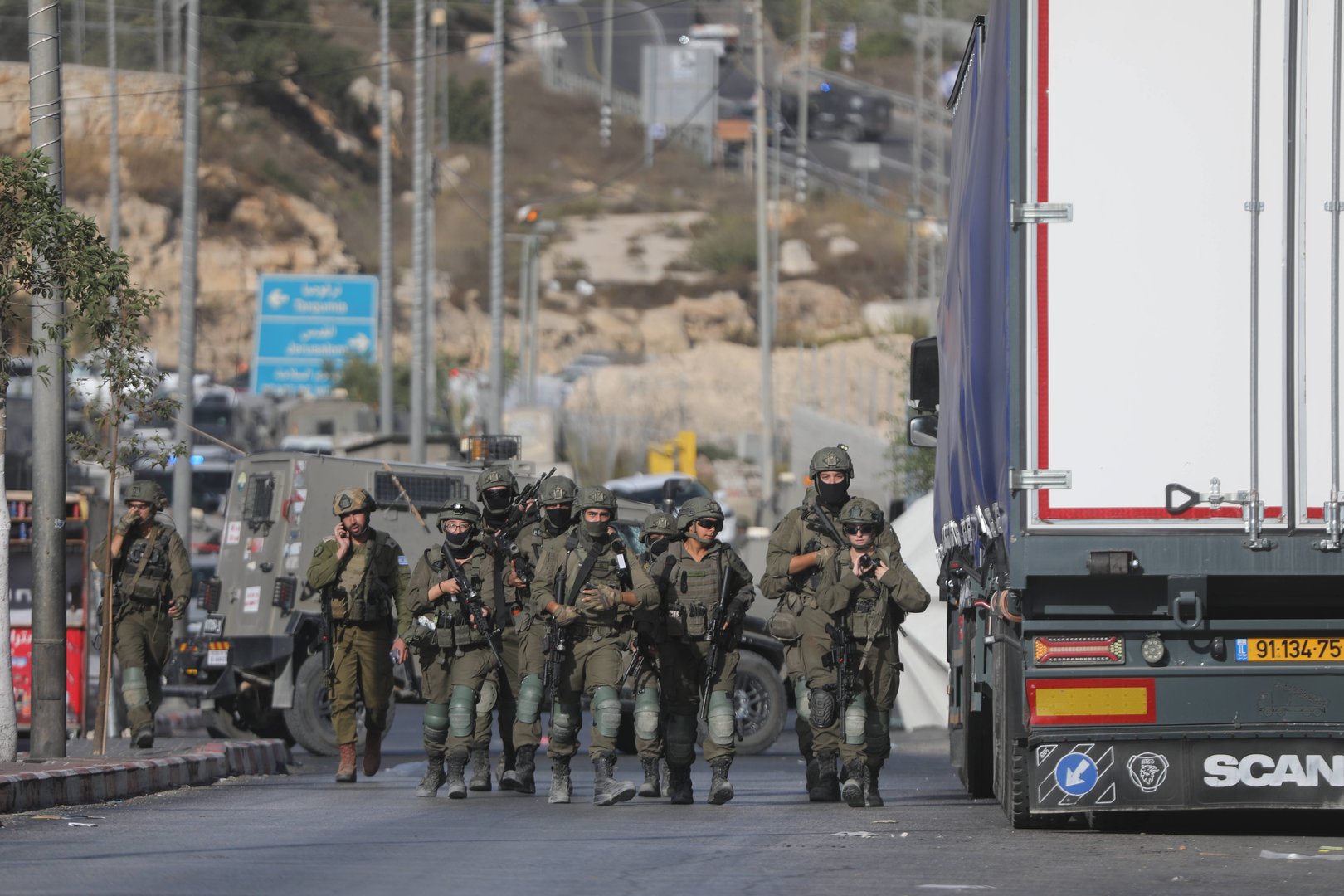
- The West Bank Tinderbox: Parallel to the regional naval conflict, Israel is managing an internal security crisis. Following the killing of two soldiers at a checkpoint near Hebron, Prime Minister Benjamin Netanyahu has ordered a full lockdown of the West Bank and announced aggressive measures, including the demolition of homes and large-scale military operations, drawing international scrutiny.
2. Chronology of Escalation
The recent spike in violence follows a pattern of tit-for-tat exchanges that have pushed the region toward the brink of open warfare:
- March: President Donald Trump decides to abort planned military strikes on Iranian energy infrastructure, a move that is now under investigation by the Commodity Futures Trading Commission (CFTC) due to suspicious oil market trading activity surrounding the decision.
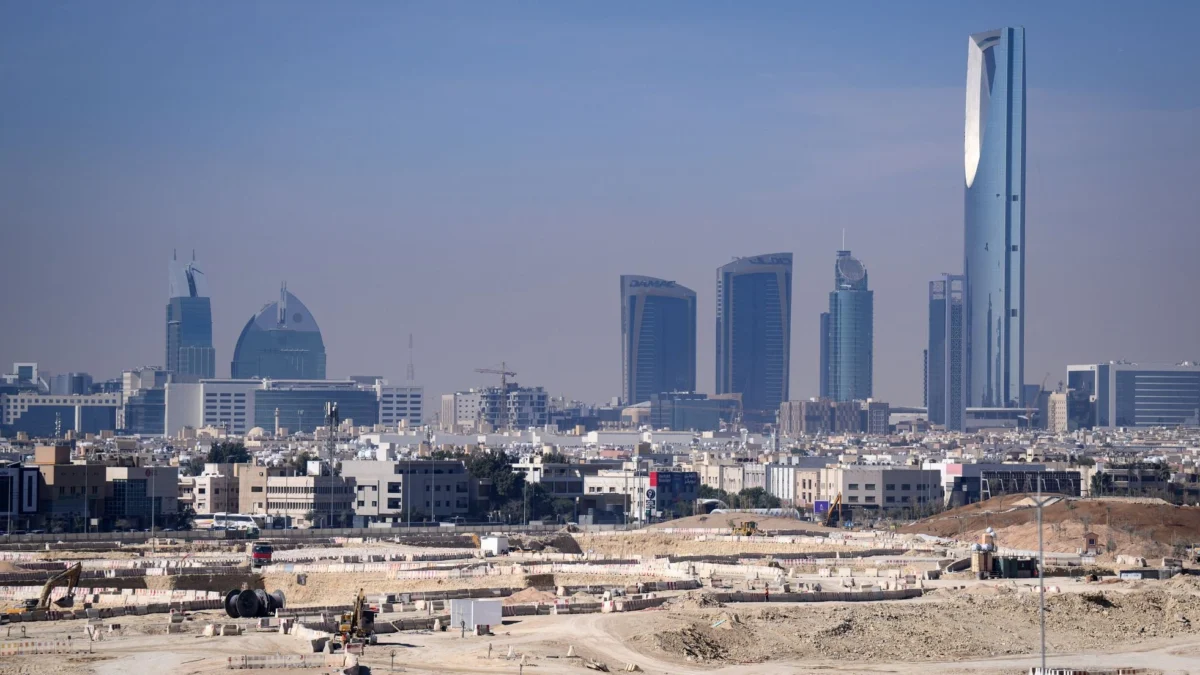
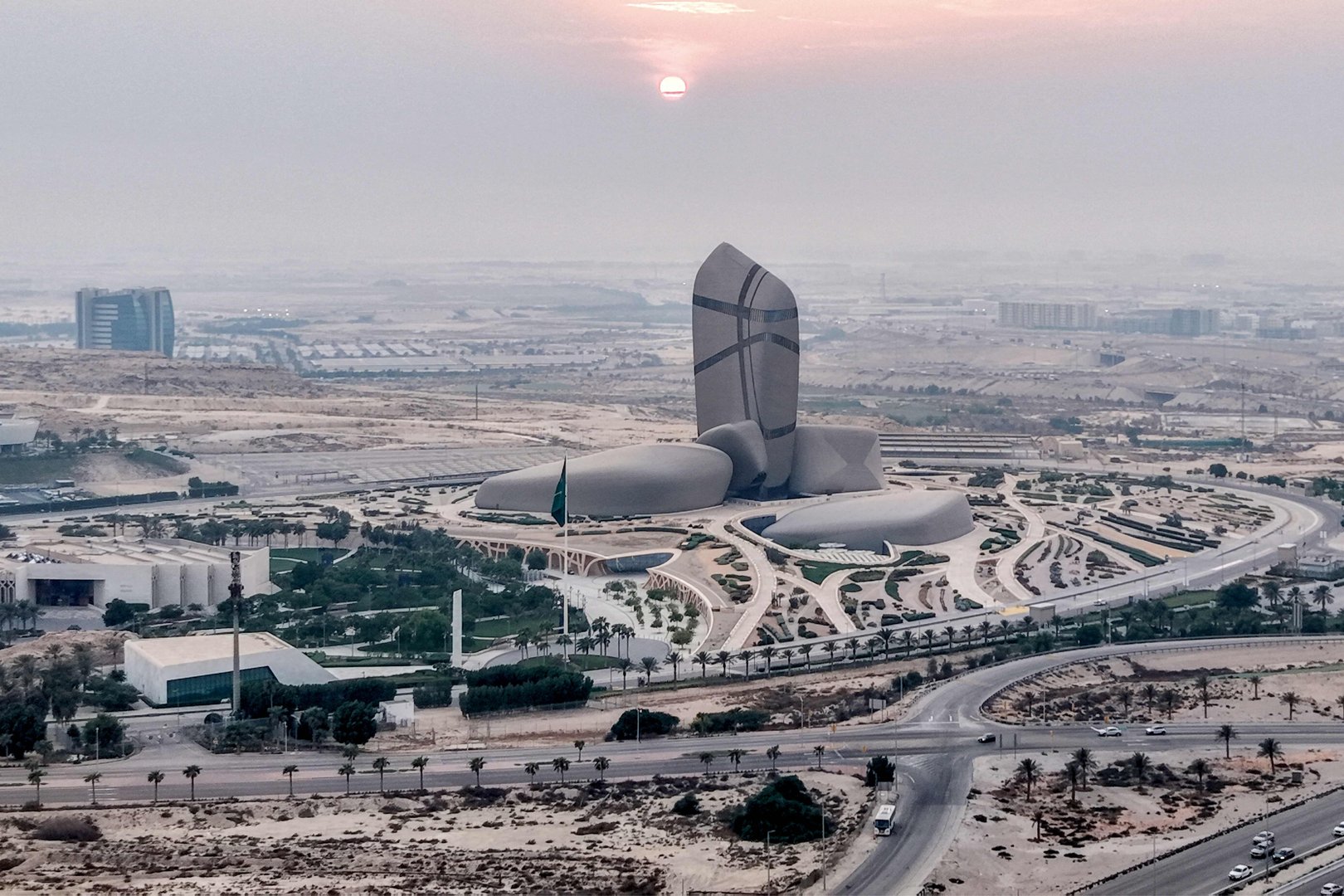
- Recent Weeks: Tensions escalated as the Houthi militia, an Iranian proxy, intensified its drone and missile strikes against Saudi Arabian energy infrastructure, including a damaging attack on the headquarters of Saudi Aramco.
- Friday, October 23:
- The Istanbul Summit: On the initiative of Germany and Turkey, a new diplomatic format brings together foreign ministers from Germany, France, the UK, Italy, Egypt, Pakistan, and Saudi Arabia to discuss the stabilization of maritime chokepoints.
- Hebron Incident: Two Israeli soldiers are killed by Palestinian attackers; the Israeli Defense Forces (IDF) respond by killing the assailants and launching a major operation to seal off Hebron and surrounding areas.
- Intelligence Disclosure: Reports surface via Axios regarding the Iranian plot to target US diplomats, citing high-level intelligence memos.
3. Supporting Data: The Economic and Strategic Impact
The conflict is no longer confined to military barracks; it is hitting the global economy directly.
- Energy Security: The disruption of oil transit in the Persian Gulf, compounded by attacks on Saudi infrastructure, has led to a surge in global fuel prices. The destruction of infrastructure, including the potential for future sabotage of the seven critical undersea data and communication cables in the Strait of Hormuz, poses a massive risk to global telecommunications and financial data flow.
- Diplomatic Exodus: The U.S. State Department’s decision to evacuate non-essential staff from Saudi Arabia and other Gulf states reflects the high-confidence intelligence that American personnel are being actively hunted.
- The "Epic Fury" Doctrine: President Trump’s rhetoric regarding "Operation Epic Fury"—a term used to describe the ongoing conflict with Iran—suggests that the U.S. military is preparing for a "small" but potentially high-impact engagement. Whether this occurs before or after the upcoming November 3rd elections remains the primary point of uncertainty in global markets.
4. Official Responses and Diplomatic Maneuvers
The Istanbul Summit
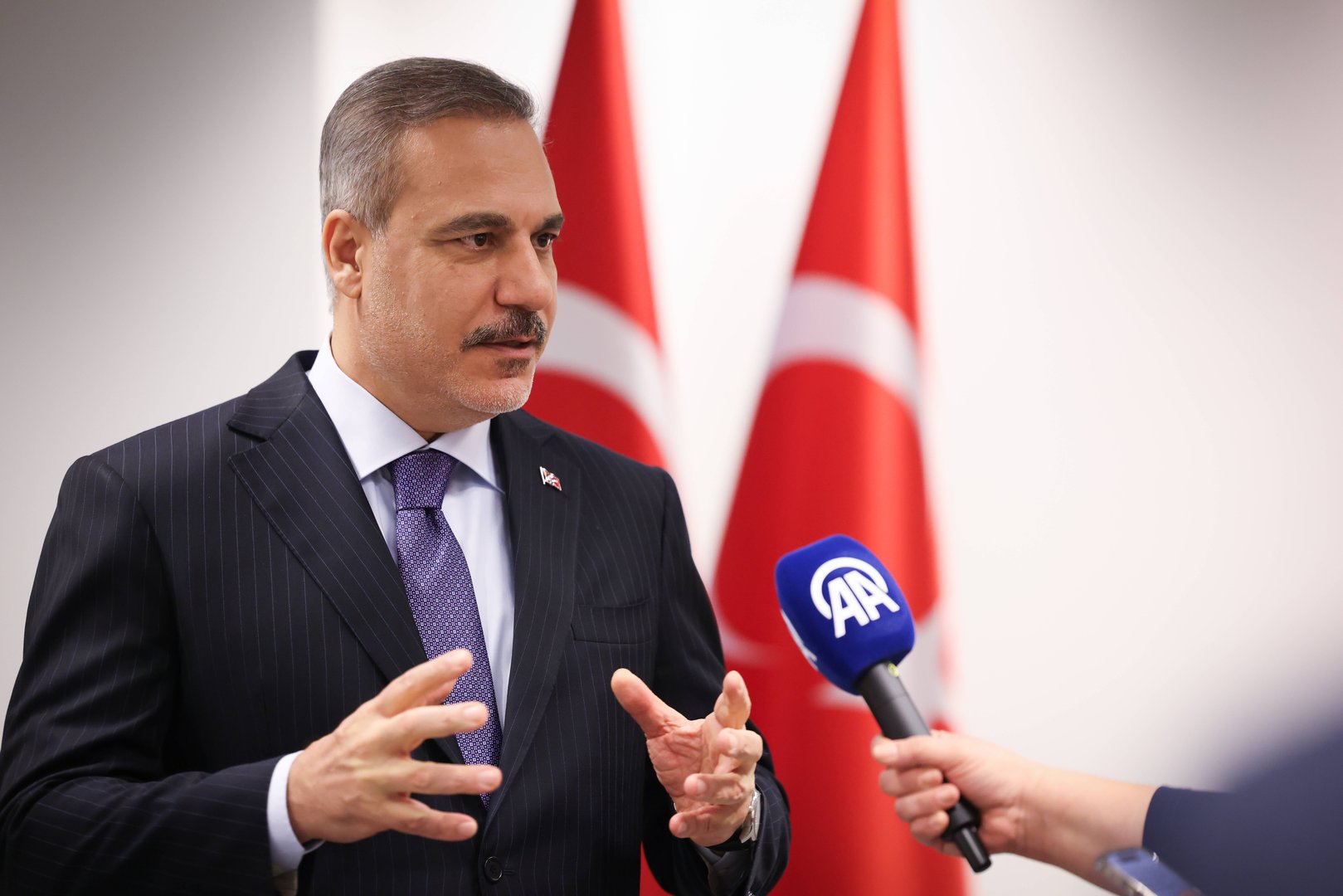
German Foreign Minister Johann Wadephul has taken a firm stance at the Istanbul meeting, emphasizing that the international community can no longer tolerate the "stranglehold" Iran and the Houthi rebels have on global energy and supply chains.
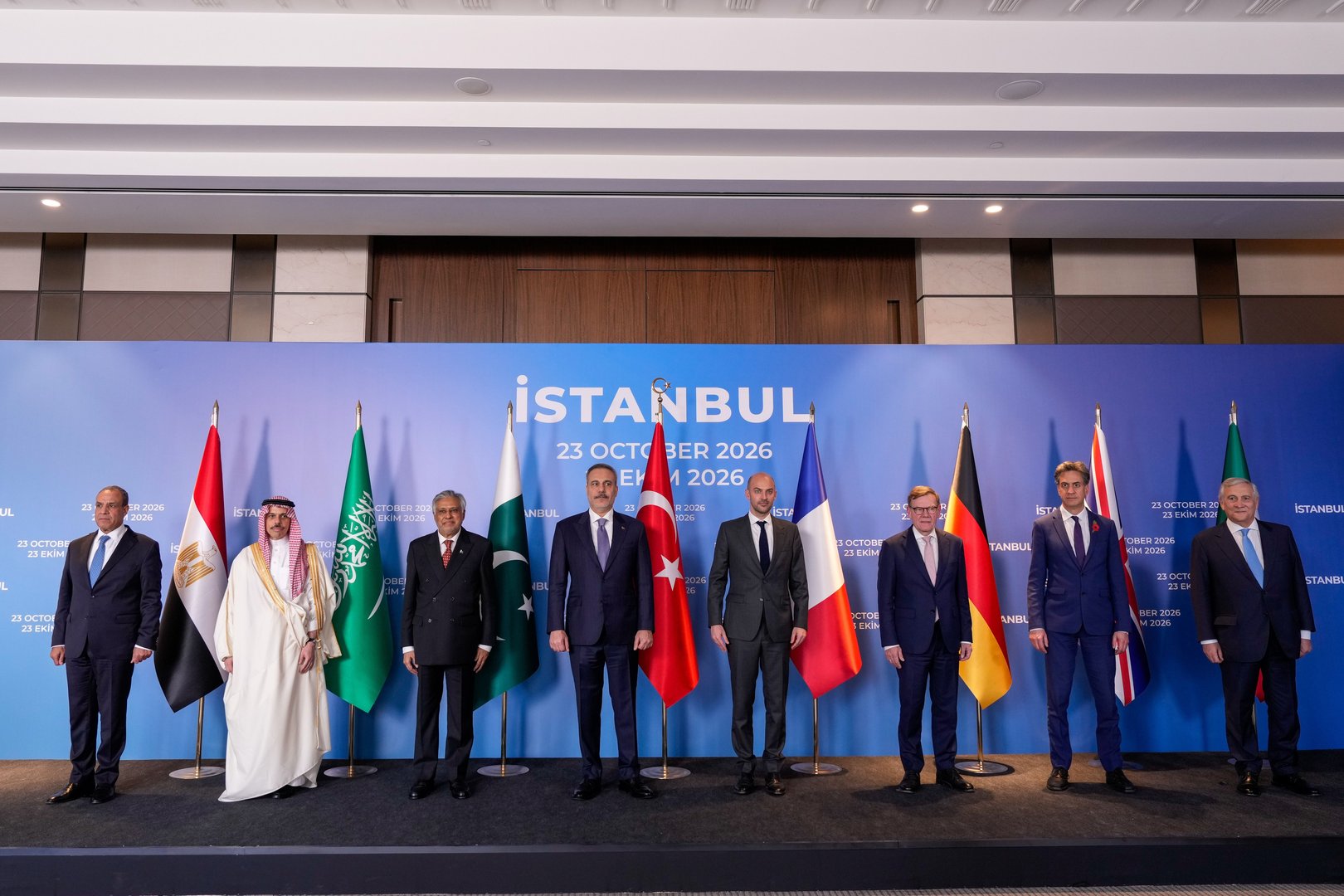
"We are sending a united signal: We will not accept the extortion of global trade," Wadephul stated. He also directed sharp criticism toward Moscow, accusing Russia of exacerbating food insecurity in the Global South through its blockade of grain shipments in the Black Sea.
The Iranian Position
Iranian Foreign Minister Abbas Araghchi, despite the prevailing climate of distrust, has attempted to open a diplomatic channel, proposing a "Seven-Day Plan" to reduce tensions. However, his rhetoric in the Financial Times was sobering: "We have no trust in the sincerity of the US desire for peace." Araghchi maintains that Iran’s geographic advantage gives it "unparalleled influence" over the Strait of Hormuz, a thinly veiled warning to the West.
The Israeli Stance
Prime Minister Benjamin Netanyahu has shifted the objective of the conflict. In a recent address, he declared that the ultimate goal of the Israeli security apparatus—including the Mossad—is no longer just containment, but the total removal of the current Iranian regime. Netanyahu claims this is the only way to permanently dismantle the threat posed by Iran’s nuclear ambitions, which he characterizes as an existential danger to the Jewish state.
5. Implications: A Region at the Breaking Point
The situation in the Middle East is characterized by a dangerous lack of guardrails. Several key implications emerge:
The Collapse of Regional Diplomacy
The fact that major powers—including Turkey, Germany, and the UK—are meeting in a new, ad-hoc format in Istanbul indicates that existing diplomatic structures (such as the UN or traditional bilateral talks) are failing to contain the crisis. The inclusion of Saudi Arabia, Egypt, and Pakistan suggests a desperate attempt to build a regional coalition capable of enforcing maritime security.
The Risk of Miscalculation
With U.S. and Israeli forces actively drafting plans for post-election military actions, the threshold for miscalculation is at an all-time high. Iran’s threat to target undersea communication cables represents an escalation into a "gray zone" of conflict that could cripple regional digital infrastructure, leading to a response that could quickly spiral into a full-scale kinetic war.
The Humanitarian Crisis
The situation in the West Bank is rapidly deteriorating. The call by hardline Israeli Security Minister Itamar Ben Gvir to dissolve the Palestinian Authority and restrict Palestinian movement on public roads is fueling a cycle of violence that makes any form of long-term peace process nearly impossible. As the Israeli military moves to demolish homes and enforce total lockdowns, the international community faces the challenge of addressing human rights violations while simultaneously trying to maintain a security partnership with Israel.
The U.S. Domestic Variable
With the November 3rd elections approaching, the conflict has become an electoral issue. President Trump’s vague statements about "something significant" happening soon have left both domestic and international observers on edge. The economic impact—specifically rising gasoline prices—is placing immense pressure on the administration to act, yet a military misstep could have devastating consequences for his re-election campaign.
Conclusion
The Middle East is currently a powder keg where local tactical actions—such as a checkpoint shooting or a tanker collision—carry the risk of triggering a regional conflagration. The shift from proxy-led skirmishes to direct threats against U.S. diplomatic personnel and the infrastructure of the global internet marks a new, more dangerous phase in the conflict.
As foreign ministers gather in Istanbul to seek a path toward stability, the reality remains that the actors involved—Tehran, Washington, and Jerusalem—are currently operating on conflicting strategic timelines. Unless a significant diplomatic breakthrough is achieved in the coming days, the region appears to be sliding toward a period of intense and unpredictable conflict, with the global economy caught in the middle.