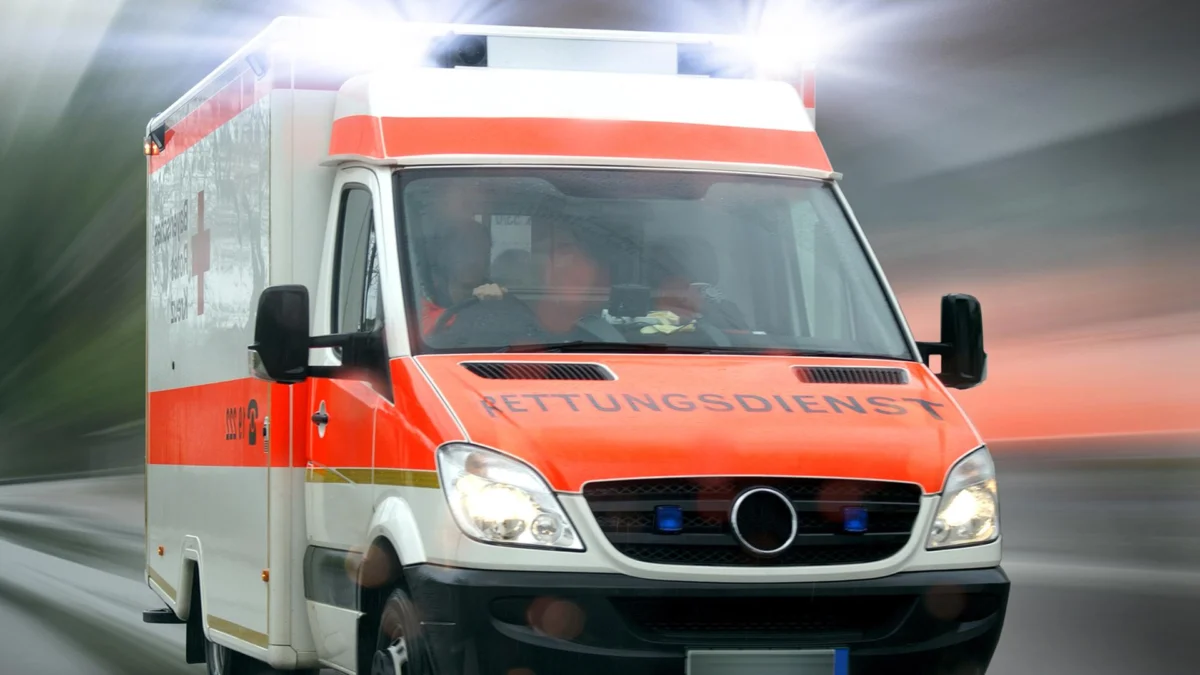
A Tuesday afternoon in Chemnitz turned into a scene of chaos as a 37-year-old man, reportedly under the influence of alcohol and drugs, launched a destructive rampage before turning his dog against responding police officers. The incident, which paralyzed a local area and left public infrastructure severely damaged, has sparked a discussion on public safety and animal control protocols.
Main Facts: A City Under Siege
On Tuesday, October 21, 2026, the quiet rhythm of a Chemnitz neighborhood was violently interrupted. Shortly after 3:00 PM, emergency dispatchers began receiving urgent calls from concerned citizens reporting a man in a highly erratic and aggressive state. According to witness statements provided to the Chemnitz Police Department, the suspect was navigating public spaces with an unleashed dog, behaving in a manner that terrorized passersby.
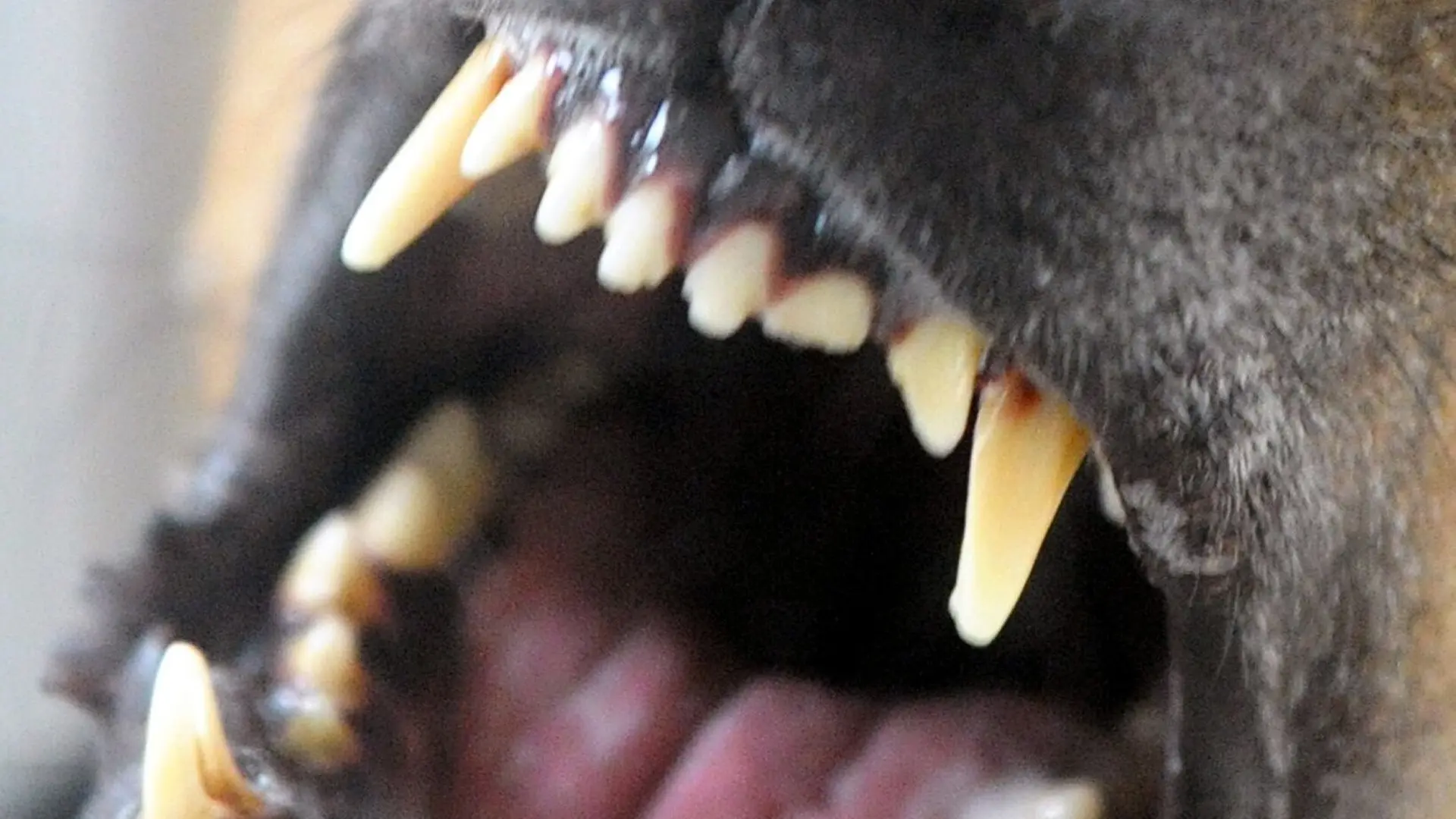
The individual’s behavior was not merely a public nuisance; it was an active threat to public safety. Reports indicate that he was seen shouting incoherently at pedestrians and obstructing traffic, creating an environment of fear for drivers and walkers alike. By the time law enforcement arrived on the scene, the situation had escalated significantly, with the suspect demonstrating clear signs of intoxication—specifically, police confirmed that he was under the influence of both alcohol and narcotics.
Chronology of the Incident
The sequence of events unfolded rapidly, leaving little room for de-escalation by civilians.

- 15:00 – 15:15: The suspect began his public disturbance, wandering the streets and acting aggressively toward anyone in his path.
- 15:20: The situation turned from verbal harassment to physical destruction. The man reportedly turned his aggression toward public and private property. Witnesses watched in horror as he kicked parked vehicles and utilized a tactical-style knife to systematically slash and shatter the windows of several cars.
- 15:30: The suspect targeted a public transport stop, smashing the glass panels of the shelter. During this spree of destruction, witnesses also observed him physically abusing the animal accompanying him, raising concerns regarding animal welfare alongside the public danger.
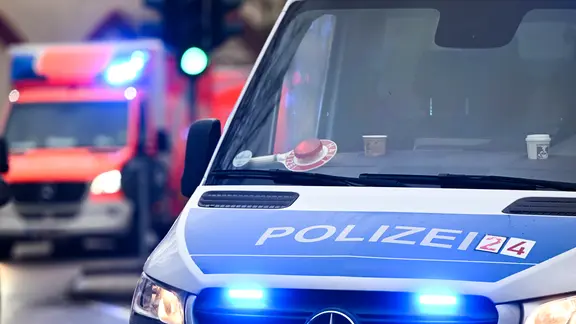
- 15:40: Police units arrived on the scene to find the suspect in a state of high agitation. Upon their attempt to detain him, the suspect actively resisted arrest by weaponizing his dog, commanding the animal to attack the officers.
- 15:45 – 16:00: A tense standoff ensued. Officers repeatedly commanded the suspect to stand down and regain control of his dog. When these verbal commands were ignored, officers were forced to escalate their tactical stance, drawing their service weapons and preparing non-lethal deterrents, such as pepper spray.
- 16:05: Recognizing the imminent threat of force, the suspect finally capitulated. He was taken into custody without further physical confrontation.
Supporting Data and Tactical Response
The intervention required a precise balance of force. Police officials noted that the presence of the dog significantly complicated the arrest. Using a canine as a weapon constitutes a "deadly force" scenario in many jurisdictions, as the potential for permanent injury to the officers is extreme.
The decision to warn the suspect that they were prepared to use both pepper spray and their service weapons was a measured attempt to end the threat without discharging firearms. Following the arrest, the suspect was not taken directly to a holding cell; due to his compromised mental and physical state, he was transported to a specialized psychiatric facility for evaluation.
Simultaneously, the dog—which had been the subject of the man’s abuse—was taken into the custody of local animal welfare authorities. It has since been relocated to a municipal animal shelter, where it will be assessed for behavioral issues and the long-term effects of the trauma it suffered under the suspect’s ownership.
Official Responses and Legal Implications
The Chemnitz Police Department has confirmed that a robust list of charges is being filed against the 37-year-old. The legal proceedings will cover a broad spectrum of offenses, reflecting the gravity of his actions.

"The safety of our citizens is paramount, and the use of an animal to commit an assault on police officers is an exceptionally grave offense," a department spokesperson stated. The charges include, but are not limited to:
- Assault on law enforcement officers: Specifically, the attempt to use a canine as a weapon.
- Property damage: Relating to the destruction of vehicles and the transit shelter.
- Violations of the Animal Protection Act: Due to the reported physical abuse of the dog.
- Weapons Act violations: Regarding the possession and use of the knife to damage property.
Legal experts suggest that given the combination of substance abuse and the clear intent to use the dog as a weapon, the prosecutor is likely to seek a significant custodial sentence, potentially coupled with a long-term prohibition on the suspect from owning animals in the future.

Implications: The Broader Social Context
This incident has reopened a vital dialogue within the Chemnitz community regarding public safety and the intersection of mental health and substance abuse.
The Role of Mental Health and Drugs
The fact that the suspect was under the influence of a "cocktail" of substances highlights the ongoing struggle with addiction in urban centers. Advocates for social reform point out that incidents of this nature are often the "end stage" of a cycle of untreated mental health crises. The question for local policymakers is whether the police response—while necessary—could be preceded by better mental health outreach programs that might identify such individuals before they reach a breaking point.
Animal Welfare and Public Risk
The treatment of the dog has drawn sharp criticism from animal rights groups. The incident highlights a dangerous trend where animals are being exploited by unstable individuals, leading to tragic outcomes for both the public and the animals themselves. There are calls for stricter enforcement of existing laws that allow for the temporary removal of pets from owners who exhibit clear signs of erratic, violent, or abusive behavior.
Infrastructure and Community Resilience
The destruction of the bus shelter serves as a reminder of the fragility of urban infrastructure. While the cost of replacing glass and repairing vehicles is quantifiable, the "social cost"—the feeling of insecurity among residents who witnessed the rampage—is harder to repair. Community leaders have called for increased police presence in the area to reassure residents and deter similar incidents in the future.
Looking Forward
As the investigation continues, the Chemnitz community is left to process the events of a Tuesday afternoon that turned into a nightmare. For the police, it remains a case study in de-escalation and the dangers inherent in modern policing. For the residents of the affected area, it is a call for greater awareness and the strengthening of social support systems.
The suspect remains in medical care, and his legal fate will be decided in the coming months. In the meantime, the dog is receiving care at the shelter, representing the hope that even in the aftermath of a violent outburst, there is a path toward rehabilitation for the innocent victims involved.

This event in Chemnitz serves as a stark reminder that while the machinery of a city—its transit, its roads, and its public spaces—seems permanent, it is only as safe as the people who inhabit it. The actions of one individual, compounded by substance abuse and disregard for the safety of others, have ripple effects that touch every member of the community. Moving forward, the city must grapple with how to better integrate mental health resources with law enforcement to ensure that future "afternoons in Chemnitz" remain peaceful and secure.