The fragile security landscape of the West Bank has fractured once again, as a violent confrontation in Hebron has triggered a massive military response from the Israel Defense Forces (IDF). Coming just days before critical national elections in Israel, the incident has reignited debates over the intersection of security policy, regional stability, and the political instrumentalization of the Israeli-Palestinian conflict.
The Hebron Incident: A Chronology of Violence
On Friday, the quiet of a routine day in Hebron—a city uniquely divided by the presence of Israeli settlers residing in the heart of a densely populated Palestinian urban center—was shattered by gunfire. According to security reports and photographic evidence, two assailants launched an attack on an Israeli checkpoint.
The intensity of the assault was documented in harrowing imagery circulated by international news agencies: one assailant, armed with a pistol, was captured on camera maneuvering through a hail of gunfire, while another was seen brandishing an M16 rifle. The ensuing firefight resulted in the deaths of two Israeli personnel and the fatal shooting of the two Palestinian attackers.
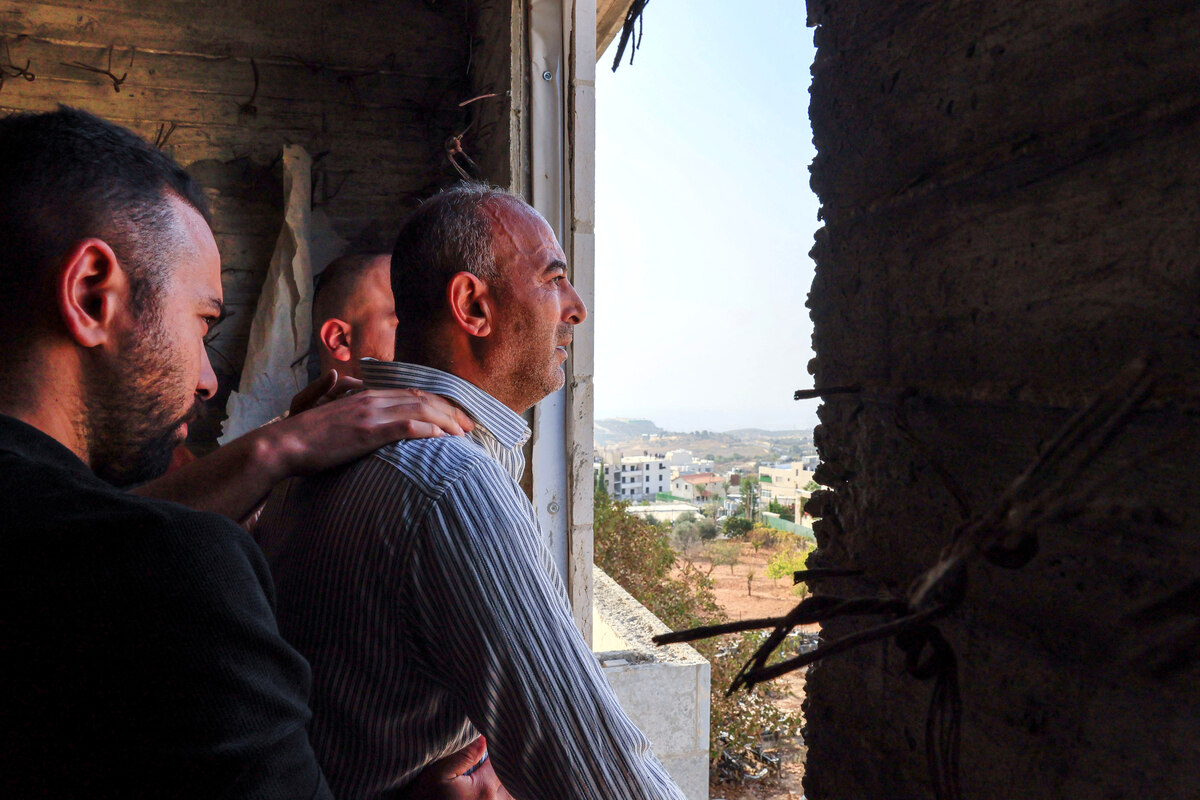
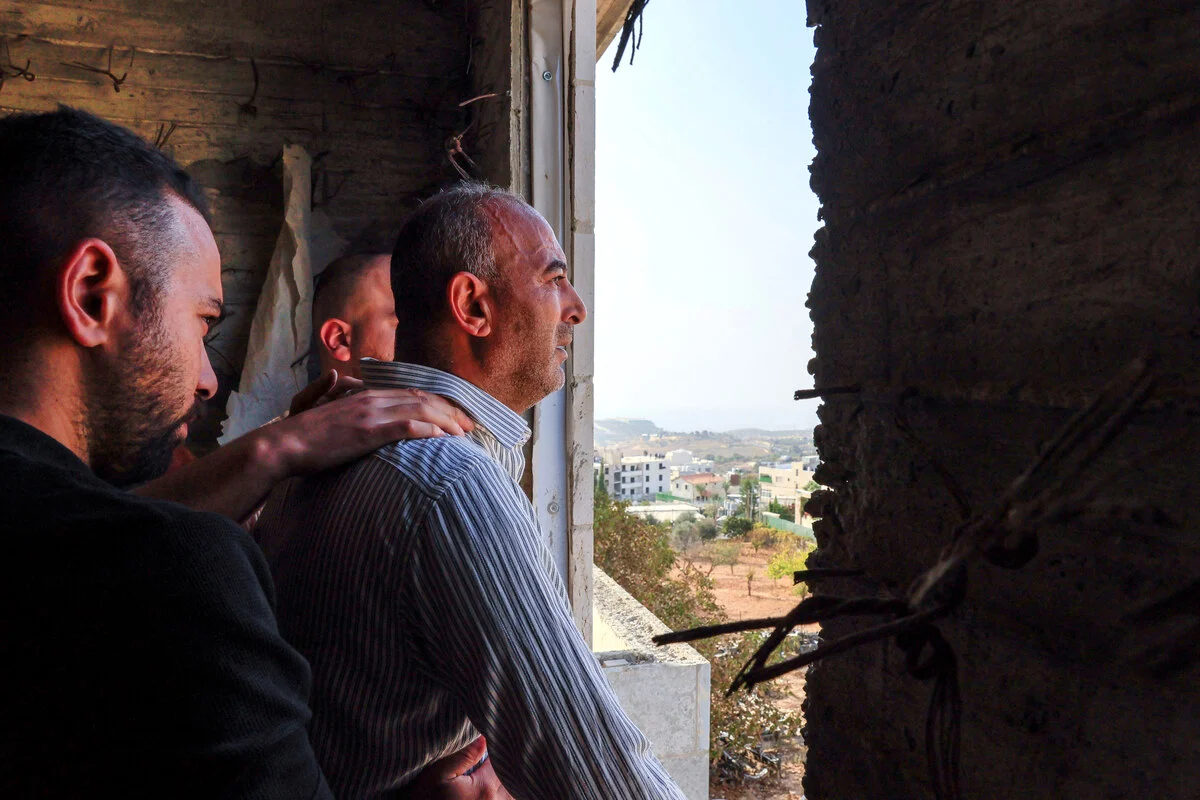
Military investigators later identified the assailants as members of the same family residing in Hebron. An inspection of the vehicle used by the attackers yielded a cache of ammunition, suggesting a premeditated operation. While the Hamas militant group publicly lauded the attack as a "heroic operation," the organization stopped short of issuing a formal, direct claim of responsibility.
The Anatomy of the Response: Abriegelung and Razzien
In the immediate aftermath, the Israeli military initiated a comprehensive operational lockdown of the Hebron region. This maneuver, locally termed "Abriegelung," involves the systematic sealing of access points, the deployment of additional infantry units, and a surge in intelligence-driven raids within neighboring Palestinian villages.
The atmosphere in the city has grown increasingly volatile. Footage emerging from the area depicts thick plumes of tear gas, chaotic scenes of civilians fleeing, and the distinct sounds of flashbang grenades. The Palestinian news agency Wafa reported that at least one individual sustained severe injuries during these operations. Beyond the immediate radius of the attack, the IDF has established roadblocks across major arteries connecting Palestinian villages in both the southern and northern sectors of the West Bank, effectively paralyzing local transit.

Official Responses and Strategic Shifts
Prime Minister Benjamin Netanjahu, addressing the nation via social media, expressed support for the conduct of the troops involved and underscored a hardening of policy. "I have instructed the IDF to seal off the city of Hebron immediately and implement additional security measures to prevent terrorist attacks emanating from Judea and Samaria," Netanjahu stated, explicitly using the biblical terminology favored by his coalition.
The Prime Minister’s rhetoric has been matched by concrete punitive measures proposed by his cabinet. Finance Minister Bezalel Smotrich, who maintains significant control over the Civil Administration and settlement expansion in the West Bank’s "Area C," announced the immediate demolition of several Palestinian structures located in the vicinity of the attack, labeling them illegal.
In a particularly aggressive pivot, Netanjahu has promised a fundamental change in military strategy. In a video address, he indicated that the military would apply a new, "aggressive" model to the region, drawing parallels to the recent, highly controversial operations in various refugee camps. "We will do something that has not been done before," he declared, framing the current crackdown as a necessary evolution in combating what he describes as "terrorist strongholds."

The Political Context: Elections and Instrumentalization
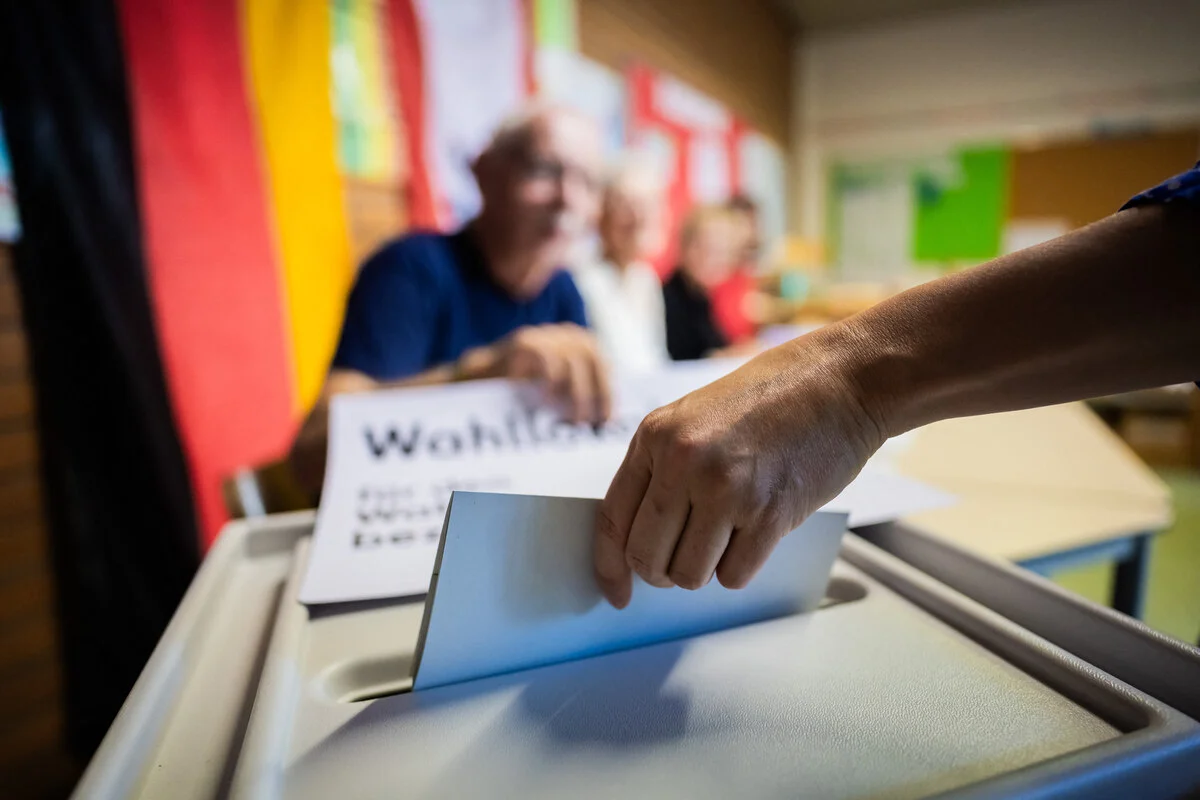
The timing of this violent flare-up has drawn intense scrutiny from political analysts and international observers. With national elections scheduled for this coming Tuesday, the specter of a "security surge" is being viewed by many as a calculated political move.
Reports from the Times of Israel suggest that a total lockdown of the West Bank had been under consideration for the Monday and Tuesday of the election cycle well before the attack occurred. This has led to widespread speculation: is the current military operation a direct, reactive necessity, or is it a pre-planned display of strength designed to bolster the incumbent government’s "security-first" credentials among a polarized electorate? The Prime Minister’s office has remained silent regarding inquiries into whether these security measures were slated for implementation prior to the Friday incident.
A Legacy of Displacement and Escalation
The current tension cannot be divorced from the broader, systemic changes occurring in the West Bank. In early 2025, the Israeli military oversaw the expulsion of approximately 35,000 Palestinians from three major refugee camps in the West Bank. The subsequent destruction or severe damage to these infrastructures has left thousands displaced, with the military maintaining an active presence that prohibits the return of the original inhabitants.

Human rights organizations have consistently characterized these actions as collective punishment—a violation of international law. The Prime Minister’s recent rhetoric, praising "heroic settlers" as a "model for the people of Israel," further signals an emboldened approach toward the future of the occupied territories. International law maintains that all Israeli settlements in the West Bank are illegal, yet the current discourse in Israeli government circles appears to be moving toward a policy of permanent, deep-rooted control and expansion.
Implications for the Future
The implications of the upcoming election are vast. As Israel prepares to cast its votes, the electorate remains deeply divided over the state’s identity, the management of the occupation, and the path forward regarding the Palestinian question. Experts like Peter Lintl have noted that the Arab vote could be a decisive factor in preventing a hard-right victory, yet the current climate of violence and insecurity often serves to benefit those campaigning on platforms of strength and national unity.
The "largest military operation since 1967," which the Prime Minister has alluded to, remains a vague but ominous promise. As the military continues its search-and-arrest operations across the West Bank, the potential for further escalation is high. The cycle of violence, retribution, and political maneuvering continues to erode the prospects for a long-term diplomatic resolution, trapping both Israelis and Palestinians in a recurring loop of volatility.

Ultimately, the events in Hebron are a microcosm of a much larger struggle. Whether through the lens of national security, the rights of the displaced, or the internal political survival of the Israeli government, the situation in the West Bank remains one of the most volatile flashpoints in the world. As the election approaches, the only certainty is that the residents of the region—on both sides of the divide—will continue to bear the immediate, daily cost of these high-level political and military decisions.