The global energy landscape is currently navigating a period of extreme volatility, characterized by a convergence of geopolitical friction in the Middle East and precarious supply chains. As crude oil prices climb toward record levels and natural gas valuations threaten to breach multi-year highs, the international community is bracing for an "expensive winter." Market participants are increasingly concerned that the delicate balance between supply and demand is being systematically undermined by military escalations and regional instability.
The Current State of Energy Markets
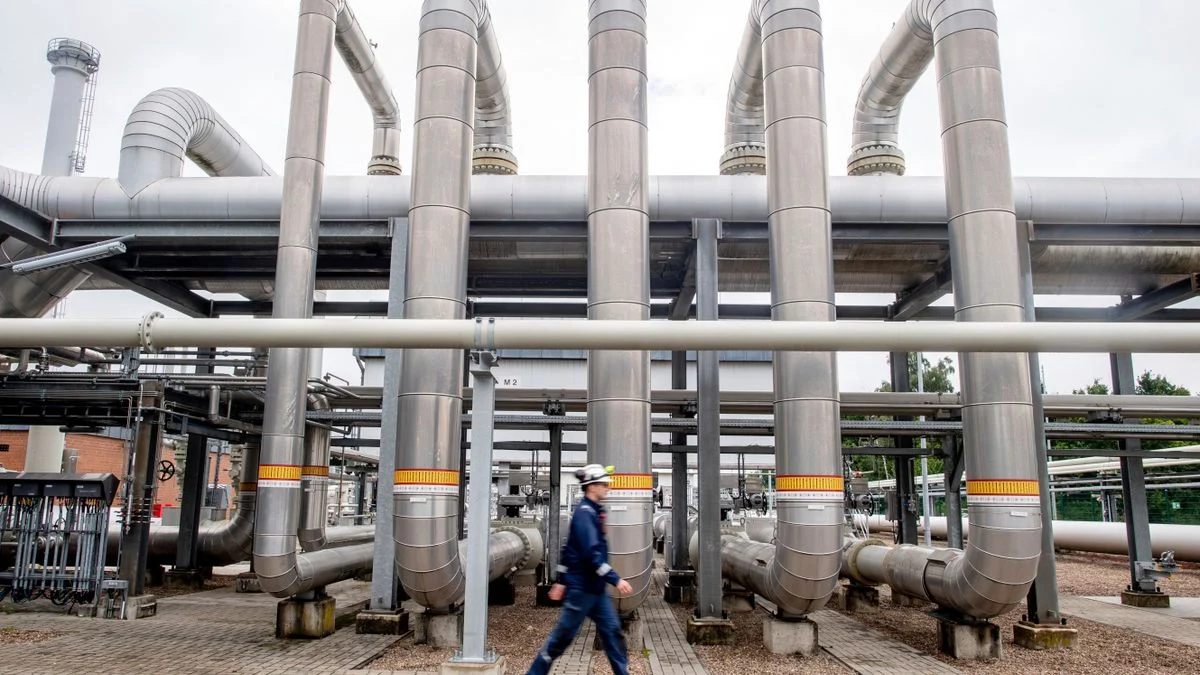
Recent trading sessions have underscored the fragility of energy stability. Natural gas prices have surged, recording a 2.64 percent increase in a single day—a sharp contrast to the previous week, during which prices had briefly dipped below the 70-euro threshold. This upward trajectory places the market dangerously close to the record-breaking highs witnessed in September, when prices peaked at 84.50 euros per megawatt-hour.
Simultaneously, the crude oil market has reacted with comparable intensity. Brent crude, the international benchmark for oil sourced from the North Sea, saw its price for December delivery climb by 2.26 percent to 102.56 US dollars per barrel. This rally is not merely a technical correction but a reflection of deep-seated anxieties regarding the security of energy corridors and the potential for a wider conflict.
A Chronology of Escalation: From Rhetoric to Reality
The current market spike finds its roots in a series of rapidly unfolding events that have transformed the Middle East into a flashpoint for global economic anxiety.
The Washington-Teheran Standoff
The most significant catalyst for the recent price surge is a report from the magazine The Atlantic, which suggests a major shift in United States strategy regarding Iran. According to sources within the administration, the White House has requested the Pentagon to develop viable military options for strikes against Iran. Crucially, these plans are being evaluated for potential execution prior to the upcoming US midterm elections in November.
This report has sent shockwaves through global financial markets, as it directly contradicts the prevailing assumption that the administration of Donald Trump would favor de-escalation in the period leading up to the polls. While deliberations regarding the scope, objectives, and feasibility of such military actions are reportedly still ongoing, the mere existence of these plans has acted as a primary driver for risk premiums in the oil market.
Maritime Instability and Regional Retaliation
The geopolitical risk is not limited to theoretical strike scenarios. Actual kinetic activity has already begun to impact shipping lanes. The British authority for maritime security, UKMTO, recently confirmed that a tanker was fired upon approximately 90 kilometers north of the Gulf emirate of Qatar. Such incidents serve as a grim reminder that critical maritime chokepoints are vulnerable to disruption.
The response from regional powers has been swift and kinetic. In reaction to ongoing attacks on domestic airports, Saudi Arabia launched a comprehensive military operation against Houthi militia positions in Yemen. Spokesperson Turki al-Maliki stated that the coalition forces destroyed 82 military targets across the provinces of Saada, Marib, Al-Dschauf, and Al-Hudaida. This cycle of strike and counter-strike highlights the regionalization of the conflict, drawing more players into a web of insecurity that directly threatens energy infrastructure.
Supporting Data and Economic Realities
The economic implications of these developments are being felt acutely at the grassroots level. Consumers across Europe and the globe are facing a "cost-of-energy" crisis that shows little sign of abating.
The Consumer Burden
Whether at the gas pump or in heating bills, the upward pressure on energy prices is inescapable. Despite government interventions—such as the tax relief measures implemented in certain regions since early October—pump prices remain stubbornly high. The disconnect between government efforts to subsidize costs and the actual price paid by the consumer suggests that market-driven supply constraints are currently outpacing policy intervention.
Structural Supply Challenges
Beyond the geopolitical headlines, structural issues continue to plague the market. Saul Kavonic, an analyst at MST Marquee, noted to Bloomberg: "The supplies from the Middle East have recovered, but the tight supply of oil products, extremely high transportation costs, and the significant risk of an Iranian escalation are keeping prices at a high level."
Furthermore, environmental factors are compounding the supply crunch. The emergence of a powerful hurricane in the Gulf of Mexico has necessitated the evacuation of platforms and the pausing of production facilities. Michael Brennan, director of the National Hurricane Center, warned that the storm poses "life-threatening impacts" along the northern Gulf coast. Given the concentration of energy infrastructure in this region, any prolonged disruption to production or refining capacity could tighten an already fragile global supply chain even further.
Official Responses and Strategic Calculus
The international community is currently trapped in a reactive posture. The US administration’s alleged interest in tactical options against Iran represents a gamble that prioritizes regional containment over market stability. Analysts suggest that if the US proceeds with even limited strikes, the volatility currently observed in the markets will likely shift from a "risk premium" phase to a "supply shock" phase.
Saudi Arabia’s aggressive posture in the Yemen conflict is similarly viewed as a strategic necessity by Riyadh, aimed at securing its domestic energy infrastructure from drone and missile attacks. However, this posture contributes to the perception of a region in total war, which is inherently bearish for oil production stability.
Implications for the Global Economy
The long-term implications of this energy crisis are profound and multifaceted:
- Inflationary Pressures: Sustained high energy prices are acting as a tax on the global economy, stifling discretionary spending and forcing central banks to consider interest rate adjustments that may threaten post-pandemic growth.
- Energy Transition Acceleration: The current crisis is forcing governments to re-evaluate their reliance on volatile fossil fuel markets. While the immediate focus is on securing supply, the medium-term impact is an accelerated investment in renewable energy infrastructure as a means of achieving energy sovereignty.
- Geopolitical Realignment: The ongoing conflict is testing alliances. Countries that are net importers of energy are being forced to navigate a difficult diplomatic path between maintaining relations with the United States and ensuring that their energy security is not compromised by US-led regional confrontations.
- Supply Chain Fragility: The incident in the Persian Gulf confirms that the "just-in-time" model for global energy distribution is ill-equipped for periods of geopolitical conflict. Expect to see increased calls for the fortification of maritime corridors and a diversification of import routes.
Conclusion
As the winter season approaches, the world remains in a state of high alert. The synergy between a potential US-Iran escalation, ongoing regional conflicts in the Gulf, and the threat of severe weather events creates a "perfect storm" for energy markets. The price of Brent crude and the volatility of natural gas are no longer just commodities—they have become the primary barometers of global geopolitical stability.
For the average citizen, the outlook is sobering. As governments struggle to balance the need for military posturing with the necessity of maintaining economic stability, the consumer remains the primary victim of the rising cost of energy. Until a diplomatic off-ramp is found in the Middle East or supply-side pressures are alleviated through sustained production increases, the era of high energy prices is likely to persist, serving as a constant, expensive reminder of how interconnected our modern world is—and how quickly that connection can be severed by the drums of war.