Leipzig, Germany – As the crisp autumn air settles over the historic streets of Saxony, the city of Leipzig is once again transforming its cultural epicenter into a theater of glamour, tradition, and political discourse. The 31st Leipzig Opera Ball, an event that serves as both a bastion of high-society elegance and a lightning rod for contemporary social tensions, is preparing to welcome 2,000 guests. This year, the event promises to marry the opulence of the ballroom with a Mediterranean aesthetic, all while navigating the complexities of public scrutiny.
The Main Facts: A Night of Tradition and Transformation
The Leipzig Opera Ball is not merely a social gathering; it is a vital organ of the city’s cultural identity. For over three decades, the event has defined the social calendar in the region, drawing high-profile figures from politics, business, and the arts. As the red carpet is rolled out across the steps of the iconic Leipzig Opera House—a meticulous process requiring precision and care—the internal transformation of the building is equally dramatic.
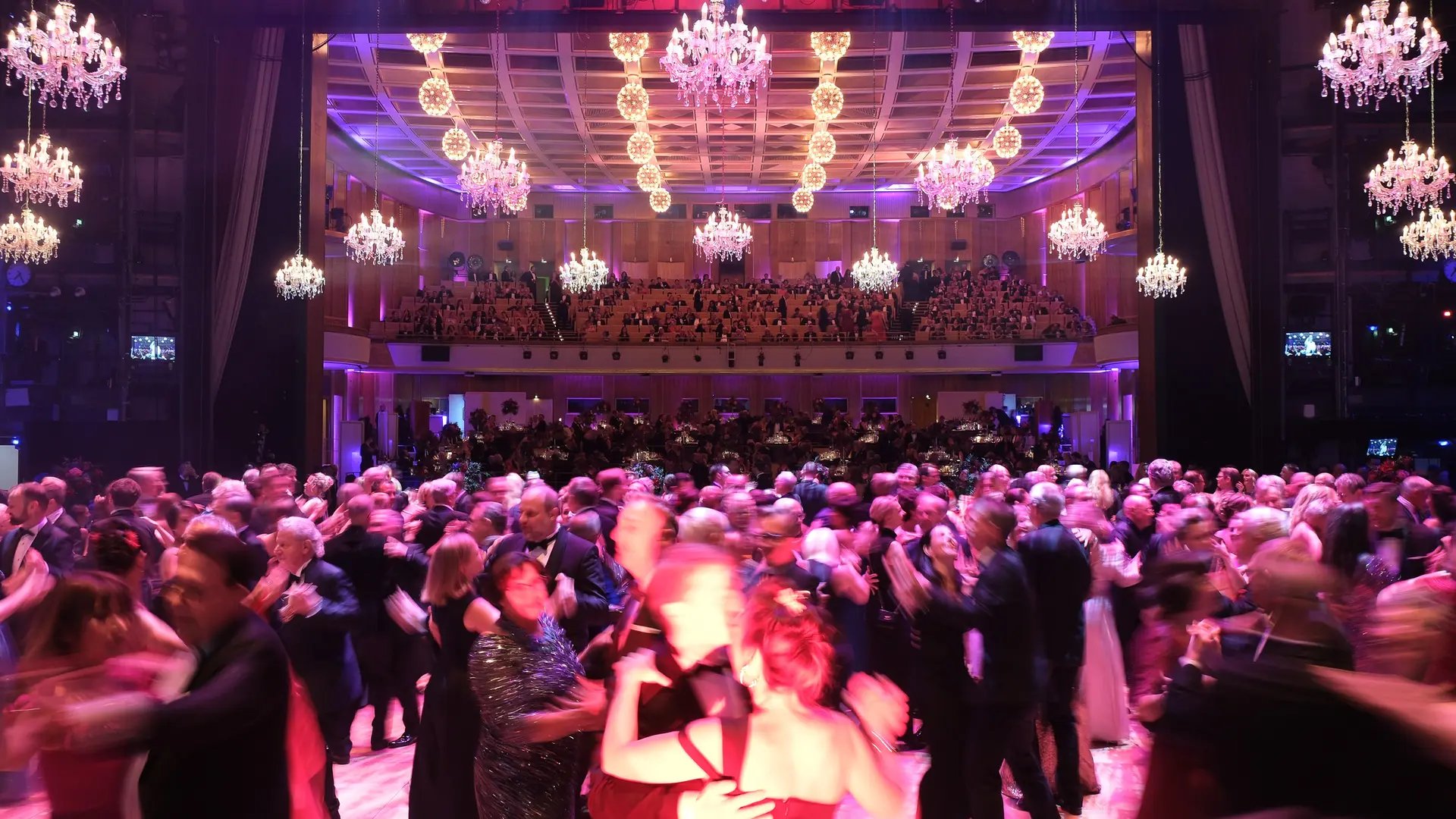
This year’s edition, held on a Saturday, maintains its reputation for grandeur. The centerpiece, as always, is the transformation of the main opera hall into a sprawling, multi-tiered banquet space. The seating arrangements, the floral arrangements, and the atmospheric lighting are designed to evoke an atmosphere of exclusivity. However, the organizers are keen to emphasize that the ball is not intended to be an ivory-tower experience for the elite alone. Instead, they position it as a celebration for the people of Leipzig and the surrounding region, seeking to bridge the gap between high culture and the public sphere.
The theme for this year, "Kalispera Thessaloniki" (Good evening, Thessaloniki), is a poignant nod to the enduring 40-year-plus city partnership between Leipzig and the Greek metropolis. This thematic choice permeates every detail of the evening, from the culinary offerings to the visual motifs of olive branches and Aegean blues, turning the German operatic stage into a bridge between cultures.

A Chronology of the Event: From Preparation to Gala
The logistics of the Leipzig Opera Ball are a marvel of event management, operating on a timeline that demands perfection.
- Friday, 48 Hours Prior: The meticulous process of readying the venue begins. The red carpet is installed on the opera house steps, ensuring a seamless arrival for the 2,000 expected attendees. Interior crews work around the clock to transform the stage and auditorium, installing bespoke flooring for dancing and long-table banquet setups.
- Saturday Morning: Final sound checks and lighting rehearsals are conducted. The focus shifts to hospitality, as catering teams integrate the "Thessaloniki" theme into the menus, sourcing local and Mediterranean ingredients to honor the partnership.
- Saturday Evening (The Gala): The doors open. The arrival of guests, including notable figures such as writer Benjamin von Stuckrad-Barre and singer Jessica Wahls, marks the beginning of the evening. The program includes traditional ballroom dancing, live orchestral performances, and speeches honoring the cultural exchange with Greece.
- Post-Event Cleanup: By Sunday, the grand transformation is reversed, returning the opera house to its primary function—the performance of classical and contemporary operas.
Supporting Data: Behind the Numbers
The scale of the event is a testament to its significance in the German cultural landscape. With a capacity of 2,000 guests, the ball is one of the largest of its kind in the federal state of Saxony.
- Cultural Economic Impact: Beyond the ticket sales, the event generates significant revenue for local hospitality, transportation, and service sectors.
- The "Thessaloniki" Connection: The 40-year partnership is more than a symbolic gesture. Data from the Leipzig City Council indicates that this relationship has fostered significant academic and cultural exchange programs, which the ball helps to fund and promote.
- Historical Context: Now in its 31st iteration, the ball has survived economic shifts, structural changes in the city, and the evolving nature of public events in the digital age.
The Shadow of Controversy: The Lindemann Precedent
While this year’s ball focuses on Greek hospitality, it is impossible to ignore the echoes of last year’s event. The 30th edition was marred by a significant public backlash following the invitation of Till Lindemann, the frontman of the band Rammstein.
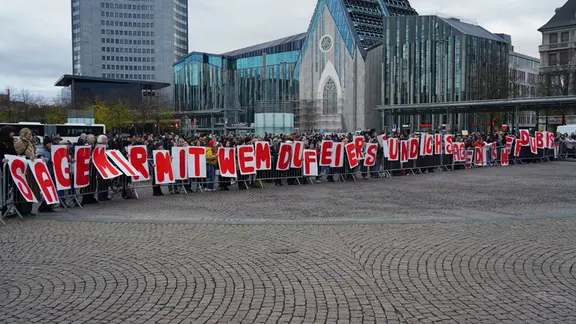
The presence of the controversial musician triggered protests by hundreds of activists, who gathered outside the venue. The demonstration, led by left-wing groups, was not merely a protest against an individual but a broader critique of the institutional normalization of figures accused of misconduct. The protest served as a stark reminder that the opera house, while a space for art, exists within a city that is politically active and highly sensitive to issues of social justice.

This year, the atmosphere remains vigilant. While there is no specific figure at the center of a firestorm, the legacy of the previous protest remains in the minds of the organizers. They have been careful to balance the "glamour" of the evening with a more community-focused narrative, likely a strategic attempt to reclaim the event’s reputation as an inclusive, rather than exclusive, institution.
Official Responses: Organizers vs. Public Sentiment
The organizers of the ball, through their communications, have consistently framed the event as a celebration of civic pride. "The ball is not just for the elite," a spokesperson for the event stated, responding to inquiries about the perceived exclusivity of the ticket prices and the gala’s structure. "It is a festival for the people of Leipzig and the surrounding area. It is a moment for the city to shine on an international stage."

However, this rhetoric often clashes with the reality of the protest culture that has emerged in the city. The activists who picketed the 30th ball argued that the event serves as a platform for the wealthy to isolate themselves from the systemic problems facing the general population. The organizers’ response to this has been to highlight the charitable aspects of the ball, often partnering with local foundations to ensure a portion of the proceeds supports regional social projects.
Public sentiment is divided. For many, the ball is a welcome tradition that brings vitality and tourism to Leipzig. For others, it is an archaic display of wealth that feels disconnected from the working-class roots of the region.

The Broader Implications: Culture in a Polarized Society
The Leipzig Opera Ball serves as a microcosm of the current state of German culture. It highlights the tension between the desire to preserve traditional, high-culture events and the growing demand for social accountability in public spaces.
The Role of the Venue
The opera house is a public institution, and its use for a private, ticketed gala raises fundamental questions about public space. When an event hosted in a building funded by taxpayers becomes a site of controversy, the state is forced to decide where it stands. Does the opera house have a duty to remain neutral, or should it exercise discretion over who is welcomed into its halls?
The Evolution of the "Society Event"
The traditional gala is changing. The days when such events could operate without scrutiny are long gone. In the age of social media, every attendee is a potential headline, and every guest list is a political statement. The decision to honor the partnership with Thessaloniki is a safe, diplomatic choice, but it also reflects a need for the ball to project a more global, humanitarian image in the wake of the domestic PR challenges of previous years.
The Future of Civic Celebration
As we look toward the future of events like the Leipzig Opera Ball, the challenge lies in maintaining relevance. The younger generation, increasingly focused on sustainability, equality, and radical transparency, may view the traditional ball model as outdated. To survive another 30 years, the organizers must prove that the event is capable of more than just superficial glamour. It must prove that it can serve as a space for genuine dialogue, not just a stage for the status quo.

Conclusion: A Delicate Balancing Act
The 31st Leipzig Opera Ball stands at a crossroads. By choosing to center the event on the partnership with Thessaloniki, the organizers are attempting to steer the narrative toward unity and cultural appreciation. They are betting that the public will embrace a theme of international cooperation, effectively turning the page on the discord of the past.
Yet, the presence of security, the memory of the protests, and the ever-present scrutiny of the public indicate that the era of "business as usual" for such gala events is effectively over. The ball is now an event that must justify its existence not just through the beauty of its decor or the exclusivity of its guest list, but through its role as a responsible, socially conscious member of the Leipzig community.

As the chandeliers dim and the first notes of the orchestra fill the hall, the guests will undoubtedly be focused on the dance floor and the conversation at their tables. But outside those doors, the city will be watching—a reminder that in modern Leipzig, the spectacle of the ball is no longer just about the dance, but about the values of the society that chooses to attend it.