Introduction: A Foundation Shaken
The modern internet is built upon layers of invisible, complex architecture. At the heart of this digital ecosystem lies PHP, a server-side scripting language that powers a vast majority of the world’s websites, from small personal blogs to the critical infrastructure of government agencies and hospitals. In late October 2026, that foundation was brought to the brink of collapse following the discovery of a severe, easily exploitable security vulnerability within the PHP language.
The discovery triggered a global emergency response, forcing IT administrators, government bodies, and private enterprises into a race against time. In Germany, the Chaos Computer Club (CCC)—Europe’s largest association of hackers—and the Federal Office for Information Security (BSI) led a coordinated effort to mitigate the damage. While initial reports suggest that widespread catastrophe was averted through proactive shutdowns and rapid patching, the incident serves as a sobering reminder of the fragility inherent in our interconnected digital world.
The Nature of the Vulnerability: A High-Stakes Threat
The vulnerability, which has sent shockwaves through the cybersecurity community, is classified as a critical flaw with a severity rating of 9.6 out of 10. In technical terms, this vulnerability allows remote attackers to execute unauthorized code on affected servers without requiring authentication.
Because PHP is so deeply embedded in web server software, the exploit effectively provides a "skeleton key" to countless databases and applications. An attacker gaining control over a server can steal sensitive user data, deploy ransomware, or turn the compromised infrastructure into a staging ground for further, more malicious attacks. Experts have highlighted that the ease with which this vulnerability can be leveraged—often referred to as "low-barrier exploitation"—is what makes it particularly dangerous. It does not require a highly sophisticated state-sponsored actor to cause significant damage; even script kiddies or automated botnets could potentially wreak havoc on unpatched systems.
Chronology of the Crisis: October 2026
The crisis unfolded with startling speed, testing the resilience of digital defenses across Europe.
- October 21, 2026: Initial intelligence regarding the vulnerability reached cybersecurity watchdogs. Analysts identified that the flaw was not merely a localized bug but a systemic issue within the PHP core.
- October 22, 2026 (Early Morning): The BSI issued an urgent, high-level alert, categorizing the threat as "extraordinarily high." They recommended that all operators of PHP-based systems apply patches immediately or, if an update was not yet feasible, take their web presence offline to prevent unauthorized access.
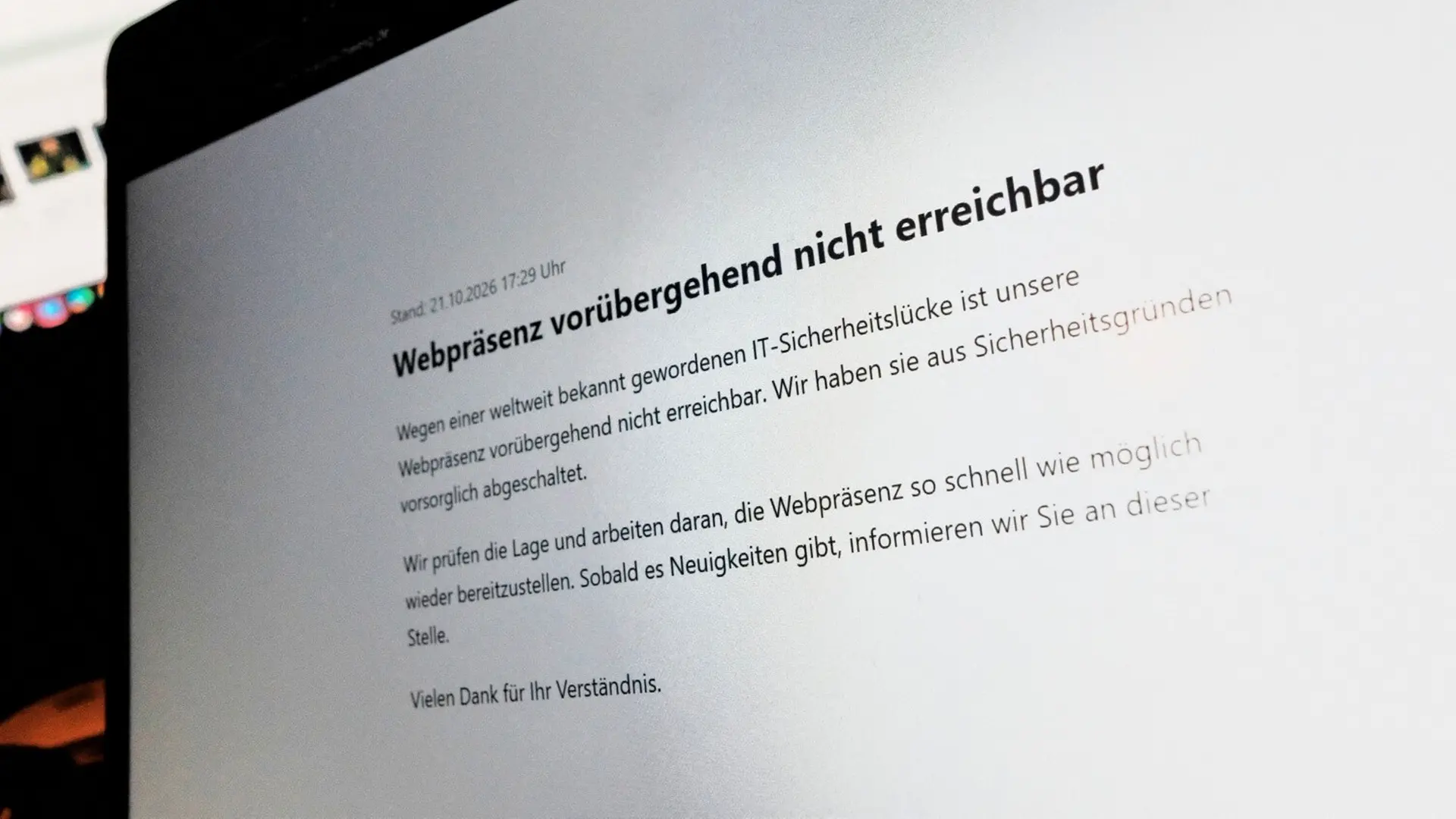
- October 22, 2026 (Mid-day): As the news broke, a cascade of shutdowns began. Across Germany, municipal portals, university servers, and clinical websites—including the Städtisches Klinikum Braunschweig—displayed "Service Temporarily Unavailable" notices. This was not an indication of a hack, but rather a deliberate defensive posture adopted by IT teams to protect user data.
- October 23, 2026: By the following morning, the focus shifted to remediation. While the primary danger had been contained through isolation, thousands of smaller entities and private businesses began the arduous process of updating their server environments.
The German Response: A Coordinated Defensive Effort
The response in Germany was characterized by a pragmatic, albeit disruptive, approach. Rather than waiting for evidence of an exploit, many organizations chose the "scorched earth" policy of disconnecting their services entirely.
Municipal and Institutional Challenges
In the states of Saxony, Saxony-Anhalt, and Thuringia, the impact was felt acutely. Numerous government websites, including those for the Thuringian state police, the interior ministry, and the state chancellery, were taken offline. In Saxony, the city of Dresden opted for a full shutdown to facilitate a secure patch deployment.
Martin Steffen, managing director of the IT service provider KID Magdeburg GmbH, which oversees the digital infrastructure for approximately 130 municipalities in Saxony-Anhalt, defended the move. "It is a trade-off between the temporary unavailability of internet presence and potentially successful attacks," he noted. This sentiment was echoed across the country; for many, the reputational cost of a brief outage was far preferable to the catastrophic loss of citizen data that a successful breach would entail.
The Role of the Chaos Computer Club (CCC)
Jochim Selzer, an expert from the Chaos Computer Club, provided a cautiously optimistic assessment of the situation. According to Selzer, many initial automated attacks "ran into a void" because systems were either updated with lightning speed or taken offline before they could be compromised.
"So far, we have gotten away with a black eye," Selzer told MDR Aktuell. However, he emphasized that this should not be mistaken for a permanent resolution. While the immediate danger to most institutional servers has passed, the "long tail" of the vulnerability remains: smaller, less-maintained websites, personal servers, and older internet-of-things (IoT) devices like routers and firewalls may remain vulnerable for weeks or months to come.
Implications: The New Normal of Digital Vulnerability
This incident serves as a case study for the structural weaknesses of the modern internet. As we become increasingly reliant on open-source frameworks and standardized coding languages, the "bus factor" of our digital infrastructure increases. When a core component like PHP is compromised, the entire global network trembles.
The Rise of AI-Driven Threats
Perhaps the most concerning takeaway from this event is the warning provided by experts like Selzer regarding the future of cybersecurity. As Artificial Intelligence becomes more adept at scanning source code, the time between the discovery of a vulnerability and the mass exploitation of that vulnerability is shrinking.

"Through Artificial Intelligence, vulnerabilities will be found faster and more comprehensively," Selzer warned. We are entering an era where human response times may no longer be sufficient. In the future, the ability to patch systems—or to automatically isolate compromised segments of a network—must be handled by automated security protocols, not manual intervention.
The Myth of "Individual Safety"
While private individuals were not the primary targets of this wave of attacks, they are not immune to the fallout. The crisis highlighted how deep the "web of trust" goes. When a citizen’s hospital, health insurance portal, or local municipality is compromised, the individual’s sensitive data is the ultimate currency being traded. Even if the citizen is not a direct victim of a phishing attack, the loss of access to critical public services represents a functional collapse that can disrupt lives and businesses.
Moving Forward: Lessons for the Future
The PHP crisis of 2026 has provided several critical lessons for the cybersecurity community and policymakers alike:
- The Necessity of Agility: The success of the defense was largely due to the speed at which organizations were willing to pull the plug. Organizations must develop robust, pre-tested emergency protocols that allow them to transition to offline states without paralyzing their essential operations.
- Supply Chain Transparency: PHP is a dependency for millions of services. The incident highlights the need for better "Software Bill of Materials" (SBOM) tracking, so that organizations know exactly where their dependencies lie and can act instantly when a component in their supply chain is flagged as vulnerable.
- Investment in Maintenance: Much of the web still runs on "legacy" configurations that are difficult to update. Governments and enterprises must pivot from a model of "build and forget" to one of "continuous maintenance."
- International Cooperation: Cyber vulnerabilities do not respect borders. The rapid dissemination of threat intelligence by the BSI and other international bodies was crucial to the global response. Strengthening these channels of communication is essential for the next inevitable "zero-day" event.
Conclusion
As the digital dust settles, the events of October 2026 stand as a testament to both our vulnerability and our collective capacity for defense. The internet remained functional, not because it was inherently secure, but because human ingenuity and administrative caution were deployed in time to prevent disaster.
However, the threat landscape is evolving. As cyber-adversaries harness AI to accelerate their attacks, our defensive strategies must undergo a similar transformation. The PHP crisis was a warning shot—a loud, clear signal that the foundations of our digital world require constant vigilance, rapid investment, and a renewed commitment to secure-by-design architecture. We survived this encounter, but in the evolving theater of cyber-warfare, there are no permanent victories, only the readiness for the next challenge.