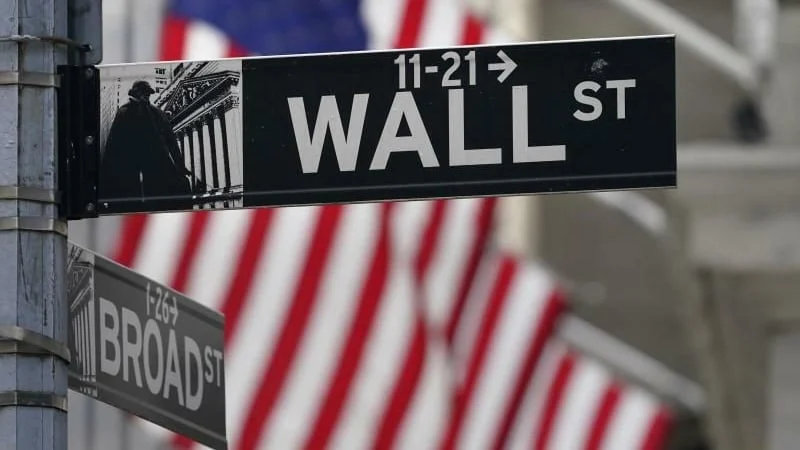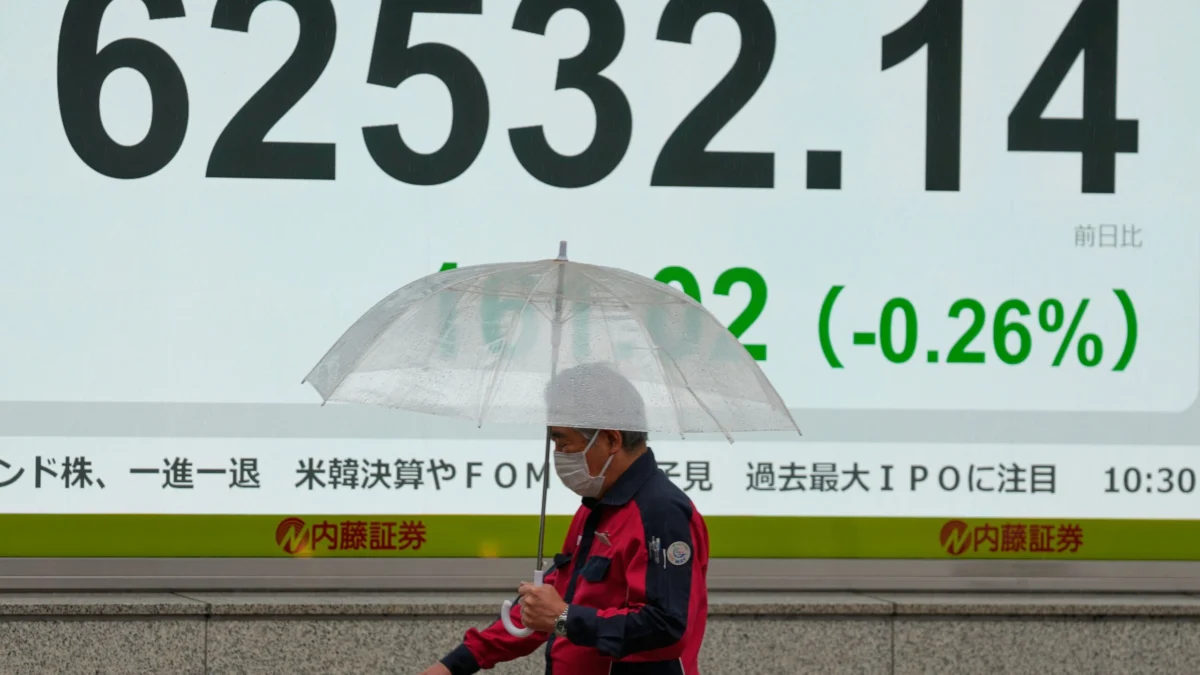
Düsseldorf. The German stock market faced a challenging start on Friday morning as the DAX, the country’s leading equity index, opened in negative territory. By the mid-morning session, the index had slipped 0.5 percent to 25,234 points, extending the bearish sentiment that dominated the previous trading day. The decline reflects a convergence of macroeconomic headwinds, ranging from renewed skepticism toward the high-valuation technology sector to intensifying political and financial volatility in France and mounting inflationary pressures driven by geopolitical instability in the oil markets.
Main Facts: A Market in Defensive Mode
The current market environment is characterized by a "risk-off" sentiment. Investors, who had initially hoped for a sustained rally following strong quarterly earnings reports from major US technology firms, have quickly pivoted toward caution. This shift is driven by the realization that while tech giants are reporting growth, the astronomical costs associated with building and maintaining artificial intelligence (AI) infrastructure are beginning to compress profit margins—a narrative that has spooked institutional and retail investors alike.
Simultaneously, Europe is grappling with its own internal crises. France, the Eurozone’s second-largest economy, is currently at the center of a fiscal storm. The country’s rising debt levels and political uncertainty have led to significant turbulence in the bond markets, creating ripple effects that are being felt by banks and equity investors across the continent.

Furthermore, energy prices have spiked due to fresh escalations in geopolitical tensions. Rising oil prices serve as a double-edged sword: they benefit energy producers but act as a "tax" on the broader economy, threatening to reignite inflationary pressures just as central banks were beginning to feel comfortable with the trajectory of consumer prices.
Chronology: The Road to the Current Dip
The current downward pressure on the DAX did not occur in a vacuum. It is the culmination of a sequence of events that began earlier in the week.
The Thursday Sell-Off
On Thursday, the DAX concluded its trading session with a notable loss of 1.1 percent, settling at 25,371 points. The decline was largely spurred by a broad-based sell-off of technology stocks in the United States, which quickly bled into European trading hours. Despite positive earnings surprises from industry stalwarts like Meta and SpaceX, the market’s reaction was lukewarm at best, and negative at worst. Investors shifted their focus from top-line revenue growth to the sustainability of massive capital expenditures (CapEx) required for AI dominance.

The Friday Morning Hangover
As markets opened on Friday, the lack of positive catalysts meant that the bearish momentum from Thursday carried over. The index failed to find any technical support, slipping further into the red within the first hour of trading. Analysts point to a lack of conviction among buyers, who are waiting for more definitive data on the health of the European economy before re-entering the market.
Supporting Data: Why Investors Are Concerned
To understand the current market malaise, one must look at the data points currently circulating through trading desks in Frankfurt and beyond.
1. The AI Cost Burden
The "AI boom" has been the primary driver of market growth for the last eighteen months. However, the latest earnings reports show that companies are spending billions on Nvidia chips and data center infrastructure without seeing an immediate, tangible impact on their bottom lines. Investors are beginning to demand a "return on investment" (ROI) that goes beyond mere technological promise.
2. French Bond Yields and Sovereign Risk
The French sovereign debt market is currently under intense scrutiny. With the rating agency Moody’s conducting a review of France’s creditworthiness, the spreads between French and German government bonds have widened. This indicates that investors are demanding a higher risk premium to hold French debt. Because European banks hold significant amounts of these bonds, the instability in Paris is essentially creating a contagion risk for the broader European financial sector.
3. Oil Market Volatility
Brent crude prices have climbed as news of new escalations in global hotspots continues to filter through. Energy costs are a critical input for German manufacturing, which relies heavily on stable prices to remain competitive. Higher oil prices translate to higher transport and production costs, threatening the recovery of Germany’s industrial heartland.
Official Responses and Expert Outlooks
While official government statements regarding the stock market are typically reserved, central bank officials and economic analysts have been vocal about the underlying risks.

The European Central Bank (ECB) has emphasized that it remains "data-dependent." While inflation has cooled, the volatility in energy markets and the fiscal situation in France remain key variables that could complicate future interest rate decisions. Market analysts suggest that if energy prices remain elevated, the ECB may have to maintain a "higher for longer" interest rate stance, which would be detrimental to stock market valuations.
Financial analysts from major banking institutions, such as Deutsche Bank and Commerzbank, have warned that the current volatility is likely to persist. "The market is currently undergoing a reality check," said one senior strategist. "The exuberance surrounding AI is being tempered by the reality of macroeconomic drag, and until we see clearer signals on fiscal policy in Europe and inflation in the US, we expect the DAX to trade within a range of lower highs."
Implications: What Lies Ahead for the DAX
The current situation poses several long-term implications for the German and European equity markets.

1. Sector Rotation
Investors are increasingly moving away from high-growth, high-valuation tech stocks toward "value" sectors. Utilities, consumer staples, and healthcare are seeing increased interest as market participants look for companies with stable cash flows that are less sensitive to the high-cost, high-reward nature of the AI race.
2. The Focus on Eurozone Economic Data
All eyes are now turned to the upcoming release of the Purchasing Managers’ Index (PMI) for the Eurozone. These data points provide a real-time pulse of economic activity. Should the French PMI data show a significant contraction, it will likely confirm the fears of a looming slowdown, potentially triggering further sell-offs.
3. Geopolitical Exposure
The DAX is heavily export-oriented. If geopolitical tensions continue to disrupt supply chains and keep energy prices high, the profit margins of German automotive and chemical giants—the pillars of the DAX—will continue to face pressure. This makes the index particularly sensitive to any news emanating from the Middle East or Eastern Europe.

4. The Need for Fiscal Reform
The scrutiny on France highlights a broader issue: the need for structural fiscal reform across the Eurozone. If the EU cannot demonstrate a cohesive plan for debt management, investor confidence in the Euro as a stable currency and European assets as a safe haven will continue to erode.
Conclusion: A Delicate Balancing Act
The German stock market finds itself in a fragile state. The combination of cooling tech enthusiasm, sovereign debt concerns in France, and the resurgence of energy-driven inflation has created a "perfect storm" of uncertainty. While the DAX has shown resilience in the past, the current environment requires a more cautious approach from investors.
In the coming days, market participants will be looking for signs of stabilization. The focus will remain on the upcoming PMI releases and any statements from the European Central Bank. Until then, the theme for the German market remains one of defensive positioning. For the average investor, the current dip may represent a buying opportunity, but for the institutional market, it is a clear warning sign that the era of easy, momentum-driven growth may be nearing a temporary—or perhaps more permanent—end.

As the trading week closes, the question is not just whether the DAX can recover its losses, but whether the global economy can navigate the complex web of political, technological, and energetic challenges currently arrayed against it. The path forward remains narrow, and the markets, as always, will be the first to signal whether the trajectory is one of recovery or continued decline.