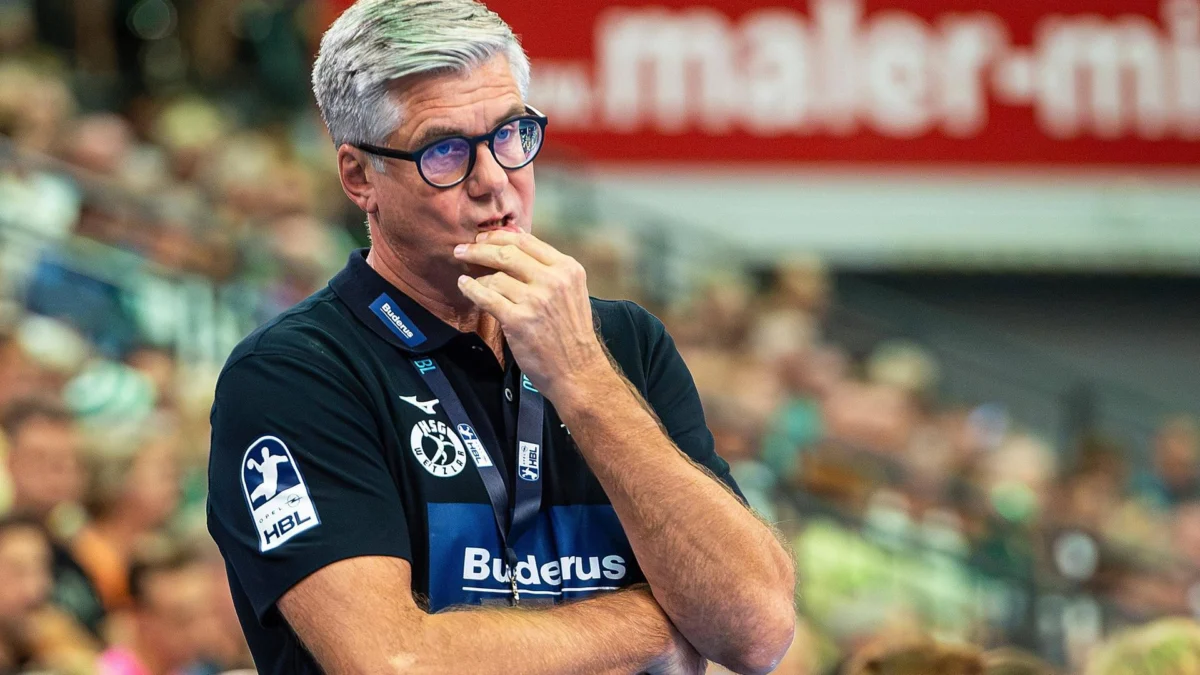
The atmosphere in the Buderus Arena has shifted from hopeful anticipation to a cold, palpable tension. For the faithful supporters of HSG Wetzlar, the current Bundesliga season has become a painful exercise in endurance. As the team languishes at the very bottom of the table, the situation for head coach Runar Sigtryggsson has transitioned from a professional challenge to a precarious "galgenfrist"—a stay of execution. With zero wins from nine matches, the club is staring into the abyss of relegation, forcing management to issue a stern, ultimatum-laden vote of confidence.
The Anatomy of a Collapse: Main Facts
The numbers behind the current crisis are as unforgiving as the league table itself. HSG Wetzlar sits at the base of the Handball Bundesliga with a dismal record of 2:16 points. In nine rounds of play, the team has managed only two draws, suffering seven losses that have eroded both the club’s confidence and its standing in the professional hierarchy.
This is not merely a "rough patch"; it is a systemic failure to execute on the court. The team, which in previous years acted as a stubborn, resilient middle-class force in the league, currently displays a fragility that suggests a lack of both tactical cohesion and individual conviction. The defensive stability that once defined Wetzlar’s brand of handball has vanished, and the offensive output has been characterized by high turnover rates and a lack of creative solutions.
A Season of Despair: A Chronology of the Crisis
The trajectory of the season has been a downward spiral marked by missed opportunities and crumbling morale.
- The Early Warning Signs: Even before the official start of the season, whispers of tactical inconsistencies began to circulate. However, the true depth of the problem became apparent by the third week of play, as the team struggled to find rhythm against opponents that, in previous seasons, would have been considered beatable.
- The Erlangen Debacle: The nadir of the campaign occurred during the recent home clash against HC Erlangen. The 30:34 defeat was more than just a loss; it was a psychological turning point. As the final whistle approached, large swaths of the home crowd vacated the arena—a rare and stinging indictment of the team’s lack of fighting spirit.
- The Breaking Point: Following the Erlangen match, the internal frustration reached a boiling point. Head coach Runar Sigtryggsson, usually composed, did not mince his words, publicly admitting, "Erlangen did whatever they wanted with us. We failed."
- The Current Stand: The team now finds itself in a state of high alert, with the upcoming fixtures against heavyweights like the Füchse Berlin and the regional derby against MT Melsungen acting as the final litmus tests for the current coaching staff.
Supporting Data and Personnel Dynamics
While the coaching staff bears the brunt of the criticism, the internal metrics of the club reveal a complex reality. The squad is dealing with a significant disparity between individual talent and collective performance.

A silver lining in an otherwise dark season has been the emergence of 23-year-old left-hander Niklas Theiß. His recent call-up to the German national team for the upcoming European Championship qualifiers against Belgium and Slovakia serves as a testament to his individual development. However, the fact that a breakout star is shining in a team that is statistically the worst in the league underscores the lack of balance within the roster. Theiß’s success highlights that the talent is present, but the environment is currently failing to nurture it into a winning formula.
The Official Stance: Management’s ultimatum
The leadership at HSG Wetzlar, led by Sports Managing Director Michael Allendorf and club boss Björn Seipp, has reached the limit of its patience. The current strategy is one of "monitored stability." Allendorf has publicly backed Sigtryggsson for the short term, but the language used suggests that this support is conditional and fragile.
"I want to finally see a development and a clear plan," Allendorf stated, signaling that the era of passive observation is over. The management has made it clear that they refuse to "stumble blindly toward second-division status." The message to the dressing room is unequivocal: the time for excuses regarding what the team "cannot do" has passed. Management expects, at minimum, a demonstration of tactical evolution and competitive grit.
Implications: The High-Stakes Autumn
The implications of the current crisis are existential. For a club like HSG Wetzlar, relegation would be a catastrophic blow to its financial stability and its status as a staple of German handball culture.
1. The Tactical Dilemma
Sigtryggsson is currently caught in a tactical trap. His system, which relies heavily on disciplined transitions and high-intensity defense, is failing because the players lack the confidence to execute it under pressure. If he fails to simplify the game plan and restore defensive integrity before the Melsungen match, the board will have no choice but to initiate a leadership change to spark a "new coach effect."

2. The Pressure of the Derby
The upcoming clash with MT Melsungen is more than a regional derby; it is a cultural showdown. Losing a derby while sitting at the bottom of the table is the quickest way for a coach to lose the support of the fan base entirely. The pressure on the players is immense, as they are now effectively fighting for their coach’s career.
3. Structural Repercussions
If the trend continues, the club will likely face a winter of upheaval. This would not only involve potential coaching changes but could lead to a restructuring of the roster, as the club would be forced to seek reinforcements to avoid the drop. However, the financial reality of the handball market means that finding mid-season upgrades is notoriously difficult.
Conclusion: A Club at the Crossroads
HSG Wetzlar is navigating the most treacherous waters in its recent history. The "galgenfrist" granted to Runar Sigtryggsson is a double-edged sword: it provides the coach with a chance to prove his critics wrong, but it also places a target on his back that grows larger with every passing minute of play.
The players, the staff, and the management are all in the firing line. The coming weeks will determine whether this is a temporary slump that the club can overcome through sheer force of will, or if it is the beginning of a long, painful decline. For now, all eyes in Central Hesse are on the bench. The board is waiting for a sign of life, the fans are demanding a performance, and the coach is running out of time. In the unforgiving world of professional sports, the next two games will define the narrative of the entire season. There are no more excuses left to make.