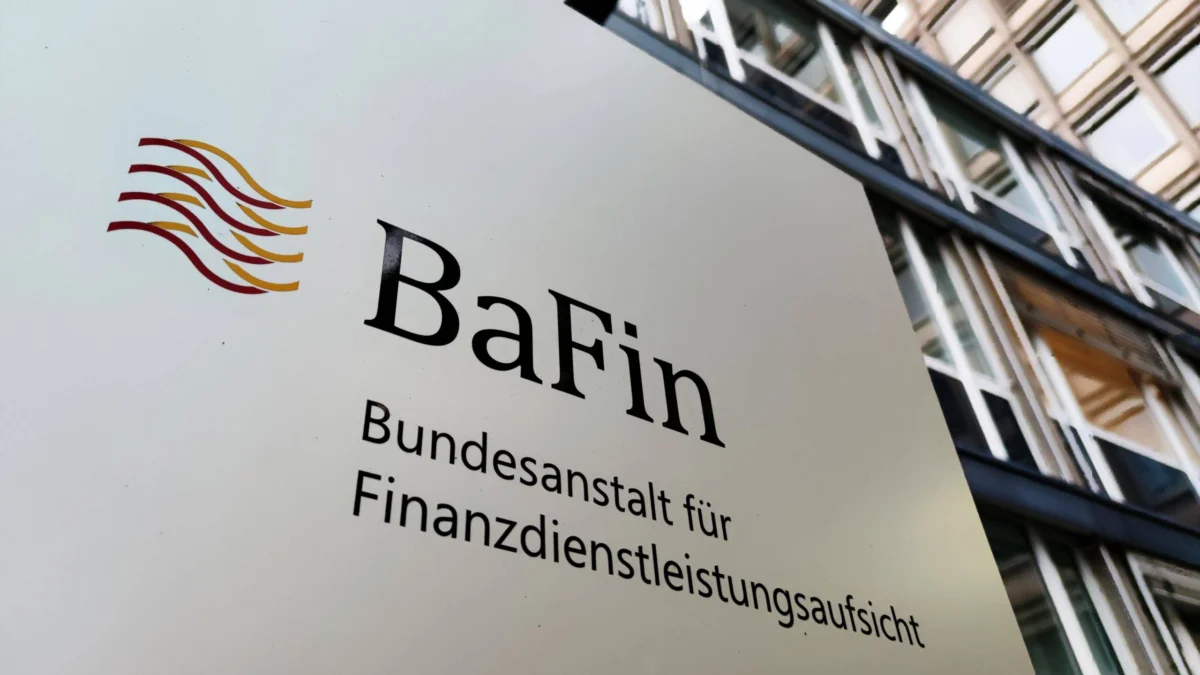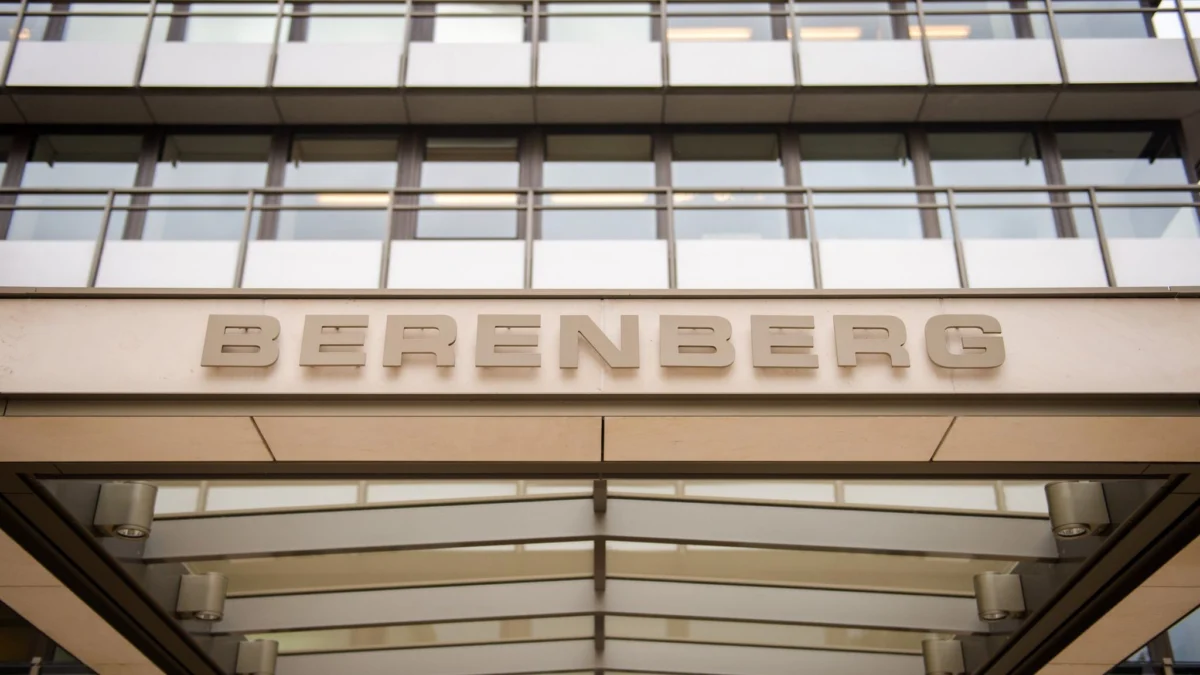
Germany’s oldest private bank, the venerable Joh. Berenberg, Gossler & Co. KG—widely known simply as Berenberg—is currently navigating the most significant leadership crisis in its long and storied history. The Hamburg-based institution, which has survived centuries of economic turmoil, political upheaval, and shifting market landscapes, now faces an unprecedented intervention by the Federal Financial Supervisory Authority (BaFin).
In a move that has sent shockwaves through the German financial sector, the regulator has effectively sidelined the bank’s entire executive leadership team. As the institution scrambles to restore stability, the appointment of special representatives marks a definitive turning point for a firm that has long prided itself on independence and traditional partnership structures.
The Core Crisis: A Regulatory Intervention
The crisis at Berenberg reached a boiling point on Friday, following a protracted and increasingly bitter dispute regarding the bank’s balance sheet. The conflict, which had been simmering behind the scenes for months, escalated to a level that necessitated direct intervention from BaFin.
In an official statement that signaled a total loss of confidence in the incumbent management, the bank confirmed that all three of its personally liable partners—Hendrik Riehmer, David Mortlock, and Christian Kühn—have been ordered to "let their powers rest." This sweeping action effectively decapitated the bank’s leadership hierarchy overnight, creating a power vacuum that the regulator is now moving to fill with external oversight.
The New Command Structure
To ensure continuity and steer the bank through this period of extreme volatility, BaFin has installed two special representatives to take the helm. The appointments are significant, leaning heavily on institutional memory and seasoned industry experience:
- Hans-Walter Peters: A former long-time CEO of Berenberg and subsequent chairman of the administrative board, Peters is a figure deeply familiar with the inner workings of the bank. His return to the center of power is viewed by many as a "stabilization mission" intended to reassure staff, clients, and investors.
- Michael Horf: A veteran banker and former board member of the Degussa Bank, Horf brings an external perspective to the leadership team. His mandate is primarily to provide objective oversight and professional management during the transition period.
Chronology: From Dispute to Displacement
The path to this regulatory intervention was neither sudden nor straightforward. It is the culmination of a months-long standoff that has left stakeholders concerned about the bank’s internal governance.
1. The Fiscal Discrepancies (The Root Cause)
The tension centered on the valuation and presentation of the bank’s balance sheet. Disagreements between the leadership and regulators concerning accounting standards—specifically how certain assets were reflected—began to paralyze the decision-making process. What started as a technical dialogue with auditors and regulators evolved into an existential governance dispute.
2. The Internal Deadlock
As the debate over the balance sheet intensified, the partnership structure—usually a source of strength for Berenberg—became a point of friction. The three partners, responsible for the bank’s day-to-day operations, found themselves at odds with the supervisory expectations of BaFin. As the months dragged on, the inability to resolve these discrepancies led to a breakdown in communication with the authorities.
3. The Friday Ultimatum
The intervention on Friday was the inevitable conclusion to this impasse. By issuing a formal order for the partners to step aside, BaFin effectively signaled that the internal governance of the bank had failed to meet the required regulatory standards. The announcement, which took the market by surprise, effectively froze the current executive team in their tracks.
Implications: What This Means for Berenberg
The sidelining of the three partners is not merely a personnel change; it is a profound shift in the bank’s operational trajectory. The bank now faces the daunting task of finding a permanent management team while under intense regulatory scrutiny.
The Search for New Leadership
According to insiders close to the situation, the special representatives are already in the process of scouting for new executive talent. The strategy appears to be a two-tiered approach:
- Immediate Integration: Prospective candidates are being vetted to join an "expanded management team" as quickly as possible to assist the special representatives.
- Long-term Succession: The ultimate goal is to identify a permanent leadership core capable of steering the bank into the future, with a deadline set by the authorities to resolve all leadership questions by the end of the calendar year.
Client and Investor Confidence
For a private bank, reputation is the most valuable asset. Berenberg’s client base—often high-net-worth individuals and corporate entities—relies on stability and discretion. This public crisis forces the bank to communicate aggressively with its stakeholders to prevent capital flight and maintain its advisory mandates. The appointment of Hans-Walter Peters is a deliberate attempt to signal "business as usual" to the market.
Supporting Data and Context
Berenberg, founded in 1590, is the world’s second-oldest bank. Its model of "personally liable partners" is a vestige of the traditional merchant bank structure, which provides a unique sense of ownership and long-term perspective. However, this structure also concentrates power. When the partners are in agreement, the bank is agile; when they are in conflict—or in conflict with regulators—the institution can become gridlocked.
The financial industry in Germany has been under increasing pressure from BaFin to improve transparency and accounting rigor. This case serves as a warning to other institutions that the regulator is increasingly willing to exercise its "nuclear option" of removing management teams to protect the integrity of the banking system.
Official Responses and Stakeholder Sentiment
While the bank has issued a brief, formal statement confirming the transition, the mood inside the Hamburg headquarters is described as "sober and focused." Employees are waiting to see if this change will lead to a broader restructuring of the bank’s culture or if it will be limited to the executive suite.
Market analysts suggest that the intervention is a necessary "surgical strike." By removing the leadership, BaFin has cleared the deck for a fresh start. However, the success of this transition depends on whether the new management can reconcile the bank’s traditional values with modern, rigorous accounting standards.
Conclusion: A Turning Point for a Legacy Institution
The saga at Berenberg is far from over. While the appointment of Hans-Walter Peters and Michael Horf provides a temporary safety net, the bank remains in a state of flux. The coming months will be a crucible for the institution.
The successful navigation of this crisis will require more than just finding new executives; it will require a fundamental reassessment of how the bank balances its heritage with the demands of 21st-century regulation. Whether Berenberg emerges as the same independent, high-performing bank it has been for over 400 years, or whether it undergoes a more radical transformation, depends on the speed and efficacy of the current leadership search.
As the German financial sector watches closely, the message from Frankfurt and Hamburg is clear: no institution, regardless of its history or prestige, is exempt from the standards of modern oversight. For now, Berenberg stands at a crossroads, forced by the authorities to choose between legacy and evolution. The decisions made by the special representatives before the year’s end will define the next chapter of this historic bank.