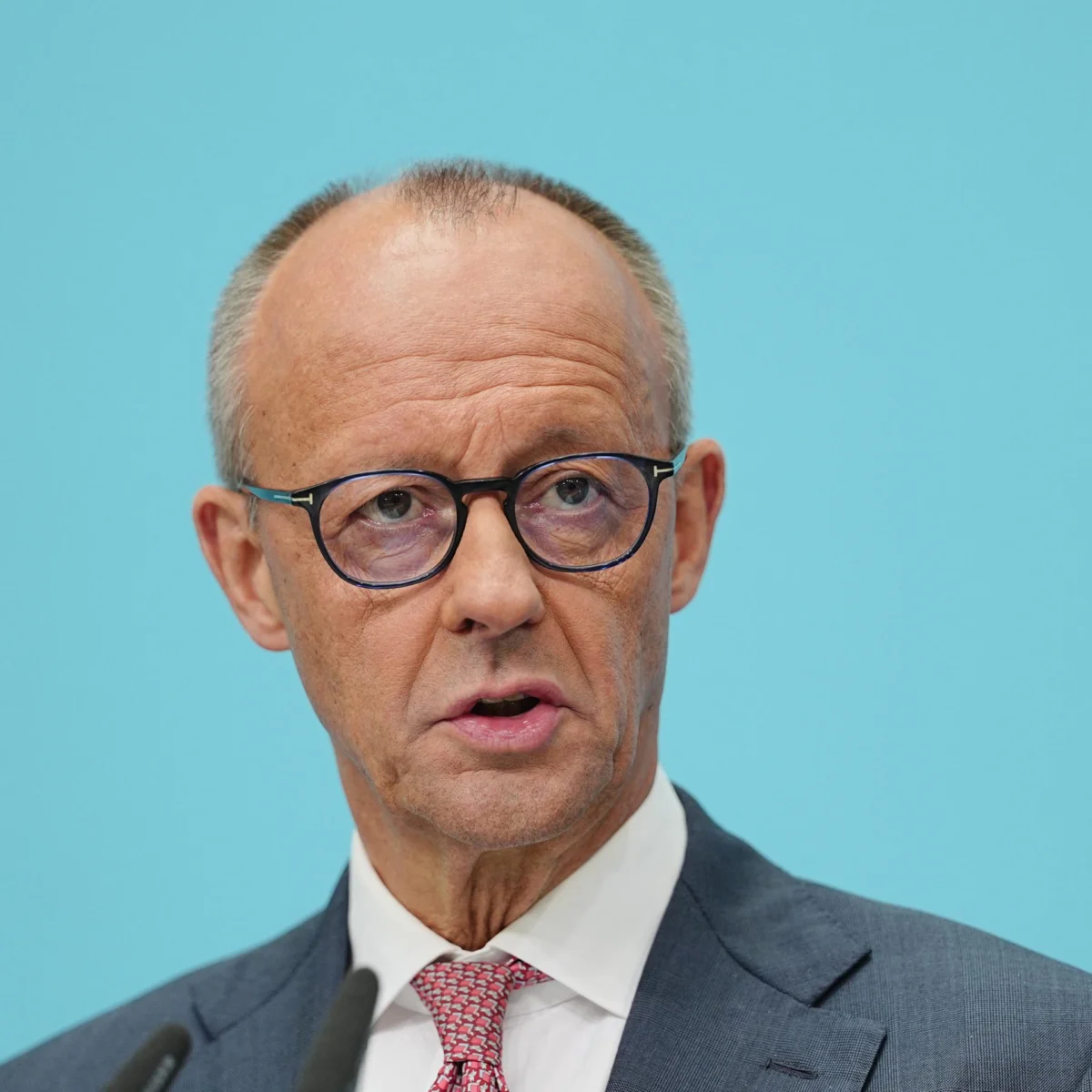
Münster, Germany – In a move that underscored the profound geopolitical shifts gripping Europe, German Chancellor Friedrich Merz used the prestigious platform of the International Westphalian Peace Prize ceremony in Münster to deliver a robust defense of NATO and advocate for increased rearmament. Addressing a divided audience, Merz lauded the transatlantic military alliance as a vital "bringer of peace" and called upon the German populace to embrace a new era of enhanced defense spending and strategic resolve. The ceremony, intended to celebrate peace, instead became a focal point for the escalating debate over Europe’s security architecture and its response to Russia’s aggression.
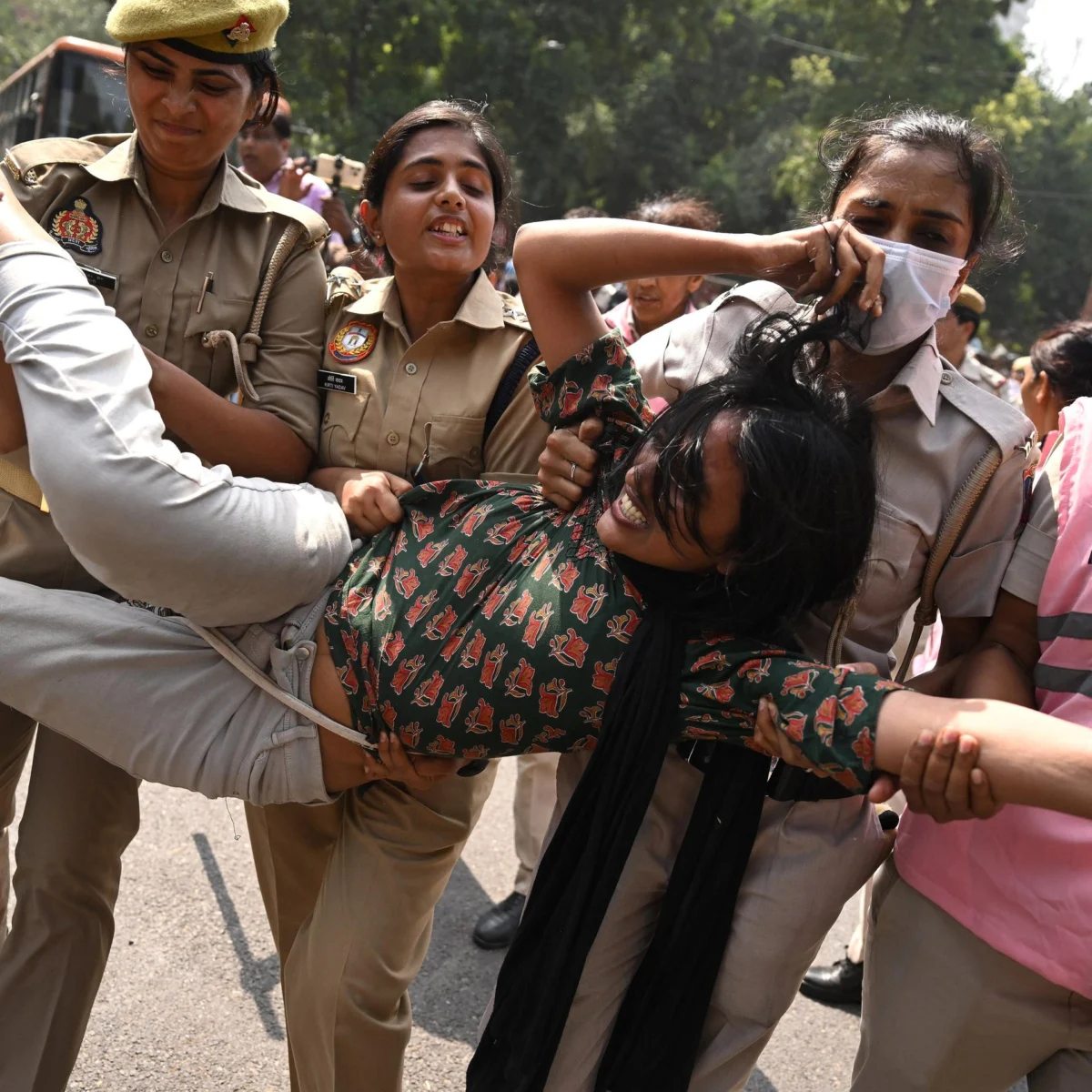
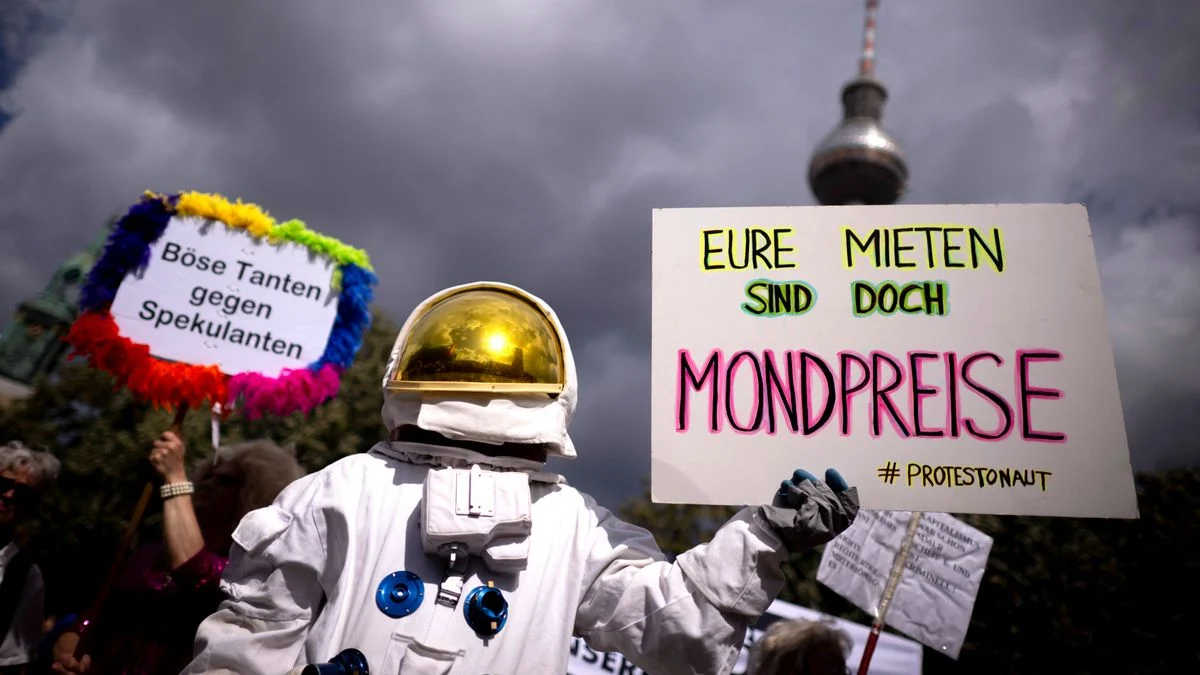
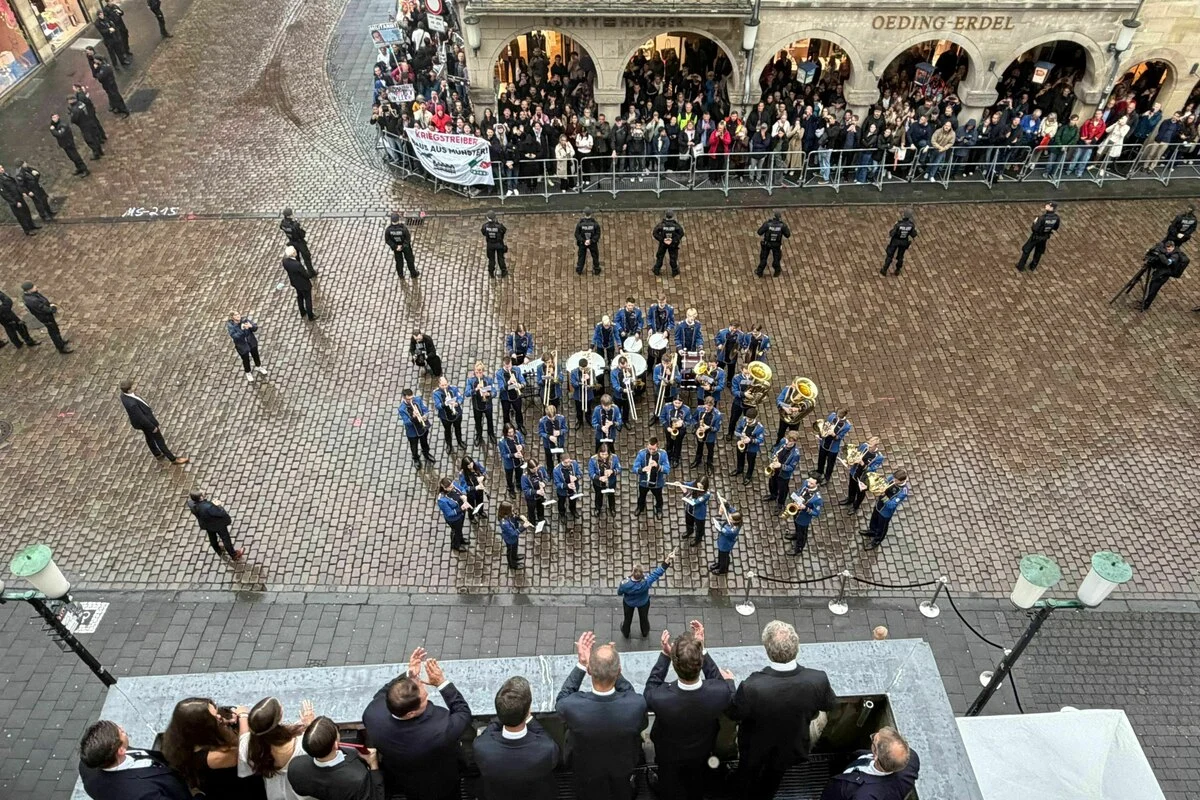
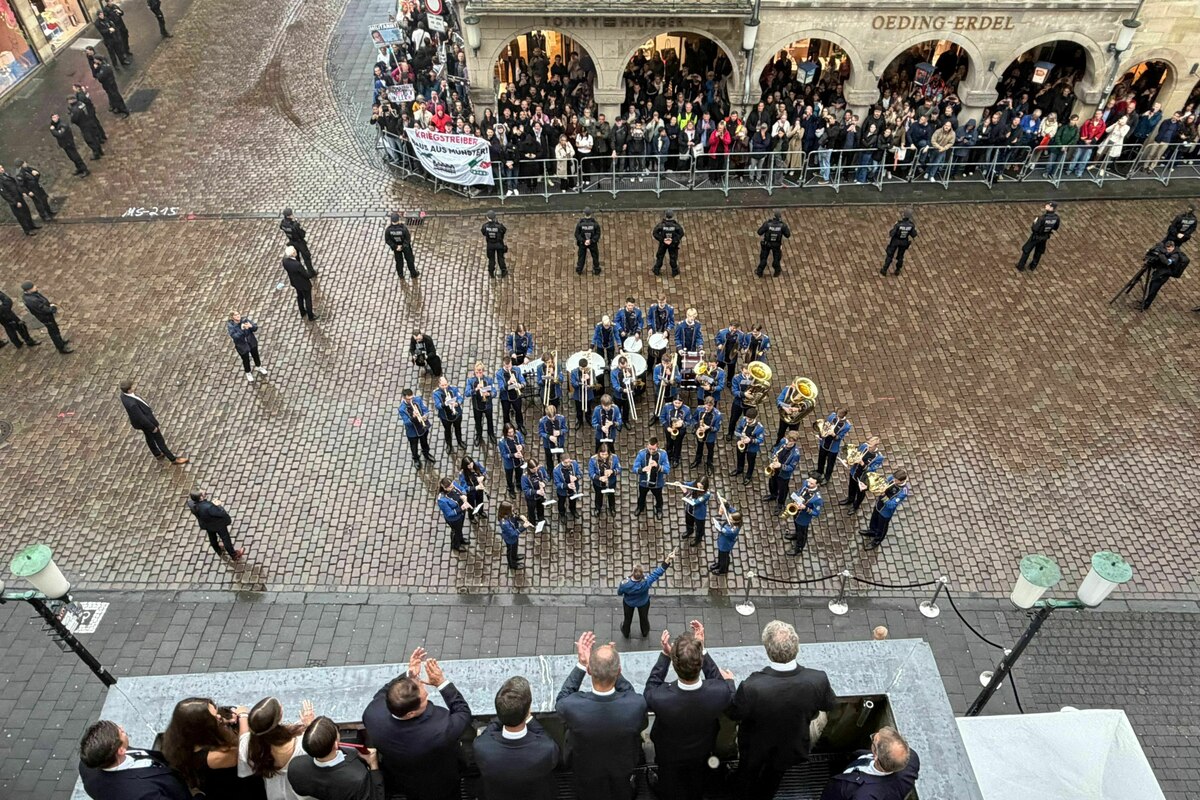
The decision to award the Westphalian Peace Prize to NATO, a body fundamentally dedicated to collective military defense, had ignited a storm of controversy long before the event. Civil society groups and peace activists vehemently criticized the choice, arguing that honoring a military alliance contradicted the very spirit of a peace prize. Their dissent culminated in protests outside the historic Münsteraner Rathaus, where the ceremony took place, highlighting the deep ideological rift within German society regarding the path to security in a volatile world.
A Contradictory Overture and Mounting Criticism
The ceremony itself began with an ironic musical choice: Jackie DeShannon’s classic anti-Vietnam War anthem, "What the World Needs Now Is Love." This sentimental opening immediately clashed with the stark reality of the prize’s recipient and the Chancellor’s impending speech. The juxtaposition highlighted the profound tension surrounding the event, where the ideals of peace were confronted with the pragmatic demands of military deterrence.
For weeks leading up to the award, the Economic Society for Westphalia and Lippe, the prize’s patron, faced a torrent of criticism. Numerous peace organizations, human rights groups, and academics voiced their dismay, pointing out NATO’s role in military interventions and its core mandate of collective defense, which they argued was antithetical to the concept of a peace prize. Protesters gathered outside the venue, their banners and chants echoing the sentiment that true peace required diplomacy, disarmament, and de-escalation, not military build-up. An alternative peace prize, honoring a network of conscientious objectors, was even awarded concurrently in a symbolic act of defiance.
From "Brain-Dead" to Indispensable: NATO’s Resurgence
Chancellor Merz, tasked with delivering the laudation for NATO Secretary-General Mark Rutte and the alliance, seized the opportunity to articulate a clear vision for Germany’s and Europe’s security posture. His address directly confronted the historical narrative surrounding NATO, particularly the period before Russia’s full-scale invasion of Ukraine in February 2022.
Merz recalled how, just a few years prior, some prominent voices – notably French President Emmanuel Macron – had provocatively declared NATO "brain-dead," questioning its relevance in a post-Cold War world. This sentiment reflected a broader debate about European strategic autonomy and the perceived decline of the transatlantic bond. However, Russia’s aggression in Ukraine proved to be a brutal "acid test" for the alliance, galvanizing its members and fundamentally altering the strategic landscape.
In the immediate aftermath of the invasion, NATO underwent a rapid and extensive transformation. Member states swiftly ramped up their defense spending, forging new alliances and reinforcing existing ones to counter the perceived Russian threat. Joint drone defense initiatives, regular military exercises with Baltic states, Poland, Finland, Sweden, and Denmark, and Germany’s commitment to establishing a permanent brigade in Lithuania are tangible examples of this accelerated reorientation. Nearly all NATO members are now increasing their expenditures on armaments and defense. The alliance has coalesced around a renewed commitment to the 2% GDP defense spending target, which, after extensive negotiations, was celebrated at recent NATO summits in The Hague and Ankara as a crucial step towards collective security. While the original text mentioned "5 percent of economic output" as a "magic formula," this is likely a misinterpretation or a highly aspirational figure, as the universally accepted and agreed-upon NATO target is 2% of GDP. Merz’s speech implicitly endorsed this increased financial commitment, framing it as an investment in peace and stability.
The Cost of Security: Public Discontent and Hybrid Threats
However, this substantial increase in military spending has not been without its critics. The growing allocation of funds towards military hardware coincides with a period of rising living costs, inflationary pressures, and, in some member states, cuts to social welfare programs. This economic strain fuels public discontent, particularly as the war in Ukraine drags on with no immediate end in sight, threatening another harsh winter for many.

Exploiting this economic vulnerability and societal fatigue, far-right and populist parties across Europe have capitalized on the sentiment, often advocating for an immediate cessation of hostilities and peace negotiations, frequently misdirecting blame or ignoring the aggressor’s role. These political currents complicate the narrative of unified Western resolve, creating internal divisions that Moscow seeks to exploit.
Compounding these internal challenges are the persistent and escalating hybrid attacks orchestrated by Russia against NATO member states. Almost daily, reports emerge of drones violating the airspace of Baltic nations, alongside a surge in sabotage acts and sophisticated cyberattacks targeting critical infrastructure. In August, the German government attributed a highly concerning drone incident at Halle/Leipzig Airport directly to Russia, underscoring the tangible nature of these threats on sovereign territory. These incidents serve as a stark reminder that the conflict extends beyond Ukraine’s borders, manifesting in various forms of destabilization within the alliance.
"Our Freedom Is at Stake": Merz’s Resolute Address
The International Westphalian Peace Prize, endowed with 100,000 Euros, is typically awarded biennially by the Economic Society for Westphalia and Lippe to individuals or groups exemplifying engagement and dialogue in preserving peace and European autonomy. It was against this backdrop that Chancellor Merz delivered his impassioned defense of NATO and rearmament in Münster.
"Our freedom is at stake," Merz declared in his laudation, his voice resonating with gravitas. He articulated a world characterized by "a new age of great power politics," necessitating a re-founding of the transatlantic partnership. He emphasized the profound and rapid changes brought about by "technological revolutions" and, crucially, by "Russia’s violent, expansive revisionism." This threat, he asserted, was not abstract. Russia, he continued, was breaking the most fundamental rules of international law and European order with "extreme brutality" in Ukraine. Therefore, he concluded, it remained unequivocally correct to support Ukraine with all available strength.

Merz did not shy away from painting grim scenarios to underscore the urgency of his message. "If we fail to stop Moscow," he warned, "then the Russian war machine will sooner or later turn against us, against NATO itself." He then posed a series of rhetorical questions, designed to evoke the horrors of war and their potential proximity: "What then? A drone battle in the Baltic states like in Donbas? Ballistic missiles targeting European major cities, as in Kyiv or Kharkiv? Would we Germans ultimately feel the terror of war on our own bodies once again?" The Chancellor’s questions underscored his conviction that such outcomes must be averted at all costs. "We Europeans are not a party to this war," Merz clarified, "but we are also not neutral. We are not mediators. We stand on the side of Ukraine’s freedom."
Diplomacy and Unity: A Dual Strategy
Acknowledging the necessity of diplomatic efforts, Merz stressed that Russia could only be moved to serious peace talks through a united and strong NATO. "The Kremlin only understands the language of strength," he asserted, advocating for a cohesive front. In this context, Merz explicitly referenced the recent meeting between German Foreign Minister Johann Wadephul and his Russian counterpart, Sergey Lavrov, on the sidelines of the UN General Assembly in New York. While experts remain divided on the concrete outcomes of that brief encounter, Merz highlighted it as evidence that Germany was pursuing all diplomatic avenues, even as it simultaneously bolstered its military capabilities and strengthened the Bundeswehr.
In a rare display of emotion, Merz insisted that Germany would not allow itself to be divided – "not by hybrid attacks, not by agitation steered by Moscow’s bots in social media, and not by the slogans of the AfD and its Russian backers." The audience responded with applause, a demonstration of support that the Chancellor does not always receive in these turbulent times. "Our support for Ukraine is not an end in itself," he reiterated, linking it directly to Germany’s and Europe’s own security interests.
Merz’s praise extended to NATO Secretary-General Mark Rutte, whom he commended for his leadership. "You are holding the alliance together in challenging times, with a transatlantic and European compass, with boundless energy and unwavering confidence," the Chancellor praised. The two leaders had spent a significant portion of the day together, visiting the German-Dutch Corps in Münster, a unit that has been securing NATO’s eastern flank in Estonia and Latvia since July. This joint appearance underscored the deep cooperation and shared commitment between Germany and the Netherlands within the alliance.

A Contrasting Vision: The Other Peace Prize Laureate
Amidst the weighty discussions of military strategy and geopolitical threats, the laudations for the other prize recipient in Münster felt somewhat perfunctory. SocioMovens, a church-based network from Dortmund, was also honored for its work in bringing together young people from Central and Eastern Europe. Hendrik Wüst, Minister-President of North Rhine-Westphalia, lauded SocioMovens for demonstrating how trust can grow and contribute to peace, fostering cross-border solidarity essential for European peace.
The contrast between the two awardees was stark: young people engaged in volunteer work fostering dialogue and trust, and a combat-ready alliance demanding increased support, unquestioning acceptance, and substantial financial investment from citizens across NATO member states. Merz, by extension, was calling for the same from those living in Germany. Wüst’s enthusiastic "Thank you, Friedrich!" to Merz at the conclusion of his remarks further cemented the political alignment.
The ceremony concluded with another musical classic, U2’s "One" – a song often interpreted as a call for unity despite differences. "One for all, all for one" – a popular and stirring motto for NATO, perhaps its most crucial, frequently invoked on every possible occasion. And a principle upon which Chancellor Merz, like many leaders across the alliance, undoubtedly hopes the future of European security will depend. The question remains whether the path of rearmament, however necessary it may be deemed, can truly lead to the peace envisioned by the prize’s founders.