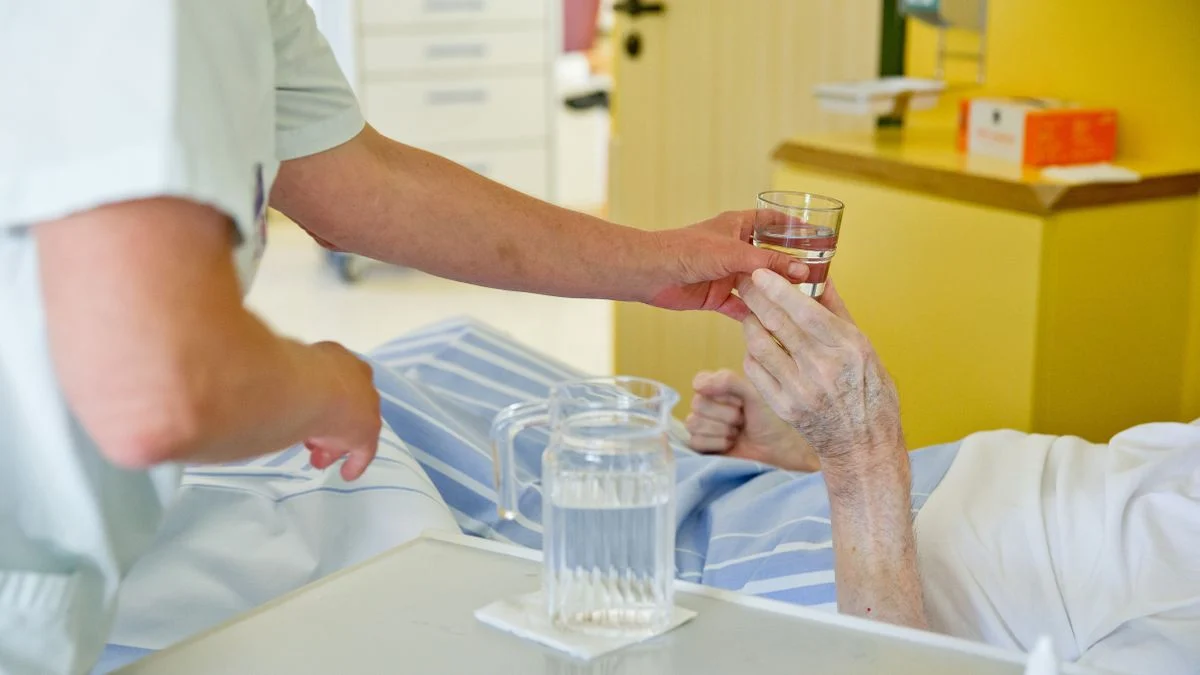


Recognizing that one’s relationship with alcohol has crossed the threshold from recreational consumption to dependency is perhaps the most difficult step in a journey toward recovery. It is a moment defined by vulnerability, fear, and often, profound isolation. However, it is vital to emphasize that those struggling with alcohol misuse are not alone. A sophisticated, multifaceted network of support—ranging from digital anonymity to clinical intervention—exists to provide guidance, stability, and a path toward sobriety.
The Reality of Dependency: Main Facts and Societal Impact
Alcohol dependency is a chronic, relapsing condition characterized by a compulsive need to consume alcohol despite adverse health, social, or occupational consequences. It is not a moral failing or a lack of willpower; it is a complex biopsychosocial disorder that affects millions of people globally.
In many Western societies, alcohol is deeply integrated into cultural rituals and social gatherings. This normalization often masks the early warning signs of addiction. When an individual begins to prioritize alcohol consumption over personal responsibilities, exhibits withdrawal symptoms when abstaining, or experiences a loss of control regarding the amount consumed, the need for intervention becomes critical. The objective of current health policy is to shift the narrative: seeking help is not an admission of defeat, but an act of courage and self-preservation.
A Chronology of Recovery: From Recognition to Sustained Health
The journey toward sobriety is rarely linear, but it generally follows a recognizable sequence of phases. Understanding these phases can help those struggling to demystify the process.
- The Phase of Recognition (Pre-Contemplation to Contemplation): This begins when an individual admits that their consumption habits are problematic. This stage is often triggered by a specific event—a health scare, a workplace incident, or a strained relationship.
- The Phase of Inquiry (Preparation): This is the stage of research. Individuals look for information, identify potential barriers to sobriety, and begin to consider which support systems best align with their personal needs.
- The Phase of Intervention (Action): This is the pivotal moment where the individual contacts a professional, joins a support group, or begins a medical consultation. This is where the "net of support" becomes tangible.
- The Phase of Maintenance: Sustaining sobriety is a long-term commitment. It involves developing coping mechanisms, lifestyle changes, and navigating social situations without the reliance on alcohol.
- The Phase of Resilience: Long-term recovery is achieved when the individual builds a fulfilling life that is independent of alcohol, characterized by emotional stability and physical health.
Supporting Data: Why Professional Guidance Matters
Statistical evidence consistently demonstrates that individuals who seek professional support—whether through therapy, medical supervision, or peer-support groups—have significantly higher rates of long-term recovery compared to those attempting to quit "cold turkey" without a support system.
Medical research highlights that alcohol withdrawal can, in some cases, be physically dangerous. Sudden cessation after long-term, heavy consumption can lead to severe physiological reactions, including seizures and delirium tremens. This is why the involvement of medical professionals—such as family doctors or addiction specialists—is not just recommended; it is often essential for safety.
Furthermore, data from various international health organizations suggest that the anonymity provided by digital platforms has significantly lowered the "barrier to entry" for younger demographics and those who fear the social stigma associated with visiting a physical addiction center.
Official Responses and Digital Innovation
Governments and health authorities have increasingly recognized that traditional, face-to-face counseling is not sufficient for the digital age. In response, initiatives like the German-led digital counseling platform "DigiSucht" have been established.
The Rise of Digital Counseling
Digital counseling represents a seismic shift in how society addresses addiction. Platforms like DigiSucht allow individuals—as well as concerned parents, partners, and friends—to seek advice via secure message, text, or video chat.
- Accessibility: Users can access help from their own homes, circumventing the geographic or social anxiety barriers that prevent many from seeking help.
- Anonymity: The platform is free and strictly anonymous, ensuring that the fear of professional or social repercussions does not hinder the pursuit of health.
- Expert Oversight: Under the patronage of the Federal Drug Commissioner, these platforms provide medically verified information regarding alcohol dependency, debunking myths and providing a roadmap for treatment.
Traditional Pathways: The Role of the Primary Care Physician
While digital tools are excellent for initial outreach, the role of the general practitioner (Hausarzt) remains the cornerstone of medical recovery.
The Importance of the Consultation
Many people fear that discussing alcohol issues with a doctor will lead to legal issues or a permanent record that could harm their career. It is crucial to dispel this myth: Doctors and psychologists are bound by strict legal confidentiality (Schweigepflicht). They are professionals trained to treat the physical and mental health aspects of dependency with objectivity and clinical expertise.
During a consultation, a physician can:
- Assess the severity of the dependency through standardized diagnostic criteria.
- Determine if a medically supervised detoxification process is necessary to manage physical withdrawal.
- Refer the patient to specialized addiction therapists or clinics.
- Monitor overall physical health, as alcohol abuse often impacts liver function, cardiovascular health, and mental well-being.
The Power of Community: Established Organizations
Beyond clinical help, the social aspect of recovery is vital. Isolation is the enemy of sobriety, and community-based support organizations provide a crucial framework for long-term success.
1. The Anonymity of Peer Support
Organizations like the Alcoholics Anonymous (AA) provide a space where individuals can share their experiences without judgment. The philosophy here is rooted in the shared experience of members, offering a sense of belonging that is often lost when one is struggling with dependency.
2. Social and Institutional Support
Groups such as Caritas or the Blaue Kreuz (Blue Cross) offer more than just meetings. They provide comprehensive counseling, family therapy, and social integration programs. Their approach often encompasses the "whole person," looking at the environmental, familial, and social factors that contribute to the cycle of addiction. By addressing the root causes—such as unemployment, housing instability, or grief—these organizations help individuals rebuild their lives from the ground up.
Implications: Moving Forward
The primary implication of these findings is clear: the architecture of help is robust and accessible. The stigma that once shrouded alcohol dependency is slowly being eroded by the realization that addiction is a public health issue that requires community-wide investment.
For the individual, the implication is that there is no "right way" to start the journey. Whether it begins with an anonymous chat message at 2:00 AM, a difficult but necessary conversation with a family doctor, or walking through the doors of a local support group, the action itself is what matters.
A Final Word to the Reader
If you find yourself or a loved one in a position where alcohol has become a burden, please recognize that you are navigating a well-mapped path. You do not need to walk it alone. Utilize the digital resources available for immediate, low-stakes inquiry. Schedule that appointment with your doctor. Reach out to one of the many organizations dedicated to helping people reclaim their lives.
The recovery process is not about deprivation; it is about reclaiming autonomy, health, and a future free from the constraints of dependency. The infrastructure for that future is already in place, waiting for the first step to be taken. Whether it is through the digital anonymity of DigiSucht or the personal touch of a counselor at Caritas, the door to a healthier life is open. Now is the time to walk through it.