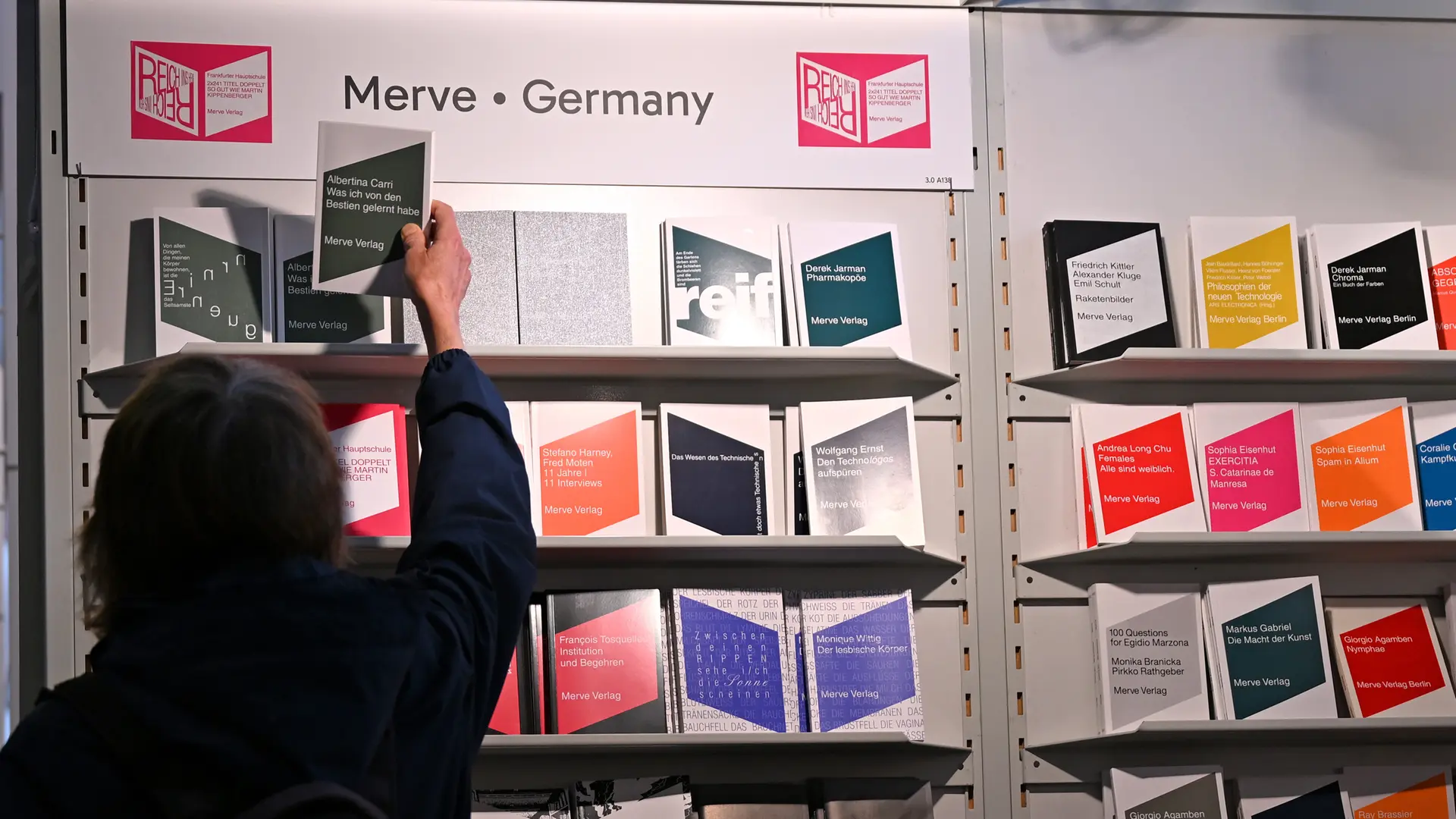
In a celebration of the vibrant, independent literary landscape that continues to define German cultural discourse, the prestigious German Publisher Prize (Deutscher Verlagspreis) was awarded this past Friday at the 78th Frankfurter Buchmesse. Among the luminaries of the industry, the Leipziger Merve Verlag stood out, securing one of the coveted top honors—a distinction that brings not only national prestige but a substantial grant of 50,000 euros to bolster its future endeavors.
The announcement, which sent ripples of excitement through the halls of the world’s largest book fair, served as a powerful affirmation of the vital role small and medium-sized independent presses play in maintaining a pluralistic and intellectually rigorous society. Alongside Merve Verlag, other notable voices from across Germany, including the Berlin-Dresden-based Voland & Quist and the Mannheim-based Kunstanstifter-Verlag, were recognized for their commitment to high-quality literature, innovative design, and cultural engagement.
The Heart of the Matter: Why Merve Verlag Matters
Founded in 1970 in West Berlin, Merve Verlag has long been a beacon for challenging, avant-garde discourse. Its catalogue, which leans heavily into philosophy, art history, and sociopolitical theory, has shaped the intellectual foundations of generations of German thinkers.
When the press made the strategic decision to relocate to Leipzig in 2017, it marked a new chapter in its storied history, bridging the divide between the historical centers of Western critical theory and the burgeoning creative pulse of Eastern Germany. For current owner Tom Lamberty, the award is more than just a financial windfall; it is a validation of the press’s uncompromising editorial vision.

"We honestly did not expect to receive this top-tier prize," Lamberty remarked in an interview with MDR KULTUR. "It is incredibly encouraging to see that our focus on niche, intellectual, and challenging material is recognized as a cornerstone of the broader cultural landscape."
A Chronology of Achievement: From West Berlin to Leipzig
To understand the significance of this accolade, one must look at the arc of the Merve Verlag’s development over the past five decades.
- 1970: Merve Verlag is established in West Berlin. It quickly becomes synonymous with the radical intellectual shifts of the era, publishing seminal works that challenged the status quo in politics and social theory.
- 1970s–1990s: The press solidifies its reputation as a "theory powerhouse," becoming essential reading for students, academics, and activists.
- 2017: A pivotal year as the publisher moves its headquarters to Leipzig, a city with a deep, centuries-old tradition of book printing and trade. This move was widely viewed as a signal that the "Buchstadt" (City of Books) was reclaiming its position as a central hub for contemporary publishing.
- 2026: The press receives the German Publisher Prize, a culmination of its consistent dedication to critical, high-brow content in an era increasingly dominated by digital consumption and mass-market titles.
Supporting Data and the "East-West" Divide
The recognition of Merve Verlag carries a symbolic weight that transcends the monetary value of the prize. Tom Lamberty pointedly highlighted the ongoing disparities in the German publishing industry, particularly regarding regional representation.
"If you look closely at the history of these awards, you see that the proportion of publishers based in the East—who receive this kind of recognition—usually hovers between five and ten percent," Lamberty noted. "I am, above all, glad that this is a publisher that is, at the very least, anchored in the East."

The statistics behind the 2026 awards show a total distribution of 1.62 million euros across the sector. Beyond the three main winners, 79 other publishers received "seals of quality," each accompanied by an 18,000-euro grant. Among these were several other regional champions, including the Dr. Ziethen Verlag in Oschersleben, the Buchkinder Verlag in Leipzig, and the Knabe Verlag in Weimar. This distribution serves as a roadmap for the federal government’s efforts to decentralize cultural funding and support the survival of local literary ecosystems that are often vulnerable to market volatility.
Official Responses: The Democratic Necessity of Books
The German government, represented by Minister of State for Culture Wolfram Weimer, underscored the necessity of supporting independent publishing houses as a matter of democratic health. During the ceremony, Weimer delivered a spirited defense of the industry:

"Book publishers are the architects of a polyphonic, open, and vigilant public sphere. By providing a platform for diverse ideas—even those that are difficult, controversial, or unconventional—they provide an essential service to our democracy. They ensure that our public discourse remains multifaceted and awake."
The jury, chaired by author Jörg Thadeusz, emphasized that the selection criteria were rigorous. It was not enough for a press to have a long history; they had to demonstrate a "convincing publishing program," an "aesthetic commitment" to the physical design of their books, and a proven track record of "cultural engagement" within their respective communities.
The Implications: What the Future Holds
The receipt of 50,000 euros provides Merve Verlag with the runway necessary to pursue projects that might otherwise be considered too risky or specialized for the mass market. As Lamberty stated, the funds will be channeled directly into new, ambitious book projects.
Challenges for the Independent Sector
However, the prize also brings into focus the fragility of the independent publishing world. Many of the publishers recognized, including the Buchkinder Verlag and the Knabe Verlag, have faced significant existential pressures recently, from rising paper and energy costs to the decline of local bookshops.
The "Buchkinder" initiative in Leipzig, which focuses on literacy and creative writing for children, recently had to launch a public appeal for donations to secure its future. Similarly, the closure of historic local institutions like the "Die Eule" bookstore in Weimar serves as a stark reminder that even with government support, the cultural infrastructure of the book industry is under constant threat.
The Role of Digital Adaptation
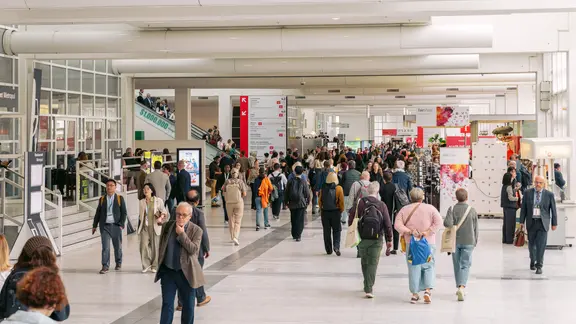
While the prize celebrates traditional print, the landscape is shifting. The presence of technology-focused discussions at the Frankfurter Buchmesse, alongside the celebration of independent presses, suggests that the future of the book will be a hybrid one. Publishers like Merve are increasingly forced to balance their traditional identity with the demands of a digital-first audience, utilizing new media to ensure their philosophical and political works remain accessible to a younger generation.

Conclusion: A Vital Pulse in a Changing World
The German Publisher Prize is more than a trophy; it is a vital lifeline. By honoring Merve Verlag and its peers, the German state is signaling that it views books not merely as commodities, but as the foundational blocks of civil society.
As the Frankfurter Buchmesse concludes, the message is clear: in an era defined by rapid information cycles and fragmented attention, the work of the independent publisher is more important than ever. Through the persistence of houses like Merve, the intellectual heritage of the past is being curated, challenged, and preserved for the future. For the readers who rely on these presses to provide depth, context, and a voice for the marginalized or the avant-garde, this award is a victory for the life of the mind.

The industry now turns its attention to the upcoming publishing seasons, with high expectations that the recognition granted to these independent voices will translate into a renewed public interest in the profound, often challenging, literature that defines the best of the German publishing spirit. As Tom Lamberty and his team return to Leipzig, they do so with the knowledge that their work—in philosophy, art, and politics—remains a vital, recognized, and necessary contribution to the German landscape.