Introduction: A Miniature Marvel in Saxony
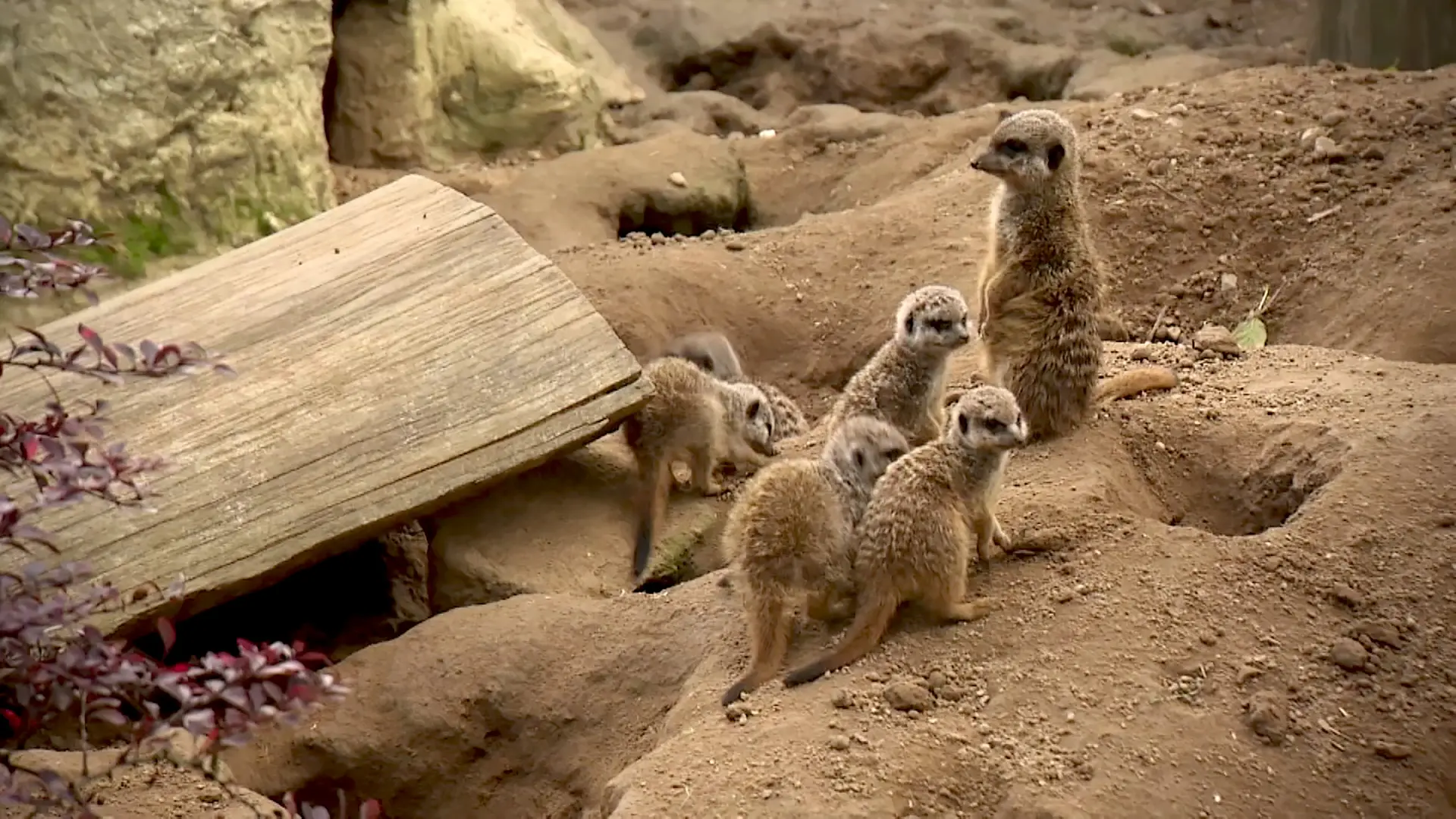
In the heart of the Oschatz Zoo, a flurry of tiny, sandy-colored activity has captured the attention of visitors and animal welfare experts alike. Five healthy, vibrant meerkat pups have officially entered the public eye, marking a significant success for the zoo’s conservation and breeding program. Now several weeks old, these inquisitive creatures have begun their first tentative explorations of their enclosure, providing a rare and heartwarming glimpse into the complex social structure of one of nature’s most fascinating mammals.
For the staff at Oschatz, the arrival of these five pups is more than just a seasonal highlight; it is a testament to the high standards of husbandry and habitat management maintained within the facility. As these small scouts cautiously emerge from their subterranean tunnels to survey the world above, they bring with them a wave of public interest, highlighting the vital role that local, smaller-scale zoological institutions play in wildlife education and species preservation.
The Main Facts: Life in the Burrow
The arrival of the five pups represents a successful breeding cycle, a process that requires meticulous care and specific environmental conditions. Meerkats (Suricata suricatta), native to the southern parts of Africa, are known for their highly social, cooperative nature, and their life in captivity depends heavily on the ability to replicate their natural habitat.
Development and Behavior
At only a few weeks of age, the pups are currently in a critical developmental phase. Under the watchful eyes of their parents and the rest of the group—the "mob"—they are learning the essential survival skills that define their species.
- Foraging and Play: While they still rely primarily on their mother’s milk, they have begun to experiment with solid foods, guided by older siblings who bring insects and small vegetation to them.
- Social Bonds: The "babysitting" behavior is already evident. In the wild, older members of the group guard the pups while the parents forage. In Oschatz, this behavior is replicated as the older, more experienced meerkats watch over the youngsters, teaching them the subtle communication cues used to signal danger or excitement.
- Curiosity: The pups are characterized by their extreme curiosity. Visitors have observed them standing on their hind legs, mimicking the classic "sentry" pose of the adults, though their focus is currently more on playing with siblings than scanning the horizon for predators.
Chronology of the Breeding Season
The successful birth of these five individuals did not happen by chance. It was the result of a carefully monitored period leading up to the spring and summer months, which mimic the optimal breeding season for the species.
The Planning Phase
Earlier this year, the zookeepers at Oschatz made adjustments to the climate control within the indoor portions of the enclosure to ensure the environment felt stable and secure for the breeding pair. Environmental enrichment—including the introduction of new tunneling substrates and varied diet plans—was implemented to encourage natural behaviors.

The Birth and Initial Weeks
The gestation period for meerkats is typically around 11 weeks. Once the pups were born, they remained in the safety of the dark, secure den for the first few weeks of life. This period is the most vulnerable for any litter, as the pups are born blind and helpless. During this time, the zookeepers maintained a "hands-off" approach, ensuring the mother felt no stress, which is paramount to preventing the rejection of the litter.
The First Emergence
It was a momentous day when the group finally allowed the pups to emerge into the main outdoor viewing area. This milestone, which occurred recently, was the first time the public was able to see the five individuals together. Since then, the pups have gained confidence, moving further away from the safety of the burrow entrance each day.
Supporting Data: Why Meerkats Matter
The success at Oschatz is not merely a local story; it reflects a broader global interest in the biology and ecology of the Herpestidae family.

Social Complexity
Meerkats are among the most socially complex animals in the animal kingdom. Their group size is a critical factor in their survival. Larger groups are better at detecting predators and finding food. The addition of five healthy members to the Oschatz mob increases the group’s overall vitality and social stability.
The Role of Smaller Zoos
While large, international zoos often garner the most attention, smaller regional zoos like Oschatz serve a different, equally important function. They provide "nature in the neighborhood," allowing families who may not have access to large, sprawling wildlife parks to interact with animals in a controlled, educational setting. The birth of these pups serves as an educational bridge, allowing staff to teach visitors about the threats meerkats face in the wild, such as habitat loss and climate-driven food shortages.
Official Perspectives: Zookeepers and Veterinarians
The management at Oschatz has expressed immense pride in the litter. According to the lead zookeepers, the health of the pups is excellent. Regular, non-invasive health checks conducted during feeding times have confirmed that all five are meeting their developmental milestones.

Conservation Ethos
"Our goal is to ensure that the animals in our care are not just surviving, but thriving," noted a spokesperson for the facility. "When we see a successful litter like this, it tells us that we are providing the right environment, the right diet, and the right social support. These pups are ambassadors for their species, helping our visitors understand that even small animals have complex needs and deserve our protection."
The veterinary team has also noted the importance of the mother’s health. By providing high-calcium, high-protein supplements during the nursing phase, they have supported the mother in sustaining a large litter of five, which is on the higher end of the typical range for a single birth.
Implications: The Future of the Mob
The introduction of five new meerkats has long-term implications for the Oschatz facility.
Managing Population Growth
As the pups grow into sub-adults, the zoo will need to manage the group’s size carefully. In the wild, young meerkats eventually disperse to form their own groups. In captivity, this necessitates careful planning to ensure the enclosure is not overpopulated, which could lead to social friction. The team is already looking into future housing expansions or potential transfers to other accredited zoos to ensure the long-term well-being of the siblings.
Educational Programming
The popularity of the new arrivals has prompted the zoo to launch a series of "Meet the Mob" educational talks. These sessions are designed to inform the public about the importance of animal conservation. By leveraging the natural charm of the meerkat pups, the zoo hopes to foster a deeper appreciation for biodiversity and the necessity of protecting ecosystems.
Conclusion: A Small Success, A Global Message
The story of the five meerkat pups at the Oschatz Zoo is a microcosm of a larger, global conversation about our relationship with the natural world. In an era where biodiversity is under constant threat, the birth of these small, curious creatures provides a moment of optimism.
They represent the success of human-led conservation efforts—small, deliberate actions that allow species to flourish. As these five pups continue to grow, learn, and explore, they serve as a living reminder of the resilience of nature and the responsibility we bear to protect it. Visitors to Oschatz are encouraged to observe the group with respect and patience, keeping in mind that these animals are not just exhibits, but members of a complex, living, and breathing social system that thrives on safety, family, and the freedom to explore.
For the Oschatz Zoo, the work continues. The pups are just the beginning of a long-term commitment to maintaining a healthy, vibrant, and well-educated public engagement. As the autumn season approaches, the focus will shift to preparing the mob for the colder months, ensuring that the next generation of meerkats is ready for the challenges that lie ahead, safely within the walls of their carefully nurtured home.
Frequently Asked Questions (FAQ)
1. Can visitors get up close to the pups?
While visitors can observe the meerkats in their enclosure, the zoo maintains strict distance protocols to ensure the pups are not stressed by human noise or proximity.

2. How long do the pups stay with their parents?
In captivity, young meerkats typically remain with the core group for several months to a year before reaching full maturity.
3. What do the pups eat?
Currently, they are nursing. As they grow, their diet will consist of the same variety of insects and small proteins provided to the adults, carefully portioned to their size.
4. How does the zoo handle the social dynamics?
The staff monitors the mob daily. Because meerkats are territorial and hierarchical, any signs of aggression are managed through careful environmental enrichment and, if necessary, adjustments to the living space.
5. How can the public support the Oschatz Zoo?
The zoo relies on ticket sales and local support. Visiting, participating in educational programs, and donating to the facility’s upkeep are the best ways to ensure these conservation efforts continue.