BAUTZEN, GERMANY – In a significant milestone for the penal infrastructure of Saxony, the Justizvollzugsanstalt (JVA) Bautzen officially inaugurated its state-of-the-art prison kitchen this Wednesday. After three years of intensive construction and a capital investment of approximately 23 million euros by the Free State of Saxony, the facility stands as a testament to the ongoing modernization of Germany’s correctional system, balancing strict security requirements with the humanitarian goal of vocational rehabilitation.
Main Facts: A Hub of Modernity and Security
The new kitchen facility is not merely a place for food preparation; it is a high-tech center designed to serve the daily nutritional needs of the JVA Bautzen, which currently houses roughly 300 inmates. Spanning an impressive 1,400 square meters, the facility is engineered to produce 760 meals daily, catering to prisoners, staff, and visitors.
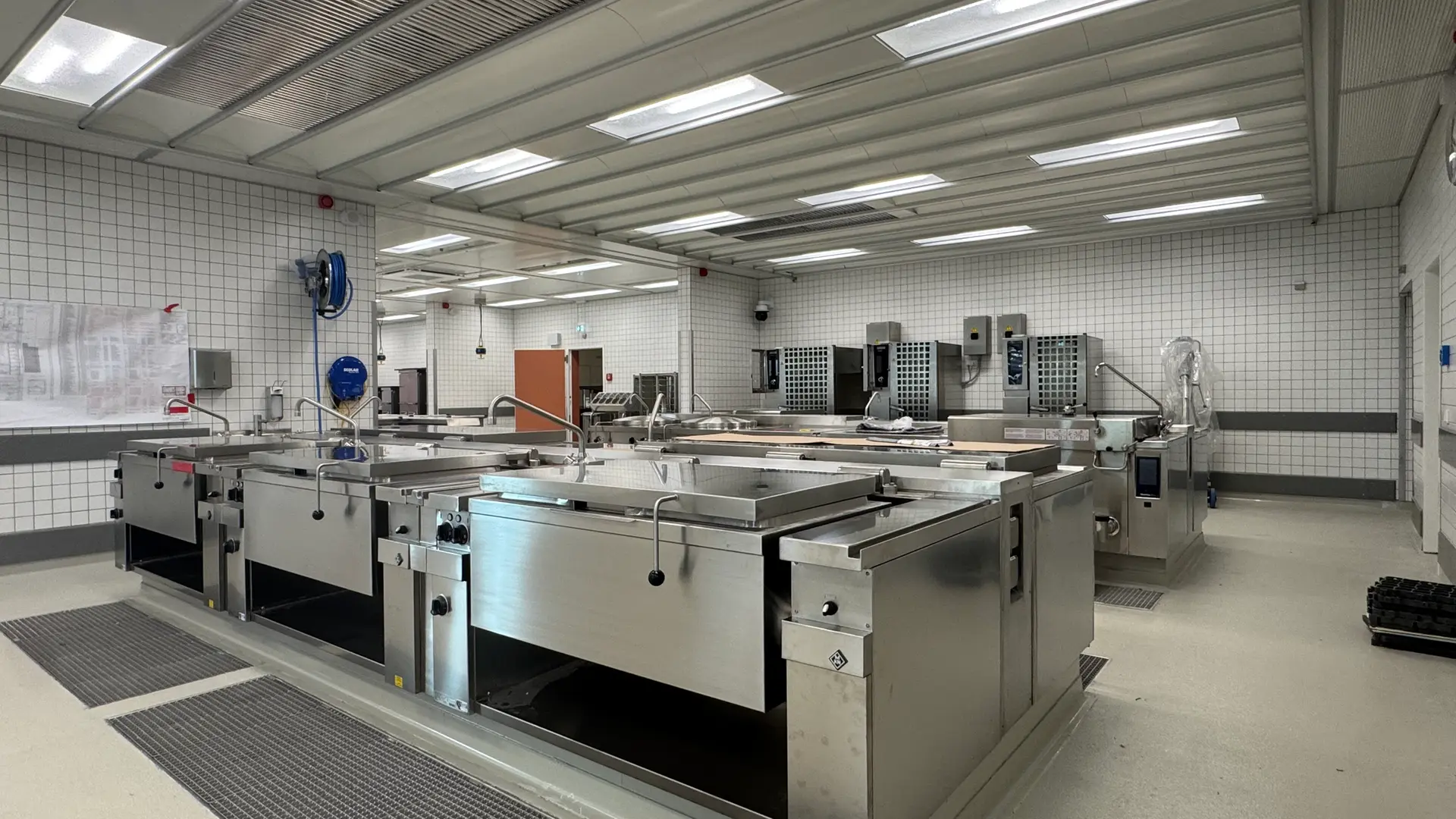
The project represents a decisive move away from the antiquated, inefficient, and unhygienic conditions that plagued the prison’s previous culinary infrastructure. Beyond the operational necessity of providing meals, the facility functions as a cornerstone for labor and training. Twenty inmates are employed directly within the main kitchen, while an additional 18 individuals have the opportunity to pursue professional qualifications in cooking and food service—skills that are intended to significantly improve their prospects for social and economic reintegration upon release.
Chronology of the Modernization Effort
The road to the inauguration of this facility has been a long-term strategic endeavor. Since the early 1990s, the Free State of Saxony has poured over 116 million euros into the Bautzen correctional complex, acknowledging that the historic site—much of which is over 120 years old—required comprehensive updates to meet 21st-century standards.
- Pre-2023: The prison relied on a legacy steam-cooking system, which had become technologically obsolete and difficult to maintain. Authorities identified not only mechanical failures but also persistent hygienic challenges inherent to the historical architecture of the site.
- 2023: Construction commenced. The project required careful integration, as planners were tasked with erecting a modern industrial facility that would not clash with the protected, landmarked status of the century-old prison ensemble.
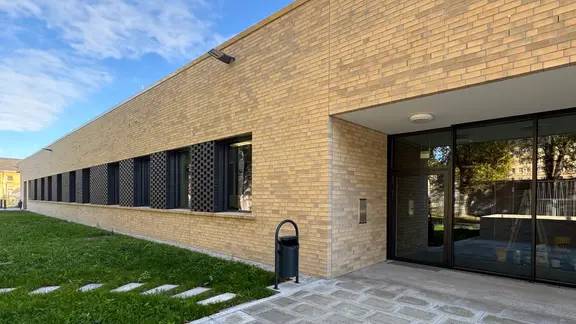
- 2026 (Mid-Year): The architectural design, featuring a distinct Klinker (brick) façade, was completed, ensuring the new structure blends seamlessly with the historical aesthetics of the prison walls.
- October 2026: Following a three-year construction period, the facility was officially handed over to the JVA administration. The kitchen is now entering its final phase of commissioning and trial operations before full-scale integration into the daily prison rhythm.
Supporting Data: Infrastructure and Safety
The scale of the investment reflects the complexity of the project. The 23-million-euro budget covered not only the construction of the building itself but also the installation of sophisticated, high-capacity catering equipment.
A central feature of the new kitchen is the integration of a digital inventory and security tracking system. In any correctional facility, cutlery and kitchen implements are high-risk items. To mitigate this, JVA Bautzen has implemented a digital knife control system. This ensures that every utensil is accounted for, creating an electronic audit trail that prevents items from being removed from the kitchen area.
"We do not just hand out knives to anyone," explained JVA Bautzen director Oliver Schmidt. "We select participants based on their reliability and behavior. The digital system provides an extra layer of oversight, ensuring that security is maintained without compromising the vocational training aspect of the program. To our knowledge, this is a pioneering model project for the German correctional system."
Official Responses: Reimagining Rehabilitation
The perspective from the Saxon state authorities, represented by the Saxon Real Estate and Construction Management (SIB), emphasizes the necessity of the project. Jaroslaw Golaszewski, a spokesperson for the SIB, was blunt about the state of the old facilities: "The technical installations were severely outdated. We were operating a steam-kitchen that simply did not meet modern standards. Coupled with the sanitary issues, a total replacement was the only viable path forward."

The focus remains on the "Resozialisierung" (social reintegration) of the inmates. By providing a clean, professional, and modern environment, the prison administration aims to mirror the working conditions found in private-sector industrial kitchens. This transition is expected to foster a stronger work ethic and provide inmates with a tangible certification that holds value in the outside labor market.
Implications for the Future of JVA Bautzen
The completion of the kitchen is not the end of the road for the JVA Bautzen modernization program, but rather a vital component of a broader strategy. The prison continues to be an active site of renovation, with administrators looking at how digital and technological advancements can be further integrated into other aspects of life behind bars.

The Human Element
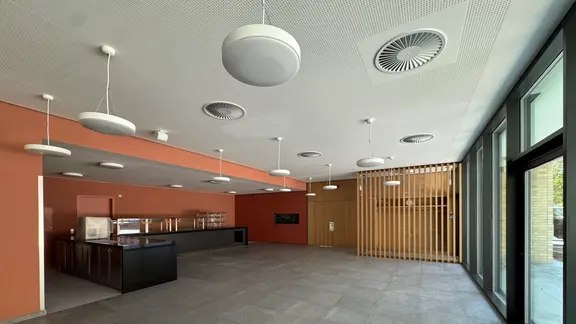
The facility’s design also considers the psychological environment of the institution. The new dining hall, for example, features warm, red-toned walls and wood-accented furniture. While these choices might seem purely decorative, they are intended to create a "mediterranean" and welcoming atmosphere, which, according to psychological studies in criminology, can help lower the ambient stress levels of both staff and inmates. This shift toward a more humane, albeit strictly regulated, environment is a core tenet of the modern German prison model.
Wider Impact
Beyond the walls of the JVA, the investment signals a commitment from the Free State of Saxony to maintain its facilities to a standard that respects human rights and dignity. By investing 116 million euros into the Bautzen location over the past three decades, the state is demonstrating that the prison is not a static facility to be forgotten, but a functional part of the community that requires ongoing capital expenditure.

Challenges Ahead
Despite the success of this project, the administration acknowledges the ongoing challenge of maintaining such a complex in an era of tightening budgets and high inflation. The energy-efficiency of the new kitchen is expected to provide long-term cost savings compared to the old, inefficient steam-based system. However, the true success of this project will be measured by the rate at which inmates who undergo the culinary training program successfully find employment upon their release.
If the model project for digital knife control proves successful in Bautzen, it is highly likely to be exported to other correctional facilities across Germany. This potential for scalability underscores the importance of the Bautzen project; it is not just a kitchen, but a testing ground for future security and rehabilitation protocols.
Conclusion: A Step Toward Modernity
The inauguration of the kitchen at JVA Bautzen is a milestone that bridges the gap between the 19th-century architecture of the prison and the 21st-century requirements of the German legal system. Through careful planning, significant financial investment, and a focus on both security and vocational development, the state has created a facility that serves the practical needs of the prison population while simultaneously addressing the societal imperative of preparing offenders for a productive life after their sentences conclude.
As the facility enters its trial phase, the eyes of the German correctional community will be on Bautzen. If this project achieves its dual goal of heightened security through digital oversight and improved rehabilitation through modern vocational training, it will serve as the blueprint for future prison infrastructure projects throughout the country. For now, the smell of fresh, home-cooked food in the Bautzen dining hall serves as a subtle but powerful reminder of the potential for change, even within the confines of a high-security environment.