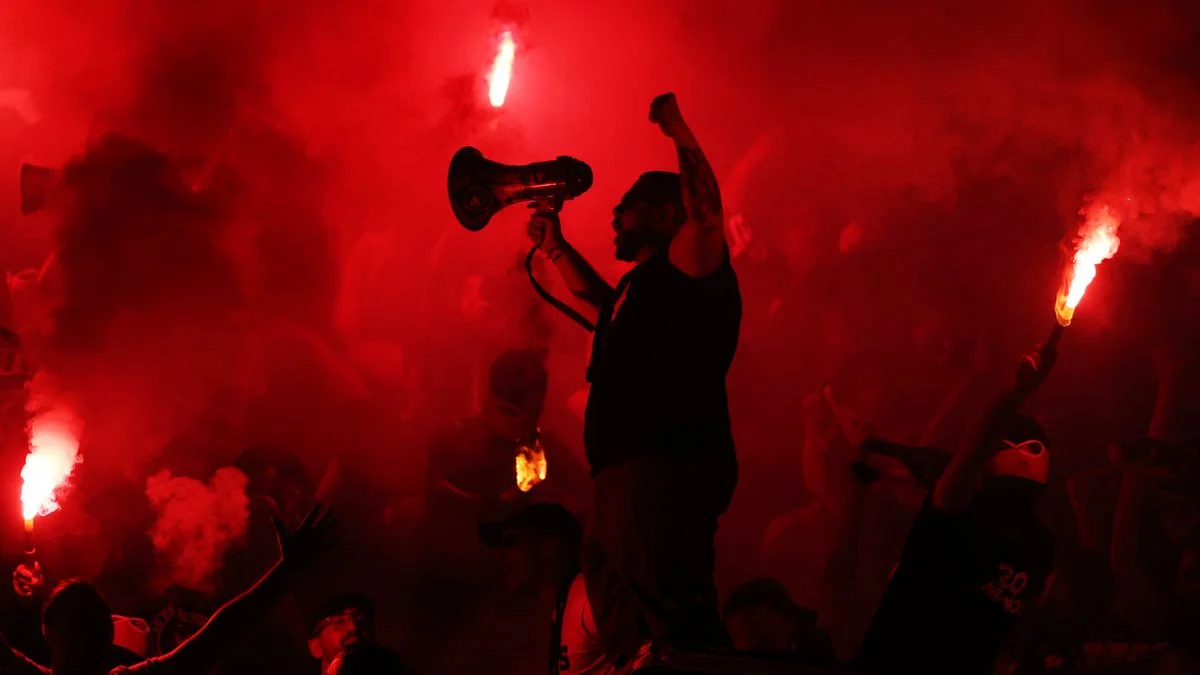
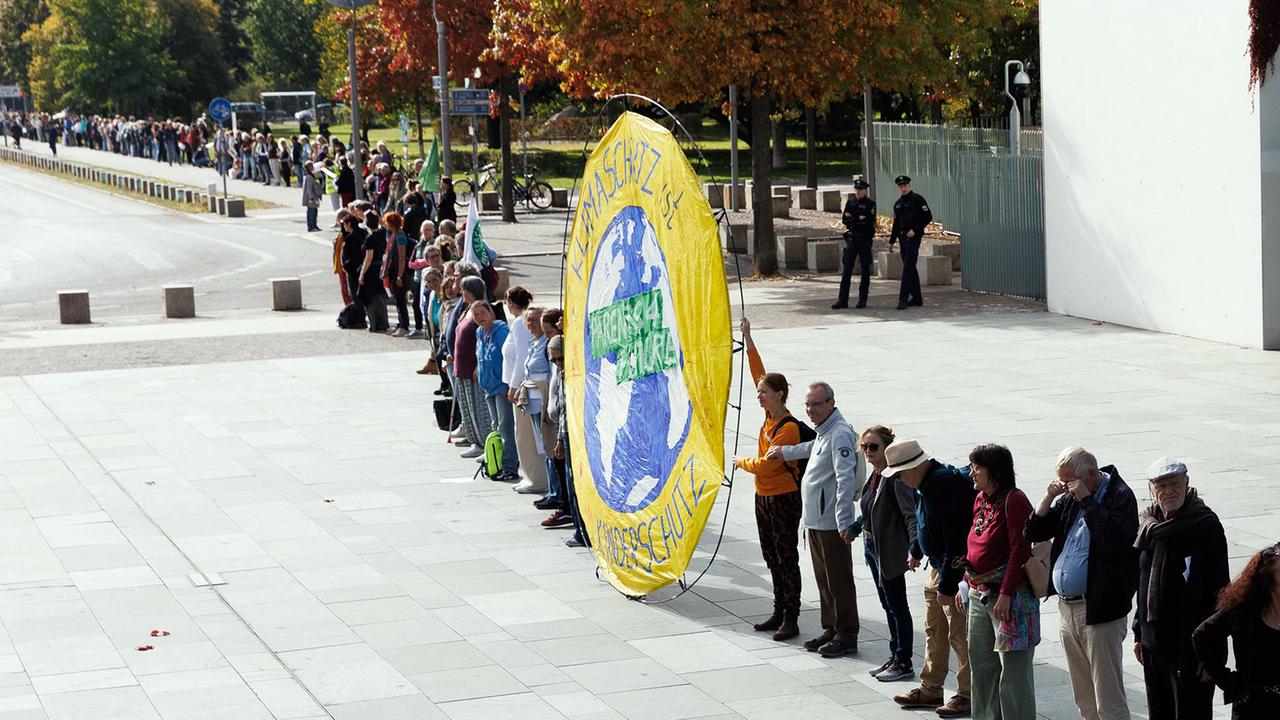
Berlin, October 3, 2026 – In a powerful display of civil society mobilization, tens of thousands of citizens across Germany took to the streets today, linking arms in a coordinated series of human chains to demand a radical shift in environmental policy. Under the urgent banner "Es brennt!" (It is burning!), the protests spanned over 100 cities, serving as both a mourning ritual for the climate-ravaged summer and a defiant demand for a sustainable future.
The movement, characterized by the symbolic use of blank white pages representing a "clean slate" for policy-making, drew an estimated 19,000 participants. The chains, stretching a combined 21 kilometers across the country, functioned as a physical manifestation of the protesters’ demand for a bridge between scientific reality and political action.
The Core Objectives: Beyond Symbolic Protest
The protest was not merely a display of presence but a structured demand for systemic reform. Organized by a broad coalition—ranging from environmental heavyweights like the German Environmental Aid (DUH) and Fridays for Future to social pillars like trade unions, church groups, and the advocacy collective "Omas gegen Rechts" (Grandmas Against the Right)—the movement aims to address the intersection of climate degradation and democratic erosion.
At the heart of the organizers’ grievances is the assertion that the current political establishment is failing to protect the citizenry from the existential threats of the 21st century. By highlighting the rising toll of heat-related deaths, devastating floods, and the recurring, uncontrollable forest fires that have plagued Europe, the coalition argued that the status quo is not only unsustainable but negligent.
"We are standing here because our basic life-support systems are failing," said a representative from the coalition. "We are not just protesting for ourselves; we are acting on behalf of our children, grandchildren, and the generations yet to come who will inherit a scorched earth if we do not pivot now."
Chronology of a Coordinated Mobilization
The day’s events began in the early morning as local groups coordinated assembly points in major urban centers, including Berlin, Dresden, and Munich.
- 10:00 AM: Initial gatherings began in western and southern Germany. In Karlsruhe, the symbolic heart of the protest, the chain originated near the Federal Constitutional Court, emphasizing the legal and constitutional weight of the protesters’ demands.
- 12:00 PM: The chains reached peak density. Organizers confirmed that by midday, the collective length of the interconnected human links reached 21 kilometers.
- 02:00 PM: Rallies transitioned from the formation of chains to public forums and speeches. Participants held up blank white sheets of paper—a stark, visual metaphor for the "fresh start" they demand from the government.
- 04:00 PM: The event concluded in Berlin, with the final segments of the chain reaching the doorstep of the Federal Chancellery, delivering a silent but unmistakable message to the nation’s leadership.
The Scientific and Social Backdrop
The urgency driving this movement is supported by a grim statistical reality. The 2026 summer season saw record-breaking temperatures that resulted in a significant spike in heat-related mortality rates across Central Europe. Furthermore, the increasing frequency of "climate-induced disasters"—including severe flash flooding and massive forest fires—has moved from the periphery of public concern to the center of daily survival.
However, the protesters’ anger is directed as much at the process of governance as it is at the climate itself. A recurring theme during today’s demonstrations was the accusation that the democratic process has been "subverted by lobby groups." Many speakers argued that powerful industrial interests, particularly in the energy and transport sectors, have effectively paralyzed legislative progress, preventing the adoption of the ambitious climate goals necessary to meet international agreements.
Official Responses and Political Silence
As of late afternoon on October 3, the official response from the federal government remained measured. While individual ministers acknowledged the peaceful nature of the demonstrations, there has been no immediate announcement regarding a shift in policy or a meeting with the protest organizers.
Political analysts suggest that the government is in a difficult position. With the economy facing headwinds and energy costs remaining a sensitive topic, the administration is hesitant to embrace the "radical" restructuring demanded by the activists. Critics of the protest, including some industry lobbyists, have characterized the demands as economically unfeasible, arguing that a rapid transition would jeopardize jobs and national competitiveness.
Conversely, opposition parties and several regional governments have expressed sympathy for the protesters, citing the "unavoidable reality" of the climate crisis. The tension between these two camps—those prioritizing immediate economic stability and those prioritizing long-term planetary survival—remains the central fault line in German politics.
Implications for the Future of Climate Activism
The success of today’s "Es brennt!" action signals a shift in the strategy of climate advocacy. By moving beyond traditional street protests and into the realm of symbolic, cross-city connectivity, the organizers have successfully demonstrated that the climate movement is no longer the sole domain of youth activists. The participation of unions and religious organizations suggests a broadening of the movement’s base, moving climate policy from a "niche" issue to a central tenet of the broader social contract.
The Legislative Path Forward
The choice of the Federal Constitutional Court in Karlsruhe as a starting point is highly significant. In recent years, the court has played a pivotal role in climate litigation, famously ruling in previous instances that the government’s failure to act infringes upon the future freedoms of younger generations. By linking the Court to the Chancellery, the protesters are signaling that they intend to use every available legal and democratic avenue to force a change in trajectory.
The "Fresh Start" Demand
The symbol of the blank page is not merely an artistic choice; it is a direct challenge to the current administration’s legislative agenda. The protesters are effectively calling for a "Year Zero" approach to climate policy—a rejection of incrementalism in favor of an emergency-level legislative package that prioritizes carbon neutrality and adaptation strategies.
Conclusion: A Nation at a Crossroads
As the sun sets on October 3, the human chains have dispersed, but the questions they posed remain. The events of the day have underscored a growing disconnect between the public’s perception of the climate crisis and the government’s measured policy responses.
The success of this movement will likely be measured in the coming months by whether it can maintain this momentum. Will the "blank page" lead to a rewriting of the national agenda, or will it remain a poignant symbol of a society that recognized its crisis but lacked the political mechanisms to solve it? For now, the thousands who stood in the streets have made their position clear: they are no longer asking for minor concessions; they are demanding a new foundation for the future of their democracy and their environment.
The fires they describe are not just environmental—they are political. And as the coalition behind the movement has made clear, they have no intention of letting the ashes settle until they see a genuine commitment to a sustainable, equitable future.