In the quiet, often isolating aftermath of military service, the transition to civilian life can be a battlefield of its own. For many veterans of the German Armed Forces (Bundeswehr) grappling with the invisible wounds of service—Post-Traumatic Stress Disorder (PTSD)—daily life can feel like a gauntlet of anxiety. A unique initiative, fueled by public generosity and the specialized training of Labrador Retrievers, is providing a bridge back to normalcy, proving that sometimes the most effective medicine has a wet nose and a wagging tail.
The Invisible Burden: Understanding the Need
For many veterans, the return to civilian society is marked by hyper-vigilance, social withdrawal, and an inability to process environmental triggers that remind them of their service. While clinical therapies remain the cornerstone of treatment, a growing body of evidence suggests that assistance dogs play a critical role in stabilization.
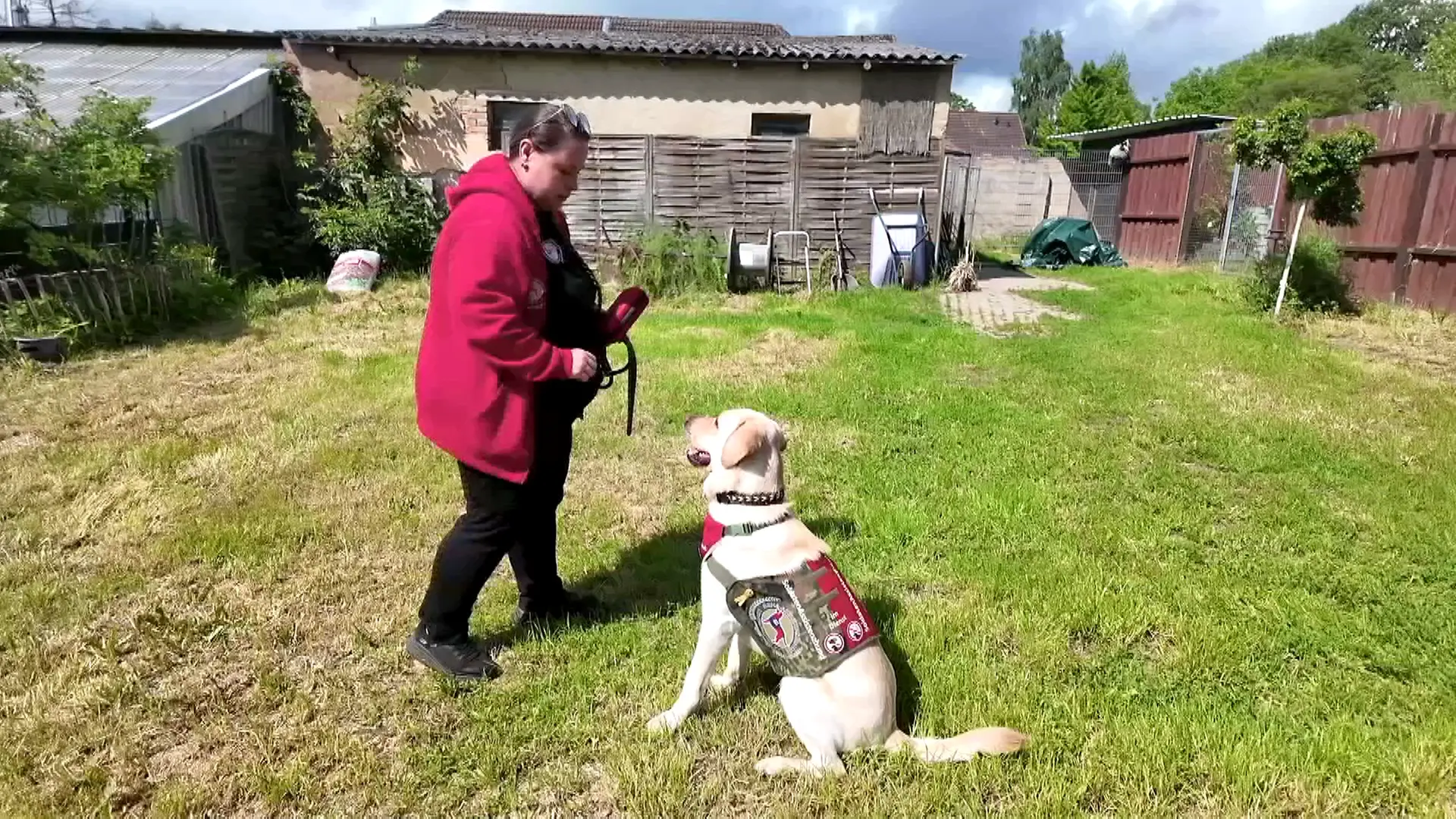
Unlike traditional pets, these specially trained Labradors act as "early warning systems." They are conditioned to sense physiological changes in their handlers—such as elevated heart rate, rapid breathing, or subtle shifts in scent—that precede a panic attack. By intervening, the dogs can ground the veteran, providing a physical anchor that helps them navigate crowded spaces, supermarkets, or public transport with a renewed sense of security.
Chronology: From Training to Trust
The journey of a service dog is long and rigorous, spanning up to two years of intensive preparation.

- Puppy Selection: Trainers focus on temperament above all else. Labradors are chosen for their high sociability, intelligence, and a "will to please" that makes them ideal for tasks that require intense focus in distracting environments.
- The Foundation Phase: During the first year, the focus is on basic obedience and social acclimatization. The dogs must learn to ignore environmental stimuli that might distract them, from loud noises to the bustle of urban life.
- Specialized Task Training: Once the foundation is solid, the dogs begin training for specific trauma-related tasks. This includes "blocking" (standing between the veteran and others in a crowd to provide personal space), "waking" (disturbing the veteran during night terrors), and providing deep-pressure therapy to calm the nervous system during an anxiety episode.
- The "Handover" Period: The final, and perhaps most critical, phase involves the pairing of the dog with the specific veteran. This process ensures a bond of mutual trust. The dog is not merely a tool, but a partner that learns the specific emotional rhythms of their owner.
Financial Hurdles and the Power of Community
The specialized training required for a high-level service dog is prohibitively expensive, often costing tens of thousands of euros. These costs cover the initial breeding, professional training hours, veterinary care, and the specialized equipment needed for the handler.
In a recent, heartwarming demonstration of public solidarity, a significant funding gap for these dogs was bridged through a community-driven donation campaign. These campaigns often rely on grassroots support, proving that the civilian population remains deeply invested in the welfare of those who served in the armed forces. For many donors, it is a way to acknowledge the sacrifice of the soldiers while contributing to a solution that provides tangible, daily improvement to the quality of life for a veteran in need.
The Science of the Human-Animal Bond
Why the Labrador? Aside from their gentle disposition, the breed is highly receptive to human non-verbal communication. Research into the bond between veterans and their dogs highlights a significant reduction in cortisol levels—the body’s primary stress hormone—among veterans who are paired with service animals.
"The dog provides a non-judgmental presence," notes a representative from the training organization. "When a veteran is in the midst of an episode, they often feel a sense of shame or isolation. The dog doesn’t see a diagnosis; the dog sees a human being who needs help. That simple, unconditional acceptance is often the first step toward genuine healing."
Official Responses and the Path Forward
The Bundeswehr and various veteran support organizations have increasingly acknowledged the legitimacy of these service dogs. While there are ongoing debates regarding the standardization of certification and the inclusion of these costs in national healthcare insurance, the success stories are becoming too frequent to ignore.
"We see a direct correlation between the introduction of a trained service animal and a reduction in the need for certain pharmaceutical interventions," says a military mental health professional. "While we don’t advocate for the dog as a replacement for medical therapy, it is an essential, complementary component of a holistic recovery plan."
Implications: A Model for Wider Implementation?
The success of these programs has profound implications for how we treat post-conflict trauma. If the state-sponsored medical system is unable to cover the full costs of such intensive training, the model of public-private partnerships—where charities, donors, and specialized trainers work in tandem—provides a scalable blueprint.
1. Expanding Access
The biggest challenge remains accessibility. If these dogs are proven to be highly effective, the goal must be to transition from "charity-funded" to "systematically funded." This would involve legislative changes that classify these animals as medical equipment rather than pets, which would allow for easier access to public buildings and potentially open doors for insurance coverage.

2. Standardizing Training
Not all service dogs are created equal. As the demand for these companions grows, so does the risk of "pseudo-service dogs" that lack the necessary training. Future efforts must focus on a centralized certification body that ensures every dog paired with a veteran meets the highest standards of behavioral and task-based performance.
3. The "Ripple Effect" on Families
It is important to note that the benefit of these dogs is not limited to the veteran. Families of veterans often report that the return of their loved one’s ability to engage with the world has restored their own sense of family cohesion. The dog often acts as a bridge, making the veteran more approachable and less likely to retreat into a shell of silence.
Conclusion: More Than Just a Companion
The story of the Labrador and the veteran is a poignant reminder that recovery from trauma is rarely a solitary endeavor. It requires a network of support, patience, and often, an unconventional ally. As these dogs continue to serve as quiet, steadfast guardians, they teach us that while the scars of war may be invisible to the human eye, they are not insurmountable.
Through the combination of rigorous professional training and the unwavering support of the public, we are seeing a shift in how we approach veteran care. We are moving beyond just "treating the symptoms" and toward "restoring the life." The Labrador is not just a dog; it is a catalyst for reclaiming the dignity, independence, and peace of mind that every veteran deserves.

As the program moves forward, the focus will shift toward sustainability—ensuring that the funding, training, and support systems are in place so that no veteran who could benefit from this unique, life-changing intervention is left behind. The success of this campaign is not just in the money raised, but in the lives that will be transformed, one walk at a time.