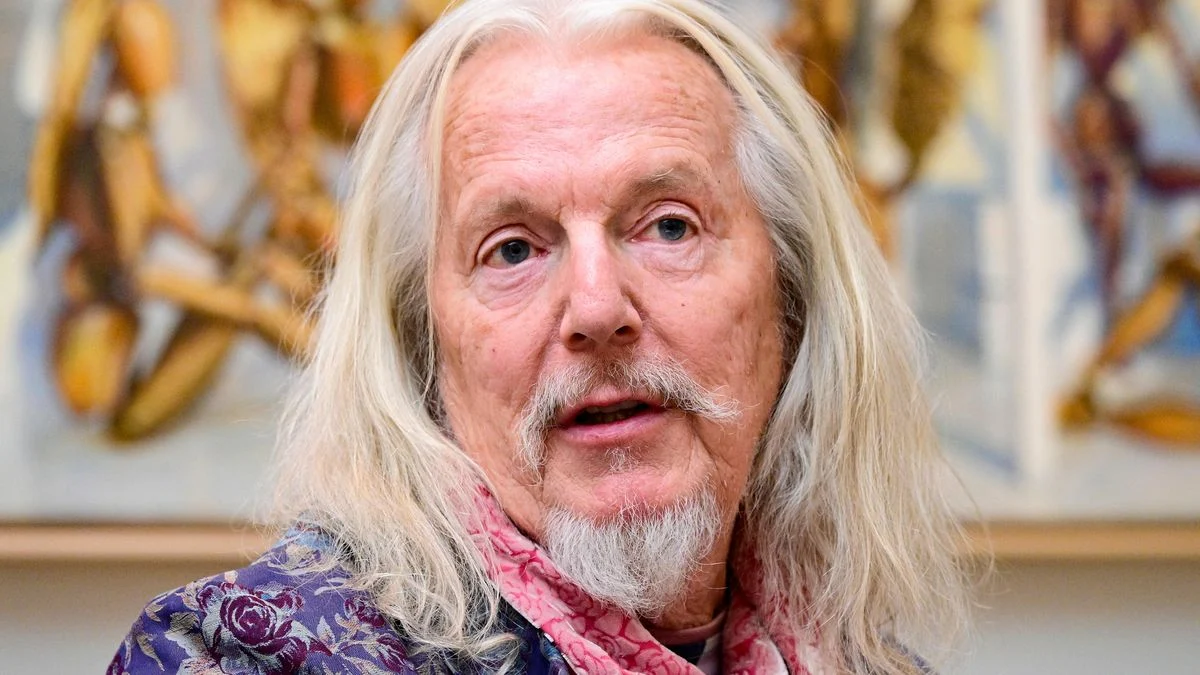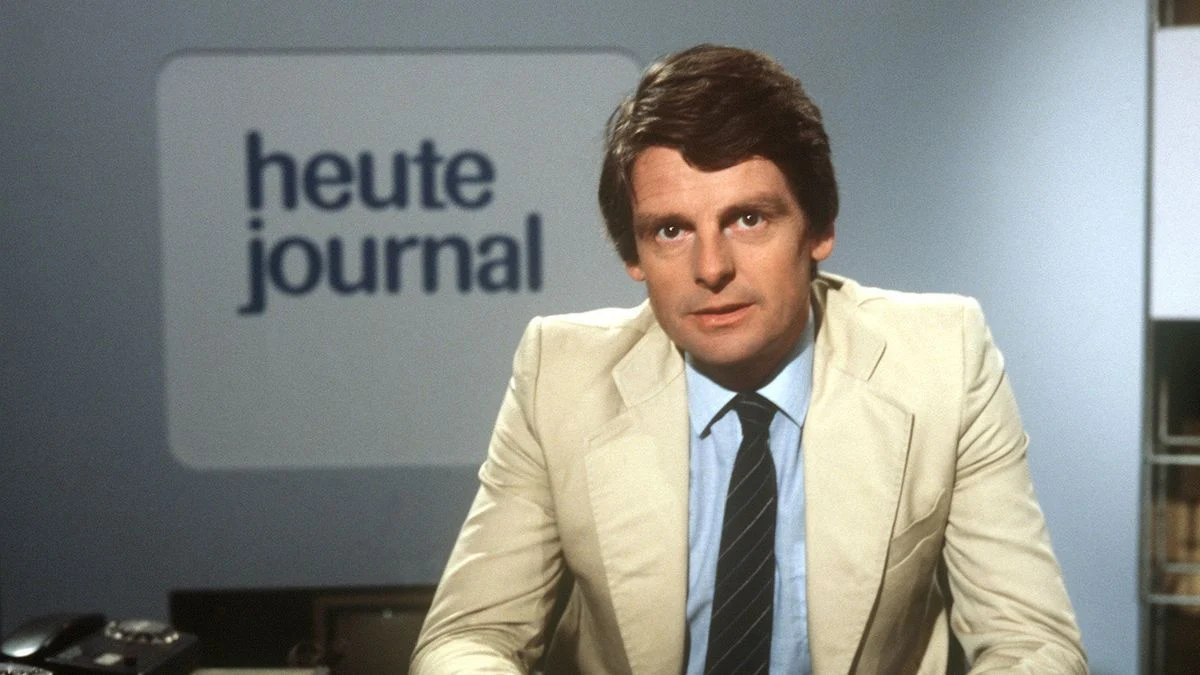
The landscape of German television is mourning the loss of one of its most formidable architects. Klaus Bresser, the legendary former editor-in-chief of ZDF, passed away in Berlin this past Wednesday at the age of 90. As a titan of the public broadcasting system, Bresser’s career spanned decades of seismic political and social change, and his influence remains woven into the very fabric of contemporary German news reporting.
ZDF confirmed the news of his passing, sparking an outpouring of tributes from across the media and political spectrum. Bresser, who led the news division of Germany’s second-largest public broadcaster from 1988 to 2000, was not merely an administrator; he was a visionary who defined what rigorous, independent, and fair journalism looked like in a post-Cold War world.
The Architect of Modern News: A Chronology of a Career
To understand the evolution of German television, one must understand the trajectory of Klaus Bresser. Born in Berlin in 1934, Bresser’s journey into the heart of the fourth estate began with his apprenticeship at the Kölner Stadt-Anzeiger. His early years in the print medium provided him with a foundation of investigative tenacity that would later define his television work.
Before ascending to the top of the ZDF hierarchy, Bresser honed his craft at the Westdeutscher Rundfunk (WDR), where he served as the editorial director of the influential investigative magazine Monitor. It was here that he cultivated his reputation as an uncompromising truth-seeker, a trait that would eventually propel him to Mainz, the headquarters of ZDF.
The ZDF Era (1988–2000)
When Bresser took the helm as editor-in-chief in 1988, the television landscape was undergoing rapid transformation. Over the next twelve years, Bresser acted as a catalyst for innovation. He did not simply oversee news operations; he built the infrastructure of modern political reporting in Germany. Among his most significant contributions was his role in co-conceiving, moderating, and directing the heute journal, which remains the gold standard for daily news analysis in Germany.
He was also the architect behind the iconic interview series Was nun, …? (What now, …?), a format that forced political leaders to face direct, unvarnished questions—a practice that established a new standard of accountability in the German political discourse. His tenure saw the introduction of several staples of German television, including:
- Bonn direkt: Bridging the gap between the seat of government and the public.
- ZDF spezial: Dedicated, deep-dive coverage of major unfolding events.
- ZDF-Morgenmagazin: Redefining the morning news cycle.
- Frontal: A program that signaled his commitment to investigative, sometimes controversial, journalism.
The Professional Ethos: Precision and Independence
Klaus Bresser’s legacy is defined by a commitment to "journalistic craftsmanship." In an era where media landscapes were becoming increasingly polarized, Bresser remained a stalwart defender of the public service mandate. He believed that the primary responsibility of a journalist was to act as a neutral arbiter of facts, facilitating an informed electorate rather than pushing a partisan agenda.
His colleagues often describe a man who was as demanding of himself as he was of his staff. He championed a culture of clarity, encouraging young journalists to prioritize substance over sensation. This pedagogical approach to leadership meant that Bresser did not just run a newsroom; he ran a school of journalism. Many of the leading voices in German broadcasting today count themselves as beneficiaries of the standards Bresser set during the 1990s.
Official Responses and Tributes
The passing of Bresser has prompted official statements that underscore his stature as a pillar of German democracy.
Norbert Himmler: A Champion of Public Broadcasting
ZDF Director-General Norbert Himmler was among the first to pay tribute, emphasizing Bresser’s unwavering commitment to the public service mission. "We are mourning a decisive champion of the public service information mandate," Himmler stated. "Klaus Bresser left a lasting mark on the journalistic profile of ZDF and always stood for independence and fair treatment."
For Himmler, Bresser was a touchstone of professional integrity, someone who understood that the survival of public broadcasting depended on its ability to earn the trust of the public through accuracy and impartiality.
Bettina Schausten: The Enduring Influence
The current editor-in-chief of ZDF, Bettina Schausten, noted that Bresser’s influence is not a relic of the past but a living, breathing component of today’s newsroom. "Klaus Bresser stands for precise journalistic craftsmanship," Schausten remarked. She pointed out that programs he established, such as heute journal and Was nun, …?, continue to define the broadcaster’s output. "He shaped television and an entire generation of journalists who followed in his footsteps."
The Implications of His Legacy
The death of Klaus Bresser comes at a time when the model of public broadcasting is under increasing pressure globally. As social media and digital platforms challenge traditional news gatekeepers, Bresser’s career serves as a vital reminder of the value of centralized, high-quality, and independent journalism.
Ensuring Quality in an Age of Disinformation
Bresser’s insistence on "fairness" and "independence" is particularly relevant today. In the 1990s, the challenges were different—the German reunification process, the integration of East German media, and the rapid expansion of private television competitors. Bresser managed to keep ZDF relevant and authoritative during these chaotic transitions. Today, the challenges are those of algorithms and echo chambers. His legacy challenges current media leaders to maintain the same level of intellectual rigor, ensuring that public broadcasters remain the reliable bedrock of truth in an age of fragmented information.
Mentorship as a Institutional Pillar
Perhaps the most lasting implication of Bresser’s work is the culture of mentorship he fostered. By prioritizing the development of young talent, he ensured that his standards of reporting were institutionalized. The "Bresser School" of journalism—characterized by sharp, concise, and probing reporting—is still present in the editorial decisions made at ZDF today.
Conclusion: A Final Sign-off
Klaus Bresser’s life was an embodiment of the democratic ideal that a free press is the lifeblood of a functioning society. He navigated the halls of power with a microphone in hand, never losing sight of his duty to the viewer. Whether he was moderating election night coverage or grilling a chancellor on Was nun, …?, Bresser approached his work with a sense of purpose that transcended the television screen.
As the German media landscape reflects on his contribution, the consensus is clear: Bresser was not just a journalist; he was a guardian of a professional standard. His death marks the end of an era, but his influence continues to resonate in every news bulletin that prioritizes fact over opinion and the public interest over political convenience.
In the final assessment, Klaus Bresser did more than report the news; he taught a nation how to watch it. He leaves behind a legacy that will continue to inform, challenge, and shape the future of German public broadcasting for years to come. As his colleagues and the public bid him farewell, the industry he helped build remains committed to the principles he so fiercely defended: independence, integrity, and the pursuit of truth.