Reported on October 2, 2026
The summer of 2026 will be remembered by climatologists and citizens alike as a turning point in Europe’s environmental history. According to data released by the European Union’s Copernicus Climate Change Service, the continent has just endured its most brutal, stifling, and arid summer since modern record-keeping began. The findings paint a harrowing picture of a region struggling to adapt to a rapidly accelerating climate crisis, with heatwaves that broke longevity records, pushed healthcare systems to their limits, and decimated vital water resources.
The Scale of the Crisis: Breaking the 2003 Benchmark
For decades, the summer of 2003 served as the grim standard for extreme heat in Europe. That year, thousands perished in a heatwave that caught governments and public health infrastructures entirely off guard. In 2026, however, those records have been comprehensively dismantled.
Western Europe experienced a summer defined by relentless heat, with an average temperature of 21.7°C—a staggering 2.5 degrees Celsius above the long-term average calculated between 1991 and 2020. Perhaps more concerning than the mean temperature is the frequency of extreme events. In over half of Western Europe, residents endured 17 days where the mercury climbed above 30°C. By comparison, the previous record—set in 2003—was 11 days. In the preceding year, 2025, the region saw only seven such days, highlighting the erratic and aggressive escalation of these weather patterns.
Chronology of an Unrelenting Season
The heat did not arrive as a singular, short-lived event; it manifested as a prolonged, seasonal siege. While the peak intensity occurred throughout the summer months, the atmospheric instability began as early as May. Unseasonable warmth during late spring set the stage, drying out the soil and reducing the ground’s ability to cool the atmosphere through evapotranspiration.
By June, the first major heat domes had settled over the continent, stifling the Iberian Peninsula and moving eastward. July and August saw the intensity reach its zenith, with temperatures consistently hovering well above historical norms. Even as the calendar turned to September, the "heat hangover" persisted. Record-breaking temperatures were still being recorded in parts of Western Europe well into the first weeks of autumn, preventing the usual seasonal recovery of natural ecosystems and placing further strain on urban infrastructure.
Supporting Data: The Anatomy of Heat Stress
The Copernicus report provides a chilling analysis of "heat stress," a metric that accounts for humidity and wind speed alongside raw temperature to measure the physiological impact on the human body.
During the peak of the 2026 summer, 52 percent of the European continent was subjected to "very strong" heat stress at various intervals. This classification is reserved for conditions where the perceived temperature exceeds 38°C (100.4°F). For the human body, sustained exposure to these levels is not merely uncomfortable; it is dangerous. The physiological toll manifests in increased cardiovascular strain, respiratory distress, and heat-related exhaustion.
Furthermore, the data regarding the marine environment is equally alarming. European seas reached unprecedented temperature levels, acting as massive thermal batteries that prevented coastal regions from cooling down overnight. This "marine heatwave" effect created a feedback loop, ensuring that the land-based heatwaves were more persistent and difficult to break.
The Ecological Toll: Fires and Dry Rivers
The environmental consequences of this sustained heat have been profound. The combination of soaring temperatures and severe lack of precipitation created a tinderbox effect across the European landscape.
According to the European Forest Fire Information System (EFFIS), the scorched earth left behind by this summer is unprecedented. By September 2, the total land area burned across the European Union was nearly double the average recorded between 2006 and 2025. These are not merely statistics; they represent the loss of biodiversity, the destruction of carbon-sequestering forests, and the displacement of thousands of residents from rural communities.
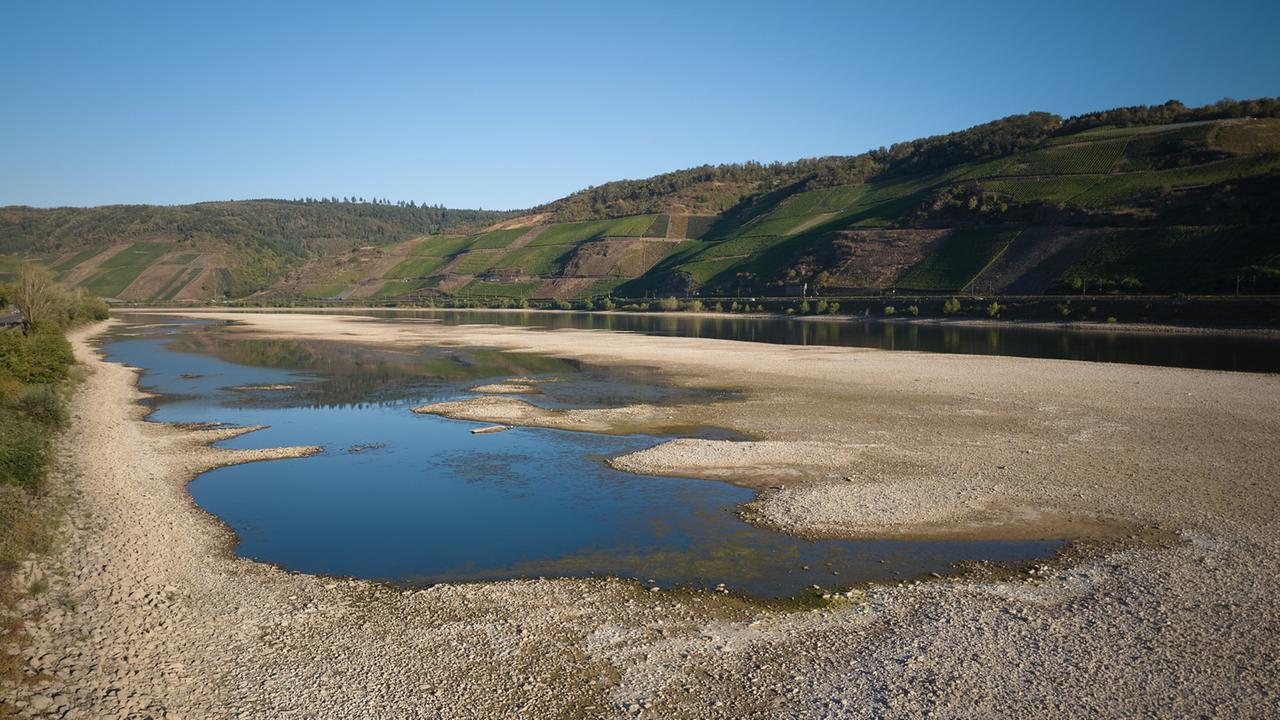
Simultaneously, the continent’s hydrological arteries—the great rivers—suffered historic lows. The Rhine and the Danube, vital conduits for commerce, energy production, and agriculture, saw their water levels drop to the lowest points since records began in 1992. This scarcity of water hindered the transport of goods, reduced the cooling capacity for nuclear power plants, and severely impacted agricultural output, raising fears about long-term food security and inflationary pressures on basic commodities.
Official Responses: A Call for Systemic Resilience
The scientific community is no longer debating whether the climate is changing; the focus has shifted entirely to the necessity of systemic adaptation. Samantha Burgess, the lead climate strategist at the European Centre for Medium-Range Weather Forecasts, emphasized that these are not isolated anomalies.
"We are witnessing overlapping, cascading climate extremes," Burgess stated in the wake of the report. "The summer of 2026 underscores that we are no longer preparing for a ‘future’ risk. We are in the midst of a current crisis that requires an immediate and profound shift in how we build resilience."
European policymakers are now under immense pressure to accelerate "Climate Adaptation Plans." This includes the retrofitting of urban centers to mitigate the "Urban Heat Island" effect, the creation of decentralized water management systems, and a complete overhaul of emergency response protocols to protect vulnerable populations—specifically the elderly and those in low-income housing—during extreme heat events.
Implications: A Continent Warming Faster
Perhaps the most sobering takeaway from the 2026 data is the confirmation that Europe is warming at a rate significantly faster than the global average. Scientists have long hypothesized this trend, but the data from this summer provides concrete evidence of a region caught in an accelerated heating cycle.
The implications for the next decade are clear. If 2026 is a harbinger of the "new normal," the socio-economic structure of Europe will face an existential stress test. The loss of life—with tens of thousands of additional heat-related deaths attributed to the season—serves as a grim indictment of current infrastructure.
Public health authorities are calling for a "heat-preparedness" culture similar to that seen in countries historically accustomed to extreme heat, such as those in the Middle East or parts of Australia. This involves a fundamental redesign of public spaces, a rethink of labor laws to protect outdoor workers, and a massive investment in energy-efficient cooling solutions that do not contribute to the very carbon emissions driving the warming.
Conclusion: The New Reality
The summer of 2026 has stripped away any remaining illusions regarding the speed and severity of the climate crisis. As Europe grapples with the aftermath of scorched forests, dry riverbeds, and a public health crisis that claimed far too many lives, the message from the Copernicus Climate Change Service is unequivocal: the environment has entered a new, more volatile state.
The continent now stands at a crossroads. The transition to a sustainable economy is no longer just a matter of environmental protection; it is a matter of basic survival and public safety. Whether the lessons of this record-breaking summer will translate into the necessary policy shifts remains the defining political challenge for the European Union in the coming years. For now, the evidence is in the air, in the soil, and in the record books—Europe is getting hotter, faster, and the time for incremental change has long since passed.