In the landscape of modern social media, the "perfect" soundtrack for a Story is a delicate science. Whether it is a photo of an artisanal Caesar salad, a short clip of a house cat, or a sunset over the city skyline, users have come to rely on Instagram’s algorithmic music suggestions to provide the appropriate sonic backdrop. However, for thousands of users over the past few weeks, the recommendation engine took a sharp, nostalgic, and—for many—bewildering turn.
The song in question: "Higher," the 1999 anthem by the post-grunge band Creed.
For weeks, users reported an inexplicable surge in suggestions to feature the track, leading to a wave of online speculation, humorous complaints, and a formal investigation by Meta, the parent company of Instagram. What began as a mild annoyance quickly evolved into a viral meme, prompting questions about the inner workings of recommendation algorithms and the mysterious resurgence of late-90s radio rock.
The Chronology of a Sonic Glitch
The phenomenon did not occur overnight. It began as a trickle of anecdotal reports on X (formerly Twitter) and Reddit in late summer 2026. Users noted that no matter the context of their content, the top-tier suggestion for music was consistently "Higher."
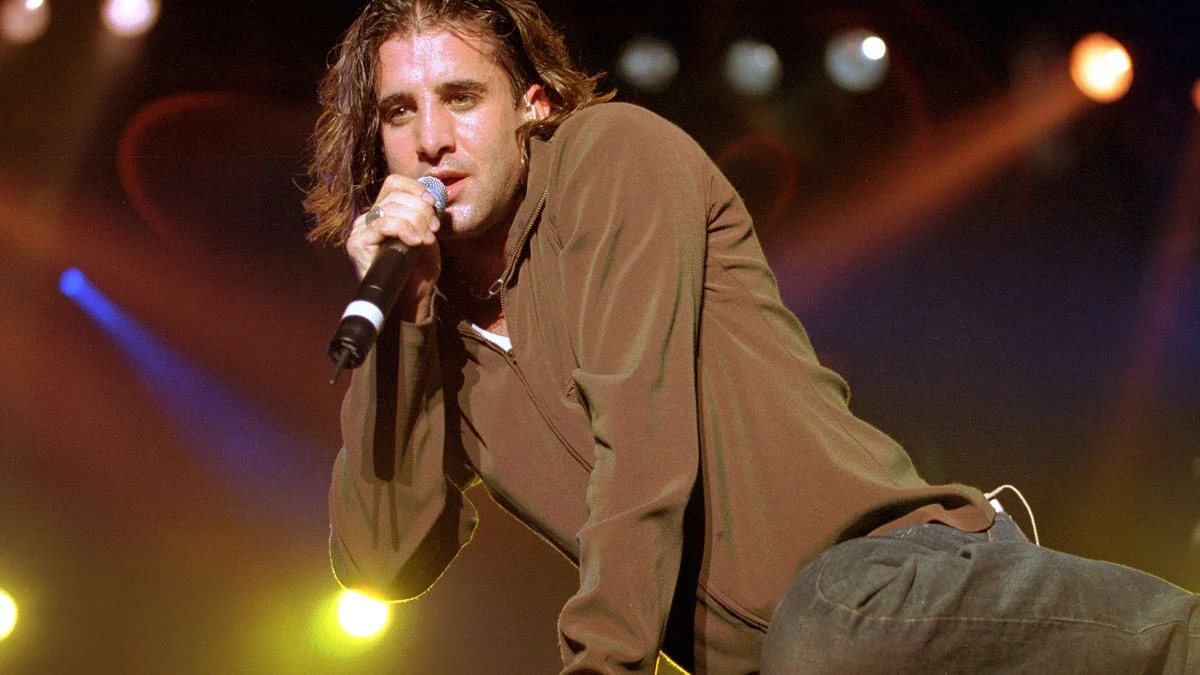
By early August, the trend had gained enough traction that users began documenting the absurdity. One user, posting a mundane photo of lunch, joked that the algorithm clearly had an agenda. By September, the "Creed-ification" of Instagram Stories reached a fever pitch. Social media feeds were flooded with posts from people who had no history of listening to Creed, no interest in post-grunge, and certainly no desire to overlay their gym progress or morning coffee with Scott Stapp’s iconic, gravelly vocals.
The consensus among users was not one of technological failure, but rather of a bizarre, corporate-sponsored conspiracy. Theories ranged from a massive marketing campaign funded by the band to a "troll" move by a rogue engineer at Meta. "I can’t prove it," one user wrote in August, "but I am certain Creed is paying Meta for this."
The Legacy of "Human Clay": A Polarizing Hit
To understand the confusion, one must look at the source material. When Creed released their second studio album, Human Clay, in 1999, they were a commercial juggernaut, despite being a lightning rod for critical vitriol. The band’s success was staggering; Human Clay sold millions of copies, achieving diamond status and spawning hits like "With Arms Wide Open" and "Higher."
Yet, the critical reception was notoriously harsh. The German Rolling Stone dismissed the record as "hard rock kitsch," while the US edition famously quipped that the album "might sound like it stands for something, but it is no Book of Revelations." The taz newspaper mocked the "wide-screen feelings" that relied almost entirely on the singer’s strained, emotive delivery. The Frankfurter Rundschau went as far as to suggest that if a song like "Higher" was the pinnacle of the band’s vision, then the genre was in deep trouble.

Despite the critical panning, the band’s commercial footprint was undeniable. However, by 2026, Creed had largely settled into the category of "ironic nostalgia"—making their sudden, algorithmic ubiquity on Instagram feel all the more jarring to a generation that views the band with a mixture of confusion and irony.
Investigative Deep Dive: CNN’s Inquiry
As the complaints mounted, major news outlets began to take notice. CNN, acting as the primary investigator into the "Creed glitch," spoke with a communications specialist who highlighted the absurdity of the situation.
"Every time I posted a story—be it a plate of food or my cat—I was told to add ‘Higher’ by Creed," the specialist noted. "I don’t follow Creed. I don’t listen to Creed. Which millennial was responsible for this decision?"
CNN’s investigation revealed that the issue was not isolated. The outlet compiled a repository of social media posts, all echoing the same frustration. The recurring presence of the song suggested a systemic bias in the recommendation engine, leading to the logical question: if the algorithm is supposed to be personalized, why was it so singularly focused on one 25-year-old rock track?
The Official Stance: A Bug in the Machine
Following the inquiry by CNN and mounting pressure from the user base, Instagram finally broke its silence. A spokesperson for the platform acknowledged the issue, admitting that even employees within the company had experienced the "Higher" bombardment.
"We have looked into the matter and discovered that this song is being offered to more people than intended," the spokesperson stated. The admission confirmed what many had suspected: the trend was not a result of a secret marketing blitz, but a technical failure within the platform’s recommendation architecture.
The response from Instagram was surprisingly candid, though it left many technical questions unanswered. While the company stated that they are "continuing to investigate" and working on a resolution, they offered no specific details on how a single song could bypass the personalized filtering that normally governs music suggestions.
The "Soulja Boy" Contrast: Algorithm vs. Reality
Perhaps the most fascinating aspect of the investigation occurred when CNN pushed further, asking why another track—"Turn My Swag On" by Soulja Boy Tell’em (2008)—was also frequently appearing as a suggestion.

In this instance, Instagram was quick to draw a line between the two phenomena. "That the Soulja Boy song is being suggested is not a bug," the company clarified. "It is actually popular on IG!"
This response provides a vital insight into how modern algorithms work. Instagram’s music engine operates on a hybrid model: it combines user-specific data (what you like) with aggregate trends (what is currently trending on the platform). The Soulja Boy suggestion was a successful implementation of the algorithm tracking genuine, widespread popularity. The Creed situation, by contrast, was a "dead-end" loop—a technical error that forced a non-trending, nostalgic song into the high-priority slots of the recommendation feed, effectively overriding personal preference with a static, hard-coded suggestion.
Implications for the Algorithmic Age
The "Creed Incident" serves as a microcosm for the precarious nature of algorithmic curation. In an era where platforms like Instagram, TikTok, and YouTube mediate almost every aspect of our digital consumption, the "Black Box" of the algorithm is often treated as an infallible oracle of personal taste.
When that system fails, it is usually subtle—a slightly less relevant ad or a missed notification. However, when the failure is as overt as being forced to soundtrack one’s life with 1999 post-grunge, it shatters the illusion of the "personalized feed."
For Meta, the implications are twofold:
- Trust in Curation: Users rely on the algorithm to save them time. When the algorithm suggests content that is objectively unrelated to the user’s history, it highlights the platform’s potential for manipulation—even if that manipulation is accidental.
- The Fragility of Infrastructure: The investigation revealed that even massive, sophisticated AI models can be prone to "stuck" states, where a single variable gains undue weight, potentially due to a caching error or an improperly weighted training set.
Conclusion: Lessons from "Higher"
As of late October 2026, the issue appears to be gradually resolving. The "Creed-ification" of Instagram is subsiding, but the memory of the ordeal remains a point of amusement for many. For the members of Creed, the unexpected, unintentional PR boost likely did little harm to their legacy. For the engineers at Meta, it remains a cautionary tale about the dangers of automated systems running without adequate human oversight.
In the end, the incident was a reminder that while the internet is a vast ocean of data, it is governed by lines of code that are just as fallible as the people who write them. Whether it’s a global platform or a local database, the algorithm is never truly objective—and sometimes, it just really wants you to listen to post-grunge from the turn of the millennium.