

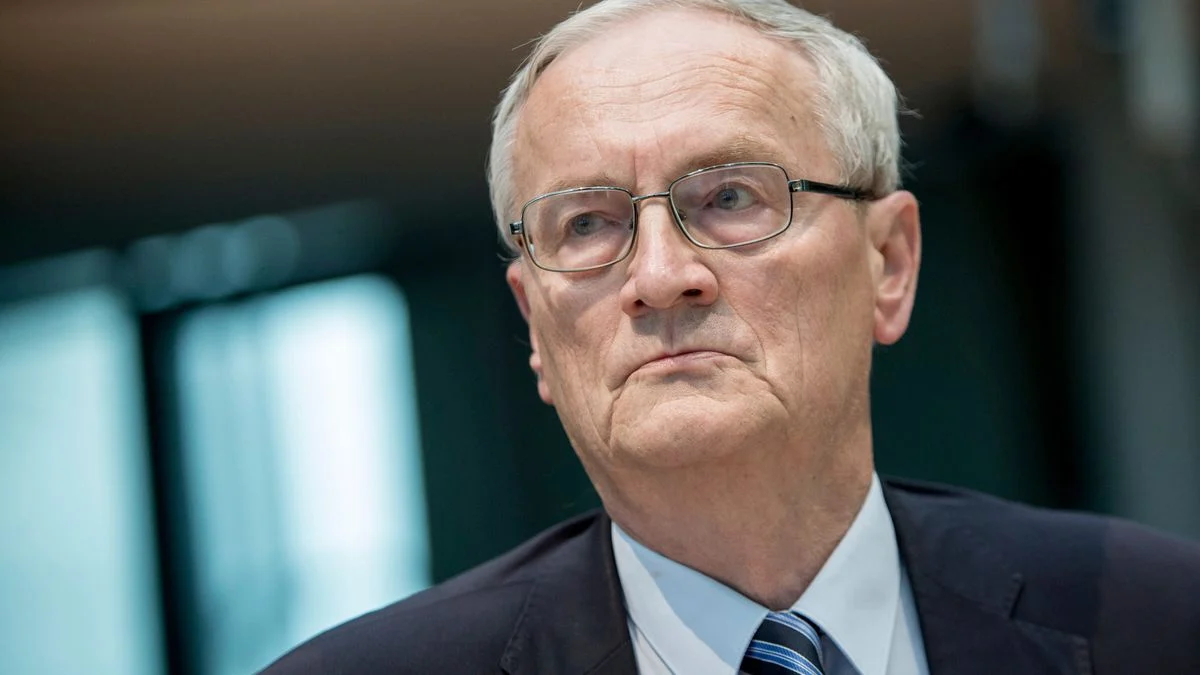
August Hanning was once the undisputed titan of the German intelligence community. As the President of the Federal Intelligence Service (BND) from 1998 to 2005 and later as a powerful State Secretary in the Interior Ministry, he was the man who shaped Germany’s security architecture in the post-Cold War era. Known for his cold, analytical demeanor and his deep ties to the highest echelons of global intelligence, Hanning was considered untouchable.
However, the shadows of his past have caught up with him. The recent legal and political fallout surrounding the "Block case"—a complex web of allegations involving influence peddling, leaked information, and sensitive security protocols—has transformed Hanning from a revered strategist into a figure of intense public and judicial scrutiny. This investigation explores how a career built on secrets ultimately collapsed under the weight of one.
Main Facts: A Reputation in Shambles
The controversy centers on allegations that August Hanning leveraged his extensive network of former intelligence contacts to interfere in sensitive investigations and administrative proceedings. At the heart of the matter is the "Block case," which pertains to the alleged unauthorized dissemination of restricted information.
Prosecutors and independent investigators are currently probing whether Hanning used his status as a former BND chief to pressure government officials to shield certain individuals from legal consequences. For a man who spent decades managing the nation’s most delicate state secrets, the irony of being embroiled in a scandal involving the compromise of information is not lost on the German public.
The primary allegations include:
- Abuse of Influence: Hanning is accused of improperly contacting active-duty security officials to steer the outcome of an ongoing investigation.
- The Breach of Protocols: There are serious questions regarding whether Hanning maintained access to sensitive, non-public data long after his retirement, potentially violating the strict secrecy laws he once enforced.
- Conflicts of Interest: Reports indicate that his private consulting activities may have overlapped with his former official duties, creating a murky ethical landscape that has now moved into the criminal realm.
Chronology: The Road to the Precipice
To understand the severity of the situation, one must look at the timeline of events that led to the current legal impasse.
The Foundation (1998–2009)
During his tenure as BND President, Hanning was the primary architect of Germany’s transition to modern, digital intelligence gathering. He enjoyed the full confidence of the Chancellery. Even after leaving the BND in 2005 to serve as State Secretary, his influence remained undiminished; he was a constant presence in the corridors of the Interior Ministry, mentoring a new generation of intelligence officers.
The Seeds of Doubt (2015–2021)
As Hanning transitioned into the private sector, his consultancy work began to draw attention. Observers noted that Hanning appeared to maintain a "shadow office," often intervening in administrative matters that had previously fallen under his purview. These interventions, while initially dismissed as the advice of an "elder statesman," began to take on a more coercive tone.
The Block Case (2022–Present)
The catalyst for the current scandal emerged when internal audits at the Interior Ministry uncovered unauthorized data queries related to the "Block case." These queries were traced back to terminals and credentials associated with individuals who were in direct, documented communication with Hanning.
In late 2023, the first formal inquiries were launched. By early 2024, the investigation had escalated, with prosecutors seizing documents and electronic devices. The revelation that Hanning was at the center of the communication loop sent shockwaves through the Berlin political establishment.
Supporting Data: The Anatomy of the Network
The evidence compiled by investigators suggests a highly structured, if informal, network of influence. Forensic analysis of the digital footprint left behind by those involved indicates a systematic attempt to obscure the paper trail.
- Digital Forensics: Data logs show a pattern of "after-hours" access to restricted databases. These queries were not part of standard operational requirements but were instead targeted at specific dossiers related to the Block case.
- Communication Logs: Intercepted communications between Hanning and active officials demonstrate a frequency and tone that exceed the bounds of professional consultation. The content includes specific instructions regarding how to handle sensitive evidence, often using coded language that mirror clandestine operational procedures.
- The "Consultancy" Veil: Tax and corporate records suggest that Hanning’s private entities were receiving significant retainers from firms with direct interests in the outcomes of the investigations he was influencing. This provides the "smoking gun" for potential corruption charges, moving the case beyond mere administrative misconduct.
Official Responses: A Divided Government
The response from the German government has been cautious and, at times, fractured. The current administration finds itself in a precarious position: acknowledging the breach of security is necessary for the integrity of the state, but prosecuting a former BND chief risks exposing vulnerabilities in the intelligence apparatus that the state would prefer to keep hidden.
- The Interior Ministry: Officially, the Ministry has stated that it is "cooperating fully" with the judiciary. However, internal memos suggest that the Ministry is deeply concerned about the "chilling effect" the investigation might have on current intelligence officers who fear that their own past interactions with Hanning could be scrutinized.
- The Opposition: Members of the Bundestag’s Intelligence Oversight Committee have been vocal in their demands for transparency. They argue that the Hanning case is proof of a systemic rot in how "revolving door" consulting is managed in the security sector.
- Hanning’s Defense: Through his legal counsel, August Hanning has vehemently denied any wrongdoing. His defense team argues that his actions were within the scope of his legitimate role as a private advisor and that the allegations are politically motivated, intended to discredit a man who knows "too much" about the skeletons in the government’s closet.
Implications: A Crisis of Trust
The ramifications of the Hanning scandal extend far beyond the individual. They strike at the heart of the relationship between the German state and its intelligence institutions.
Erosion of Oversight
The most significant implication is the perceived failure of oversight mechanisms. If a former head of the BND can operate with such impunity, it suggests that the checks and balances designed to prevent the politicization of intelligence are either outdated or easily bypassed. This has led to calls for a complete overhaul of how retired intelligence officials interact with current government bodies.
Impact on International Relations
Germany’s intelligence partners, particularly within the Five Eyes alliance and the European Union, are reportedly anxious. The prospect that a key figure like Hanning could have compromised sensitive intelligence protocols has forced international partners to re-evaluate their information-sharing agreements with Berlin. The trust required for global intelligence cooperation is fragile; a breach of this magnitude can take years, if not decades, to repair.
A Cultural Shift in the Intelligence Community
Within the BND itself, the scandal has caused a profound shift. Younger officers, who viewed Hanning as a legendary figure, are now grappling with the reality of his alleged corruption. This generational divide is affecting morale and, more importantly, the willingness of officers to follow the "unwritten rules" of the agency, which have historically prioritized loyalty to senior leadership over strict adherence to the law.
Conclusion: The Long Shadow of History
As the legal proceedings against August Hanning grind on, the case serves as a somber reminder of the dangers of unchecked power. A man who once stood as a guardian of the state’s secrets now finds himself defined by the very secrets he failed to keep—or worse, the secrets he exploited for personal gain.
The Block case is more than a legal battle; it is a turning point for the German state. It forces a reckoning with the "old guard" of the intelligence world and highlights the urgent need for a more transparent, ethically rigorous approach to national security. Whether Hanning is ultimately convicted or acquitted, the damage to his legacy is absolute. He will be remembered not for the intelligence he gathered, but for the institutional integrity he helped dismantle.
For the German government, the challenge ahead is clear: it must prove that no individual, regardless of their past contributions or their proximity to power, is above the law. In a world where intelligence is the currency of survival, the integrity of the institution is the only asset that truly matters.


























