By [Your Name/Journalistic Desk]
Updated: September 17, 2026
The smell of acrid smoke lingers in the memory of those who visited the central warehouses of Ukraine’s largest book distributors this year. For many, it is not merely the scent of charred paper and ink; it is the smell of a deliberate, systematic attempt to erase a national identity. As the Russian invasion continues to devastate the Ukrainian landscape, its reach has extended far beyond the front lines, targeting the very soul of the country: its literature, its history, and its future generations.
The Anatomy of a Cultural Attack
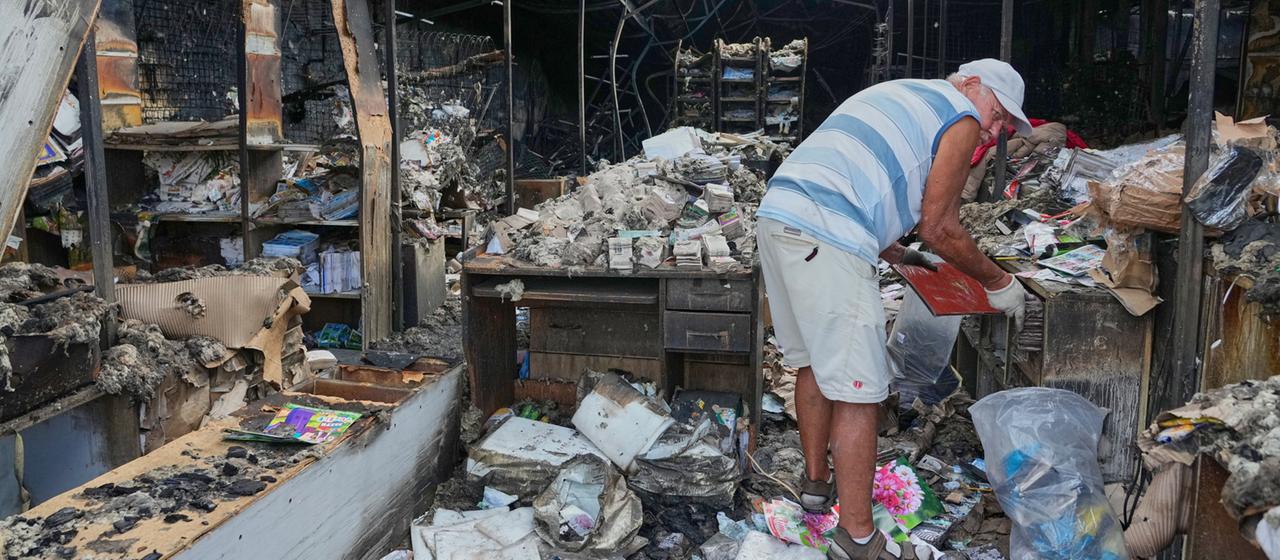
In the heart of Kyiv, the bookstore "Readeat" keeps a somber relic on display: a small glass case housing a single, half-charred children’s book. It is one of only eight volumes salvaged from the ashes of the bookstore’s central warehouse after a devastating Russian missile strike. Thousands of other books, intended for schools, libraries, and homes across the country, were reduced to ash.
For Jewhenija Rybak, a marketing professional at Readeat, the loss is visceral. "When literature is destroyed, it creates a profound sense of despair," she says, her voice steady but laced with pain. "It feels as though they are trying to tear away a part of your own being. But they will not succeed. In every single page of those books, there was the labor and love of so many people. Those books were waiting for children, and children were waiting for them."
This is not a collateral consequence of war; it is a recurring pattern. The destruction of books, libraries, and printing houses is a strategic effort to dismantle the cultural infrastructure that binds the Ukrainian nation together.
Chronology of a Targeted Campaign
The assault on Ukrainian literature has intensified throughout the duration of the full-scale invasion.
- The Early Months (2022): Initial Russian strikes focused on infrastructure and government buildings, but quickly shifted to cultural hubs. Libraries in cities like Chernihiv and Mariupol were among the first to be targeted, signaling a move to wipe out regional historical records.
- The Escalation (2024): As the conflict settled into a war of attrition, Russia began targeting the supply chain itself. Missile strikes focused on printing houses in Kharkiv—often referred to as the "printing capital of Ukraine"—crippling the nation’s ability to produce new literature.
- The Current Crisis (Late 2026): Over the past two and a half months alone, more than 13 million books have been incinerated by Russian air raids. This staggering figure represents approximately one-third of all books printed in Ukraine this year. The impact has been so severe that the annual Kyiv Book Fair, a cornerstone of the nation’s cultural calendar, was forced to cancel this year due to the persistent threat of aerial bombardment.
The Arithmetic of Erasure: Supporting Data
The numbers reveal a calculated economic and cultural strangulation. The destruction of 13 million books is not merely a loss of inventory; it is a massive disruption of the educational pipeline.
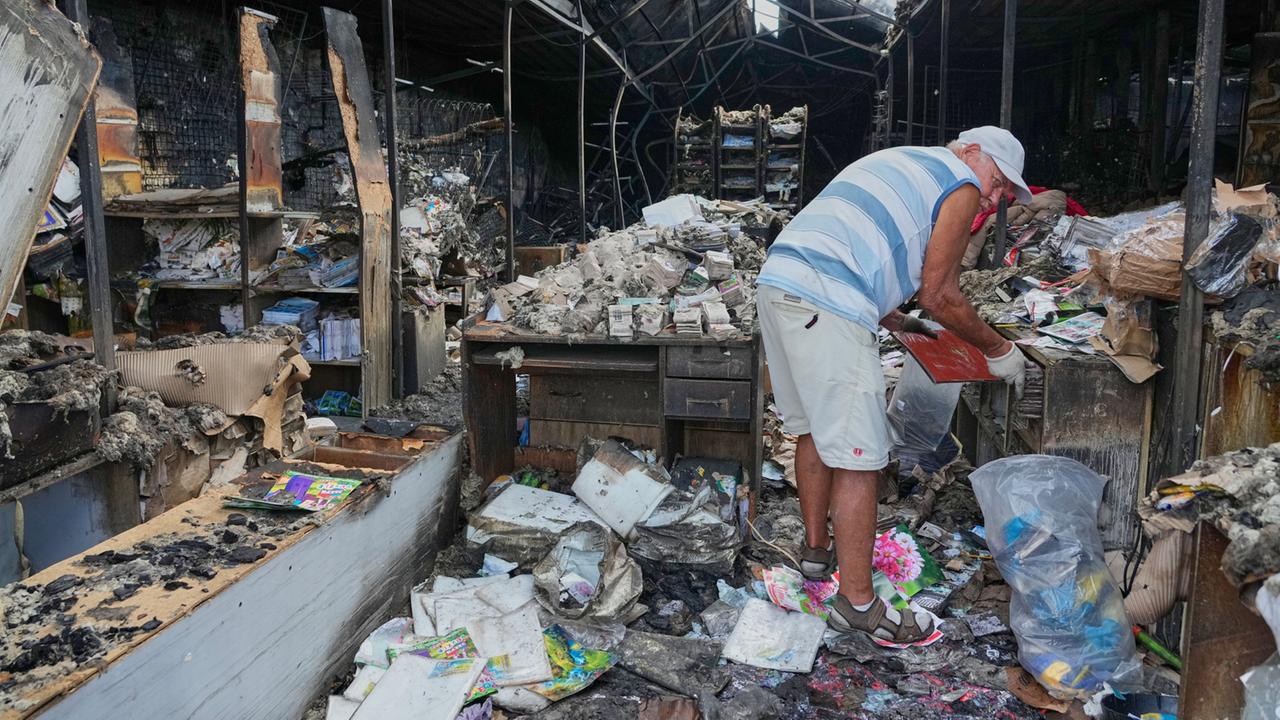
Publishing houses are currently operating in a state of paralysis. At Readeat, the transition from 24-hour delivery times to a 15-day waiting period is a microcosm of the industry’s struggle. Logistics are hampered by safety concerns, and the supply of paper and ink is frequently interrupted by attacks on logistics hubs.
"The publishers don’t even have an accurate inventory of what has been burned and what remains," Rybak explains. "Customers are ordering books that may no longer exist in physical form. It’s a game of Russian roulette for readers."
The "Russification" Narrative: Official Responses
Wolodymyr Yermolenko, president of the Ukrainian PEN Club, views these actions through the lens of historical continuity. He argues that the destruction of books is a modern iteration of the "Russification" policies employed by the Russian Empire in the 19th century, which sought to ban the Ukrainian language and suppress national consciousness.
"The Russians want to subjugate Ukraine," Yermolenko states. "They know they can only achieve this if they eradicate our national consciousness. If we no longer feel that we are distinct, that we possess our own culture, then they have won. So, they target our culture and our identity. This is a recurring chapter in our history."
The international community, including UNESCO and various literary organizations, has condemned these strikes as potential war crimes, emphasizing that the destruction of cultural heritage is a violation of the 1954 Hague Convention. However, for those on the ground, the international response is secondary to the immediate, daily struggle of keeping the written word alive.
Implications: A Renaissance Amidst the Rubble
Despite the systematic destruction, the resilience of the Ukrainian literary scene is arguably stronger than it has ever been. There is a palpable shift in reader habits; many, like young Kyiv resident Maxym Sjusura, have abandoned Russian literature entirely.
"Since the full-scale invasion, I only read Ukrainian authors," Sjusura says. "I want to support our publishers. In the week after the warehouse strikes, I went out and bought two books immediately. It’s a small act of defiance, but it matters."
This surge in demand for domestic literature has led to an unexpected phenomenon: a proliferation of book festivals, even in the most dangerous regions. Yermolenko notes that while large, centralized fairs are becoming harder to organize, local festivals are popping up everywhere. "Ten years ago, we had perhaps three or four book fairs in the whole country," he says. "Now, we see three or four in every single city. Even in places where the war is a daily, terrifying reality, like Kharkiv, Odesa, and Zaporizhzhia, people are gathering to talk about books."
The Bunker Library: A Cultural Lifeline
For the younger generation, the relationship with books has taken on a survivalist quality. Jewhenija describes taking books into bomb shelters during air raids as a form of psychological armor.
"I know it sounds strange to some, but when the alarms go off, I grab a thriller or a crime novel," she admits. "It’s a way to maintain a sense of self when the world outside feels like it’s ending. The fact that we now have so many wonderful Ukrainian authors writing in these genres means we don’t need to look outside our borders for escapism anymore."
Conclusion: The Future of the Written Word
The Russian campaign to burn Ukraine’s books is a desperate admission that the war cannot be won on the battlefield alone. If they cannot conquer the people, they aim to destroy the culture that gives the people their strength.
However, the evidence suggests they are failing. Every book purchased, every local festival held in a basement, and every page turned in a bunker serves as an act of cultural preservation. As Ukraine continues to fight for its sovereignty, its literature—born of fire and tempered by resilience—has become the most potent weapon in its arsenal. The smoke from the burning warehouses may rise, but the story of Ukraine is being written more boldly than ever before.