Cologne, Germany – In a significant setback for efforts to liberalize Germany’s long-distance rail market, a recent urgent decree by the Administrative Court of Cologne has overturned a pivotal decision by the Federal Network Agency (Bundesnetzagentur). The agency had sought to compel DB Infrago, the infrastructure arm of Deutsche Bahn, to allocate a greater share of highly sought-after track capacity to competing operators, such as the Italian high-speed rail provider Italo. The court also rejected the agency’s mandate for DB Infrago to provide competitors with space for ticket counters and lounges at railway stations.
This ruling, delivered on a recent Thursday, marks a considerable victory for Deutsche Bahn in its ongoing battle to maintain its commanding position in the lucrative long-distance passenger transport sector. It effectively dismantles a key regulatory initiative designed to foster competition and open up Germany’s congested rail network to new players, raising questions about the future landscape of rail travel in the country.
The Core Dispute: Unpacking the Bundesnetzagentur’s Mandate
At the heart of this legal challenge was the Bundesnetzagentur’s comprehensive decision issued in July 2026. Recognizing the entrenched dominance of Deutsche Bahn in Germany’s long-distance rail services, the agency had moved to implement a series of measures aimed at leveling the playing field for new market entrants. Its primary directive was the introduction of a "competition clause" for heavily utilized long-distance routes, intended to ensure that DB Infrago would allocate a certain proportion of its track capacity to other operators.
Rationale for Regulatory Intervention:
The Bundesnetzagentur’s intervention was rooted in the principle of promoting fair competition and enhancing consumer choice within the rail sector. The agency argued that without such a clause, new entrants faced insurmountable barriers to accessing essential infrastructure, thereby stifling innovation and potentially leading to higher prices and fewer service options for passengers. Germany’s rail network, particularly its main arteries, is characterized by high demand and limited capacity, making access to prime slots a critical determinant of commercial viability for any operator.
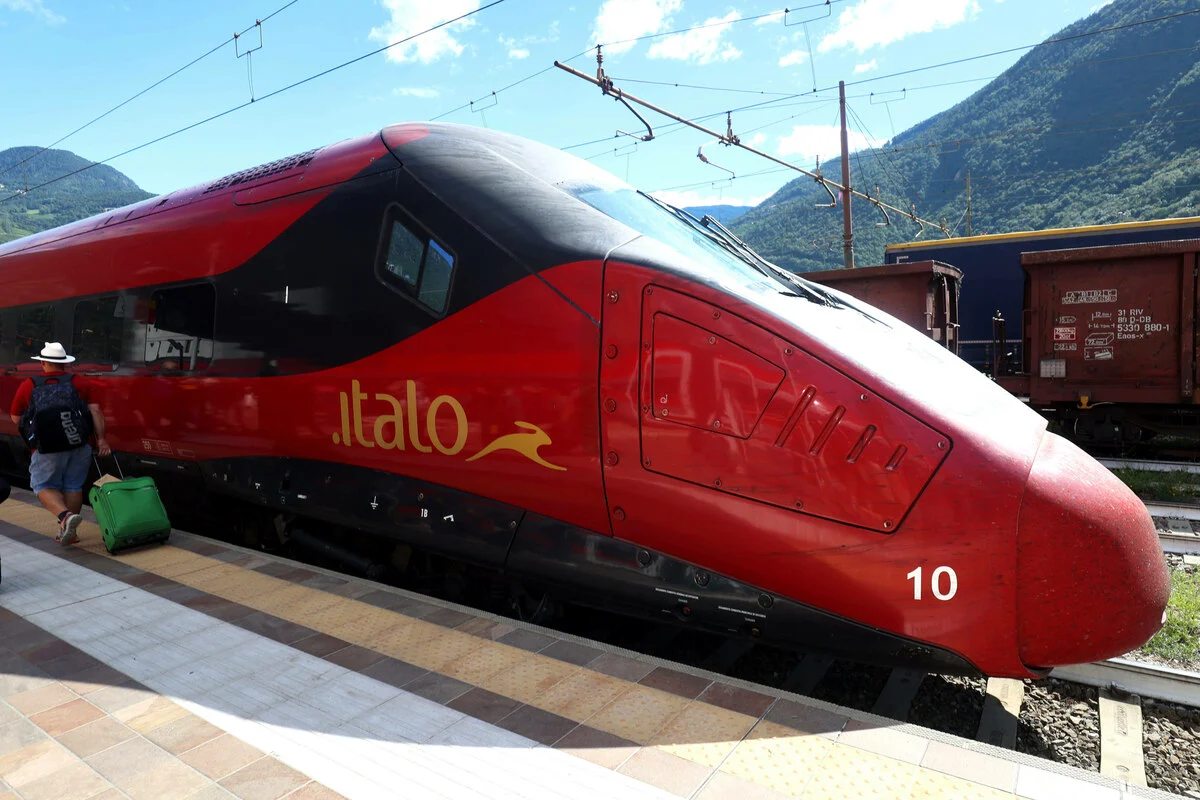
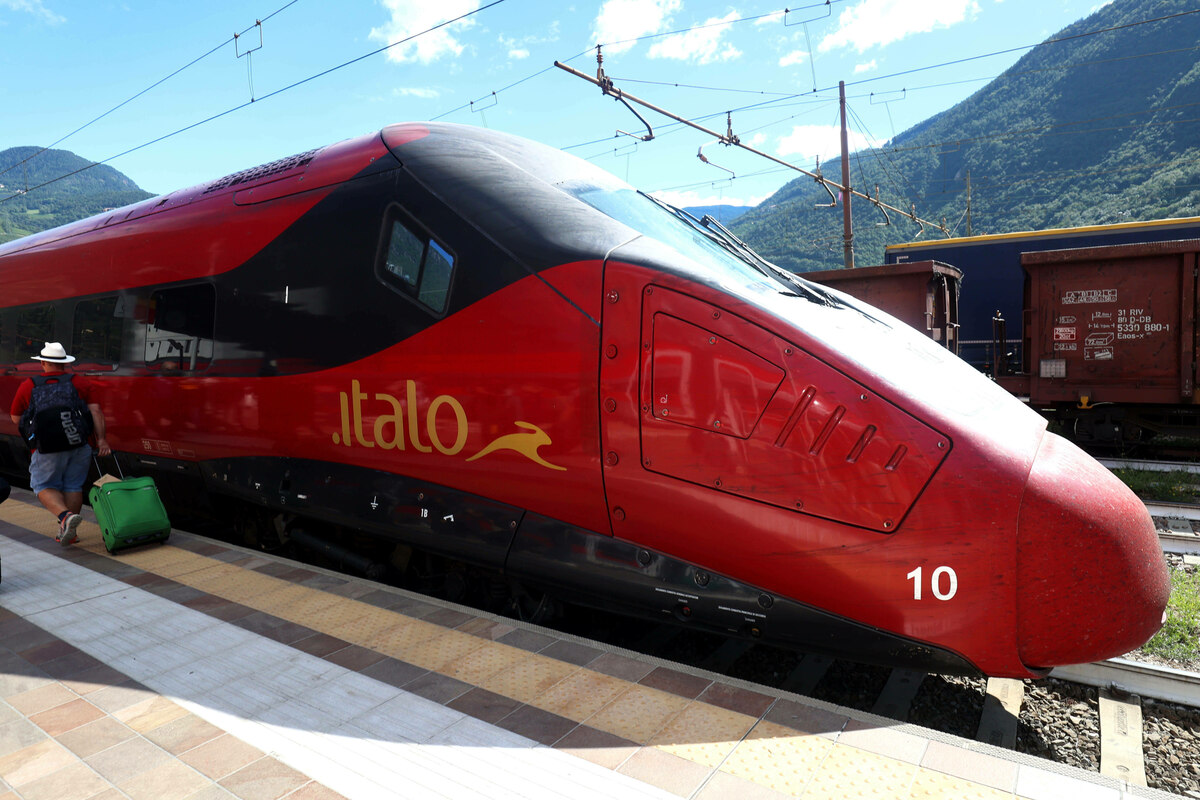
The agency’s decision was specifically intended to come into effect for the 2028 network timetable. This timing was crucial because Italo, the Italian high-speed rail operator known for its vibrant red trains and competitive services in Italy, had expressed strong intentions to enter the German market by 2028. Italo had plans to launch new long-distance connections on two of Germany’s most heavily trafficked and profitable corridors: the route from Munich via Cologne to Dortmund, and the connection between Munich and Berlin. These routes represent the backbone of German intercity travel, promising substantial passenger volumes and revenue potential.
The Role of DB Infrago:
As the infrastructure manager, DB Infrago is responsible for developing and publishing the annual network timetables. This function grants it immense power over access to the rail network, a power that critics argue can be used to favor its sister company, DB Fernverkehr, the operational long-distance passenger service provider. New entrants, like Italo, require not only access to tracks but also certainty regarding their allocation over several years to justify the significant investments in rolling stock, personnel, and operational planning. Italo had therefore sought multi-year framework agreements, a request that the Bundesnetzagentur had denied, instead opting for the now-contested competition clause.
The Lounge and Station Access Mandate:
Beyond track allocation, the Bundesnetzagentur’s July 2026 decision also included a mandate regarding station facilities. It required DB Infrago to offer competitors space for ticket counters and passenger lounges at railway stations. This provision aimed to ensure that new entrants could provide a comparable level of service and customer experience, without being disadvantaged by the incumbent’s exclusive control over premium station real estate. Lounges, in particular, are seen as a crucial element of the high-speed rail offering, providing comfort and amenities for business and first-class travelers.
A Chronology of Conflict: From Regulatory Order to Legal Challenge
The Bundesnetzagentur’s July 2026 decision, while hailed by proponents of rail liberalization, immediately met with fierce opposition from Deutsche Bahn.
DB Infrago’s Formal Complaint:
In August 2026, DB Infrago formally lodged a complaint against the agency’s directives. The infrastructure subsidiary argued that the proposed competition clause presented "considerable legal and practical risks for capacity management." It maintained that the directive would exacerbate "the structural problem of bottlenecks and capacity constraints" already prevalent on Germany’s busy rail network. DB Infrago’s position was that imposing such a clause would make the complex task of timetable planning even more challenging, potentially leading to operational inefficiencies and disruptions across the entire network.
The company further criticized the Bundesnetzagentur’s stipulations regarding the provision of space for ticket counters and lounges at stations. DB Infrago contended that these facilities were not directly "railway-operation-related" services and thus fell outside the regulatory purview of the Bundesnetzagentur. This argument highlighted a jurisdictional dispute, questioning the agency’s authority to dictate terms beyond the core operational aspects of track access.
The Underlying Challenges of Network Capacity:
The conflict underscores a fundamental challenge facing Germany’s rail infrastructure: an aging and often overloaded network. While the desire for more competition is strong, the practical realities of managing limited track capacity, especially at critical junctions and during peak hours, are complex. Deutsche Bahn, as the long-standing incumbent, manages a system that serves millions of passengers daily, integrating long-distance, regional, and freight traffic. Any sudden or poorly planned allocation changes, it argued, could have cascading negative effects on punctuality and reliability across the entire system. This argument of "structural problems" resonated with concerns about maintaining operational stability in an already strained system.
The Court’s Verdict: Legal Grounds and Limitations
The Administrative Court of Cologne, in its urgent decree, meticulously examined the legal basis and practical implications of the Bundesnetzagentur’s mandates. Its ruling represents a decisive blow to the agency’s approach.
Lack of Legal Basis for Competition Clause:
The court’s primary finding was that neither national German law nor European Union law provides a sufficient legal basis for the imposition of such a broad "competition clause" as envisioned by the Bundesnetzagentur. This is a critical point, as regulatory bodies generally operate within the bounds of specific legal mandates. Without explicit legislative authority, the agency’s directive was deemed to overstep its powers.
Furthermore, the court questioned the effectiveness of the clause itself, stating that it was "unsuitable to achieve its intended purpose." It specifically criticized the clause for being too limited in scope to genuinely stimulate investment. The judges concluded that "no investment decision would be made dependent on the existence of the competitor clause," implying that the clause, as designed, failed to provide the long-term planning certainty that new entrants like Italo would require to commit significant capital. This suggests that while the intention was good, the mechanism was deemed insufficient and legally unfounded.

Jurisdiction Over Station Lounges:
Regarding the requirement to provide space for competitor lounges at stations, the court again sided with DB Infrago. It ruled that the services provided in railway station lounges are not "railway-operation-related" (eisenbahnbetriebsbezogen). Consequently, the Bundesnetzagentur, whose mandate primarily covers the operational and infrastructure aspects of rail transport, was deemed not to have jurisdiction over such facilities. The court effectively drew a line between core railway operations and ancillary commercial services, placing lounges firmly in the latter category and outside the agency’s regulatory reach.
Nature of the Decision:
The Administrative Court emphasized that its decision was not a judgment on the desirability of market entry by a specific company, such as Italo. Instead, the focus was "solely the question of the legality of the concrete competition clause," which was rejected due to a lack of legal basis and its unsuitability. Critically, the court’s urgent decree is not appealable, meaning this particular regulatory approach by the Bundesnetzagentur for the 2028 timetable is definitively off the table. This non-appealable status adds significant weight to the ruling, closing off avenues for immediate reversal through higher courts.
Official Responses and Industry Reactions
The court’s ruling elicited varied reactions from the key stakeholders, each framing the outcome through their own lens.
Deutsche Bahn (DB Infrago): A Victory for Clarity and Fairness
DB Infrago was quick to celebrate the court’s decision, positioning it as a triumph for "early legal certainty and fair allocation conditions for all." A spokesperson for the subsidiary stated, "The judgment now creates this clarity." This response indicates DB Infrago’s view that the Bundesnetzagentur’s clause was not only legally flawed but also introduced an element of uncertainty into the critical process of track allocation, which it manages. For DB, the ruling reaffirms its control over infrastructure management and validates its arguments regarding the practical challenges of implementing the agency’s directives.
Railway and Transport Union (EVG): Protecting Public Interest and Fair Competition
Martin Burkert, the head of the powerful railway trade union EVG (Eisenbahn- und Verkehrsgewerkschaft), expressed strong approval of the court’s decision. He asserted that the Bundesnetzagentur’s original summer decision "would not have brought more competition to most rail customers in Germany, but would have excluded them from long-distance traffic." Burkert welcomed the court’s intervention, stating, "That this will not happen now is good."
The EVG’s stance reflects a broader concern for public service obligations beyond mere competition on profitable routes. Burkert stressed that while Deutsche Bahn "must face competition, only fair competition can be a gain for rail customers." In the summer, the EVG had advocated that if Italo were to enter the market, it should also be obliged to serve routes beyond the major, profitable corridors. This approach, the union argued, would ensure nationwide connectivity to the long-distance network for all citizens, rather than allowing new entrants to cherry-pick only the most lucrative lines, potentially leaving less populated areas underserved. The union’s perspective highlights a tension between purely market-driven competition and the broader societal goal of comprehensive, accessible public transport.
Bundesnetzagentur: Setback for Secure Planning
While no direct immediate statement from the Bundesnetzagentur was provided in the original article following the court’s ruling, their previous reasoning for the July 2026 decision provides insight into their perspective. The agency had argued that the "current practice of track allocation by DB Infrago, renewed year after year, hardly allows for clear, secure planning." Their aim was to inject predictability and long-term certainty for potential competitors, which they believed was essential for attracting investment and fostering genuine market entry. The court’s decision, therefore, represents a significant setback for the agency’s regulatory philosophy and its efforts to reshape the German rail market.

Italo: An Uncertain Future for Market Entry
Although Italo was not directly quoted in the article, the ruling undoubtedly impacts their ambitious plans for market entry into Germany. The absence of the competition clause, combined with the lack of multi-year framework agreements, significantly complicates their business case. Investing billions in new services requires a high degree of certainty regarding infrastructure access, and the court’s decision has removed a key regulatory instrument that was intended to provide just that. Italo will now have to reassess its strategy and potentially seek alternative avenues or stronger political backing to navigate the complexities of entering a market still largely dominated by a powerful incumbent.
Implications for Germany’s Rail Market and Future Competition
The Administrative Court of Cologne’s ruling has profound and multifaceted implications for the German rail market, impacting competition, regulatory policy, passenger experience, and the broader goals of sustainable mobility.
Reinforced Incumbent Dominance:
The most immediate and apparent implication is the reinforcement of Deutsche Bahn’s dominant position in the German long-distance rail sector. Without the specific competition clause mandated by the Bundesnetzagentur, new entrants will continue to face significant hurdles in securing attractive track slots, particularly on the highly congested and profitable routes. This outcome makes it harder for competitors to challenge DB’s near-monopoly effectively, potentially limiting consumer choice and upward pressure on service quality and downward pressure on prices.
Setback for Rail Liberalization:
The ruling represents a significant setback for the ongoing process of rail liberalization in Germany and, by extension, in Europe. The European Union has long advocated for opening up national rail markets to competition to improve efficiency and attract more passengers to environmentally friendly rail travel. This court decision, by striking down a key regulatory tool designed to facilitate such liberalization, sends a message that national incumbents, particularly those with integrated infrastructure and operating divisions, can successfully resist such mandates through legal channels.
Challenges for New Entrants:
For aspiring competitors like Italo, the path to entering the German market has become considerably more arduous. The lack of a guaranteed share of track capacity and the absence of multi-year planning certainty make the investment proposition far riskier. New entrants require a predictable regulatory environment to justify the immense capital expenditure involved in acquiring rolling stock, establishing operational bases, and marketing new services. This ruling could deter other potential operators from even considering the German market, preserving the status quo.
Regulatory Adaptation and Future Policy:
The Bundesnetzagentur will now have to re-evaluate its strategy for fostering competition. The court’s ruling clearly indicates that the agency’s previous approach lacked a robust legal foundation. This may necessitate a re-examination of national legislation to provide clearer mandates for regulatory intervention, or a stronger push at the European level for more explicit directives regarding track access and capacity allocation. The tension between the regulator’s desire for competition and the incumbent’s operational realities and legal defense will likely continue to shape future policy discussions.
Passenger Experience and Public Service:
The impact on passengers is complex. While increased competition is generally expected to lead to better services and lower prices, the EVG’s argument highlights a potential downside: "cherry-picking" of profitable routes. If new entrants only focus on high-demand corridors, less profitable, but socially important, routes could see reduced service or even be abandoned. The challenge for policymakers remains how to balance the benefits of market competition with the need for a comprehensive, accessible public transport network that serves all regions. Without new entrants, the impetus for DB to innovate or reduce prices might also be diminished.

Infrastructure Investment and Capacity:
The underlying issue of insufficient rail infrastructure capacity remains unaddressed by the court’s ruling. Germany’s rail network is already heavily utilized, and significant investment is required to expand and modernize it. While competition can drive efficiency, it also requires adequate infrastructure to function effectively. The current legal uncertainty surrounding access might disincentivize new investment in rail infrastructure if it’s unclear how additional capacity would be allocated. The "structural problem of bottlenecks" cited by DB Infrago will persist, regardless of who operates the trains.
Broader European Context:
This German case will be closely watched across Europe. Many EU member states are navigating similar challenges in opening up their state-dominated rail markets. The outcome in Germany could influence regulatory approaches and legal strategies elsewhere, potentially emboldening incumbents or prompting a re-evaluation of the legal frameworks for rail market liberalization across the continent. It highlights the inherent difficulties in applying competition principles to network industries with high fixed costs and strong incumbent players.
Conclusion
The Administrative Court of Cologne’s urgent decree represents a pivotal moment in the ongoing saga of German rail market liberalization. By overturning the Bundesnetzagentur’s competition clause and its mandate for station facilities, the court has delivered a significant victory to Deutsche Bahn and solidified its formidable position. While DB Infrago celebrates "clarity" and "fair allocation," the ruling simultaneously creates uncertainty for aspiring competitors like Italo and poses a substantial challenge for the Bundesnetzagentur’s efforts to foster a more competitive rail landscape.
The decision underscores the complex interplay between legal frameworks, regulatory authority, economic realities, and public service obligations within the rail sector. Moving forward, the focus will shift to how the Bundesnetzagentur adapts its strategy, whether legislative changes will be pursued to strengthen its mandate, and what pathways remain for genuinely increasing competition in a market still largely defined by the power of its long-standing incumbent. The dream of a truly open and competitive German long-distance rail market, offering diverse choices and potentially lower fares for passengers, appears to have hit a significant legal roadblock.