

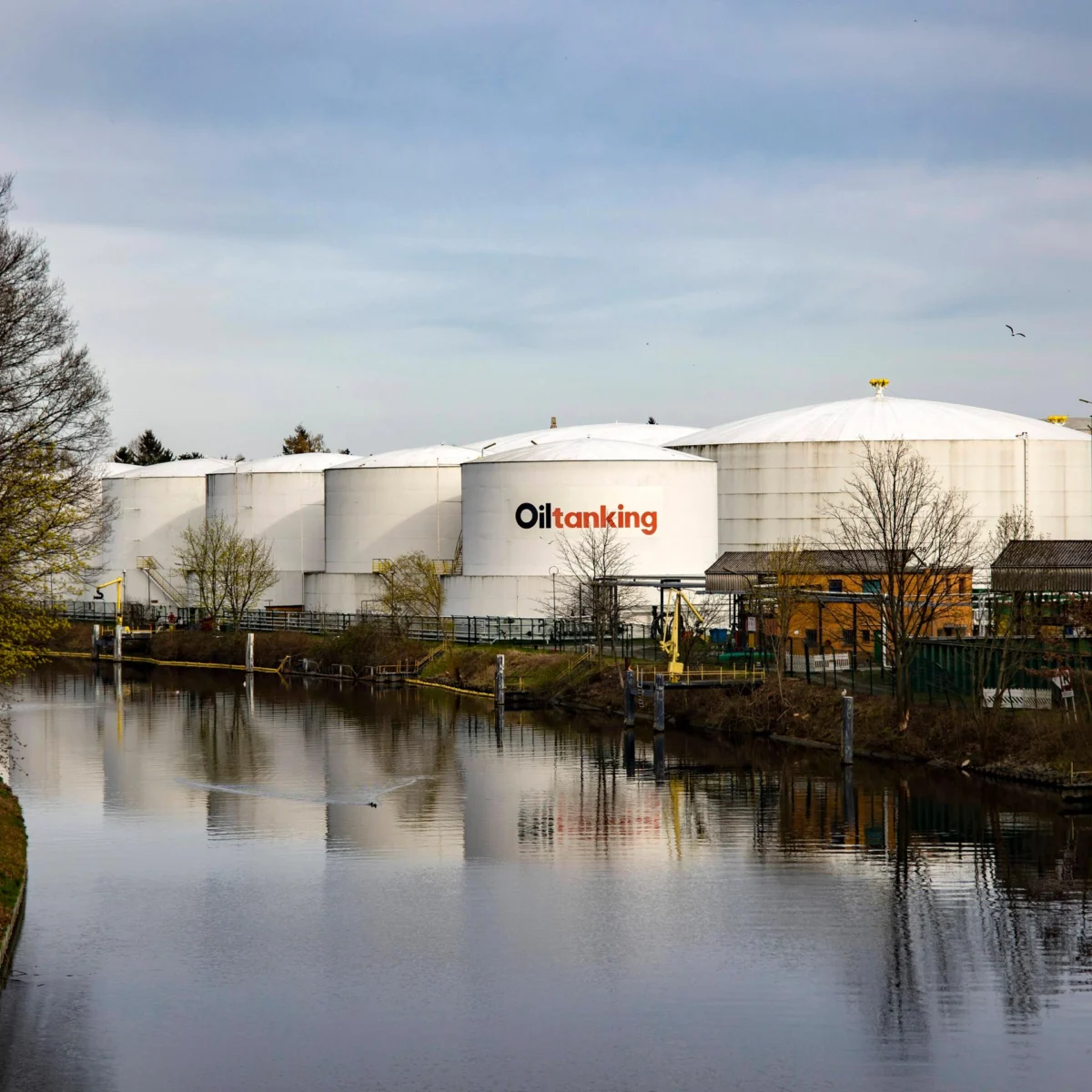
Paris, France – October 8, 2026 – In a decisive move to stabilize a volatile global energy market, member countries of the International Energy Agency (IEA) have announced plans to significantly accelerate the release of strategic oil reserves. Following an urgent meeting in Paris, the IEA confirmed that approximately 100 million barrels of crude oil and refined products would be promptly made available to the market, with a strong emphasis on bolstering dwindling diesel supplies. This rapid deployment comes as geopolitical tensions in the Persian Gulf continue to severely impede the flow of vital energy resources, driving up prices and sparking fears of an impending economic slowdown.
The decision underscores the gravity of the current energy crisis, marking the second major coordinated release by IEA members this year. Earlier in March, the agency had already committed to releasing 400 million barrels in response to mounting supply concerns. With the latest announcement, the IEA aims to inject crucial liquidity into a strained market, particularly targeting the critical diesel sector, which fuels global transportation, industrial operations, and agricultural machinery.
The current global strategic reserves held by IEA member states stand at approximately 1.1 billion barrels after previous drawdowns. This latest intervention, prompted by persistent supply chain disruptions emanating from the Persian Gulf and vocal demands from G7 nations, signals a heightened level of concern among the world’s leading economies regarding energy security and economic stability.
Main Facts: A Coordinated Global Response to an Intensifying Crisis
The International Energy Agency, an autonomous intergovernmental organization established in 1974 in the wake of the first oil crisis, serves as a primary guardian of global energy security. Its 31 member countries, largely industrialized nations, are mandated to hold oil stocks equivalent to at least 90 days of their net oil imports. These strategic petroleum reserves (SPRs) are intended for use in times of severe supply disruption. The current situation, characterized by escalating geopolitical risks in a crucial oil-producing region, has triggered this emergency response mechanism.
IEA’s Latest Intervention: 100 Million Barrels to Stabilize Markets
The core of the IEA’s latest decision is the imminent release of an additional 100 million barrels of oil. This volume, while substantial, represents a carefully calibrated measure designed to provide immediate relief without depleting the remaining strategic reserves to a critical level. The promptness of the release, indicated by the term "zeitnah" (soon/promptly) used in initial reports, suggests an urgency that reflects the acute nature of the current market instability. The IEA’s coordination mechanism ensures that member states contribute proportionally to the release, maximizing its collective impact on global supply.
The decision was not taken lightly, as coordinated reserve releases are rare events, typically reserved for major supply shocks. The consensus reached during the Paris meeting highlights the unanimous recognition among IEA members of the severity of the supply constraints and their potential for widespread economic harm. This intervention is expected to provide a short-term buffer, easing immediate price pressures and allowing time for alternative supply arrangements or diplomatic solutions to emerge.
Focus on Diesel Supplies: Fueling the Global Economy
A critical aspect of the IEA’s new strategy is the explicit prioritization of diesel reserves. Diesel is not merely a fuel for passenger cars; it is the lifeblood of the global economy. Trucking, shipping, rail transport, heavy machinery in construction and mining, and agricultural equipment all rely heavily on diesel. A shortage in diesel supplies can have cascading effects, disrupting supply chains, increasing freight costs, impacting food production, and ultimately contributing to inflationary pressures across numerous sectors.
The current scarcity of diesel is particularly concerning for European and North American markets, which have seen inventories fall to multi-year lows. The war in Ukraine, coupled with refinery capacity issues and the ongoing disruptions from the Persian Gulf, has exacerbated these structural vulnerabilities. By specifically targeting diesel, the IEA aims to mitigate the most immediate and damaging economic impacts, preventing potential paralysis in key industrial and logistical sectors. This targeted approach demonstrates a sophisticated understanding of current market needs beyond just crude oil availability.
Global Strategic Reserves Overview: A Finite Resource
According to IEA figures, member states collectively still possess emergency reserves amounting to approximately 1.1 billion barrels, even after the significant release in March. While this figure provides a degree of comfort, it is a finite resource. The repeated reliance on these reserves underscores the persistent fragility of global energy supply chains in the face of geopolitical instability and insufficient investment in diversified energy sources.
The strategic petroleum reserves are designed as a last resort, a critical safeguard against catastrophic economic collapse due to energy starvation. Each drawdown brings closer the point where their effectiveness as a deterrent or a buffer diminishes. The ongoing depletion raises questions about the long-term sustainability of relying on these reserves as a primary tool for market management, especially as global energy demand continues to rise and geopolitical risks remain elevated.
Chronology of Crisis and Response: A Developing Energy Emergency
The current energy crisis is not an isolated event but the culmination of several converging factors, with the escalating situation in the Persian Gulf serving as the most immediate trigger for the IEA’s latest action. Understanding the timeline of these developments is crucial to grasping the urgency of the international response.
Genesis of the Current Crisis: The Persian Gulf’s Instability
The primary catalyst for the accelerated oil reserve release is the "Lage am Persischen Golf" – the situation in the Persian Gulf. While specific details of the ongoing tensions remain somewhat veiled in public reporting, it is understood that heightened geopolitical instability has led to severe restrictions on the transport of oil and other raw materials from the region’s oil-rich nations. Sources suggest a complex interplay of regional rivalries, maritime security threats, and potential proxy conflicts that have made shipping lanes, particularly the Strait of Hormuz, exceptionally hazardous.
Reports indicate an increase in attacks on commercial vessels, persistent threats to critical infrastructure, and an overall environment of unpredictability that has forced shipping companies to reroute, impose higher insurance premiums, and in some cases, halt operations altogether. The Persian Gulf region accounts for a significant portion of global oil production and exports, and any sustained disruption there sends immediate shockwaves through international energy markets. This ongoing crisis is far more protracted and insidious than a single, sudden supply shock, making its impact particularly challenging to manage.
Previous IEA Interventions: A Precedent Set in March 2026
The current release follows a significant intervention earlier in March 2026, when IEA members collectively agreed to release 400 million barrels of oil. That decision was primarily driven by the lingering effects of the conflict in Eastern Europe, which had already tightened global energy markets, and early signs of escalating tensions in the Middle East. The March release was the largest in the IEA’s history at that point, highlighting the unprecedented challenges facing global energy security.
While the March release provided some temporary relief, its effects have evidently been insufficient to counteract the compounding factors now at play. The need for a second, substantial release within a relatively short period underscores the persistent and deepening nature of the global energy supply deficit, especially as the situation in the Persian Gulf has deteriorated further. Each subsequent release from strategic reserves depletes the ultimate safety net, signaling a growing desperation within the international community.
G7’s Urgent Appeal: Political Pressure for Action
Adding significant political weight to the IEA’s decision were recent calls from the G7 nations for a swift release of additional reserves. The G7, comprising Canada, France, Germany, Italy, Japan, the United Kingdom, and the United States, represents a powerful bloc of advanced economies that are particularly vulnerable to energy price shocks. Their unified demand signals a consensus among major global players that the energy crisis requires immediate, coordinated action to avert broader economic instability.
The G7’s intervention reflects deep concern over the inflationary pressures fueled by high energy prices and the potential for a global economic downturn. For these nations, maintaining stable energy supplies is not just an economic imperative but also a matter of national security and social stability. Their public statements and behind-the-scenes diplomatic efforts undoubtedly played a crucial role in galvanizing the IEA’s member states towards this accelerated release.
US Policy Stance and Threats: A Unilateral Option
The United States, a key member of both the IEA and the G7, has also been taking a strong stance on the energy crisis. Beyond advocating for coordinated international action, the US government recently threatened to ban diesel exports. This unilateral measure, if implemented, would be a dramatic step, aimed at shoring up domestic supplies and lowering prices within the United States.
Such a ban, however, would have significant implications for global energy markets, potentially exacerbating shortages in allied nations that rely on US refined products. It highlights the internal pressures faced by governments to protect their own populations from the economic fallout of energy scarcity. While the threat itself might be a negotiating tactic to encourage other producers to increase output or to pressure allies into greater cooperation, it also underscores the extreme measures governments are contemplating in the face of an escalating crisis. The US position reflects a difficult balancing act between national interest and global energy security.
Supporting Data and Market Dynamics: Unpacking the Energy Equation
The decision to release strategic oil reserves is underpinned by a complex interplay of market data, economic principles, and geopolitical realities. Understanding these dynamics is essential to appreciating the rationale behind the IEA’s emergency actions.
The Rationale Behind Diesel Prioritization: Economic Lifeline
The explicit prioritization of diesel in this latest release is not arbitrary; it is a direct response to acute market pressures and the critical role diesel plays in modern economies. Unlike gasoline, which primarily fuels personal transportation, diesel powers the commercial arteries of global trade and industry. From the trucks that deliver goods to supermarkets, factories, and construction sites, to the trains and ships that transport raw materials across continents, diesel is indispensable. Farmers rely on it to plant and harvest crops, and many industrial facilities and backup generators depend on it.
Historically, diesel markets have been tighter than gasoline markets due to lower refining capacity for middle distillates and specific demand patterns. The ongoing conflict in Eastern Europe has further complicated this, as Russia was a significant exporter of diesel to Europe. Coupled with the Persian Gulf disruptions, the global diesel supply chain is under unprecedented stress. Rising diesel prices translate directly into higher freight costs, increased production expenses for industries, and ultimately, higher consumer prices, fueling inflation and threatening economic growth. The IEA’s focus on diesel is a strategic move to prevent the most immediate and widespread economic damage.
Global Oil Market Volatility and Price Trends: A Rollercoaster Ride
The global oil market has been characterized by extreme volatility over the past few years, a trend exacerbated by geopolitical events. Prices, which had shown signs of stabilizing after the initial shocks of the Eastern European conflict, have once again surged due to the Persian Gulf situation. Futures contracts for both Brent crude and West Texas Intermediate (WTI) have seen sharp increases, reflecting fears of sustained supply deficits.
This volatility makes long-term planning incredibly difficult for businesses and governments alike. High and unpredictable energy prices erode consumer purchasing power, deter investment, and can push economies into recession. The IEA’s intervention aims to dampen this volatility, providing a temporary ceiling to prices and restoring some predictability to the market. However, without a fundamental resolution to the supply issues, particularly in the Persian Gulf, such interventions can only offer temporary relief. The underlying trend suggests persistent upward pressure on energy costs in the absence of new, stable supply sources.
Supply Chain Vulnerabilities: A Global Domino Effect
The current crisis has starkly exposed the inherent vulnerabilities of global energy supply chains. Modern economies are highly interconnected, and a disruption in one key region can have a rapid and far-reaching domino effect. The Persian Gulf, with its critical choke points like the Strait of Hormuz, is a prime example of such a vulnerability. Over 20% of the world’s total petroleum liquids consumption, and a third of the world’s seaborne oil, passes through this strait. Any threat to its free passage immediately jeopardizes global energy security.
Beyond the Persian Gulf, other factors contribute to supply chain fragility:
- Limited spare production capacity: Global spare capacity, primarily held by OPEC+ nations, has been historically low, leaving little room to absorb shocks.
- Refining bottlenecks: Insufficient refining capacity, particularly for middle distillates like diesel, means even if crude oil is available, converting it into usable fuel can be a challenge.
- Logistical constraints: Shortages of tankers, crew, and port capacity can further hinder the efficient movement of oil and refined products.
The IEA’s action is a direct attempt to mitigate these vulnerabilities by injecting ready-to-use fuel into the system, bypassing some of these bottlenecks in the short term.
The Role of Strategic Petroleum Reserves: A Last Resort
Strategic Petroleum Reserves are more than just stockpiles; they are a critical component of national and international energy security policy. They serve several key functions:
- Emergency buffer: Providing immediate supply in the event of a severe disruption (e.g., natural disaster, conflict, infrastructure failure).
- Market stabilization: Deterring speculative price increases and calming market panic during crises.
- Geopolitical leverage: Signaling international resolve and reducing the effectiveness of energy as a weapon.
However, their effectiveness is finite. Each barrel released reduces the remaining cushion, raising questions about the threshold at which further drawdowns become counterproductive, potentially signaling a deeper, unresolved crisis rather than a temporary fix. The IEA’s repeated use of these reserves underscores the severity of the current global energy landscape, where traditional market mechanisms are failing to cope with unprecedented geopolitical pressures.
Official Responses and Statements: Voices from the Front Lines
The IEA’s decision has elicited a range of responses from international bodies, member states, and industry stakeholders, all grappling with the implications of the ongoing energy crisis.
Statements from IEA Leadership: Urgent Call for Stability
IEA Executive Director Fatih Birol, speaking from Paris, emphasized the agency’s unwavering commitment to global energy security. "The situation in the Persian Gulf demands an immediate and decisive response," Biol stated. "Our member countries have once again demonstrated their solidarity and resolve to prevent this geopolitical crisis from spiraling into a full-blown economic catastrophe. Prioritizing diesel supplies is critical to keeping the wheels of global commerce turning and protecting vulnerable economies."
Birol further elaborated on the agency’s monitoring efforts. "We are closely tracking global supply and demand dynamics, and the data clearly shows that targeted intervention is necessary to cool down overheated markets. While these reserve releases offer vital short-term relief, they are not a substitute for sustained investment in diversified energy sources and a long-term strategy for energy resilience." His remarks underscore the dual challenge of managing immediate crises while also advocating for structural changes in global energy policy.
Reactions from Member States: United Front, Varied Concerns
Representatives from IEA member states largely welcomed the coordinated action, highlighting the importance of a unified front.
- Germany’s Economy Minister stated, "This collective action is essential. We cannot allow geopolitical tensions to derail our economic recovery. Germany fully supports the IEA’s decision, particularly the focus on diesel, which is crucial for our industrial and logistics sectors."
- The US Energy Secretary echoed this sentiment, adding, "The United States stands ready to contribute its share to this coordinated release. We are committed to ensuring global energy stability, while also exploring all options to protect American consumers from unfair price hikes, including our domestic reserve strategy."
- Japan’s Minister of Economy, Trade and Industry emphasized the vulnerability of import-dependent nations. "For countries like Japan, disruptions in the Persian Gulf pose an existential threat. The IEA’s leadership is invaluable in these challenging times, providing a critical lifeline to our industries and citizens."
While unified in their support for the release, underlying concerns about the long-term sustainability of relying on strategic reserves were also evident in various national statements. Many emphasized the need for diplomatic solutions to the Persian Gulf crisis and accelerated efforts towards energy transition.
Industry Perspectives: A Mixed Bag of Relief and Apprehension
Energy industry analysts and executives offered a mixed reaction. While acknowledging the immediate relief the release would provide, many expressed apprehension about the underlying causes and the long-term outlook.
- A senior analyst at Wood Mackenzie commented, "The IEA’s action will certainly take some pressure off prices in the short term, particularly for diesel. However, it’s a Band-Aid solution. Until the geopolitical risks in the Persian Gulf are resolved, or significant new production comes online elsewhere, we will continue to see market volatility and reliance on these emergency measures."
- Representatives from the global shipping industry expressed cautious optimism. "Any measure that stabilizes fuel prices and ensures supply is welcome," said a spokesperson for the International Chamber of Shipping. "Our operational costs have skyrocketed due to fuel prices and increased insurance premiums in risk zones. We hope this will translate into tangible relief for our members."
- However, environmental groups criticized the repeated reliance on fossil fuel reserves, arguing that such actions delay the necessary transition to renewable energy. "Every barrel released from these reserves prolongs our dependence on volatile fossil fuels," stated a climate activist. "This crisis should be a wake-up call to accelerate, not defer, the shift to sustainable energy sources."
Expert Analysis on Effectiveness: Temporary Fix vs. Structural Change
Energy economists and geopolitical experts weighed in on the likely effectiveness of the IEA’s intervention.
- Dr. Eleanor Vance, a senior fellow at the Institute for Energy Studies, noted, "This 100 million barrel release is a significant gesture, but its impact will be primarily psychological and short-term. It signals global resolve and can temper speculative buying. However, it doesn’t address the fundamental supply deficit or the geopolitical instability driving it. We’re essentially buying time."
- Professor Mark Thompson, an expert in Middle Eastern geopolitics, highlighted the critical role of diplomacy. "The ultimate solution lies in de-escalating tensions in the Persian Gulf. As long as shipping lanes are threatened and regional conflicts simmer, the global energy supply will remain precarious. The IEA can only manage the symptoms; the cure must come from concerted diplomatic efforts."
The consensus among experts is that while necessary, the IEA’s action is a temporary measure. It provides a breathing room for governments and industries but does not solve the deep-seated structural issues plaguing the global energy market.
Broader Implications: A World on Edge
The ongoing energy crisis, exacerbated by the Persian Gulf tensions and the IEA’s emergency response, carries far-reaching implications across economic, geopolitical, and environmental spheres.
Economic Repercussions for Consumers and Industries: The Price of Instability
The direct economic repercussions of high and volatile energy prices are profound. For consumers, it means higher costs at the pump, increased utility bills, and ultimately, a reduction in discretionary spending. This directly fuels inflation, eroding purchasing power and potentially triggering a cost-of-living crisis. Small and medium-sized enterprises (SMEs), particularly those heavily reliant on transportation and energy-intensive processes, are among the hardest hit, facing squeezed margins and potential business failures.
Industries such as manufacturing, agriculture, and logistics grapple with escalating operational costs, forcing them to either absorb losses, pass costs onto consumers, or scale back production. This can lead to reduced economic activity, job losses, and a general slowdown in global growth. The IEA’s targeted diesel release aims to mitigate the worst of these effects, but the underlying economic fragility remains a significant concern for policymakers worldwide. The risk of a global recession, fueled by persistent energy price shocks, looms large.
Geopolitical Ramifications of Persian Gulf Tensions: A Powder Keg
The "Lage am Persischen Golf" is not merely an energy issue; it is a geopolitical powder keg with global implications. The region is home to some of the world’s largest oil and gas reserves, and its stability is intrinsically linked to global energy security. Escalating tensions, whether stemming from state-on-state rivalries, proxy conflicts, or non-state actor threats, risk wider military confrontation.
Any major conflict in the Persian Gulf could lead to catastrophic disruptions in global oil supplies, dwarfing the current crisis. The involvement of major global powers, each with vested interests in the region, further complicates the situation, raising the specter of a broader international conflict. The IEA’s repeated interventions serve as a stark reminder of how fragile global peace and economic prosperity are when tied to volatile geopolitical hotspots. The focus of international diplomacy is now squarely on de-escalation and finding a durable solution to the complex web of conflicts in the region.
Energy Security Debates: Rethinking National Strategies
The recurring energy crises of recent years have reignited intense debates about national energy security strategies. For many nations, particularly those heavily reliant on imports, the current situation underscores the urgent need for greater energy independence and diversification. This includes:
- Accelerating renewable energy adoption: Investing more aggressively in solar, wind, hydro, and geothermal power to reduce reliance on fossil fuels.
- Nuclear power renaissance: Reconsidering nuclear energy as a stable, low-carbon baseload power source, despite past controversies.
- Developing domestic resources: Exploring and exploiting domestic oil, gas, and alternative energy reserves where feasible and environmentally responsible.
- Improving energy efficiency: Implementing policies and technologies that reduce overall energy consumption across all sectors.
The IEA’s actions, while necessary, also serve as a stark warning: relying solely on strategic reserves is a short-term fix. Long-term energy security demands a fundamental rethinking and restructuring of national energy portfolios.
The Future of Fossil Fuels Amidst Crises: A Crossroads
Paradoxically, repeated energy crises, while highlighting the vulnerabilities of fossil fuel dependence, can sometimes lead to a short-term resurgence in demand for these very fuels as nations prioritize immediate supply security. However, they also reinforce the long-term imperative for a transition away from them. The current situation places the global energy transition at a crossroads.
On one hand, the immediate need for stable and affordable energy could prompt some nations to delay ambitious climate targets or increase domestic fossil fuel production. On the other hand, the volatility, geopolitical risks, and economic costs associated with fossil fuels provide a powerful impetus to accelerate the shift to cleaner, more stable, and domestically produced renewable energy sources. The IEA itself has been a proponent of the energy transition, and its current actions are framed as short-term necessities to manage a crisis while the longer-term shift progresses. The ultimate impact of this crisis on the pace and direction of the energy transition remains to be seen, but it undoubtedly adds another layer of complexity to an already challenging global energy landscape.
Conclusion: A Precarious Path Forward
The IEA’s accelerated release of 100 million barrels of strategic oil reserves, with a specific focus on diesel, represents a critical, albeit temporary, intervention in a global energy market teetering on the brink. Driven by escalating geopolitical tensions in the Persian Gulf and persistent supply chain vulnerabilities, this action aims to provide immediate relief, stabilize prices, and prevent widespread economic disruption.
While the coordinated effort by IEA member states and the political backing from the G7 demonstrate a unified global commitment to energy security, the underlying challenges remain formidable. The repeated reliance on strategic reserves underscores the urgent need for a diplomatic resolution to the conflicts in the Persian Gulf and a fundamental re-evaluation of long-term energy strategies worldwide. As nations navigate this precarious path, the imperative to diversify energy sources, enhance energy efficiency, and accelerate the transition to renewables has never been more pressing. The current crisis is not just a test of market resilience, but a stark reminder of the intricate linkages between geopolitics, economics, and the future of global energy.



















