Introduction: The Friction Between Modern Retail and Consumer Rights
In an era where the smartphone has become the gateway to daily consumption, the traditional shopping experience is being rapidly reshaped by algorithmic loyalty programs. Major retail chains have transitioned from physical stamp cards to sophisticated, data-driven applications that promise personalized savings. However, this digital shift has triggered a significant legal and ethical debate in Germany. The Verbraucherzentrale Bundesverband (VZBV)—the Federation of German Consumer Organizations—recently challenged Lidl, one of Europe’s retail giants, over its "Lidl Plus" application, arguing that the system inherently discriminates against certain demographics. The case, which reached the Higher Regional Court (OLG) in Brandenburg an der Havel, has now been dismissed—not on its merits, but on a fundamental jurisdictional technicality.
This legal skirmish highlights a growing tension in the retail sector: at what point does a "loyalty program" cross the line into exclusionary practice? As retailers move toward a business model predicated on data harvesting and digital-first discounts, the question of whether older generations, individuals with disabilities, or those without technical proficiency are being unfairly penalized remains a pressing societal concern.
The Core Facts: The Dispute over "Lidl Plus"
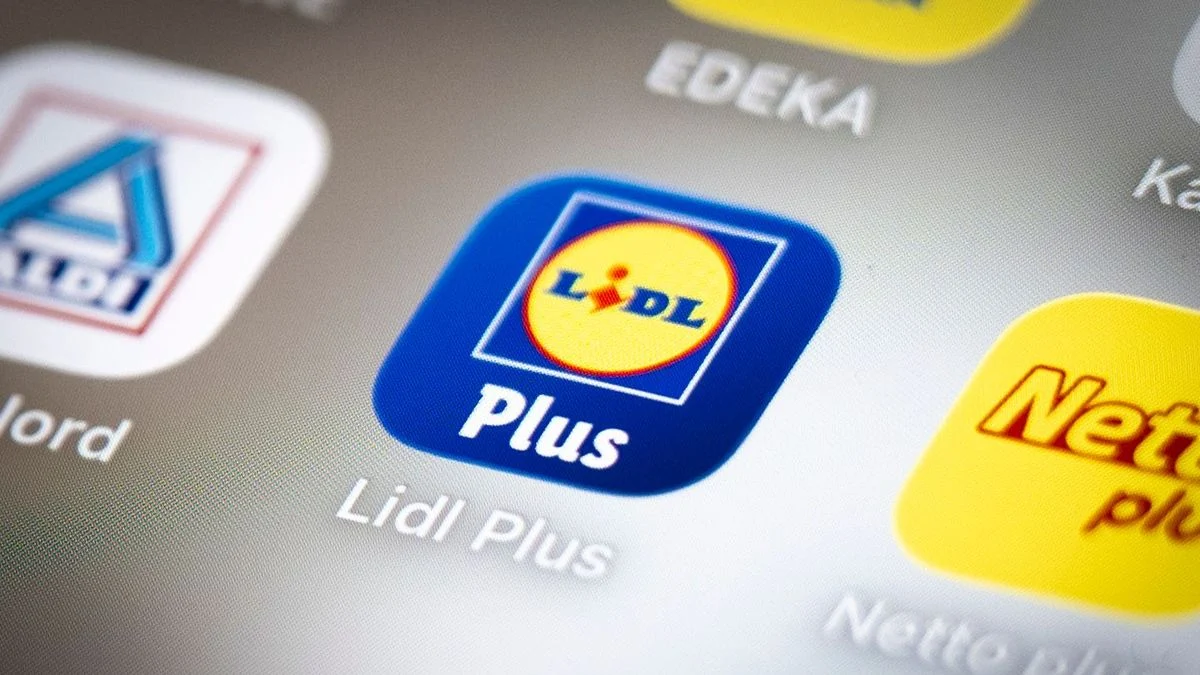
The VZBV’s lawsuit targeted the specific structure of the Lidl Plus app, which provides exclusive, app-only discounts to registered users. The consumer advocates argued that by conditioning lower prices on the use of a smartphone application, the retailer is effectively creating a two-tier pricing system.
According to the VZBV, this practice constitutes a form of discrimination. They contend that it systematically disadvantages vulnerable groups who may not possess the digital literacy, the hardware, or the personal circumstances required to navigate a complex app interface. By denying these individuals the same prices offered to "digital natives," the VZBV argues that Lidl is violating the spirit, if not the letter, of the General Equal Treatment Act (AGG).
The VZBV sought an injunction to force Lidl to cease its app-exclusive pricing model. They argued that if a discount is offered, it should be accessible to all customers regardless of their ability to use a digital device, suggesting that the current model creates a barrier that prevents equality of access to consumer goods.
Chronology of the Legal Proceedings
The path to the recent Brandenburg ruling was marked by a fundamental procedural disagreement between the claimant and the court.
- The Filing: The VZBV initiated the lawsuit against Lidl, explicitly citing the General Equal Treatment Act (AGG) as the legal basis for their claim. The core of their argument was that the discrimination occurring at the point of sale violated the civil rights protections enshrined in the act regarding the "establishment, execution, and termination of civil law obligations."
- The Jurisdictional Challenge: Upon reviewing the case, the Higher Regional Court (OLG) in Brandenburg an der Havel faced a critical decision regarding its own authority.
- The Ruling: In a decision delivered this month, the OLG rejected the lawsuit. The presiding judge stated, "We are not substantively responsible." The court clarified that the VZBV had attempted to bridge the gap between consumer protection and civil rights law in a way that did not align with current procedural norms.
- The Technical Conclusion: The court explained that while it holds jurisdiction over specific consumer protection issues, the invocation of the AGG in this context was misapplied. The judges determined that the legal passage cited by the VZBV is not designed for the systemic, broad-brush regulatory oversight of retail pricing models. Consequently, the case should have been filed at a lower court (a Landgericht or Regional Court) as a matter of first instance.
Supporting Data: The Economics of Data-Driven Loyalty
The conflict between the VZBV and Lidl is not merely about consumer fairness; it is about the structural transformation of retail economics. For modern retailers, the "app-first" approach is a calculated strategic move.
The Transactional Nature of the App
From the retailer’s perspective, the Lidl Plus app is a classic "value exchange." The customer receives immediate discounts, personalized coupons, and digital receipts. In exchange, the retailer receives:
- Customer Identification: Retailers gain the ability to link specific transactions to an individual identity.
- Behavioral Mapping: By tracking purchase frequency, preferred items, and total basket value, retailers build a granular profile of a customer’s lifestyle.
- Predictive Analytics: With sufficient data, companies like Lidl and their competitors (such as Rewe or Edeka) can forecast demand, optimize supply chains, and nudge consumer behavior toward higher-margin products through targeted push notifications.
Branchenexperten (industry experts) suggest that this data is the "new oil" of the retail sector. By moving users onto an app, a retailer transforms a anonymous "walk-in" shopper into a traceable asset. This allows companies to understand their market with a level of precision that was impossible in the age of paper flyers and anonymous cash payments.
Official Responses: The Silence of the Retailer vs. The Activism of the VZBV
Lidl has maintained a cautious but firm stance throughout the proceedings. In response to the lawsuit, a company spokesperson stated:
"The free Lidl Plus app is a voluntary, additional offer that allows our customers to benefit from price advantages and digital services beyond our regular in-store prices. Please understand that we cannot comment on ongoing legal proceedings."
This statement highlights the retailer’s defense: the app is an added benefit, not a mandatory requirement. Lidl argues that its base prices remain consistent across all physical stores for all customers, and the app represents an opt-in enhancement rather than an exclusionary barrier.
The VZBV, however, remains undeterred by the jurisdictional defeat. While the OLG’s ruling was a procedural setback, it does not address the substantive question of whether the app model is discriminatory. Consumer rights groups view the dismissal as a temporary roadblock, and legal analysts expect that the VZBV will likely re-file the suit in the appropriate lower court, potentially shifting the strategy to focus more strictly on consumer protection laws rather than the AGG.
Implications: A Future of Digital Segmentation?
The struggle over the Lidl Plus app serves as a microcosm for the broader digitization of the German economy. As retail moves toward an "ecosystem" model, the implications for the future are profound.
The "Digital Divide" in Consumption
If the legal system eventually rules that app-exclusive pricing is legal, it effectively sanctions a system of "price discrimination by proxy." Those who are comfortable with technology and willing to share their personal data will pay less for their groceries than those who cannot, or will not, engage with the digital infrastructure. This creates a de facto tax on privacy and technological literacy.
The Regulatory Challenge
Regulators are currently caught between encouraging digital innovation and protecting the vulnerable. If the law were to force retailers to offer app-exclusive discounts to non-app users, the incentive to develop such apps would evaporate. Conversely, if no regulation exists, retailers may feel emboldened to deepen the divide, eventually making it impossible for "analog" shoppers to access competitive market prices.
The Data Ethics Frontier
Furthermore, the case raises questions about the transparency of the data being harvested. If a discount is the price for a customer’s data, is the customer being fairly compensated? Or is the data worth significantly more than the occasional coupon, leading to an exploitative relationship?
Conclusion: What Lies Ahead
The dismissal of the VZBV’s lawsuit by the OLG in Brandenburg is a reminder that the wheels of justice turn slowly, and that the legal frameworks of the 20th century—such as the General Equal Treatment Act—are often ill-equipped to handle the nuances of 21st-century digital business models.
As the VZBV weighs its next steps, the retail sector will be watching closely. If the case proceeds to a Landgericht and potentially ascends back to the higher courts on substantive grounds, it could set a landmark precedent for European retail. For now, the "Lidl Plus" model remains in operation, and the digital divide in the supermarket aisle persists. Whether this is an evolution of commerce or a step toward systemic inequality remains the central question that the courts—and eventually, lawmakers—must resolve.