

Berlin, Germany – The third anniversary of the devastating Hamas terror attack on Israel, October 7, 2023, cast a long shadow over Germany’s capital, revealing a city deeply fractured by the ongoing Israeli-Palestinian conflict. On a Wednesday afternoon, just a kilometer apart, two demonstrations unfolded, each a stark mirror image of the other: one a solemn commemoration of victims, the other a defiant call for "the liberation of all Palestine," hinting at a darker, more radical agenda. The events underscored the profound societal divisions and the persistent challenges facing Germany as it grapples with its historical responsibility and contemporary political realities.
Commemoration at Bebelplatz: A Resolute Stand Against Terror
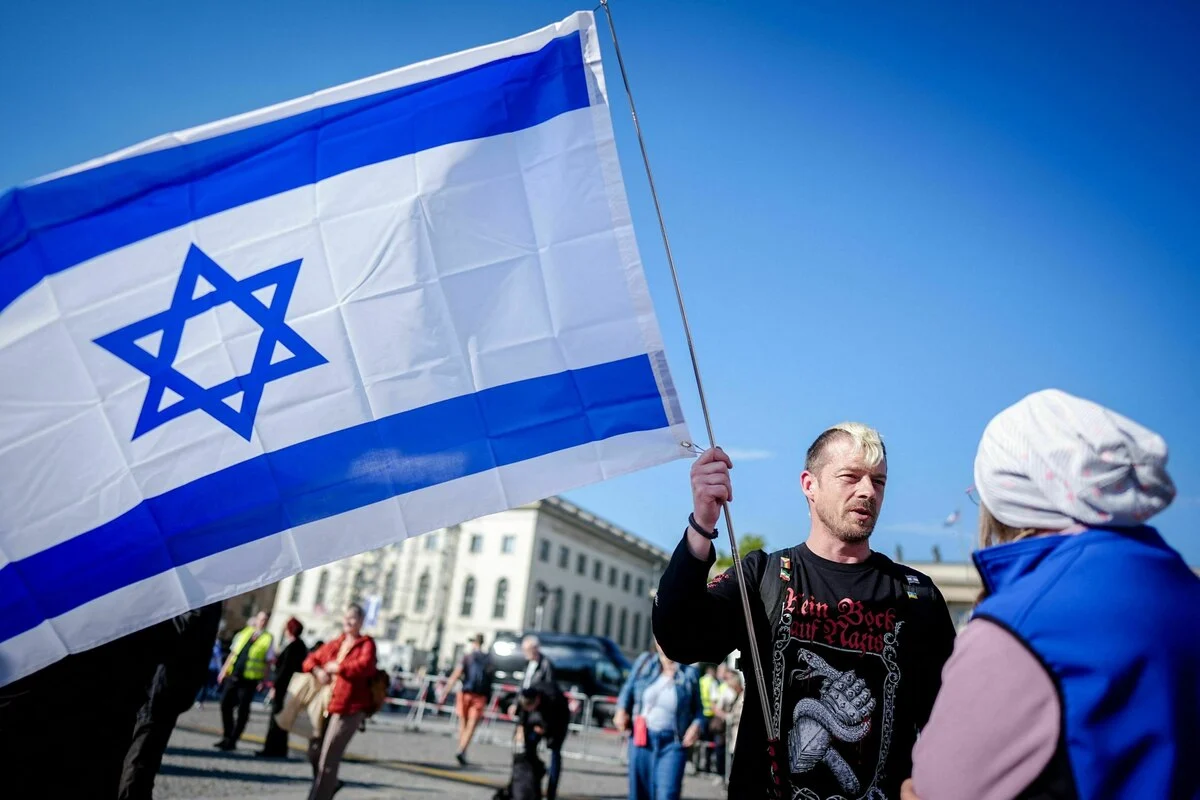
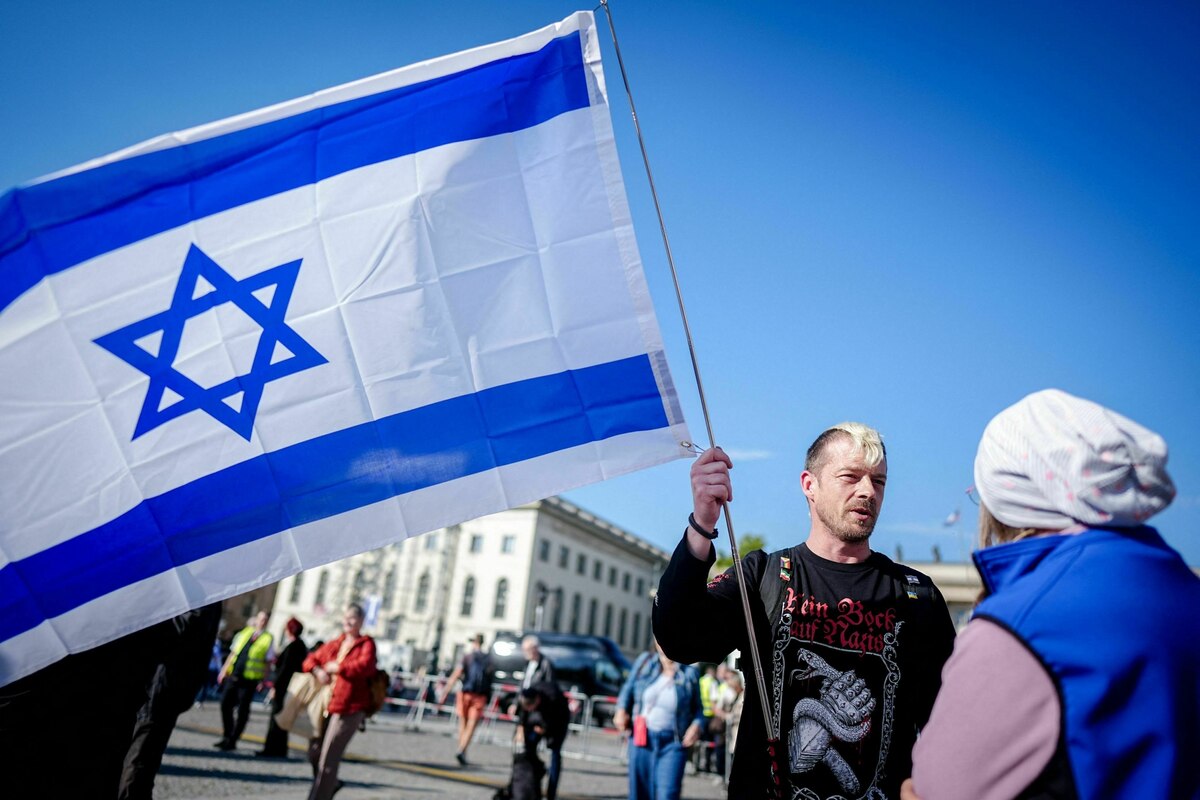
Hundreds gathered at Berlin’s historic Bebelplatz, a site etched in memory for the Nazi book burnings of 1933, to honor the victims of the October 7th massacre. Organized under the poignant motto, "Never Forget. Never Silent," the event drew a significant crowd, united in their grief and their unwavering support for Israel. The square, typically a symbol of intellectual freedom, was transformed into a fortified zone, ringed by bollards, barriers, and police vehicles, a stark reminder of the security concerns surrounding such gatherings in Germany. Banners displaying images of the hostages abducted by Hamas adorned the fences, a silent testament to the human cost of the conflict.
Echoes of Genocide and Unwavering Solidarity
The atmosphere was charged with emotion as Israel’s Ambassador to Germany, Ron Prosor, delivered a powerful and unequivocal address. "October 7th was a genocide," Prosor declared to thunderous applause. "A genocide against Jews and Israelis, and not the other way around." His words resonated deeply with the attendees, many of whom waved Israeli flags, wore Star of David necklaces, or displayed kippahs. One woman bore a tattoo on her forearm, "7.10.23," with a Star of David above it, a permanent mark of remembrance. Another held a placard simply stating, "Thank you IDF," expressing gratitude to the Israel Defense Forces.
The event’s initiator, Melody Sucharewicz, articulated the ongoing struggle: "The battle for the liberation of the hostages is over, but the threat remains. And therefore, our fight continues." Her speech transitioned from remembrance to a call for vigilance against rising antisemitism, particularly within Germany’s political landscape.
Political Condemnation and Calls for a "Firewall"
Sucharewicz’s veiled critique of antisemitic sentiments within democratic parties was swiftly picked up by Ambassador Prosor. He emphasized the necessity of a comprehensive "firewall against antisemitism," asserting that it must stand "against all sides or it is a worthless backdrop." Prosor’s demand was clear and resolute: "Antisemites must never again enter parliament!" This statement, delivered in the heart of Germany, carried significant weight, particularly in light of recent political developments.
Federal Interior Minister Alexander Dobrindt (CSU), described by Sucharewicz as "a long-time supporter of the State of Israel," arrived half an hour late but delivered an equally strong message. He warned against complacency, stating, "We must be alarmed when right-wing extremists lead a state parliament in Germany. We must be alarmed when a party in Berlin discusses a possible government participation that openly tolerates antisemites in its environment." Dobrindt’s remarks were made just a day after Tobias Rausch, an AfD (Alternative for Germany) politician, was elected state parliament president in Saxony-Anhalt, marking a significant and concerning precedent in German politics. The Minister’s presence and his pointed comments underscored the German government’s official stance and its deep concern over the normalization of antisemitic or extremist views within mainstream political discourse.
Defiance in the Face of Destruction
Dobrindt further elaborated on the nature of the hateful slogans often heard in Berlin, arguing that they are not about liberation but about destruction. "It is about the annihilation of something: a Jewish people," he stated unequivocally. For him, the path was clear: "Israel has the right and the duty to defend itself." He reaffirmed Germany’s unwavering commitment: "Germany stands firmly and unshakeably by Israel’s side."
Speakers repeatedly highlighted the militant, Hamas-glorifying faction within the pro-Palestinian movement. Sucharewicz recounted the chilling events that followed October 7th: "Even while Hamas terrorists were murdering, relatives were insulted here on Bebelplatz and posters were torn down, while baklava was handed out on Sonnenallee to celebrate Hamas’s bloodlust." Despite these provocations, the resolve of those gathered at Bebelplatz remained unbroken. Ambassador Prosor encapsulated this spirit of defiance, proclaiming, "We will dance again, even if it is with burn wounds and only one leg. No one will stop us." This powerful imagery spoke to the resilience and determination of a community scarred but not defeated.
Checkpoint Charlie: A Fringe Protest Chanting for "Liberation"
Barely a kilometer away, near the iconic Checkpoint Charlie – a potent symbol of Cold War division and ideological confrontation – a vastly different scene unfolded. This counter-demonstration, dubbed "Three Years of Genocide," drew a mere 50 people, a stark contrast to the hundreds at Bebelplatz. The gathering was reportedly organized by Ibrahim Ibrahim, an activist known for his affiliation with the PFLP (Popular Front for the Liberation of Palestine) and his presence at previous controversial events.

Symbolic Location, Starkly Different Message
The small crowd presented a disturbing tableau. Women, their headscarves wrapped in kufiyas, clutched blood-smeared dolls, purportedly representing murdered babies, and raised hands dyed red, a chilling visual reference to the Ramallah lynching of 2000, where a Palestinian mob proudly displayed their blood-stained hands after murdering two Israeli soldiers. These provocative symbols served to underscore the extreme nature of the protest’s rhetoric.
A member of the Trotskyist splinter group "Spartakist" held a sign proclaiming, "Down with Zionist incitement against leftists in the Linkspartei." While the sign pointed fingers at Germany’s Left Party, no visible representatives of the party were present at this particular, more radical, assembly, suggesting a niche, hardline stance.
Reinterpreting History: October 7th and the Call for "All Palestine"
The speeches delivered at Checkpoint Charlie presented a dramatically different interpretation of the October 7th events. One speaker asserted that October 7, 2023, "changed the world" by tearing down "the moral mask of the West." This narrative sought to recast the brutal terror attacks as a pivotal moment exposing alleged Western hypocrisy rather than an act of unprovoked aggression.
A speaker, identified as belonging to the small "Communist Organization" group, passionately declared, "We stand here today for the liberation of all Palestine," emphatically stressing the word "all." This phrase, often associated with the call "From the River to the Sea, Palestine will be Free," is widely understood as advocating for the dismantling of the State of Israel and its replacement with a Palestinian state, thus implying the eradication of Jewish self-determination in the region.

The speaker further drew a bizarre historical parallel, noting that October 7th also marked the founding of the German Democratic Republic (GDR) in 1949. He proudly highlighted that the GDR had consistently supported the PLO, attempting to connect their present-day cause to a bygone socialist-era solidarity. This invocation of the GDR, a communist state known for its authoritarianism and its anti-Zionist stance, added another layer of ideological complexity and historical revisionism to the protest. The article also noted that several other small, self-proclaimed "left-wing" groups had called for evening protests where the Hamas massacre of October 7, 2023, was explicitly celebrated, indicating a disturbing trend of glorification of violence.
Supporting Data and Broader Context
The Weight of the October 7th Atrocities
The Hamas attack on October 7, 2023, resulted in the brutal murder of approximately 1,200 people, primarily civilians, in Israel. Thousands more were injured, and over 250 individuals were kidnapped and taken hostage into Gaza. The scale and barbarity of the assault, including widespread sexual violence and torture, shocked the world and plunged Israel into an ongoing war. The trauma of that day continues to reverberate, shaping national identity and geopolitical discourse. The remembrance at Bebelplatz sought to acknowledge this profound suffering and loss, while the counter-demonstration at Checkpoint Charlie, by celebrating or reinterpreting the event, inflicted further pain on those mourning.
Berlin’s Complex Relationship with the Israeli-Palestinian Conflict
Berlin, a city with a unique historical burden regarding the Holocaust, finds itself at the epicenter of the Israeli-Palestinian conflict’s reverberations in Europe. Its diverse population, including significant Jewish and Palestinian diasporas, makes it a frequent stage for demonstrations related to the Middle East. Germany’s "Staatsräson," or raison d’état, dictates an unwavering commitment to Israel’s security, a policy deeply rooted in its post-Holocaust identity. This commitment often puts the German government in a delicate position, balancing freedom of assembly with the need to combat antisemitism and incitement to violence. The two demonstrations on the anniversary of October 7th perfectly encapsulated this inherent tension, highlighting the challenges authorities face in maintaining public order while navigating deeply held and often conflicting ideological positions.
The Spectrum of Antisemitism in Germany

The accusations of antisemitism leveled at Bebelplatz, particularly against the Left Party and the AfD, reflect a broader, worrying trend in Germany. Antisemitism manifests across the political spectrum, from the far-right’s traditional Jew-hatred to elements within the far-left and some pro-Palestinian circles that conflate criticism of Israeli government policies with anti-Jewish sentiment, often veering into outright antisemitism. The "Baklava" comment, referring to celebrations in some Berlin neighborhoods following the Hamas attack, underscored the disturbing reality that some elements in Germany openly condone or celebrate violence against Jews. The political rhetoric at Bebelplatz, therefore, was not merely abstract but rooted in tangible, alarming incidents that have challenged Germany’s self-perception as a society committed to fighting antisemitism.
Official Responses and Implications
German Government’s Stance
The presence and strong statements of Federal Interior Minister Alexander Dobrindt at the Bebelplatz commemoration reaffirmed the German government’s steadfast commitment to Israel’s security and its unequivocal condemnation of the October 7th attacks. His warnings against antisemitism in political parties, regardless of their ideological leanings, signaled a clear message from the state that such sentiments would not be tolerated. This official stance, however, continuously faces the challenge of practical implementation, particularly when confronted with the complexities of freedom of expression and the limits of protest. The government is tasked with striking a balance between upholding democratic rights and preventing the spread of hatred and incitement, a task made increasingly difficult by the emotional intensity of the Israeli-Palestinian conflict.
Societal Divisions and Future Challenges
The events of this Wednesday in Berlin serve as a microcosm of deeper societal divisions within Germany. They highlight the growing chasm between those who mourn the victims of terrorism and stand in solidarity with Israel, and those who, under the guise of anti-colonial or anti-imperialist rhetoric, either minimize the atrocities of October 7th or actively celebrate them. These contrasting narratives pose significant challenges for social cohesion, integration efforts, and the broader political discourse in Germany. The struggle to reconcile historical guilt with contemporary political realities, to combat antisemitism from all sources, and to foster respectful dialogue remains an ongoing and arduous endeavor for German society. The anniversary of October 7th, 2023, was not merely a day of remembrance but a stark illustration of these enduring and profound challenges.



















