Main Facts
In a significant pivot marking a new era in German politics, the Social Democratic Party (SPD) has shed its historically reserved, often technocratic image to embrace a more direct, emotionally charged offensive against the burgeoning far-right movement, epitomized by the Alternative for Germany (AfD). This strategic shift, catalyzed by recent alarming revelations and widespread public outcry, signifies a profound re-evaluation of how mainstream parties must confront extremist ideologies threatening the bedrock of Germany’s liberal democracy. Chancellor Olaf Scholz, along with SPD co-chairs Lars Klingbeil and Saskia Esken, have spearheaded this renewed commitment, transforming the party’s traditionally measured discourse into a fervent call to arms for democratic values.
The shift is not merely rhetorical; it is a profound recognition that the threat posed by the far-right demands more than just policy debate or reasoned argument. It requires an appeal to the collective conscience, a defense of fundamental human dignity, and an unambiguous rejection of exclusionary politics. The SPD’s leadership has increasingly articulated the fight against right-wing extremism not just as a political contest, but as an existential struggle for the soul of the nation. This approach seeks to re-energize its traditional base, appeal to undecided voters, and unite democratic forces across the political spectrum, aiming to reclaim the narrative from those who seek to undermine Germany’s constitutional order and societal cohesion.
The catalysts for this transformation are multifaceted, yet recent events have undeniably accelerated the party’s awakening. The investigative report by Correctiv in January 2024, exposing a clandestine meeting in Potsdam where "remigration" plans targeting millions of German citizens were discussed by AfD members and far-right extremists, served as a stark and terrifying reminder of the tangible dangers of radical ideology. This revelation ignited a wave of mass protests across Germany, drawing millions into the streets in defense of democracy and diversity. For the SPD, this public mobilization underscored a critical truth: the German populace was ready and eager for a more decisive and vocal political leadership in confronting the far-right. The party’s challenge now is to translate this emotional wave into sustained political action and electoral advantage, demonstrating that the fight against the far-right is not just a reactive measure, but a core tenet of their political identity and a blueprint for Germany’s future.
Chronology of a Strategic Shift
The Social Democratic Party’s journey towards a more emotionally resonant and confrontational stance against the far-right has been a gradual yet ultimately decisive evolution, marked by specific inflection points. For years, the SPD, like many mainstream parties, struggled to find an effective strategy to counter the AfD’s rise. Initially, the approach often involved attempts to dissect and disprove AfD policies with rational arguments, or to ignore them in the hope that their appeal would wane. This period, roughly spanning from the AfD’s inception in 2013 through to the early 2020s, was characterized by a perceived inability of established parties to effectively engage with or neutralize the populist surge. The SPD, particularly during its time in grand coalitions, was often criticized for being too focused on governing stability and consensus-building, inadvertently ceding the emotional terrain to the opposition, including the far-right.
A subtle shift began to emerge in the early 2020s, as the AfD cemented its position as a significant political force, particularly in eastern German states. There were increasing calls from within the SPD, particularly from its youth wing and more progressive elements, for a more robust defense of democratic principles and a clearer demarcation from extremist rhetoric. However, the party’s overarching strategy remained somewhat cautious, hesitant to engage in what some feared could legitimize the AfD by granting it too much attention.
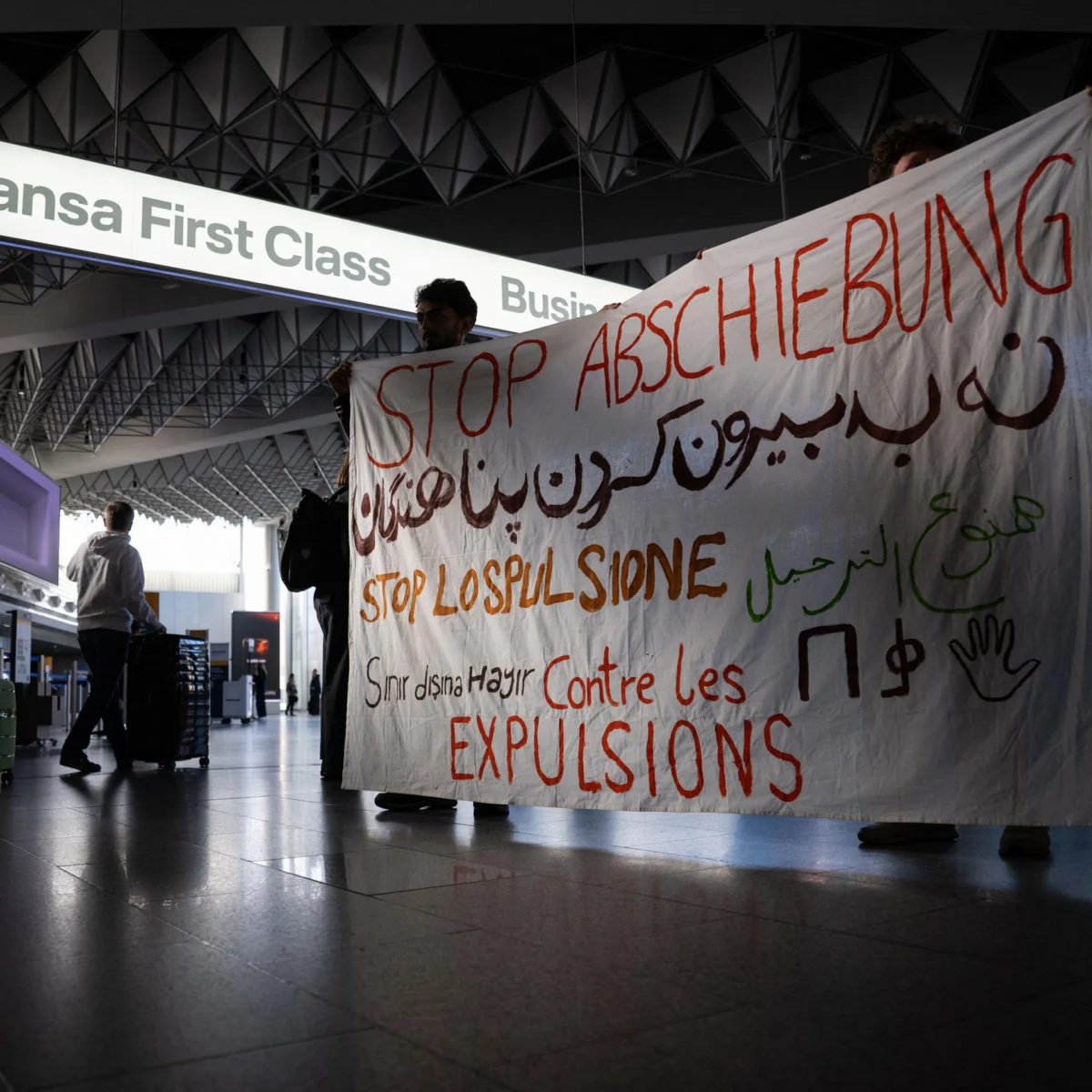
The pivotal moment arrived in January 2024 with the bombshell investigation by Correctiv. The detailed exposé of the Potsdam meeting, where senior AfD figures discussed abhorrent "remigration" plans – essentially the mass deportation of German citizens with migrant backgrounds – sent shockwaves across the nation. This was not merely a political scandal; it was perceived as a direct assault on Germany’s post-war constitutional order and its commitment to human rights. The immediate public reaction was unprecedented: within weeks, millions of Germans took to the streets in cities and towns nationwide, demonstrating against the far-right and in defense of democracy.
This massive civil society mobilization proved to be the decisive catalyst for the SPD. Chancellor Olaf Scholz, initially known for his calm and often understated demeanor, responded with uncharacteristic force, declaring a clear "never again" and emphasizing the fundamental importance of protecting Germany’s diverse society. SPD co-chairs Lars Klingbeil and Saskia Esken adopted an even more impassioned tone, explicitly linking the current threat to historical fascism and calling on all democrats to stand united. Klingbeil, in particular, became a vocal proponent of this new emotionality, urging party members and the broader public to actively engage in the fight for democratic values, not just politically, but morally.
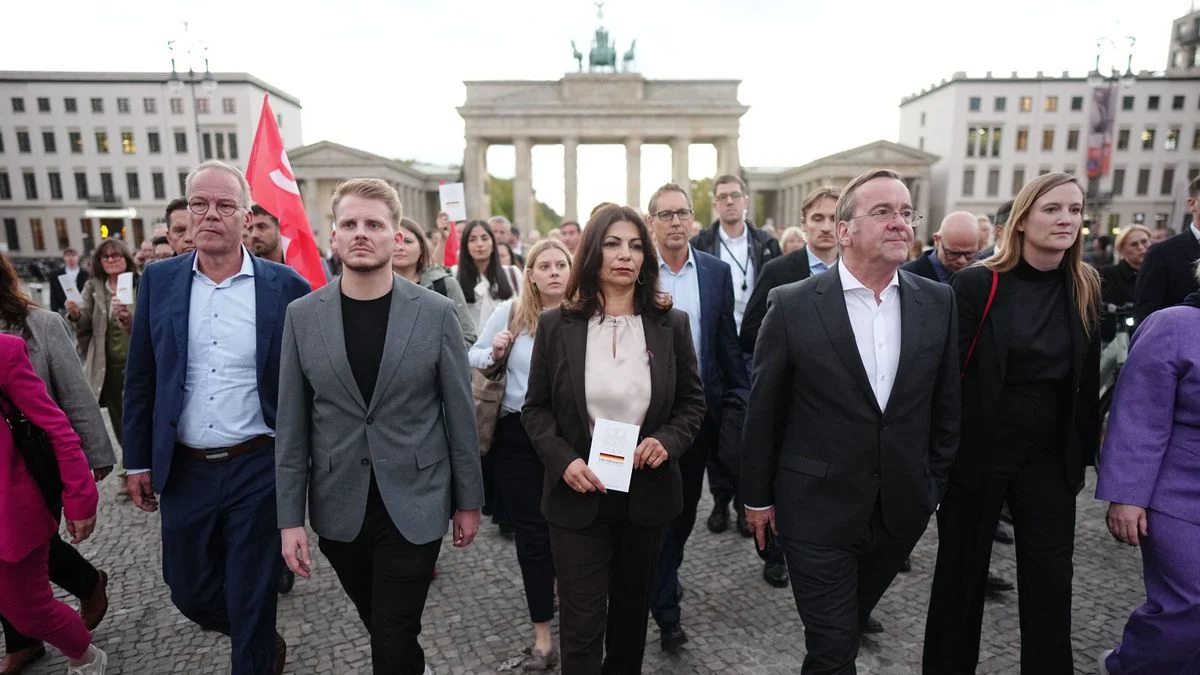
Subsequent party meetings and public appearances saw a noticeable shift in rhetoric. SPD politicians began to attend and speak at anti-AfD demonstrations, actively participating in the grassroots movement. The party’s communications increasingly focused on the direct human impact of far-right policies, emphasizing empathy, solidarity, and the protection of minorities, rather than solely economic or social policy debates. This chronological progression, from cautious engagement to direct emotional confrontation, reflects the SPD’s realization that the gravity of the far-right threat demands an equally grave and heartfelt response, moving beyond traditional political calculation to a defense of core democratic principles.
Supporting Data and Analysis
The SPD’s strategic pivot is underpinned by a complex interplay of public opinion, electoral trends, and expert analysis that highlight both the urgency of the threat and the potential efficacy of a more emotional approach. Before the "remigration" scandal, the AfD had been experiencing a significant surge in popularity, consistently polling between 20-23% nationally, positioning them as the second-strongest party in many surveys and the dominant force in several eastern German states. This rise was fueled by discontent with the ruling coalition, concerns over immigration, and economic anxieties, which the AfD expertly capitalized on with populist rhetoric.
However, the Correctiv investigation and the subsequent mass protests introduced a new dynamic. While the AfD’s national polling numbers saw a slight dip or plateaued immediately after the revelations, indicating that a significant segment of the population was alarmed, their core support remained remarkably resilient, particularly in their strongholds. This suggested that a purely rational exposé might not be enough to dislodge their loyal base, necessitating a more profound, values-based challenge.
Polling data following the protests revealed a significant increase in public concern about right-wing extremism. Surveys indicated that a vast majority of Germans viewed the AfD’s "remigration" plans as dangerous and undemocratic, and there was broad approval for the anti-far-right demonstrations. This demonstrated a receptive audience for a more forthright stance from mainstream parties. Concurrently, the SPD’s own poll numbers, which had languished in the 15-18% range, showed only marginal improvement, indicating that while the public welcomed the pushback against the far-right, this hadn’t automatically translated into increased support for the SPD itself. This underscores the challenge for the party: translating emotional solidarity into concrete electoral gains.
Political scientists have largely affirmed the necessity of the SPD’s shift. Professor Dr. Karl-Rudolf Korte, a prominent political scientist from the University of Duisburg-Essen, noted that "the AfD thrives on the perception that mainstream parties are either ignoring them or are too weak to confront them directly. The SPD’s new emotional engagement signals a clear demarcation line, which is crucial for democratic resilience." Dr. Julia Reuschenbach of the University of Bonn added that "the mass protests showed that there is a deep well of democratic sentiment in Germany. The SPD is now attempting to tap into that, to give a political voice to that civic engagement, which is a vital role for a democratic party."
Historical parallels also loom large in the analysis. Many commentators draw comparisons to the fragility of the Weimar Republic, where the failure of democratic parties to effectively counter extremist ideologies ultimately paved the way for totalitarianism. This historical consciousness imbues the current struggle with a heightened sense of urgency, driving the SPD to frame its actions not just as political maneuvering, but as a defense of the post-war democratic consensus. The data thus paints a picture of a nation grappling with a serious threat, a public increasingly aware of the stakes, and a leading democratic party attempting to find a potent response that resonates beyond traditional policy debates, appealing directly to the heart of Germany’s democratic identity.
Official Responses and Inter-Party Dynamics
The SPD’s adoption of a more emotional and confrontational strategy against the far-right has elicited a spectrum of official responses, not only from within the ruling coalition but also from opposition parties and the AfD itself. This has reshaped inter-party dynamics, forcing a re-evaluation of how Germany’s political landscape addresses the extremist threat.
Chancellor Olaf Scholz, while retaining his characteristic composure, has notably amplified his rhetoric on the issue. In public addresses and interviews, he has unequivocally condemned the AfD’s "remigration" fantasies, stating that "any attempt to divide our society based on origin or background is an attack on our constitutional order and on our shared values." His emphasis on "never again" and the inviolability of human dignity represents a stronger, more personal commitment than previously observed, reflecting the SPD’s collective shift.
SPD co-chairs Lars Klingbeil and Saskia Esken have been even more direct and impassioned. Klingbeil has repeatedly called for a "democratic awakening," urging party members and citizens alike to engage actively in the defense of democracy, comparing the current moment to historical junctures where vigilance was paramount. Esken has focused on the social and human rights implications, appealing to the SPD’s core values of solidarity and social justice as antidotes to right-wing divisiveness. Their unified front projects a party that has found its voice and its purpose in this critical struggle.
Within the ruling "traffic light" coalition, the SPD’s renewed vigor has been largely met with support, albeit with nuanced differences in emphasis. The Greens, long champions of human rights and diversity, have welcomed the SPD’s stronger stance, viewing it as a necessary step. Green leaders, such as Foreign Minister Annalena Baerbock and Vice-Chancellor Robert Habeck, have also been vocal critics of the far-right, often framing the issue through the lens of constitutional values and European integration. The Free Democratic Party (FDP), while sharing the concern about extremism, tends to emphasize the rule of law, economic freedom, and individual liberties as the primary bulwarks against authoritarianism. FDP leader Christian Lindner has condemned extremist tendencies but often cautions against rhetoric that might inadvertently strengthen the far-right by making them seem like martyrs.
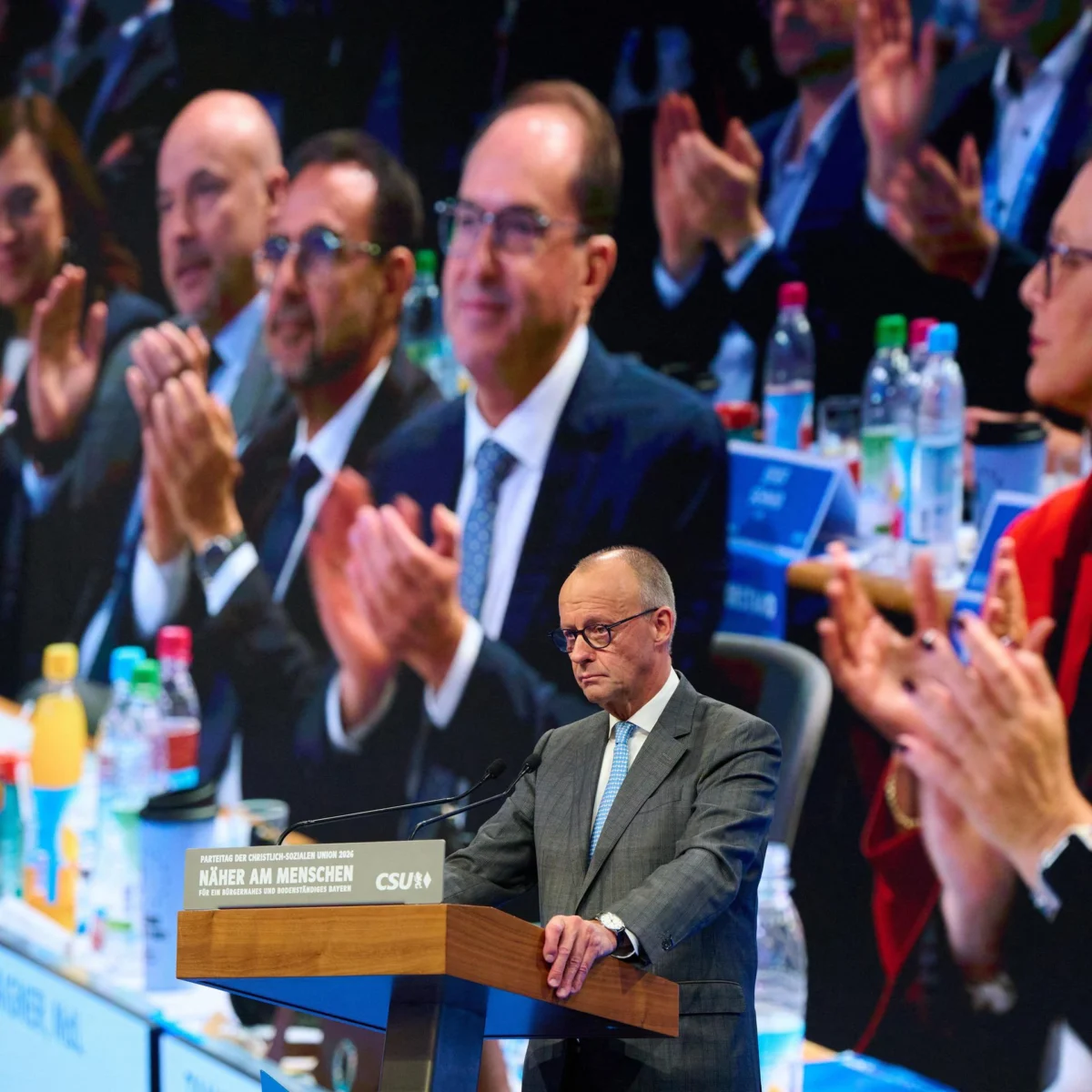
From the opposition, the Christian Democratic Union (CDU) and its Bavarian sister party, the Christian Social Union (CSU), have found themselves in a complex position. While CDU leader Friedrich Merz and CSU chief Markus Söder have also unequivocally condemned the "remigration" plans and the AfD’s extremist elements, they have simultaneously sought to differentiate their approach. They often criticize the SPD for what they perceive as belated action or for failing to address the root causes of discontent that fuel the AfD’s rise, such as immigration policy or economic stagnation. The CDU/CSU aims to position itself as the steadfast, pragmatic defender of the rule of law, distinct from what they might portray as the SPD’s potentially overly emotional or partisan response.
Unsurprisingly, the AfD has reacted with characteristic defiance and victimhood. AfD co-chairs Alice Weidel and Tino Chrupalla have dismissed the anti-far-right protests as "orchestrated" by the "establishment" and accused mainstream parties of engaging in "political persecution" and "fear-mongering." They have doubled down on their rhetoric, portraying themselves as the only true opposition and the voice of the "silent majority" against a supposedly out-of-touch political elite. This response is a predictable tactic to galvanize their base and exploit perceived grievances.
Beyond party politics, civil society organizations, trade unions, and religious institutions have largely lauded the SPD’s more assertive stance. Many have expressed relief that a leading government party is finally matching the public’s emotional commitment to defending democracy. However, they also urge consistent action beyond rhetoric, calling for concrete policy measures to strengthen democratic institutions, promote social cohesion, and combat hate speech. This broad array of responses highlights the profound impact of the SPD’s shift on the entire German political ecosystem, marking a new, more confrontational chapter in the battle for the nation’s democratic future.
Implications for Germany and Beyond
The SPD’s bold strategic shift, embracing emotional engagement and direct confrontation against the far-right, carries profound implications for Germany’s political landscape, its electoral future, and its role within a broader European context grappling with rising populism.
For the SPD itself, this move represents both a significant opportunity and a considerable risk. The opportunity lies in potentially re-energizing a party that has struggled with declining membership and stagnant poll numbers for years. By clearly positioning itself as the leading defender of democratic values and human dignity, the SPD aims to reclaim moral authority and appeal to a broad spectrum of voters who are deeply concerned about the rise of extremism. If successful, this could translate into regained trust and, eventually, electoral gains, especially in upcoming state elections in eastern Germany (e.g., Saxony, Thuringia, Brandenburg) where the AfD is particularly strong. The party’s renewed vigor could also stem the flow of voters to other parties and mobilize its own base, which has often felt unrepresented by a perceived lack of clear ideological direction.
However, the risks are equally substantial. An overly emotional approach could be perceived by some as divisive or alarmist, potentially alienating centrist voters who prefer measured discourse. There’s also the danger that the AfD could successfully portray themselves as victims of "political persecution" by the establishment, a narrative they frequently employ to rally their base. Furthermore, if the SPD’s emotional appeals are not consistently backed by tangible policy solutions that address voters’ genuine concerns (e.g., economic security, immigration management), the initial surge of goodwill could dissipate, leading to disillusionment. The long-term challenge for the SPD is to translate this emotional energy into concrete political action and sustainable electoral success, demonstrating that passion for democracy can also be effective governance.
For the broader German political landscape, the SPD’s shift signals a potential increase in political polarization, but also a strengthening of democratic consensus against extremism. Mainstream parties are increasingly being forced to take a clear stand, making it harder for the AfD to normalize its radical positions. This might lead to a clearer ideological divide, where the lines between democratic parties and anti-democratic forces are more sharply drawn. This could, in turn, foster a renewed sense of purpose and unity among the democratic parties, compelling them to cooperate more effectively in safeguarding the republic. However, it also demands a delicate balancing act, as too much focus on the far-right could inadvertently give them more prominence.
Electorally, the upcoming state elections will be critical litmus tests. If the SPD, along with other democratic parties, can successfully mobilize voters and stem the AfD’s progress, it could signal a turning point. Conversely, continued AfD gains despite the intensified pushback could indicate the deep entrenchment of far-right sentiment in certain regions. The federal election, expected in 2025, will ultimately determine the long-term impact of this strategy on national governance.
Beyond Germany’s borders, the SPD’s approach carries significant implications for Europe. As right-wing populist parties gain ground across the continent, Germany’s experience could serve as a vital case study. If the SPD’s strategy proves effective in stemming the tide of extremism, it could offer a blueprint for other European social democratic parties and mainstream political forces struggling with similar challenges. Germany, as a leading economic and political power in the EU, plays a crucial role in upholding democratic values. A strong, unified German front against the far-right could bolster European efforts to counter populist and nationalist narratives, reinforcing the values of open societies, multilateralism, and human rights across the bloc. Conversely, a failure to effectively counter the far-right in Germany could embolden extremist movements elsewhere, further destabilizing the European project. The SPD’s emotional resurgence is not merely a domestic political maneuver; it is a critical experiment in democratic resilience with potential ramifications far beyond its national borders.