

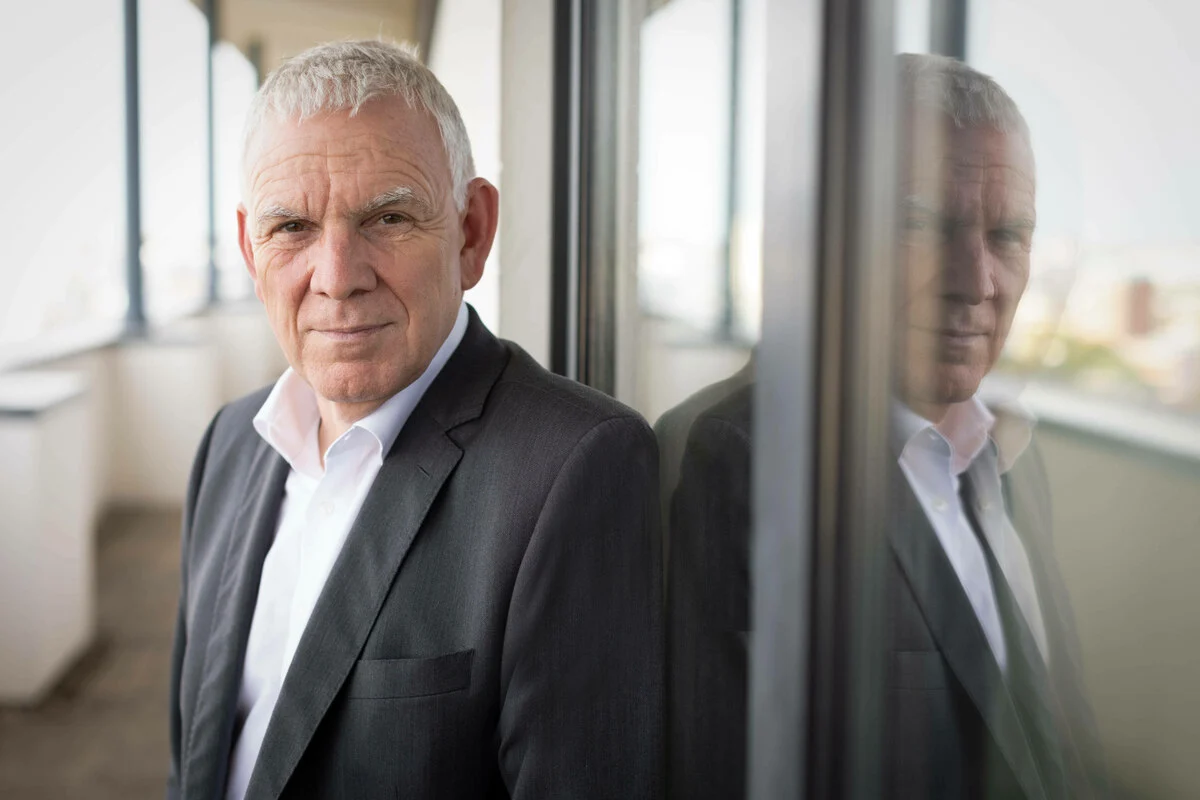
Berlin, Germany – Jochen Flasbarth, a prominent figure in German environmental policy and international climate diplomacy, is set to leave his long-held position as State Secretary in the Federal Ministry for the Environment. After decades of dedicated service within governmental and non-governmental environmental organisations, Flasbarth will transition to lead the influential European Climate Foundation (ECF), a move that sends ripples through the landscape of global climate action. The timing of his departure, just one month before the crucial UN Climate Conference (COP31) in Antalya, Turkey, has sparked considerable discussion regarding its implications for Germany’s climate leadership and the broader international climate agenda.
Flasbarth, a seasoned civil servant often described as a "captain in the engine room of politics," has been a lynchpin in Germany’s engagement with complex international climate negotiations. His expertise, particularly in multilateral environmental agreements, has been invaluable. His departure comes as global climate efforts face increasing urgency and complexity, with nations striving to accelerate decarbonisation targets amidst geopolitical tensions and economic challenges. The confirmation from a spokesperson for the Federal Ministry for the Environment underscores the significance of this transition, stating unequivocally that COP31 in Antalya will proceed without his direct governmental involvement.
A Strategic Departure Ahead of Critical Climate Talks
The most striking aspect of this high-profile personnel change is its immediate proximity to COP31. Currently, Flasbarth is actively participating in a crucial pre-COP gathering held across the Pacific island nations of Fiji and Tuvalu. He himself had previously emphasised the importance of these preliminary meetings as "a significant moment to explore possibilities for political agreement ahead of the World Climate Conference in Antalya." His deep involvement in these preparatory discussions highlights the integral role he has played in shaping Germany’s negotiating positions and fostering international consensus.
The UN climate negotiation process is an intricate dance, beginning with the annual Bonn intersessional conferences in spring, followed by various intermediate meetings and pre-COPs like the one in the Pacific. These gatherings are essential for hashing out contentious issues and building political momentum before the main conference in November. Flasbarth’s sudden exit from this highly specialised and continuous process raises questions about the immediate impact on the German delegation’s strategy and continuity, especially in the final crucial weeks leading up to Antalya.
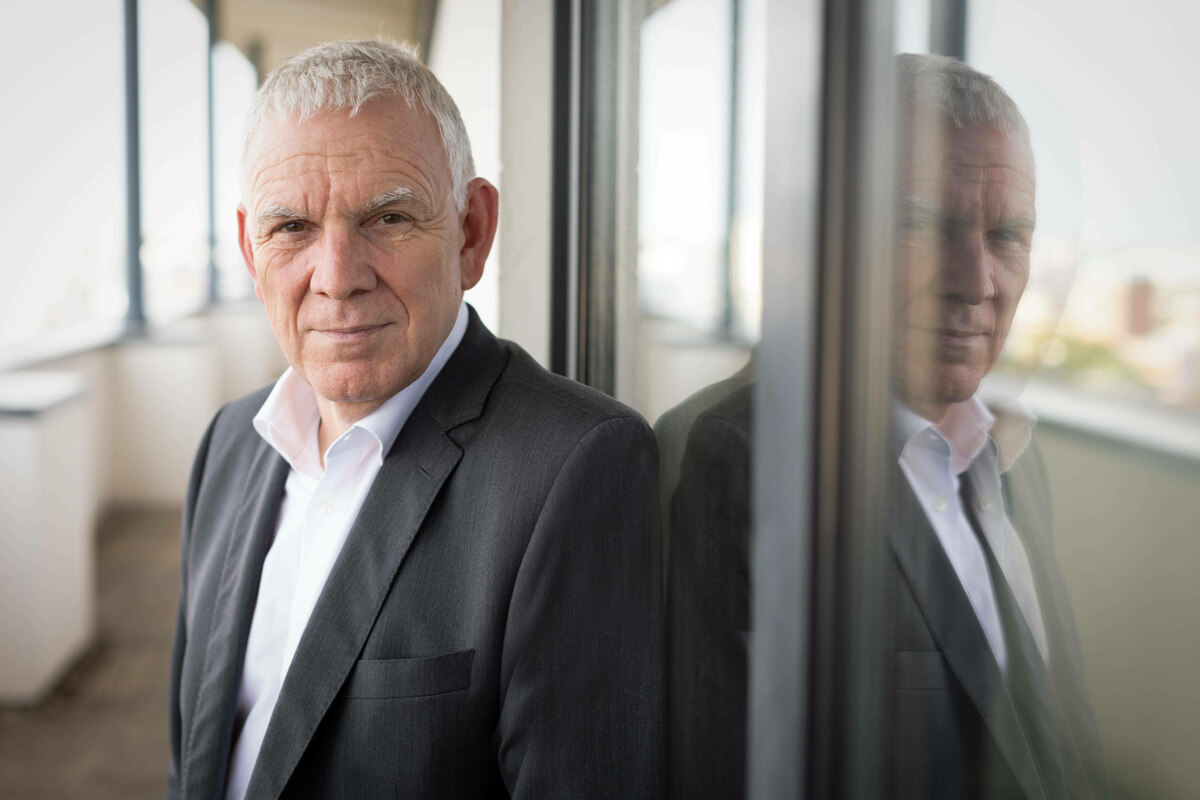
However, the German government has moved swiftly to ensure a smooth transition. Heike Henn has been named as Flasbarth’s successor. Henn, who currently heads the department for international environmental and climate protection within the ministry, is deeply familiar with the intricacies of the global climate agenda, having worked closely on the very processes Flasbarth championed. Her appointment aims to provide continuity and leverage existing expertise within the ministry, though the shoes left by Flasbarth’s extensive experience will undoubtedly be large ones to fill.
A Career Forged in Environmental Advocacy and Policy
Jochen Flasbarth’s journey to the pinnacle of German environmental bureaucracy is a testament to a lifelong commitment to nature conservation and climate action. Born in 1962, his environmental activism began remarkably early. At the tender age of 16, he joined the "Deutscher Bund für Vogelschutz" (German Federation for Bird Protection), demonstrating an early passion that would define his professional life. By 21, his leadership qualities were recognised when he was elected as the youth spokesperson for the organisation.
The political landscape of Germany underwent a seismic shift with reunification in 1990. This period also saw a significant merger in the environmental sector: the "Vogelschutzbund West" (West German Bird Protection Federation) and the "Naturschutzbund Ost" (East German Nature Conservation Federation) united to form the "Naturschutzbund Deutschland" – the Nabu, which remains one of Germany’s largest and most influential environmental NGOs.
From NGO Leader to Policy Architect

Flasbarth’s ascent within the newly formed Nabu was swift. In 1992, at the age of just 30, the trained economist was elected president of the organisation. Over the next decade, he transformed Nabu into a more politically engaged and potent force in German society. Under his leadership, Nabu moved beyond traditional nature conservation to actively advocate for broader environmental policies, engaging directly with political decision-makers and shaping public discourse. This period was crucial in honing his strategic thinking and understanding of the interplay between scientific evidence, public opinion, and political action.
His effectiveness did not go unnoticed in political circles. In 2003, despite holding an SPD (Social Democratic Party) party membership in a ministry led by Jürgen Trittin of Bündnis 90/Die Grünen (Alliance 90/The Greens), Flasbarth was brought into the Federal Ministry for the Environment as a department head. This move underscored his reputation as a cross-party expert whose competence transcended political affiliations. He continued to impress under subsequent Environment Minister Sigmar Gabriel (also SPD), proving himself indispensable for higher responsibilities.
In 2009, Flasbarth was appointed President of the Umweltbundesamt (Federal Environment Agency), Germany’s central environmental authority responsible for scientific support to the government and public information. This role further solidified his reputation as a leading expert in environmental science and policy implementation. Four years later, in 2013, he achieved the status of State Secretary, a position he held for an impressive 13 years. His tenure as State Secretary spanned two ministries: nine years in the Environment Ministry and four years in the Ministry for Economic Cooperation and Development, where he played a crucial role in integrating environmental and climate considerations into Germany’s international development efforts. This extended period allowed him to cultivate deep international networks and gain unparalleled insight into the mechanisms of global governance.
The Stakes of International Climate Diplomacy
Flasbarth’s expertise in international climate diplomacy has been particularly critical during his time as State Secretary. In this role, he was not merely an administrator but an active negotiator and strategist on the global stage. State Secretaries, particularly those in politically sensitive ministries like the environment, serve as the permanent institutional memory and operational backbone of government. They are responsible for implementing the political agenda, managing complex administrative processes, and representing the government in international forums.

His deep involvement in the UN climate negotiation cycle meant he was a familiar face at COPs, often working behind the scenes to bridge divides, draft compromise texts, and maintain momentum. The process leading up to a major climate conference like COP31 involves countless hours of technical discussions, bilateral meetings, and multilateral negotiations. His ability to navigate these intricate diplomatic channels, drawing on years of experience, was a significant asset for Germany and the European Union.
The European Climate Foundation (ECF), which Flasbarth will now lead, is far from a minor player in the climate arena. With an annual budget that allows for the allocation of approximately 250 million euros in grants, it stands as one of Europe’s most influential philanthropic organisations dedicated to climate action. The ECF works to foster the development of a low-carbon society by supporting policy development, advocacy, and strategic communications across Europe. Its mission aligns perfectly with Flasbarth’s long-standing objectives, but from a different vantage point – that of strategic influence outside the direct governmental negotiation framework.
Moreover, Flasbarth will be joined by a familiar face at the ECF: Jonathan Pershing, who will serve as his deputy. Pershing is a highly respected figure in international climate circles, having served as former President Barack Obama’s chief negotiator at several COPs. This pairing brings together two titans of climate diplomacy, combining deep governmental experience with a strategic focus on accelerating climate solutions through non-governmental channels. Their collaboration at the ECF promises to amplify the foundation’s impact and leverage their combined networks and expertise for greater effect.
Official Responses and Future Leadership
The Federal Ministry for the Environment has confirmed Flasbarth’s departure and the appointment of Heike Henn as his successor. This swift announcement aims to minimise any perceived leadership vacuum or disruption to Germany’s climate policy trajectory. Henn’s internal promotion is a logical step, given her current leadership of the international environmental and climate protection department. Her familiarity with the ministry’s operations and the ongoing climate negotiation files should ensure a degree of continuity.

However, taking on the role of State Secretary, particularly in the lead-up to a major COP, is a formidable challenge. It requires not only deep policy knowledge but also exceptional diplomatic skill, a robust network of international contacts, and the political acumen to navigate complex multi-stakeholder environments. While Henn’s experience is considerable, Flasbarth’s decades of cultivating relationships and shaping German and European positions on the world stage will be difficult to replicate instantly. The transition period will undoubtedly be a test for the ministry’s capacity to maintain its influential role in global climate negotiations.
Implications: Navigating Domestic Hurdles and Global Ambitions
The underlying reasons for Flasbarth’s decision to leave a prestigious governmental post for a foundation can only be speculated upon, but observers suggest a potential element of frustration with the current domestic political landscape in Germany. Germany’s ambitious climate goals often face internal resistance and conflicting priorities within the coalition government.
For instance, while Federal Environment Minister Carsten Schneider (SPD) recently submitted an ambitious plan to the United Nations outlining Germany’s pathway to becoming fossil-free, these efforts are often perceived as being undermined by policies from other key ministries. Federal Economy Minister Katherina Reiche (CDU), for example, has been a central figure in legislation concerning renewable energy and grid expansion, areas critical for the energy transition. Disagreements over the pace, scope, and implementation of these policies can create significant friction and slow down progress, potentially leading to disillusionment for those deeply committed to rapid climate action. The article mentions "How much frustration underlies Flasbarth’s current decision can only be speculated," hinting at these internal policy clashes.
This internal dynamic, where the stated climate ambition of one ministry collides with the practical implementation or perceived inertia from another, is a common challenge in many coalition governments. For a veteran like Flasbarth, whose career has been dedicated to driving environmental progress, such internal political friction could certainly diminish the perceived effectiveness of his role within government.

A New Chapter for Influence
Flasbarth’s move is not his first attempt to transition into a significant international role. He previously vied for the top position at UNEP, the United Nations Environment Programme, in both 2016 and 2018, though he was ultimately unsuccessful. His persistent interest in international leadership underscores his ambition to effect change on a global scale. While the European Climate Foundation is not the United Nations, it offers a different, yet highly impactful, avenue for influence.
Leading the ECF will allow Flasbarth to leverage his vast experience and network in a more agile and potentially less politically constrained environment. Foundations like the ECF play a crucial role in providing strategic funding, fostering innovative solutions, and building broad coalitions across civil society, research institutions, and even some governmental bodies. This shift from direct governmental negotiation to strategic philanthropic leadership represents a significant change in approach, but one that could be highly effective given his background. He will assume the new role in February, marking a new chapter in his distinguished career dedicated to tackling the climate crisis.
Jochen Flasbarth’s departure from the German government is more than just a personnel change; it signifies a strategic realignment of a key climate diplomat. It reflects the ongoing challenges of implementing ambitious climate policies within national political frameworks and highlights the increasing importance of non-governmental organisations in driving global climate action. As Germany prepares for COP31 and beyond, the legacy of Flasbarth’s work will undoubtedly continue to shape its approach, even as he embarks on a new mission to accelerate Europe’s transition to a sustainable future from a different, yet equally powerful, platform. His move underscores the critical need for experienced leadership across all sectors in the collective fight against climate change.




















