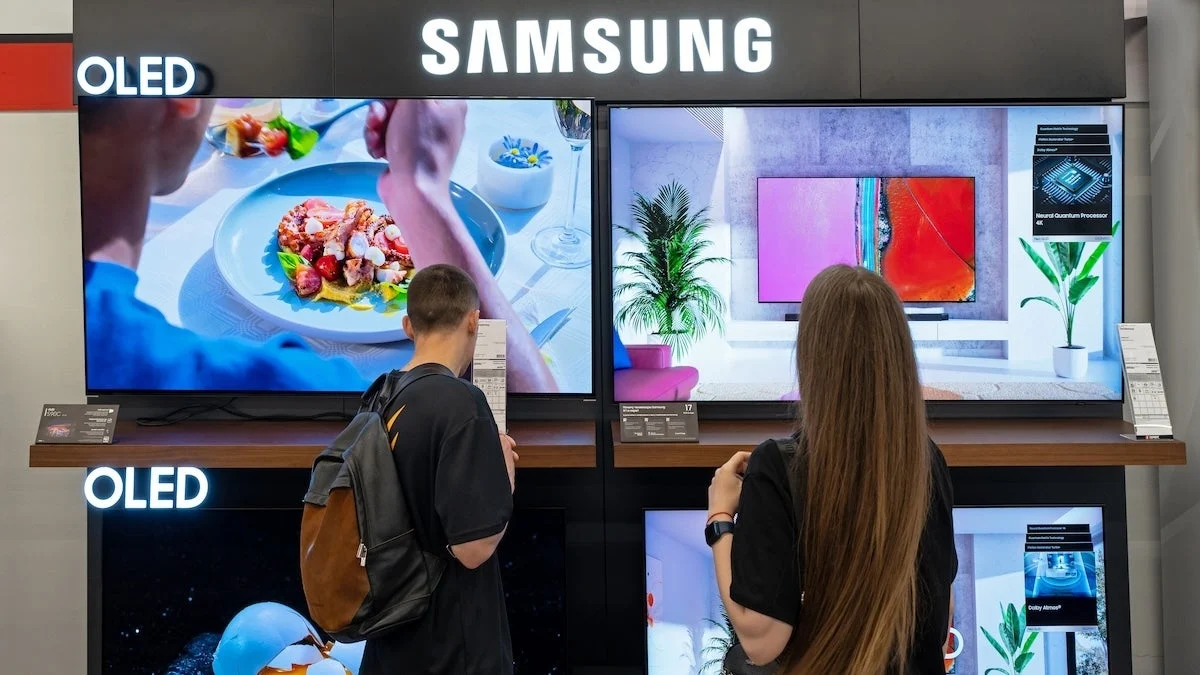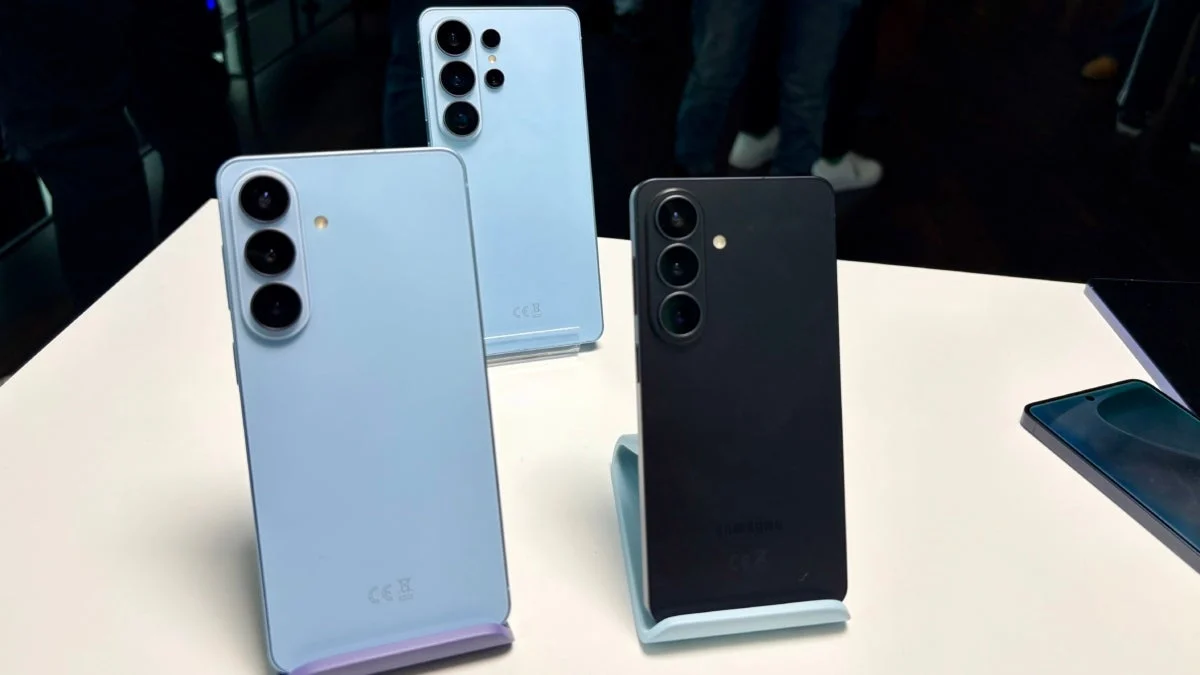
In a landscape defined by the global memory crisis, Samsung has recently adjusted its pricing strategy for its flagship Galaxy S26 series. While manufacturers face mounting pressure from supply chain volatility and rising component costs, consumers are left to navigate a complex ecosystem of retail discounts, exclusive bundles, and competitive pricing wars during major shopping events like Amazon’s Prime Deal Days.
1. Main Facts: The Price Shift in the Galaxy Ecosystem
Samsung’s decision to retroactively increase the list prices for its latest Galaxy S26 smartphone series in early October marks a significant turning point in the company’s recent fiscal strategy. Despite the ongoing global memory chip shortage, which has severely impacted the manufacturing overheads of tech giants, the move surprised many industry analysts who expected price stability following the initial product launch.
However, the "price hike" is a nuanced development. While the official RRP (Recommended Retail Price) on Samsung’s direct channels has climbed, the retail market tells a different story. Major e-commerce platforms—most notably Amazon—have bypassed these increases during current promotional cycles, offering the devices at significant discounts. This divergence creates a unique window of opportunity for tech-savvy consumers, provided they understand the trade-offs between official manufacturer pricing, retailer-exclusive bundles, and third-party competitive markets.
2. Chronology of the Market Turbulence
The current situation is the culmination of several months of market instability.
- Q3 2024: Global memory manufacturers reported tighter margins as the cost of DRAM and NAND flash memory began to fluctuate due to geopolitical tensions and raw material scarcity.
- Early October 2024: Samsung officially adjusted the price tags for the Galaxy S26 series across its primary markets. This move was widely interpreted as a response to the increased costs of premium hardware components, such as high-end sensors and the proprietary Privacy Display technology.
- Mid-October 2024 (Prime Deal Days): As promotional events kicked off, the disparity between Samsung’s new MSRP and retail street prices became stark. Amazon utilized the Galaxy S26 series as a "loss leader" or promotional anchor, keeping prices below the new manufacturer-suggested levels to drive traffic.
- Present Day: Consumers face a split market. On one side, the convenience of retailer-bundled warranties; on the other, the raw, competitive pricing found on smaller, specialized electronics retailers.
3. Supporting Data: Analyzing the Deals
To make an informed purchase, one must dissect the value proposition of these "deals."
The Galaxy S26 Ultra: Premium Privacy vs. Price
The flagship S26 Ultra serves as the primary battleground. Amazon lists the device at approximately €1,015. While this is lower than the new official price, the key "value-add" here is the inclusion of an extended three-year warranty (up from the standard two). However, data from price comparison platforms indicates that the device can be sourced from smaller retailers for under €1,000.
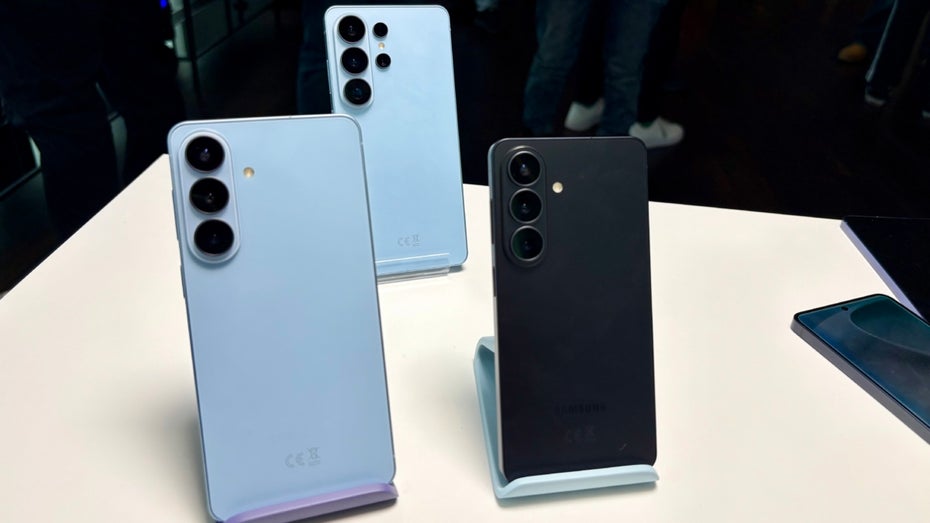
The Verdict: The decision rests on the consumer’s risk tolerance. Is a third year of warranty worth the €15–20 premium? For users of the S26 Ultra—which features the highly touted Privacy Display and a camera array that currently leads the industry—long-term device protection is often a priority, making the Amazon deal objectively attractive despite not being the absolute "lowest" price on the internet.
The Mid-Range Discrepancies
The Galaxy S26 and S26 Plus show a more volatile pricing structure. Amazon’s pricing is often tied to specific color variants. For instance, while the black variant of the S26 Plus sits at a competitive €849, other colors may not see the same level of reduction. Consumers are advised to utilize comparison engines, as the "Best Deal" badge on major platforms often masks the fact that color-specific inventory might be overpriced compared to the wider market.
Tablets and Wearables
The tablet market presents a more straightforward picture:
- Galaxy Tab A11 Plus: Priced at €195 with a 3-year warranty, it matches the pricing at major retailers like MediaMarkt and Saturn.
- Galaxy Tab S10 FE/FE Plus: These devices represent the "sweet spot" for current deals. With the S-Pen included and a superior display, the current Amazon price points of €399 and €599 represent legitimate market lows.
- Galaxy Tab S11 Ultra: A warning for power users—while Amazon bundles a 3-year warranty for €1,189, savvy shoppers can find the same unit at retailers like Notebooksbilliger for €1,049, a saving of €140.
4. Official Responses and Industry Context
Samsung has remained tight-lipped regarding the specific mechanics of the retail price gap. However, industry insiders suggest that the company is employing a "tiered channel strategy." By allowing high-volume retailers like Amazon to offer extended warranties and specific pricing, Samsung maintains its brand prestige and high official RRP while simultaneously ensuring that their volume targets are met through promotional incentives.
The "Privacy Display" technology integrated into the S26 series is a critical piece of the puzzle. This feature, which allows users to limit viewing angles to prevent "shoulder surfing" in public spaces, is expensive to manufacture. Samsung’s decision to hike prices is essentially a pass-through of the high R&D and manufacturing costs of these specialized components.
5. Implications: What This Means for the Future
The current market climate has several long-term implications for both the manufacturer and the consumer.

For the Consumer
- The End of Uniform Pricing: Gone are the days of a single, universal price for flagship hardware. Consumers must now act as their own procurement officers, weighing the value of extended warranties against the raw savings offered by smaller, leaner retailers.
- The "Warranty Tax": Retailers like Amazon are increasingly using "exclusive warranties" to justify higher prices. Consumers must calculate whether the cost of an extra year of protection is truly worth the price delta.
- Color-Blind Shopping: The modern retail algorithm often discounts specific colorways to clear inventory. Consumers willing to choose a "less popular" color often reap the greatest financial rewards.
For the Industry
The memory crisis shows no signs of an immediate thaw. As manufacturing costs remain high, we can expect "retroactive" price adjustments to become a common occurrence. Samsung’s move may well be the blueprint for other manufacturers to protect their margins in a volatile economic climate.
Furthermore, the focus on value-added services—like AI integration (Gemini), advanced health tracking in the Galaxy Watch series, and integrated accessories like the S-Pen—will become the primary way brands differentiate themselves without triggering "sticker shock" from even higher base prices.
Strategic Advice
- Check the Comparison Engines: Never rely on a single retailer’s "Best Price" claim.
- Factor in the Bundle: If you are a user who tends to keep their phone for 3+ years, the Amazon-style extended warranty is a tangible financial benefit that offsets the slightly higher purchase price.
- Consider Last Year’s Models: As seen with the Galaxy Watch 8, the previous generation of hardware often receives the most aggressive price drops during major events, providing 90% of the functionality for 60% of the cost.
In conclusion, while the headline "Price Hike" is accurate for the manufacturer’s direct site, the retail reality remains highly competitive. By staying informed, utilizing comparison tools, and carefully weighing the value of bundled warranties, consumers can still secure high-end Samsung technology at prices that defy the current global inflationary trends.
Disclaimer: This article contains affiliate links marked with an asterisk. If you make a purchase through these links, t3n.de receives a commission. This does not influence our editorial independence or the objectivity of our analysis.