

Rhodes, Greece – In a development that has sent shockwaves through human rights circles, two prominent activists, Tommy Olsen and Panayote Dimitras, are standing trial on the Greek island of Rhodes, accused of forming and participating in a criminal organization, as well as commercially facilitating the illegal entry and stay of migrants. The trial, which commenced this Tuesday, carries a potential sentence of up to 20 years in prison for the defendants, a severity that Amnesty International has decried as a "gross abuse" of anti-smuggling legislation.
The charges against Olsen, founder of the Norwegian human rights observation NGO Aegean Boat Report (ABR), and Dimitras, a member of the Greek Helsinki Monitor, stem from their work documenting human rights violations against refugees in the Aegean Sea. Their organizations have been at the forefront of exposing illegal pushbacks by Greek authorities, a practice widely condemned under international law. The prosecution’s decision to pursue such grave charges against individuals dedicated to humanitarian aid and human rights monitoring has ignited a fierce debate about the criminalization of solidarity in Europe and the shrinking space for civil society at the continent’s borders.
The Aegean Crisis and the Perilous Journeys
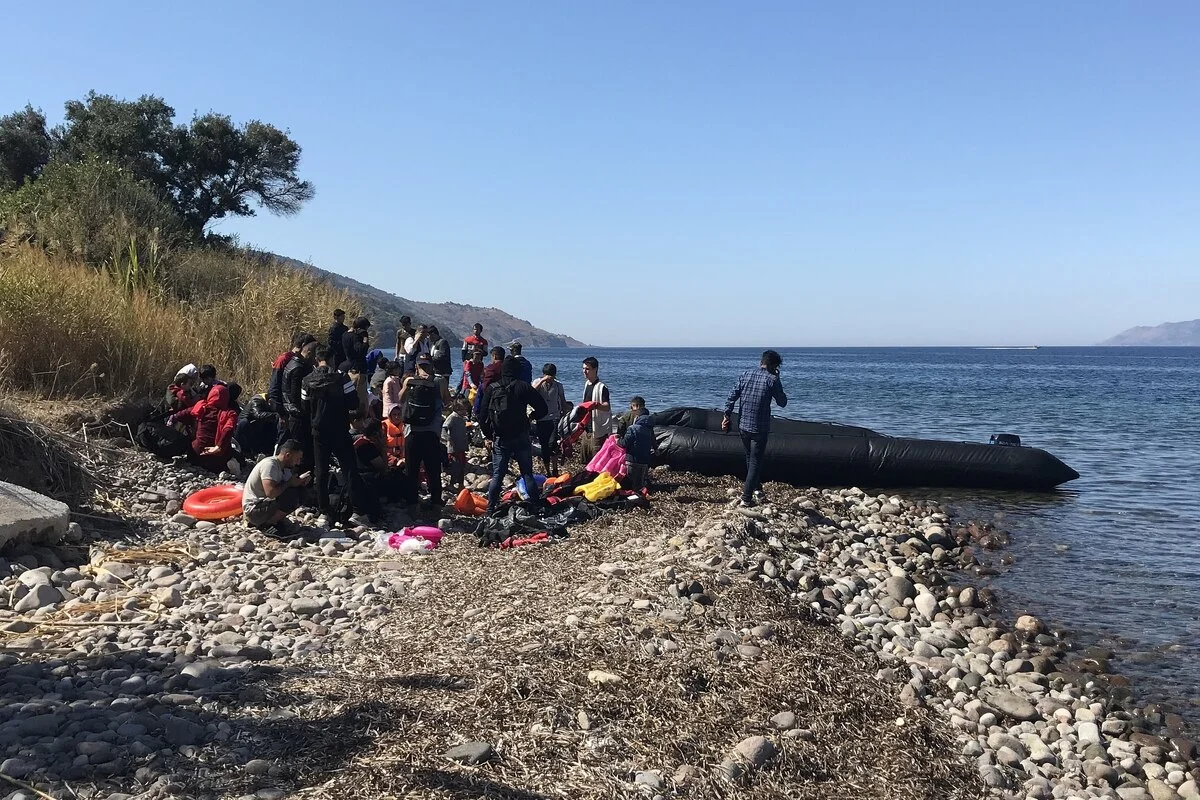
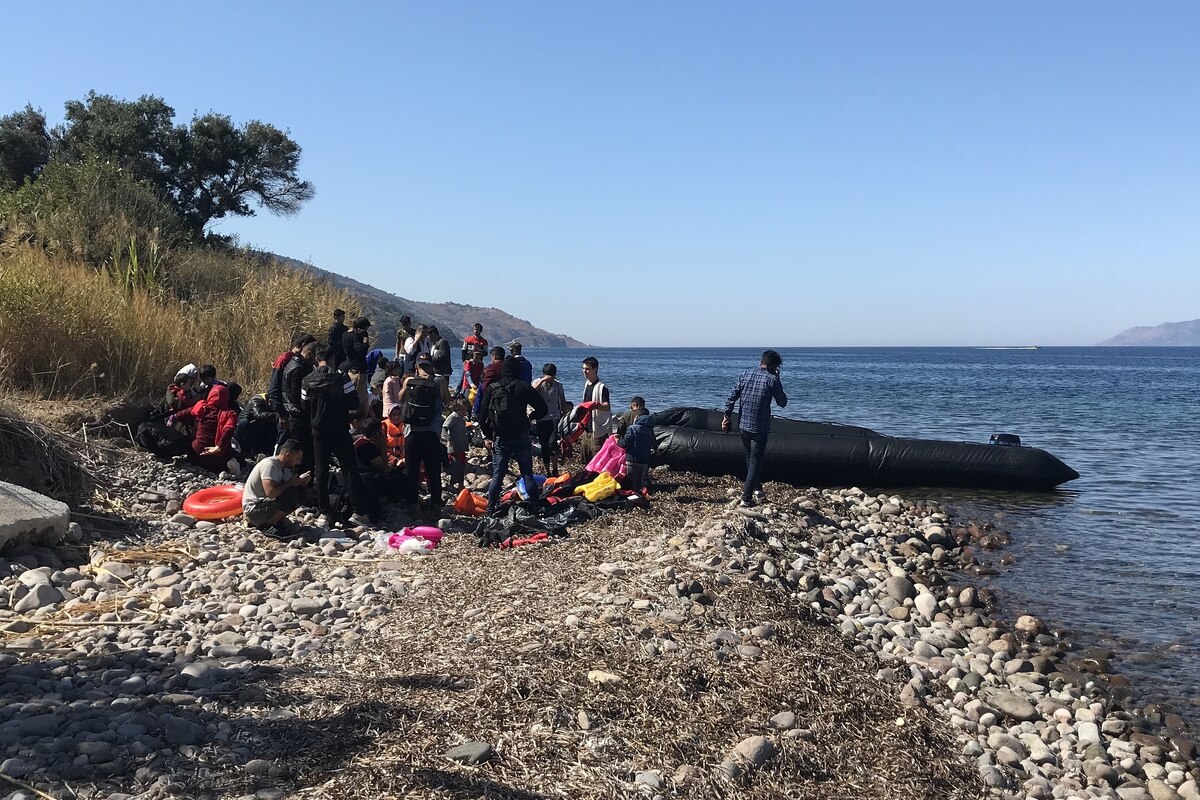
The Aegean Sea, a historic crossroads of civilizations, has in recent years become a tragic frontier in Europe’s migration crisis. Thousands of individuals, fleeing war, persecution, and poverty in the Middle East, Africa, and Asia, attempt the perilous crossing from Turkey to the Greek islands, often in overcrowded and unseaworthy vessels. Greece, as a frontline state in the European Union, bears a significant burden in managing these arrivals, a task complicated by complex geopolitical dynamics and often conflicting national and international interests.
Amidst this humanitarian emergency, non-governmental organizations (NGOs) like the Aegean Boat Report have emerged as crucial actors. They fill critical gaps in monitoring, reporting, and often, providing direct assistance to those in distress. Their work is not merely charitable; it is often essential for upholding fundamental human rights principles and ensuring accountability where state actors may fall short. However, in an increasingly restrictive policy environment, the very acts of compassion and documentation that define their mission are now being interpreted through a punitive legal lens.
The Accused: Advocates on the Frontlines
Tommy Olsen, a Norwegian citizen residing in Tromsø, founded the Aegean Boat Report in 2017. His organization quickly gained prominence for its meticulous and often real-time documentation of migrant arrivals, maritime incidents, and, crucially, the controversial practice of pushbacks in the Aegean. Pushbacks involve the forced return of asylum seekers or migrants across a border without an individualized assessment of their protection needs, a clear violation of the principle of non-refoulement enshrined in international law. ABR’s detailed reports, often based on direct testimonies and photographic evidence, have provided invaluable data to international bodies and media outlets, challenging official narratives and holding authorities accountable.
Panayote Dimitras, a respected Greek human rights activist, is a member of the Greek Helsinki Monitor, another organization dedicated to protecting human rights in Greece. His involvement in the case underscores the broader pressure on domestic human rights organizations collaborating with international counterparts to expose alleged state misconduct. Both Olsen and Dimitras vehemently deny the charges, asserting that their actions are purely humanitarian and aimed at upholding human rights.
The Heart of the Charges: "Criminal Organization" and "Commercial Facilitation"
The specific allegations against Olsen and Dimitras center on an incident that occurred on July 21, 2022. According to the prosecution, Olsen – with Dimitras’s alleged knowledge – received information via WhatsApp from an informant in Turkey regarding a planned boat crossing of eight individuals from Congo, Benin, Cameroon, Togo, and Ghana into Greece. Based on this information, Olsen is accused of assisting the group in initiating their asylum procedures, thereby "facilitating" their illegal entry into Greece. The "commercial" aspect of the charge stems from Olsen’s role as a paid leader of the Aegean Boat Report, implying that his humanitarian actions were undertaken for financial gain, despite ABR being a non-profit organization.
Olsen has countered these claims, stating that he did nothing illegal, but rather provided humanitarian assistance. He explained that ABR regularly receives distress calls from people at sea seeking help. His organization, he emphasized, has "systematically recorded violations of refugee rights by the Greek authorities," particularly concerning illegal returns and pushbacks. The act of relaying information to authorities to ensure the safety and legal access to asylum procedures for vulnerable individuals is precisely what human rights organizations consider their mandate, not a criminal enterprise. The Greek judicial system, however, appears to be interpreting these actions as complicity in smuggling.
A Troubling Chronology of Legal Pursuit
The legal pursuit against Tommy Olsen has been a protracted and internationally scrutinized affair.
- December 2023: Greek authorities issued a European arrest warrant against Olsen. This move signaled a significant escalation in Greece’s stance against migrant solidarity work.
- March 2024: Norwegian police arrested Olsen at his home in Tromsø, acting on the Greek warrant. After four days in detention, he was released, indicating initial doubts about the charges’ validity in Norway.
- May 2024: The Hålogaland Court of Appeal in Norway definitively rejected Greece’s extradition request. The Norwegian court concluded that the charges brought by Greek justice were not criminal under Norwegian law. This ruling provided a significant legal validation of Olsen’s activities from a different European jurisdiction, highlighting the stark contrast in legal interpretation.
Despite Norway’s rejection of extradition, the Greek prosecution has pressed ahead with the charges, underscoring the determination of the Greek state to pursue these cases within its own legal framework. The commencement of the trial in Rhodes now places the two activists directly in the crosshairs of a judicial system seemingly intent on making an example.

International Outcry and the Chilling Effect
The prosecution of Olsen and Dimitras has provoked a strong backlash from international human rights organizations and UN bodies, who view it as a dangerous precedent and an attempt to silence critical voices.
Tommy Olsen himself articulated the profound implications of such prosecutions: "When human rights defenders are prosecuted for documenting what is happening at Europe’s borders, while pushbacks continue with impunity, it sends a clear message to all those doing this work: keep silent, or risk being indicted yourselves." This statement powerfully conveys the "chilling effect" these trials have on NGOs and independent monitors, deterring them from carrying out their vital work.
Panayote Dimitras echoed these sentiments, stating that the prosecution’s "sole aim is to harass us and severely restrict our work documenting human rights violations at the Greek borders." He further added that the proceedings have "stigmatized" him and prevented him from traveling abroad for over three years, illustrating the significant personal toll these legal battles exact.
Dinushika Dissanayake, Deputy Regional Director for Europe at Amnesty International, condemned the proceedings as a "gross abuse of anti-smuggling legislation." She emphasized that the charges "lack any evidence" and that "both are being targeted for their work documenting serious human rights violations against migrants and refugees." Dissanayake highlighted a disturbing pattern, noting that "Greek authorities have long been known for prosecuting human rights defenders and criminalizing human rights work."
Amnesty International views Olsen’s case as a "new low." "For the first time, human rights activists are being put on trial for helping people gain access to asylum procedures," Dissanayake stated. "To call this smuggling is a distortion of international and national law and a dangerous defamation of the valuable work of NGOs."

The UN Special Rapporteur on the situation of human rights defenders, Mary Lawlor, has also publicly declared Olsen’s prosecution "unacceptable," adding further weight to the international criticism.
Greece’s Restrictive Migration Policy and Broader EU Trends
The trial of Olsen and Dimitras is not an isolated incident but rather indicative of a broader and increasingly restrictive migration policy adopted by Greece since 2019, which was further tightened in 2025 (likely a typo in the original article, probably referring to 2023 or 2024). This shift has seen a greater emphasis on border enforcement, deterrence, and a less tolerant approach towards humanitarian assistance, often framed as "facilitation of illegal entry."
Across the European Union, there has been a concerning trend of expanding the scope of criminal offenses related to facilitating irregular migration. While such measures are ostensibly aimed at dismantling human trafficking networks, critics argue that they are frequently misapplied to humanitarian actors who provide assistance without any intention of personal gain or criminal motive. The "commercial" aspect of the charge against Olsen, based merely on his being a paid employee of an NGO, exemplifies this concerning expansion.
While many such prosecutions ultimately result in acquittals or the dropping of charges, the process itself inflicts severe hardship on those targeted. Activists often face years of legal uncertainty, the risk of pre-trial detention, exorbitant legal costs, and significant loss of income or even employment. This punitive process serves as a de facto deterrent, effectively stifling human rights monitoring and solidarity efforts, irrespective of the final legal outcome.
The context of this trial also includes other similar cases across Europe. For instance, the widely publicized case of Sarah Mardini and Sean Binder, two search-and-rescue volunteers, who faced espionage and smuggling charges on Lesbos, Greece, before their case was eventually dropped or acquitted on technicalities. In Poland, several individuals have faced legal challenges for providing basic aid like soup and water to migrants stranded at the border. These examples underscore a worrying pattern where states, particularly those on the EU’s external borders, are increasingly using legal mechanisms to impede and penalize humanitarian assistance.

Implications for Human Rights and European Values
The trial of Tommy Olsen and Panayote Dimitras represents a critical moment for human rights, civil society, and the rule of law in Europe.
Firstly, it poses a direct threat to the vital work of human rights defenders. If documenting violations and helping individuals access their fundamental right to seek asylum can be criminalized, then the ability of independent organizations to monitor state actions and provide transparency is severely undermined. This creates an environment where abuses, such as pushbacks, can occur with even greater impunity.
Secondly, the charges against Olsen and Dimitras blur the lines between humanitarian aid and criminal activity. By equating the provision of information to authorities about distressed migrants with "smuggling" or participating in a "criminal organization," the Greek justice system risks eroding the very principles of compassion and solidarity that underpin international humanitarian law.
Thirdly, this case highlights a troubling inconsistency within the European legal framework. The stark difference between the Norwegian court’s assessment of Olsen’s actions and the Greek prosecution’s charges reveals a fragmentation in how humanitarian aid is perceived and legally treated across EU member states. This divergence complicates efforts to ensure a unified and rights-respecting approach to migration.
Finally, the trial has significant implications for Greece’s international reputation. As a member of the European Union, Greece is expected to uphold the highest standards of human rights and rule of law. Prosecutions of human rights defenders, especially when criticized by major international bodies, cast a shadow over its commitment to these values and risk isolating it further from its European partners and the international community.

As the trial unfolds in Rhodes, the eyes of the world will be on the Greek judicial system. The outcome will not only determine the fate of Tommy Olsen and Panayote Dimitras but will also send a powerful message about the future of humanitarian aid and human rights defense at the borders of Fortress Europe. It will reveal whether solidarity remains a cherished value or becomes an increasingly perilous act.




















