

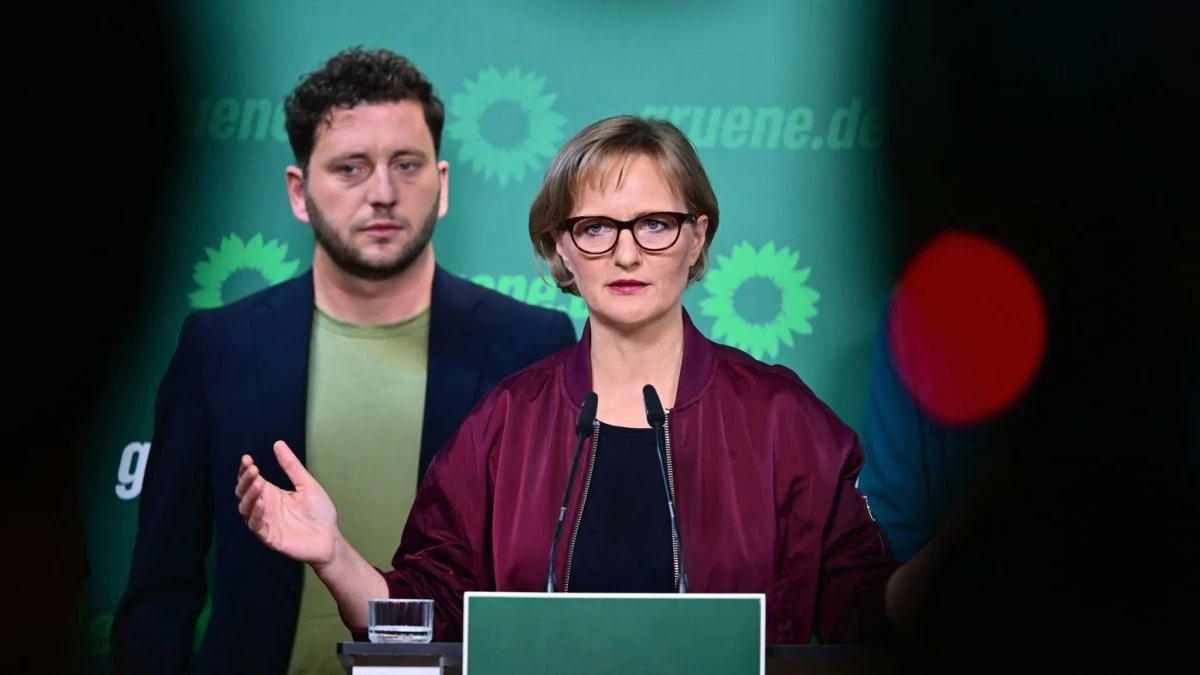
Berlin, Germany – The German Green Party is undergoing a significant internal realignment, preparing for a comprehensive board election at its upcoming party conference in December. At the forefront of this reshuffle is Sven Giegold, a seasoned political figure and former State Secretary under Vice Chancellor Robert Habeck, who has announced his candidacy for the pivotal role of General Secretary. Giegold’s ambition is clear and assertive: to transform the Greens into "the leading force of the left-centre" in German politics, aiming for a position of such indispensable strength that "no democratic government can be formed without us in 2029."
This strategic move signals not just a change in personnel but a potential recalibration of the party’s direction and electoral aspirations. With no immediate counter-candidates emerging, Giegold’s path to the General Secretary position appears largely unobstructed, setting the stage for a new chapter in the party’s organizational and strategic leadership. While the current co-chairs, Ricarda Lang and Omid Nouripour, are expected to seek re-election, the broader composition of the federal board remains subject to internal debate, reflecting the dynamic and often contentious nature of Green party politics. The December conference in Berlin promises to be a crucial event for defining the party’s identity and roadmap for the coming years.
The Shifting Sands of Green Leadership: Sven Giegold’s Ascent
The impending election of Sven Giegold as the Green Party’s new General Secretary marks a pivotal moment for the party, currently a key player in Germany’s "traffic light" coalition government. His candidacy, announced ahead of the December party conference, is being met with considerable internal support, suggesting a concerted effort to consolidate leadership and sharpen the party’s strategic focus.
A New Helmsman for the Party Machine
The role of General Secretary within a German political party is far more than a mere administrative post; it is a central pillar of organizational leadership, campaign strategy, and public communication. The General Secretary is typically responsible for the day-to-day management of the party apparatus, coordinating election campaigns, articulating the party line, and often serving as a prominent public face alongside the party co-chairs. This individual plays a critical role in ensuring internal cohesion, mobilizing grassroots support, and translating policy objectives into actionable political narratives.
Sven Giegold’s bid for this influential position is a testament to his established standing within the party and his extensive political experience. His declaration to the Handelsblatt newspaper underscores his readiness to take on this demanding role, particularly his emphasis on making the Greens "the leading force of the left-centre." This statement is not merely aspirational but reflects a strategic vision for the party’s future trajectory, aiming to solidify its position as a dominant political power capable of shaping Germany’s governmental landscape. The absence of publicly declared counter-candidates for the General Secretary post further indicates a strong internal consensus around Giegold’s leadership qualities and strategic direction, or perhaps a pragmatic decision by potential challengers to avoid a divisive contest at a crucial juncture for the party.
Crafting a "Leading Force of the Left-Centre"
Giegold’s vision of making the Greens "the leading force of the left-centre" by 2029 is a bold declaration that seeks to redefine the party’s traditional niche. For decades, the Social Democratic Party (SPD) has largely occupied this political space, emphasizing social justice, workers’ rights, and a welfare state. The Greens, traditionally focused on environmental protection, peace, and social liberalism, have often been seen as a distinct, albeit sometimes allied, force. Giegold’s ambition suggests a deliberate strategy to broaden the Green Party’s appeal beyond its core environmental constituency, integrating social and economic policies more explicitly into its platform to attract a wider range of progressive voters.
Achieving this goal would necessitate a sophisticated approach to policy development and communication. It would involve presenting compelling solutions to pressing issues such as economic inequality, affordable housing, and equitable access to education and healthcare, all while maintaining the party’s foundational commitment to climate action and ecological sustainability. This repositioning could see the Greens more directly challenging the SPD for ideological dominance within the progressive bloc, potentially leading to intensified electoral competition but also offering new avenues for coalition building. The target year of 2029, coinciding with the next scheduled federal election after the current legislative period, highlights a long-term strategic commitment to building the necessary electoral strength to become an indispensable partner in any future democratic government formation.
A Veteran’s Journey: Giegold’s Path to Power
Sven Giegold’s extensive political career and diverse background provide a robust foundation for his anticipated role as General Secretary. His journey through various political arenas has equipped him with a unique blend of experience in both international and domestic policy-making, as well as grassroots activism.

From Brussels to Berlin: A Career in Green Politics
Giegold’s political trajectory began prominently in the European Parliament, where he served as a Member for twelve years. His tenure in Brussels (2009-2021) saw him become a leading voice on financial market regulation, economic policy, and corporate social responsibility. As a key figure in the European Greens/European Free Alliance group, he was instrumental in shaping EU-level debates on issues such as banking union, tax evasion, and sustainable finance. This period provided him with invaluable experience in complex legislative processes, coalition-building across national lines, and communicating intricate policy matters to a broad audience. His deep understanding of European governance and economic structures is a significant asset, particularly as Germany navigates its role within the EU and global economic challenges.
Upon the formation of the current "traffic light" coalition government in Germany in late 2021, Giegold transitioned from the European Parliament to a critical role in Berlin. He was appointed State Secretary in the Federal Ministry for Economic Affairs and Climate Action, serving directly under Vice Chancellor and Green Party leader Robert Habeck. In this capacity, he was deeply involved in the intricate process of Germany’s energy transition, industrial policy, and addressing the economic fallout of geopolitical crises. His experience at the heart of federal government operations, particularly in a ministry grappling with some of Germany’s most pressing challenges, provides him with an intimate understanding of executive decision-making, inter-ministerial coordination, and the practicalities of implementing Green policies within a diverse coalition.
Beyond his institutional roles, Giegold is also a co-founder of Attac Germany, a prominent non-governmental organization dedicated to critical analysis of globalization and advocating for social and ecological alternatives. This activist background underscores his roots in progressive movements and his commitment to fundamental systemic change. It also suggests an ability to connect with grassroots movements and articulate a vision that resonates beyond traditional political circles, an important skill for a General Secretary tasked with mobilizing the party base. His combination of parliamentary, executive, and activist experience positions him as a pragmatic yet principled leader, capable of navigating both the intricacies of governance and the demands of party activism.
The Incumbent Board and Upcoming Changes
Currently, Sven Giegold serves as one of two Vice-Chairs on the federal board of the Green Party, a role that has already given him insight into the party’s internal workings and strategic challenges. The upcoming party conference in December is mandated to elect the entire federal board, a regular biennial occurrence that ensures democratic accountability and allows for periodic renewal of leadership. This means that not only the General Secretary position but also the co-chairpersons, other vice-chairs, and additional board members will be subject to election.
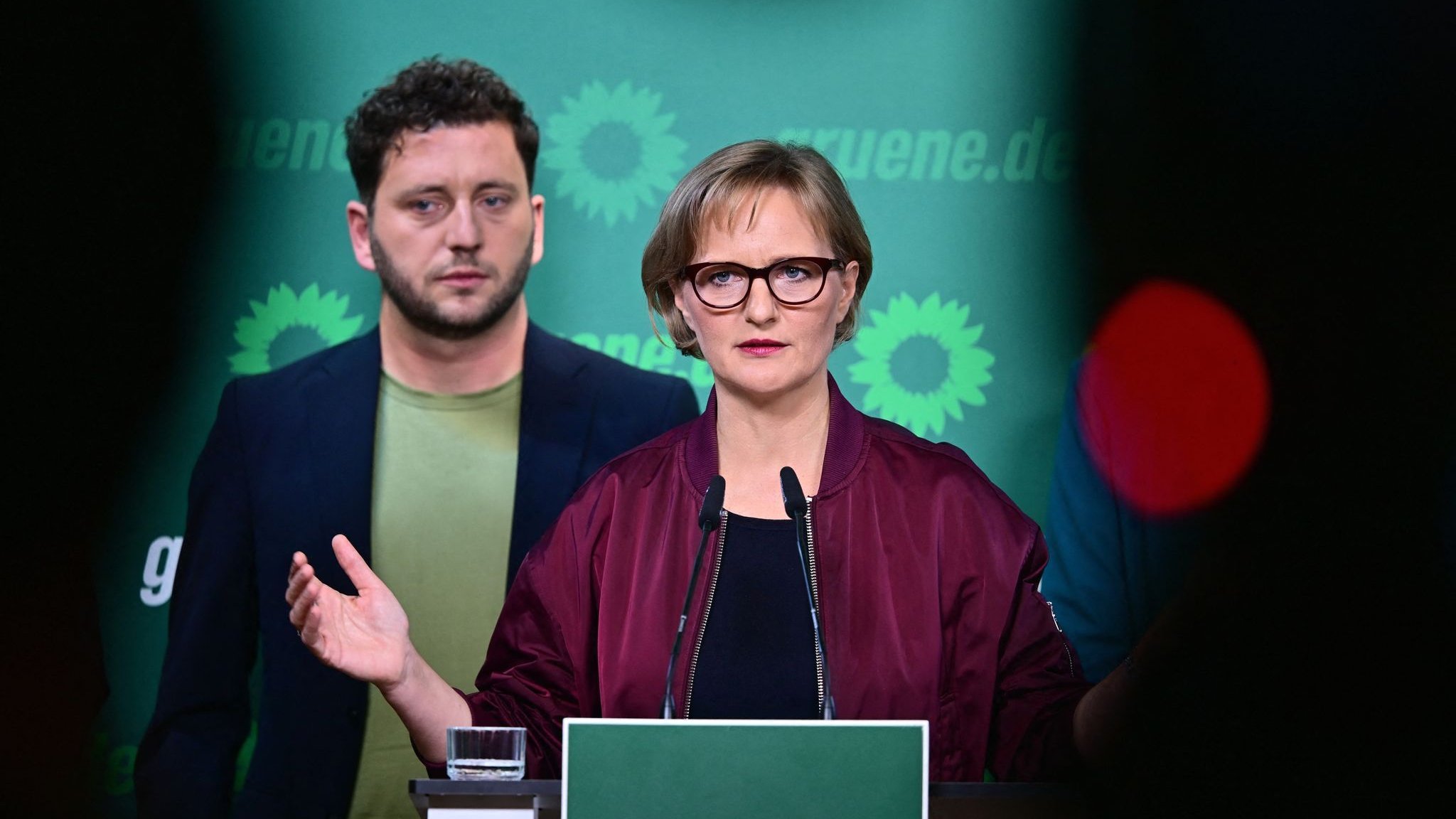
While Giegold’s path to General Secretary appears clear due to the lack of declared opposition, the situation for other board positions is described as still being open to "some discussions." This phrase, often used in German political reporting, hints at potential internal debates, strategic maneuvering, and possibly even contested candidacies for other roles. The current co-chairs, Ricarda Lang and Omid Nouripour, who represent the younger generation of Green leadership, are widely expected to seek re-election. Their leadership has been instrumental in navigating the party’s role in the federal government and articulating its positions on critical issues. The image accompanying the original article, featuring Felix Banaszak and Franziska Brantner, also raises questions about their future roles or the broader composition of the team around the party’s core leadership. Banaszak is another Vice-Chair, and Brantner holds a significant parliamentary state secretary role, indicating their importance within the party’s broader leadership structure. The extent to which the existing leadership team will remain intact or undergo further changes will be a key dynamic to watch at the December conference.
The Context of Change: Germany’s Political Landscape
The Green Party’s internal restructuring takes place against a backdrop of complex and challenging political conditions in Germany, both domestically and internationally. These external factors inevitably influence the party’s strategic choices and the expectations placed upon its leadership.
The Greens in the Ampel Coalition: Navigating Complexities
Since joining the federal government in December 2021 as part of the "Ampel" (traffic light) coalition with the Social Democratic Party (SPD) and the Free Democratic Party (FDP), the Greens have faced a steep learning curve. The coalition, named for the parties’ respective colors (red for SPD, yellow for FDP, green for Greens), was formed with ambitious goals, particularly in climate protection, digitalization, and social modernization. However, its tenure has been dominated by a series of unprecedented crises, including the war in Ukraine, a severe energy crisis, persistent inflation, and a broader economic slowdown.
These challenges have put immense pressure on the coalition, exposing internal fault lines and demanding difficult compromises. The Greens, in particular, have had to balance their ambitious climate agenda with the immediate necessity of ensuring energy security, sometimes leading to decisions that were unpopular with their core constituency (e.g., reactivating coal-fired power plants). Public opinion polls have shown fluctuating support for the Greens, often reflecting the public’s perception of the government’s overall performance. While they have maintained a strong base, the party has not been immune to the general dissatisfaction with the coalition’s handling of various crises. The need for a robust and strategically astute party leadership, therefore, is paramount to navigate these complexities, uphold the party’s core values, and effectively communicate its contributions within a challenging governmental environment.

The Significance of the Party Conference
In Germany’s parliamentary democracy, party conferences are far more than ceremonial gatherings; they are the ultimate decision-making bodies for political parties. For the Green Party, known for its strong emphasis on grassroots democracy and internal debate, the federal party conference (Bundesdelegiertenkonferenz or BDK) is particularly significant. Held usually once every two years, these conferences are where the party sets its overarching political direction, debates and adopts policy positions, and, crucially, elects its federal leadership.
The December conference in Berlin will thus serve as a critical forum for both introspection and forward planning. It is an opportunity for delegates from across Germany to assess the party’s performance, deliberate on its strategic priorities, and democratically choose the individuals who will lead it. The elections for the federal board are often a barometer of the party’s internal health, revealing the balance of power between different factions (traditionally the "Realos" or pragmatists, and the "Fundis" or fundamentalists), and indicating the appetite for continuity versus change. The discussions and decisions made at this conference will shape the Green Party’s public image, its policy agenda, and its operational effectiveness for the next two years, directly impacting its ability to contribute effectively to the federal government and prepare for future electoral contests.
Strategic Ambitions and Internal Dynamics
Sven Giegold’s declared intention to make the Greens "the leading force of the left-centre" is a strategic ambition that carries significant implications for the party’s internal dynamics and its positioning within the broader German political spectrum. This vision goes beyond merely securing electoral success; it aims for a fundamental shift in influence and ideological leadership.
Beyond 2029: Giegold’s Long-Term Vision
Giegold’s long-term vision for the Green Party to become the "leading force of the left-centre" by 2029 requires a multi-faceted approach. To achieve this, the Greens would need to broaden their appeal significantly beyond their traditional environmentalist base, attracting voters who might historically have gravitated towards the SPD or even the more centrist CDU/CSU on social and economic issues. This involves articulating a comprehensive platform that seamlessly integrates climate action with robust social justice policies, a strong economy, and a progressive vision for a modern, inclusive society.
Specific strategies might include:
- Economic Modernization: Presenting the Green transformation as an opportunity for economic innovation, job creation, and sustainable growth, rather than solely as a cost or burden. This would involve advocating for investments in renewable energies, green technologies, and a circular economy.
- Social Equity: Developing concrete proposals for addressing wealth inequality, ensuring affordable housing, strengthening social safety nets, and improving public services. This would position the Greens as champions of social cohesion and fairness.
- Inclusive Narratives: Crafting messages that resonate across diverse demographics, including urban and rural populations, different age groups, and various professional backgrounds. This would involve moving beyond niche appeals to a more universalistic political language.
- Strong Governance: Demonstrating competence and reliability in government, proving that Green policies are not just idealistic but also practical and effective in improving citizens’ lives.
This ambition inherently means a direct competition with the SPD for the mantle of the left-centre. Giegold’s leadership would likely involve emphasizing areas where Green approaches offer distinct advantages or more innovative solutions, while also seeking common ground for future alliances. It also means clearly distinguishing the Greens from the more radical left (e.g., Die Linke) by demonstrating a commitment to democratic institutions, a market economy (albeit socially and ecologically regulated), and pragmatic governance.
Factional Balances and Potential Contests
The Green Party has historically been characterized by an internal tension between its "Realo" (realist/pragmatist) and "Fundi" (fundamentalist) wings. Realos prioritize pragmatic political action, coalition building, and incremental change, often willing to make compromises to achieve concrete results. Fundis, on the other hand, emphasize adherence to core Green principles, radical systemic change, and often view compromise with skepticism. Sven Giegold, given his extensive experience in government and European institutions, and his pragmatic approach to economic policy, clearly aligns with the Realo wing. His anticipated election as General Secretary would therefore solidify the Realo dominance within the party’s executive leadership, especially alongside the current co-chairs who are also largely seen as pragmatists.
The stated absence of counter-candidates for the General Secretary position can be interpreted in several ways. It could signal a strong internal consensus and unity behind Giegold, indicating that the party believes he is the best person to lead its organizational and strategic efforts at this juncture. Alternatively, it could suggest that potential challengers, particularly from the Fundi wing, have strategically decided against a public contest, perhaps to avoid internal strife that could weaken the party’s public image, or because they perceive Giegold’s support base to be too strong to overcome.

However, the original article explicitly mentions that "some discussions are still ongoing" for other positions on the Green board. This suggests that while the General Secretary role may be uncontested, other key posts could see spirited debates or even competitive elections. These might include other Vice-Chair positions, the Treasurer, or ordinary board members. Such contests would likely revolve around:
- Factional Representation: Ensuring that both Realo and Fundi perspectives, as well as various regional and demographic groups, are adequately represented on the board.
- Policy Priorities: Debates over the emphasis on certain policy areas (e.g., the pace of climate action, social welfare reforms, foreign policy stance).
- Party Strategy: Discussions on how the party should position itself within the coalition and for future elections, including the balance between government responsibility and maintaining a distinct Green identity.
These internal dynamics are crucial for the party’s health, ensuring a vibrant democratic process while also presenting the challenge of maintaining unity in the face of diverse viewpoints. The outcome of these "discussions" and subsequent elections will reveal the true balance of power and the party’s collective strategic direction moving forward.
Implications and Future Outlook
The forthcoming leadership changes within the Green Party, particularly the likely appointment of Sven Giegold as General Secretary, carry significant implications for the party’s trajectory, its role within the federal government, and the broader landscape of German politics.
Shaping the Green Party’s Trajectory
Giegold’s leadership is expected to bring a renewed emphasis on strategic coherence and organizational efficiency to the Green Party. As General Secretary, he will be instrumental in professionalizing campaign management, enhancing internal communication, and ensuring that the party’s message is consistently and effectively conveyed to the public. His ambitious goal of making the Greens the "leading force of the left-centre" suggests a more assertive and expansive political strategy. This could lead to a deeper engagement with socio-economic policy areas, moving beyond the party’s traditional environmental focus to address issues like industrial transformation, labor market policies, and social welfare with a distinct Green perspective.

The shift could also impact the party’s internal cohesion. A clear, pragmatic leadership under Giegold, aligned with the Realo wing, might streamline decision-making and present a more unified front. However, it will also be crucial for him to manage potential dissent from the Fundi wing or from members who feel their core principles are being diluted in pursuit of broader electoral appeal. Effective internal dialogue and inclusive processes will be vital to maintain party unity while pursuing an ambitious new direction.
Challenges on the Horizon
The path ahead for the Green Party, even with a reinvigorated leadership, is fraught with challenges:
- Upcoming Elections: The immediate future holds several critical electoral tests. State elections in various Länder (federal states) will provide important barometers of public sentiment and the effectiveness of the Green Party’s current strategies. Crucially, the 2024 European Parliament elections will be a significant test of the party’s ability to mobilize its base and articulate its vision for Europe, particularly given Giegold’s own European background. These elections will not only impact the party’s representation but also influence its momentum leading up to the 2025 federal election.
- Rising Populism (AfD): The surging popularity of the far-right Alternative for Germany (AfD) poses a significant threat to all established parties, including the Greens. The AfD often capitalizes on public anxieties, economic discontent, and anti-establishment sentiment. The Greens, with their progressive and often demanding climate policies, are frequently a target of populist rhetoric. Giegold’s leadership will need to devise robust strategies to counter the AfD’s narrative, defend Green policies, and offer compelling alternatives that address the root causes of voter frustration.
- Coalition Stability and Policy Implementation: The "traffic light" coalition continues to face internal disagreements and external pressures, particularly on economic and climate policy. As a key government player, the Greens must continue to navigate these tensions, seeking compromises while upholding their core objectives. The effective implementation of agreed-upon policies, especially those related to climate protection and industrial transformation, will be critical for demonstrating the party’s competence and delivering tangible results to the electorate.
- Economic Headwinds and Public Acceptance: Germany’s economy is grappling with inflation, high energy costs, and global uncertainties. Implementing ambitious climate policies, such as the transition away from fossil fuels, requires significant investment and can entail short-term costs for businesses and households. Giegold’s team will need to adeptly manage public expectations, ensure fair distribution of burdens, and clearly communicate the long-term benefits of these policies to maintain public acceptance and support.
A Test of Strength for German Left-Centre Politics
Sven Giegold’s ambition is not just about the Green Party; it’s about reshaping the left-centre of German politics. Historically, the SPD has been the dominant force, but its declining fortunes in recent years have opened a vacuum. The Greens have steadily grown, attracting younger, urban, and educated voters, and expanding their policy portfolio. If Giegold succeeds in positioning the Greens as the primary intellectual and electoral engine of the left-centre, it could fundamentally alter future coalition possibilities and the ideological landscape of Germany.
This could mean:

- New Coalition Architectures: A stronger Green Party might demand a more dominant role in future coalition governments, potentially leading to Green Chancellorships in the long term, or at least a greater say in policy formation.
- Ideological Convergence/Divergence: While aiming to lead the left-centre, the Greens might also push their coalition partners (like the SPD) further on climate and social justice issues, or conversely, be forced to moderate some of their more radical stances to appeal to a broader centrist electorate.
- Redefining "Progressive": The Greens could solidify their definition of what constitutes "progressive" politics in the 21st century, integrating ecological imperatives with social and economic progress in a way that resonates with a post-industrial society.
Ultimately, the December party conference and Sven Giegold’s tenure as General Secretary will be a crucial test of the Green Party’s capacity for strategic leadership, organizational effectiveness, and its ability to adapt and grow in a rapidly changing political environment. His success or failure will not only determine the future course of the Greens but could also significantly influence the direction of German politics as a whole in the years leading up to 2029 and beyond.




















