


By Sports Correspondent
October 5, 2026
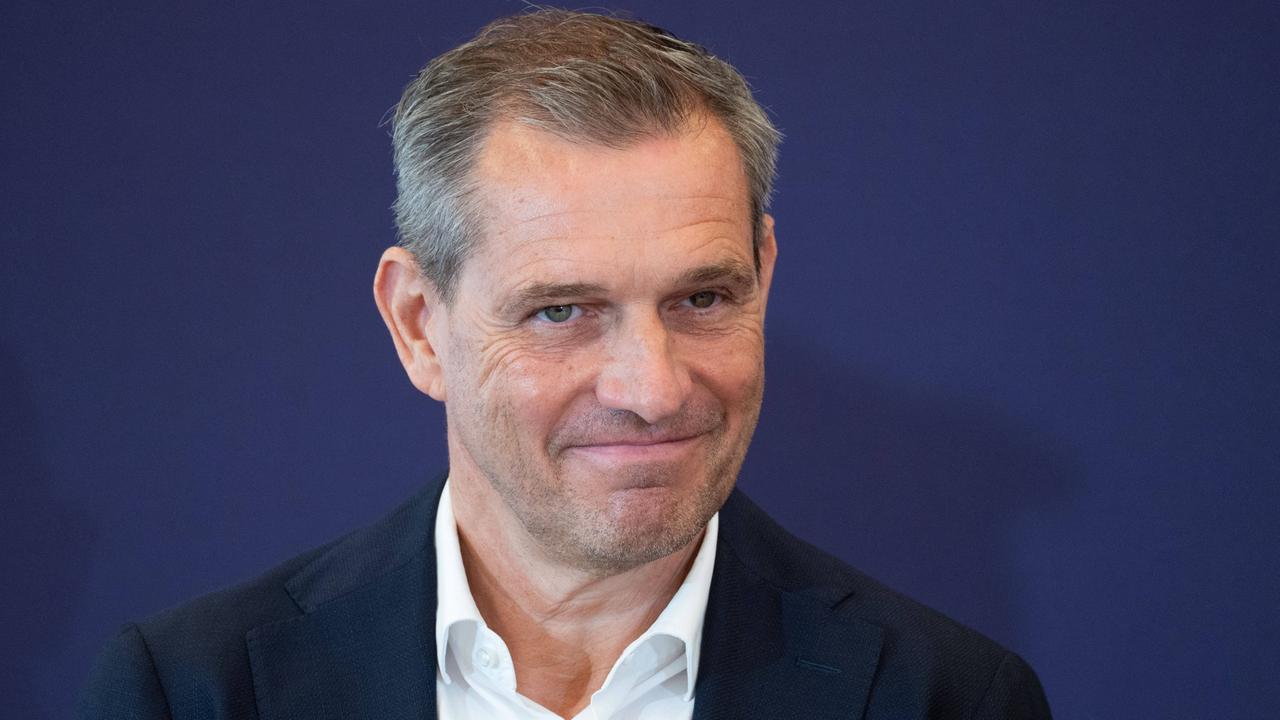
The landscape of German sports leadership is poised for a significant transformation. Following the shock announcement of incumbent President Thomas Weikert’s decision to step down, a specialized search committee has identified Michael Mronz, a seasoned sports manager and international operator, as its recommended candidate for the presidency of the German Olympic Sports Confederation (DOSB). As the organization prepares for a pivotal elective general assembly on December 5, 2026, the potential ascendancy of Mronz signals a strategic pivot toward international influence, Olympic bidding ambitions, and a modernization of the federation’s governance.
The Core Development: A Search for Stability
The announcement, made public on October 5, confirms that a "Finding Committee"—composed of representatives from various state sports federations and top-tier national governing bodies—has officially recommended Michael Mronz to succeed Thomas Weikert.
However, the path to the presidency remains far from clear. Jürgen Scholz, president of the Baden-Württemberg State Sports Association and the coordinator of the search committee, emphasized that this recommendation does not equate to a finalized consensus. "The representatives of the state sports associations and the top associations have agreed to include further perspectives until the application deadline on October 30, 2026," Scholz stated. "Until then, the association pillars will not issue a formal recommendation for the office of president."
This cautious approach highlights the underlying friction within the DOSB. While Mronz is a high-profile candidate with significant credentials, his potential candidacy has already spurred talk of a contested election. Reports suggest that Martin Engelhardt, the president of the German Triathlon Union, is being positioned as a potential rival, setting the stage for a high-stakes campaign over the coming weeks.
Chronology of a Leadership Crisis
The vacancy at the top of the DOSB is the result of a rapid decline in support for the current administration.
- September 2026: Internal rumblings within the DOSB become increasingly public. Several key national associations signal their lack of confidence in Thomas Weikert, making it clear that a bid for re-election would likely face a crushing defeat.
- October 1, 2026: Thomas Weikert officially announces his withdrawal from the presidential race. The 64-year-old cites a lack of personal energy to lead the organization for another term, though political analysts point to the clear loss of mandate from the member federations as the primary driver.
- October 5, 2026: The independent search committee, formed at the initiative of the sports associations, puts forth the name of Michael Mronz.
- October 30, 2026: Official deadline for all presidential candidates to declare their intent.
- Mid-November 2026: The DOSB is scheduled to publish the official list of candidates for all executive positions.
- December 5, 2026: The elective General Assembly of the DOSB, where the next president will be determined.
Michael Mronz: A Profile of International Ambition
At 59, Michael Mronz is a titan in the world of sports management. Best known for his leadership as the Managing Director of the Aachener Reitturnier GmbH, he has long been a fixture in the equestrian world. However, his influence extends far beyond the arena.
As a member of the International Olympic Committee (IOC), Mronz brings an invaluable level of international networking to the table. In an era where the DOSB is desperate to restore Germany’s status as a viable host for the Olympic Games—specifically for the 2036, 2040, or 2044 summer cycles—Mronz is viewed as the "diplomatic bridge" required to navigate the complexities of the IOC.
His career has been defined by his ability to marry private-sector efficiency with the bureaucratic demands of international sport. He was a driving force behind the "Rhein-Ruhr" initiative, which aimed to secure the 2032 Games. Although the IOC’s decision to fast-track Brisbane for 2032 ended those hopes, Mronz’s work during that period cemented his reputation as a visionary who understands how to package German sports for a global audience.
The Implications of the "Munich vs. Rhein-Ruhr" Debate
The candidacy of Mronz is not without controversy. Recent weeks have seen a fierce internal debate within the German sports community regarding which region should host a future Olympic bid.
Last weekend, a significant blow was dealt to the "Rhein-Ruhr" project when it lost the internal national competition to the Munich bid. Because Mronz was a prominent advocate for the Rhein-Ruhr region, his sudden emergence as the leading candidate for the DOSB presidency has sparked concerns among supporters of the Munich bid. Critics argue that his past allegiances might compromise his neutrality in steering a future, unified national bid.
For the DOSB, this presents a delicate balancing act. The organization needs a leader who can unify these regional interests. If Mronz is to be successful, he must prove that he can set aside the regional rivalries that have historically hampered German Olympic ambitions and serve as a president for the entirety of the German sports movement, from the grassroots clubs to the professional federations.
Official Responses and the Road Ahead
The search committee’s decision to invite further applicants is a strategic move to ensure democratic legitimacy. By keeping the window open until October 30, they are attempting to avoid the perception of an "anointed" successor, which could alienate smaller associations.
Jürgen Scholz’s statement serves as a reminder that the DOSB is a collection of diverse interests. The "pillars" of the organization—the state associations and the individual sports federations—must align if the next president is to have the political capital necessary to enact reforms.
The resignation of Thomas Weikert has left a power vacuum that many are eager to fill. Weikert, who took office with hopes of modernizing the DOSB, ultimately struggled to gain the traction needed to resolve the structural tensions between the DOSB executive board and the member associations. His successor will face the same challenge: balancing the needs of the individual sports while maintaining a cohesive national strategy for German athletics.
Supporting Data: The State of the DOSB
The DOSB oversees approximately 87,000 sports clubs in Germany, representing over 27 million memberships. This massive organizational footprint makes the election of its president one of the most important administrative events in German society.
Key Challenges for the Incoming President:
- Olympic Bidding: Developing a credible, sustainable bid for the Summer Games that can pass a public referendum and satisfy the IOC’s modern requirements.
- Digitalization: Improving the digital infrastructure of member clubs and national associations to attract younger demographics.
- Financial Sustainability: Navigating the economic pressures of post-pandemic sport and ensuring adequate government funding in a tightening fiscal climate.
- Governance Reform: Addressing the structural inefficiencies that led to the recent leadership friction.
Mronz’s supporters argue that his corporate background makes him uniquely qualified to handle these pressures. His ability to secure sponsorship and manage high-profile events in Aachen is seen as a blueprint for how a leaner, more commercially minded DOSB could operate.
Conclusion: A Turning Point
As the dust settles on the Weikert era, the German sports world is holding its breath. The potential transition to a Mronz presidency represents a gamble on international prestige. While his experience and network are undeniable assets, his ability to bridge the divide between regional camps and unify the disparate interests of the German sporting landscape will be the ultimate test.
Between now and the October 30 deadline, the political maneuvering will intensify. Whether Mronz faces a serious challenger like Martin Engelhardt or emerges as the undisputed choice, the election on December 5 will be a definitive moment for the future of German sport. The question remains: can the DOSB finally align its internal politics with its external ambitions? The answer will likely define the next decade of German athletics on the global stage.












