Market Report: October 2, 2026
The global athletic footwear and apparel industry, once a sector defined by unbridled growth and brand hegemony, is undergoing a profound structural realignment. At the center of this turbulence is Nike, the world’s undisputed leader in sports apparel, which recently shocked investors with a dismal set of quarterly earnings. As Nike’s stock price plummeted, the ripple effects have been felt across international exchanges, providing a rare and potent opening for European giants Adidas and Puma to reclaim lost ground.
While the industry at large faces headwinds ranging from inflationary pressures to shifting consumer behavior, the current narrative is one of a strategic divergence: Nike’s internal missteps, characterized by a pivot toward direct-to-consumer sales at the expense of retail partnerships, are clashing with the localized, adaptive strategies being deployed by its European rivals.
The Core Facts: A Financial Reversal
The financial results posted by Nike following the close of U.S. markets yesterday were stark. Revenue for the most recent quarter fell by four percent year-over-year, landing at $11.2 billion. Even more concerning for Wall Street was the contraction in net income, which dipped two percent to $712 million.
Perhaps most alarming to shareholders was the company’s forward guidance. Nike management has signaled a projected revenue decline in the high single digits for the coming fiscal year. Despite the announcement of a sweeping, $2.5 billion cost-cutting and restructuring program, the market response was swift and unforgiving: shares of the Beaverton-based titan plunged more than ten percent in pre-market trading at the Wall Street exchange.
A Chronology of the Decline
The seeds of the current crisis were sown in the post-pandemic era. During the COVID-19 lockdowns, the sportswear industry experienced an unprecedented boom. With home-fitness equipment and comfortable "athleisure" wear becoming the default wardrobe, giants like Nike saw revenues swell. However, the subsequent years proved far more challenging.
- The Direct-to-Consumer (DTC) Pivot: In a bid to maximize margins, Nike leaned heavily into its own digital platforms and flagship stores, effectively cutting out many long-standing wholesale retail partners.
- The Retail Vacuum: As Nike reduced its footprint in traditional multi-brand sports retailers, it created a void on the shelves. Competitors, sensing the opportunity, aggressively moved to occupy those prime retail positions.
- The China Contraction: Nike’s performance in the Chinese market, once its engine of growth, has faltered significantly, with revenues plummeting by nearly 25 percent due to a perceived lack of innovation tailored to local tastes.
- The Q3 2026 Earnings Shock: Yesterday’s release confirmed the stagnation, proving that the company’s internal restructuring efforts are yet to yield the desired competitive edge.
Supporting Data and Regional Dynamics
The disparity between the fortunes of Nike and its European competitors is best highlighted by their respective performances in the Chinese market. While Nike has struggled to maintain its relevance among Chinese consumers, Adidas has successfully pivoted toward a "local for local" strategy.
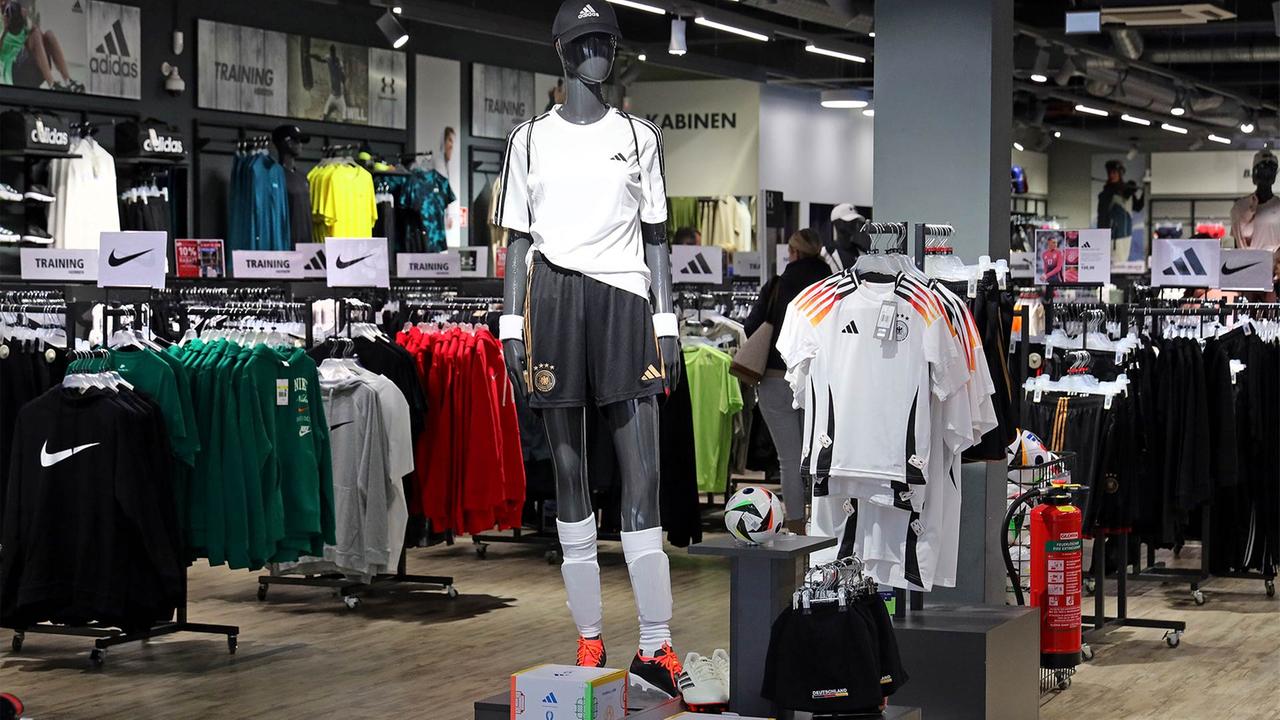
By eschewing the practice of simply importing global designs into the Chinese market, Adidas has begun developing products specifically for the Chinese demographic. This strategy aligns with the "Guochao" movement—a cultural trend emphasizing national pride and a preference for products that reflect local aesthetic sensibilities. Last year, at the Shanghai Fashion Week, Adidas showcased over 100 designs developed in collaboration with young, local Chinese talent. This localized approach has paid dividends, with Adidas reporting a record net revenue of 6.7 billion euros in the second quarter of 2026, alongside a five-percent increase in operating profit.
Puma, while still in the midst of a complex corporate restructuring, is also finding its footing. CEO Arthur Höld has maintained a cautiously optimistic outlook, noting that despite a softer second quarter, the company anticipates a "gradual improvement in revenue" throughout the second half of the year.
Official Responses and Market Sentiment
The reaction from market analysts has been one of cautious optimism for European manufacturers. While the broader market sentiment remains jittery due to inflation and rising interest rates, the "Nike problem" is widely viewed by experts as self-inflicted rather than systemic to the industry.
"The weakness at Nike is largely home-grown," says a market analyst familiar with the retail sector. "They alienated their retail partners, and the consumer responded by choosing brands that were more accessible and, in some cases, more culturally aligned with their needs."
In the DAX index, Adidas shares saw a notable recovery, gaining nearly two percent on the day following the initial market shock. Similarly, Puma, listed on the MDAX, saw its stock price climb as investors began pricing in the potential for increased market share gains at the expense of the struggling U.S. giant.
Broader Economic Implications
The sports apparel industry is currently navigating a "perfect storm" of macro-economic pressures. Rising inflation has tightened the wallets of middle-class consumers, forcing them to be more selective in their discretionary spending. Additionally, the proliferation of smaller, niche brands—often referred to as the "democratization of sportswear"—has further fragmented the market, eroding the dominance of legacy brands.
Trade barriers and fluctuating energy prices have added layers of complexity to global supply chains, further squeezing margins. As the industry faces these challenges, the winners will likely be those who can balance global brand recognition with hyper-local operational agility.
Macro Context: The DAX and the Broader Market
The broader German stock market (DAX) has shown resilience, overcoming yesterday’s losses to climb back above the psychological threshold of 25,000 points. This stabilization is largely attributed to a slight cooling in energy prices and a leveling out of bond yields, which has provided investors with a sense of temporary relief.
However, the market remains on high alert for U.S. labor market data. Investors are looking to these figures for clues regarding the Federal Reserve’s next move on interest rates. Analyst Frank Sohlleder of ActivTrades notes the precarious nature of the current climate: "A weak job report could actually act as a tailwind for the DAX, as it would dampen fears of aggressive interest rate hikes. Conversely, a robust report threatens to accelerate the current market volatility."
Future Outlook: A New Era for Sportswear
As the industry moves toward the end of 2026, the competitive landscape has fundamentally shifted. Nike’s attempt to consolidate its market share through DTC channels has created a strategic vulnerability that its rivals are now exploiting with precision.
For Adidas and Puma, the path forward is clear: double down on regional relevance, repair and strengthen retail partnerships, and continue to innovate at a local level. For Nike, the task is much harder—they must convince both the consumer and the investor that they can regain their innovative edge while simultaneously repairing the damaged relationships with the global retail network that once built their empire.
Whether this represents a permanent shift in power or merely a temporary correction remains to be seen. What is certain, however, is that the sportswear "wars" have entered a new, more nuanced phase—one where cultural relevance and operational flexibility are proving more valuable than sheer brand size alone. As global economies continue to grapple with inflationary pressures, the brands that can offer both value and identity will be the ones to define the next decade of the sports apparel industry.