Market Report: September 25, 2026
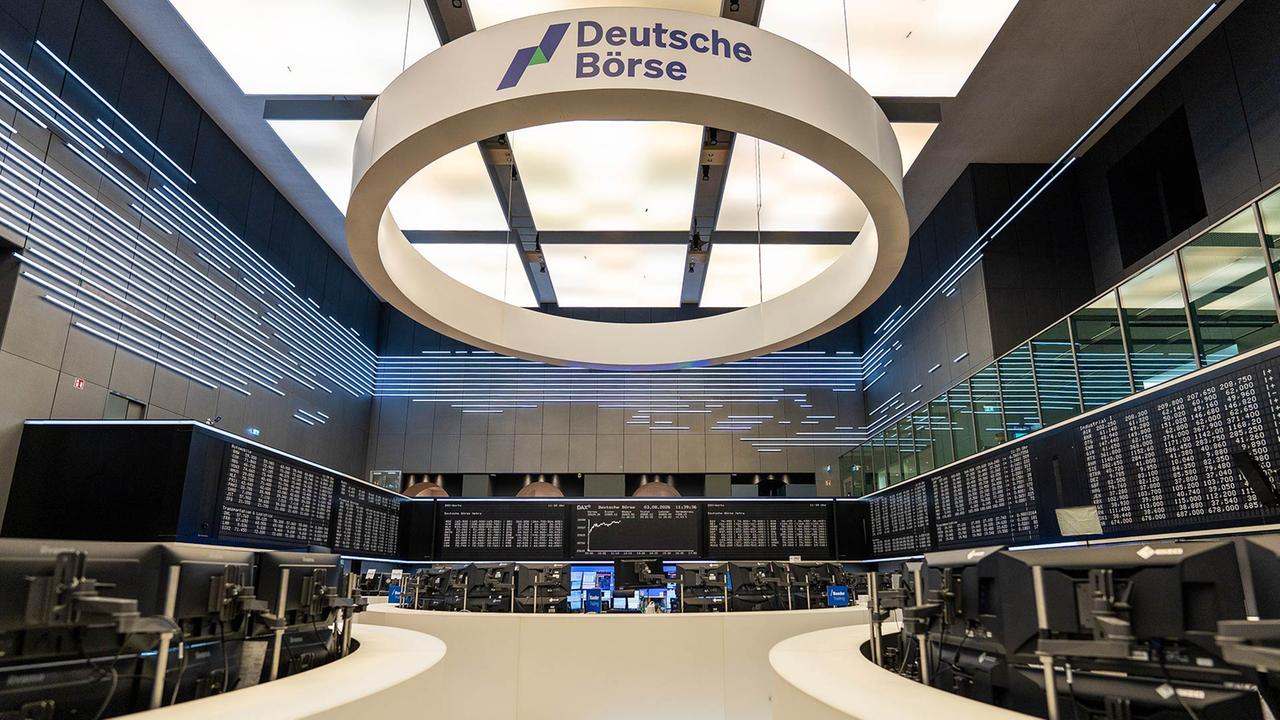
The financial markets concluded the week on a note of cautious optimism, as investors sought refuge from a prolonged period of volatility. The German DAX, having grappled with a three-week losing streak, managed to secure a 0.6% gain, closing the session at 25,409 points. While the weekly net gain of 0.4% remains modest, the sentiment on the trading floor shifted as geopolitical tensions in the Middle East showed initial signs of potential de-escalation, leading to a much-needed cooling in global oil prices.
Main Facts: A Week of High Stakes
The overarching narrative of this week has been dominated by the intersection of energy markets and geopolitical instability. As oil prices retreated from their recent peaks, the global equity landscape found a momentary reprieve.
In Germany, the DAX’s performance was bolstered by a cooling of inflationary fears directly tied to energy costs. However, the macro-environment remains strained. The yield on ten-year U.S. Treasury bonds recently breached the 5% threshold—a level not seen since July 2007—sparking a fierce debate among economists about whether this represents a healthy "normalization" of interest rates or the precursor to a "perfect storm" of sustained high-cost capital.
Corporate activity provided the second major catalyst for movement. A potential consolidation in the chemical sector and significant downward revisions in the e-commerce space kept analysts busy throughout the final trading day of the week.
Chronology of Market Events
Monday – Tuesday: The Bond Market Pressure
The week began under the shadow of rising bond yields. As institutional investors reassessed the "higher-for-longer" interest rate environment, the DAX faced significant downward pressure. The surge in U.S. Treasury yields forced a repricing of risk across European equities, with growth-oriented stocks bearing the brunt of the sell-off.
Wednesday: The Oil-Driven Volatility
Mid-week trading was dominated by fluctuations in the price of Brent crude. With tensions in the Middle East reaching a boiling point, oil prices consistently stayed above the $100-per-barrel mark, fueling fears of a supply-side shock that would reignite global inflation.
Friday: M&A Buzz and Relief
The week’s conclusion brought a pivot in sentiment. Reports that the German chemical giant BASF had approached competitor Evonik with a non-binding takeover proposal sent shockwaves through the industrial sector. Simultaneously, rumors of a potential resolution regarding the Strait of Hormus led to a 1.5% drop in oil prices, providing the "atempause" (breathing space) that equity traders had been desperately seeking.
Corporate Focus: The BASF-Evonik Potential and the HelloFresh Slump
BASF’s Ambitions
The industrial landscape shifted significantly following reports from The Financial Times and Bloomberg regarding BASF’s interest in Evonik. The Evonik board confirmed receipt of an "unverbindliche Ansprache" (non-binding approach) concerning a voluntary public takeover offer.
While no formal negotiations are currently underway, the strategic logic is clear: BASF is looking to strengthen its regional footprint and expand its product portfolio to remain competitive against aggressive Chinese manufacturing expansion. Market reaction was binary: BASF shares dipped by roughly 2% on concerns over integration costs and potential debt loads, while Evonik shares surged by 10% as shareholders priced in a potential acquisition premium.
The HelloFresh Warning
In stark contrast to the M&A excitement, the meal-kit provider HelloFresh faced a brutal sell-off. The company revised its annual guidance downward, citing a steeper-than-expected decline in consumer demand. HelloFresh now expects its revenue to shrink by 9% to 11%, a significant downgrade from its previous forecast of a 3% to 6% contraction. The operating profit forecast was similarly slashed to a range of 350 to 370 million euros, down from the earlier projection of 375 to 425 million euros. The market reacted swiftly, sending the stock down by more than 10%.
Global Context: AI Boom and the Wall Street Perspective
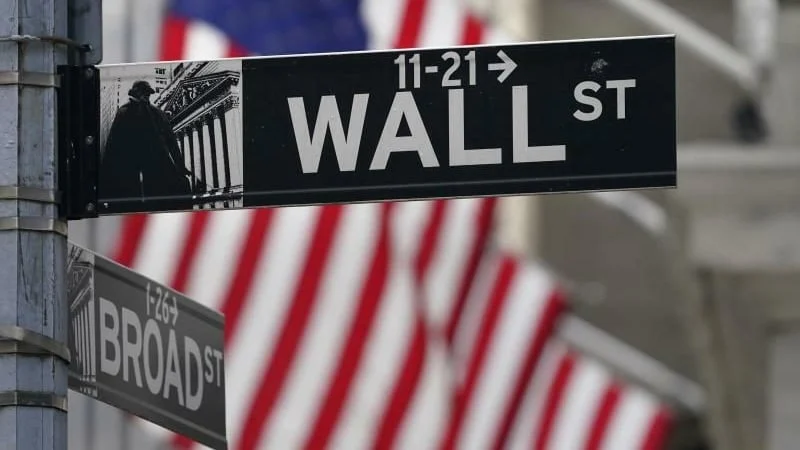
Across the Atlantic, the Wall Street narrative was dominated by the intersection of artificial intelligence and geopolitical hope. The Dow Jones rebounded to 51,552 points, while the Nasdaq 100 signaled a robust weekly gain of 3.2%.
The driving force behind the technology rally was a massive $11.6 billion, seven-year partnership between the AI developer Anthropic and the IT service provider Akamai. This deal highlights the insatiable demand for computing infrastructure as Anthropic prepares for a potential IPO and continues to train increasingly sophisticated models.
Jamie Harris, managing partner at the Harris Financial Group, noted that the sheer scale of capital flowing into AI-related infrastructure acts as a floor for the market. "The amounts of money flowing into the economy via AI investments are simply enormous," Harris explained. "We haven’t even begun to see the full productivity effects yet. The market is pricing this in, which is why we are seeing such resilience despite broader macroeconomic headwinds."
Supporting Data: Economic Indicators and Construction Struggles
While the tech and industrial sectors provided drama, the broader German economy received a sobering update from the Federal Statistical Office. The construction sector, a key pillar of the domestic economy, reported a 9.2% month-over-month decline in new orders for July.
This drop represents the sharpest contraction since October 2025 and effectively erased the progress made in the two previous months. This cooling in the construction sector is viewed by many analysts as a direct consequence of the higher interest rate environment, which has hampered both residential and commercial development projects.
Official Responses and Expert Analysis
The market’s current state is best summarized by the sentiment of Carsten Klude, Chief Economist at M.M. Warburg. "Even experienced market participants are rubbing their eyes in disbelief," Klude stated, referencing the historic rise in bond yields.
The core question facing the financial community is whether the current environment is a "healthy normalization" after years of zero-interest-rate policy, or if we have entered a "perfect storm." This debate will likely dictate market behavior for the remainder of the year.
Regarding the geopolitical situation, experts at the Helaba banking group suggested that the potential reopening of the Strait of Hormus—a critical artery for global oil transport—was the primary catalyst for Friday’s recovery. "This gives investors a breathing space," the analysts noted, though they warned that the price of oil remains structurally elevated above $100, leaving little room for error in global energy policy.
Implications: Looking Ahead
The events of the week provide a clear roadmap for the challenges ahead:
- Energy Vulnerability: The global economy remains highly sensitive to Middle Eastern stability. As long as oil prices hover above $100, central banks will remain constrained in their ability to pivot toward more accommodative monetary policies.
- The Interest Rate Paradigm: If the 10-year Treasury yield sustains its position above 5%, the cost of capital for European industrial firms—like BASF—will continue to influence their M&A strategies. Consolidation is likely to be the primary method for these firms to achieve "synergies" and scale in a high-cost environment.
- The AI Shield: The technology sector, particularly firms involved in AI infrastructure like Akamai, remains the primary "safe harbor" for investors. The massive capital inflows into AI are essentially decoupling these stocks from broader cyclical downturns in the construction and consumer retail sectors.
- Domestic Weakness: The decline in German construction orders serves as a warning sign. While the DAX is buoyed by international players and tech-heavy sentiment, the domestic backbone of the German economy is signaling that high interest rates are starting to bite into the real economy.
As we move toward the final quarter of 2026, the markets will remain in a state of hyper-vigilance, caught between the excitement of the AI revolution and the sobering realities of high interest rates and geopolitical instability. Investors should expect continued volatility as the market tests whether this week’s "breathing space" is the beginning of a sustained rally or merely a temporary pause in a larger structural shift.