By Editorial Staff
Updated: September 26, 2026
On September 26, 1946, a landmark moment in European cultural history occurred: the publication of the first standalone Tintin magazine. While the young, intrepid reporter and his loyal fox terrier, Snowy, had been fixtures of the printed page since the late 1920s, it was this specific post-war moment that catalyzed their transformation into a global phenomenon. Eighty years later, the adventures of Tintin remain a bedrock of the comic medium, transcending language, borders, and generations.
Yet, the legacy of Georges Remi—known to the world as Hergé—is as complex as it is celebrated. From the shadows of wartime collaboration to the stringent intellectual property protections that guard his creations today, the story of The Adventures of Tintin is a fascinating study of art, identity, and the weight of history.
The Genesis of an Icon: Chronology of a Legend
The evolution of Tintin was not an overnight success; it was a decades-long refinement of artistic technique and narrative structure.
- 1929: Tintin first appears in Le Petit Vingtième, a supplement to the Belgian newspaper Le Vingtième Siècle. Initially, the art style was rudimentary, reflecting the constraints of early newspaper printing.
- 1946: The pivotal shift. Following the liberation of Belgium, the Tintin magazine (Journal de Tintin) was launched. It provided a structured, professional platform that elevated the medium. It was here that the “clear line” (ligne claire) style became the gold standard for European comics.
- 1950: Hergé founds Studios Hergé. As the complexity of his stories grew, he began to employ assistants to handle backgrounds, coloring, and mechanical details, allowing him to focus on the essential character dynamics and plot pacing.
- 1983: The death of Hergé marks the end of the original creation cycle. Per his final wishes, the Tintin series was officially brought to a close, preventing any unauthorized sequels or “ghostwritten” continuations.
Supporting Data: The Reach of a Cultural Titan
The numbers behind the Tintin franchise are staggering, illustrating the enduring power of the character. With an estimated global circulation nearing 300 million copies, the books are a staple in libraries and private collections across the globe.
- Language Diversity: The adventures have been translated into over 80 languages and more than 30 regional dialects, ranging from Icelandic to Bengali.
- The Haddock Effect: The character of Captain Haddock, introduced to provide a foil to Tintin’s unwavering goodness, remains one of the most beloved figures in literature. His creative, multilingual insults—"10,000 thundering typhoons!"—were derived from Hergé’s keen observations of Brussels’ marketplace merchants, grounding the fantastical adventures in the raw, authentic rhythm of street-level humanity.
- The "Clear Line" Legacy: Hergé’s artistic contribution cannot be overstated. By stripping away extraneous hatching and shadow in favor of bold, clean outlines and vibrant colors, he created a visual language that defined the Franco-Belgian school of comics (bande dessinée) for nearly a century.
The Shadow of History: From Controversy to Redemption
To understand the success of Tintin, one must confront the difficult reality of Hergé’s life during the Second World War. During the Nazi occupation of Belgium, Hergé continued to work for Le Soir, a newspaper that had been seized and repurposed as a propaganda outlet. For many, he was viewed as a collaborator who maintained a "business as usual" approach while his countrymen suffered under oppression and deportation.
However, the post-1946 era marked a profound shift. As Europe rebuilt, the Tintin magazine became a symbol of a new, optimistic, and "untainted" youth culture. Hergé himself underwent a transformation in the public eye. By providing a moral center—a hero who stood against evil, defended the weak, and sought justice in exotic locales—Hergé rehabilitated his public image. He became a figurehead for an emerging generation that sought to move past the trauma of the war.
When asked about the secret of his success in later interviews, Hergé was remarkably humble. He argued that Tintin’s success was rooted in universal relatability: "There are the bad, there are the good, there are those in between. There are all possible characters one can imagine. Every child wants to be like Tintin. Children can identify with him totally. That is, I believe, one of the most important reasons for his success."
The Official Decree: Why the Adventures Ended
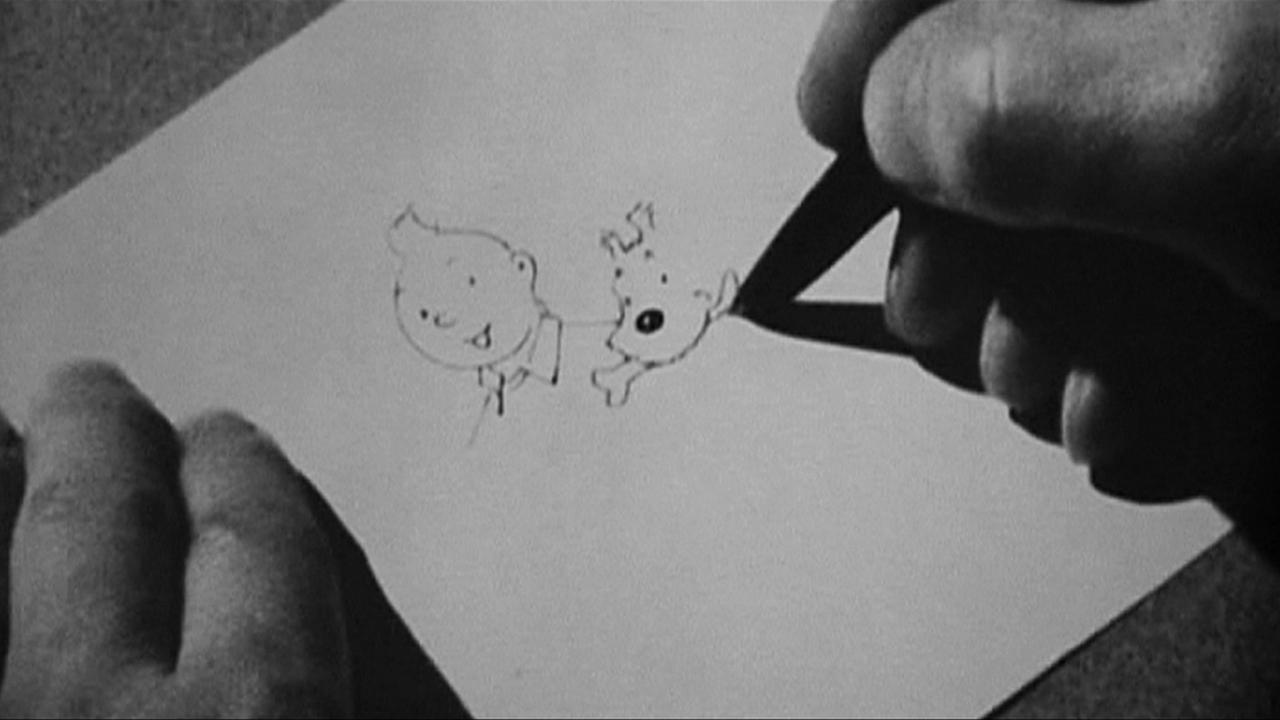
One of the most unique aspects of the Tintin legacy is the strict prohibition against continuing the series. Hergé’s decision to prevent others from drawing new adventures after his death in 1983 was not merely a matter of legal control; it was a deeply personal conviction.
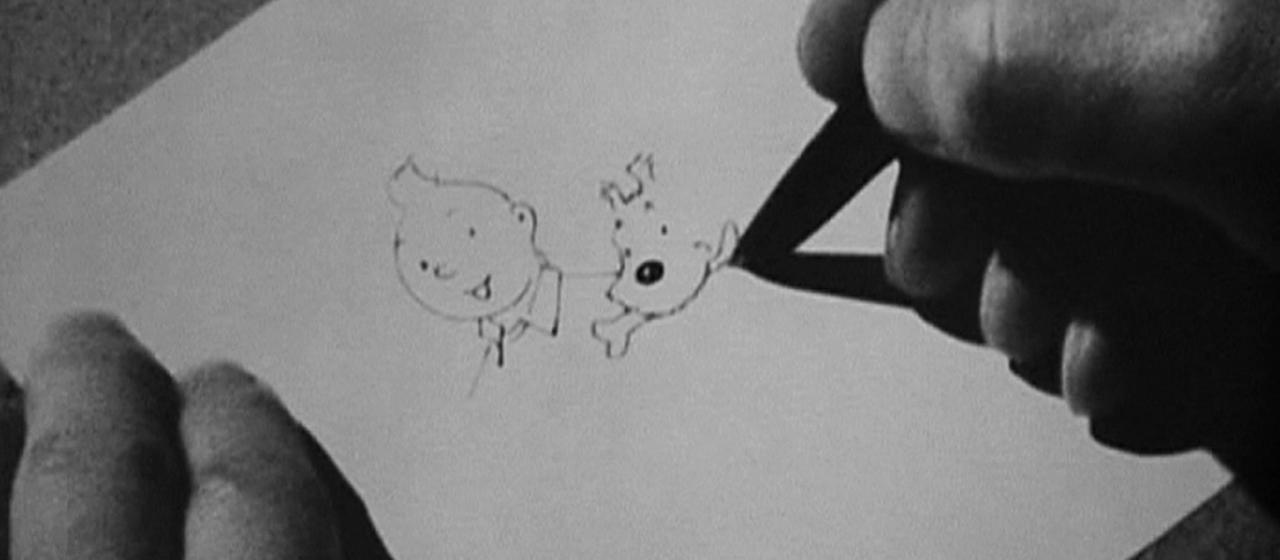
In a rare television interview shortly before his passing, Hergé addressed the prospect of his assistants carrying the torch. While he acknowledged that they were technically superior draftsmen who could replicate his style with ease, he insisted that the work was an extension of his own psyche.
"Tintin is me, essentially," Hergé explained. "Captain Haddock, that is me. And therefore, I think it is better this way."
This decision has arguably preserved the integrity of the work. By refusing to allow a "corporate" version of Tintin to emerge, the estate has ensured that the 24 canonical books remain a distinct, finite, and complete artistic statement.
Implications for the Future: A Living Legacy
As we mark 80 years since the inception of the standalone magazine, the implications for the future of the medium are clear. Tintin has transitioned from a contemporary comic to a piece of world heritage.
The estate continues to manage the brand with rigorous standards, focusing on high-quality reprints and exhibitions rather than dilution. The recent success of digital archives and the ongoing fascination with Hergé’s artistic process suggest that interest will not wane in the coming decades.
The, perhaps, surprising takeaway from 80 years of history is that Tintin has become bigger than his creator. While Hergé identified himself with the characters, the world has identified with the values: curiosity, courage, and a relentless pursuit of the truth. Whether through the lens of history, art theory, or simple childhood nostalgia, Tintin remains a permanent fixture of our collective imagination—a reporter who, despite never aging, continues to uncover the secrets of the world for every new generation of readers.
As the total circulation edges closer to that 300-million mark, the "10,000 thundering typhoons" of the Captain’s rage continue to echo in homes worldwide—not as a sign of anger, but as a reminder of the enduring, colorful, and human spirit of one of the greatest stories ever told.