

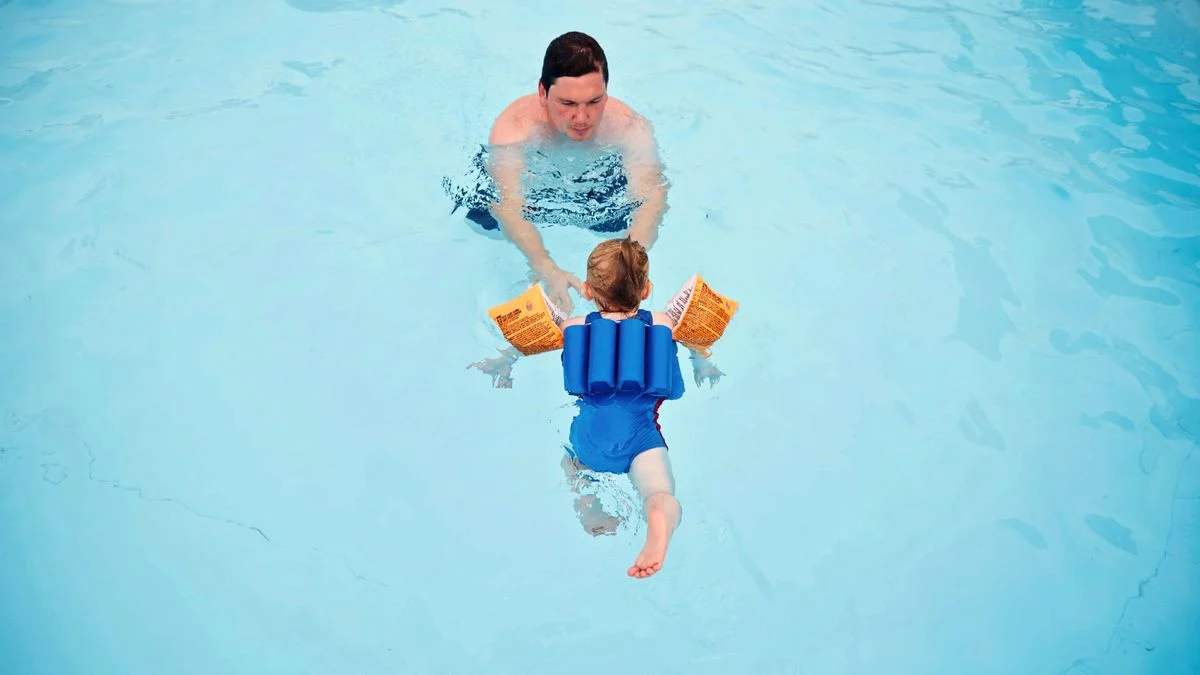
The summer months, while synonymous with leisure and family fun, harbor a silent, often overlooked danger: childhood drowning. Unlike the dramatic, splashing scenes often depicted in cinema, drowning is frequently a quiet, rapid event that can occur in seconds, even in shallow water. As pediatric health experts and safety organizations continue to sound the alarm, parents and guardians must equip themselves with the knowledge to identify risks, prevent accidents, and act decisively should the unthinkable occur.
The Reality of Water Safety: Main Facts and Risks
Drowning remains one of the leading causes of accidental death among children worldwide. According to global health data, the physiological mechanics of drowning are swift. When a child’s airway is submerged, the body’s instinctive reaction is to hold its breath. However, as oxygen levels drop, involuntary gasping occurs, leading to the aspiration of water into the lungs. This triggers laryngospasm—a tightening of the vocal cords—which prevents air from reaching the lungs.
The core of the issue is that drowning is not always a violent struggle. It is often a process of "submersion injury" that can lead to cerebral hypoxia—a lack of oxygen to the brain—within minutes. The threshold for permanent neurological damage is remarkably low, often occurring in as little as four to six minutes of oxygen deprivation.
Understanding the "Quiet" Nature of Drowning
Unlike adult drowning, which may involve alcohol or fatigue, pediatric drowning is frequently a failure of supervision. Experts emphasize that children do not always splash or scream. They may simply appear to be "bobbing" in the water or leaning forward with their heads submerged. Because of this, the "constant touch" rule is recommended for toddlers: if the child is in or near water, an adult should be within arm’s reach at all times.
Chronology of a Crisis: From Submersion to Rescue
When a child falls into the water, time is the most critical variable. The timeline of a water-related emergency is measured in seconds, and every decision made in the immediate aftermath dictates the outcome.
- The Immediate Seconds (0–30 Seconds): Upon realization that a child is submerged, the priority is immediate extraction. Every second spent in the water increases the likelihood of water aspiration.
- The Extraction (30 Seconds – 2 Minutes): Once the child is removed, they must be placed on a firm, flat surface. If the child is unconscious and not breathing, the "ABC" (Airway, Breathing, Circulation) protocol must be initiated immediately.
- The Assessment (2–4 Minutes): Parents must check for responsiveness. If the child is unresponsive, the airway should be cleared of any visible obstructions, and rescue breaths should be administered.
- The Professional Intervention (5+ Minutes): If the child does not regain consciousness or spontaneous breathing, professional emergency services must be contacted immediately. Even if the child appears to have "coughed up" the water and seems fine, medical evaluation is non-negotiable.
Supporting Data: Why Vigilance Matters
Statistical evidence from pediatric emergency departments underscores the vulnerability of children under the age of five. Data indicates that swimming pools, inflatable tubs, and even standard bathtubs are the most common sites of injury.
- Environmental Factors: In domestic settings, nearly 70% of drowning incidents occur when a child is not expected to be near water. This highlights the danger of "lapses in supervision," where parents may be distracted by smartphones, household chores, or conversations.
- Secondary Drowning: A critical area of concern is "delayed" or "secondary" drowning (clinically referred to as pulmonary edema). This occurs when a small amount of water inhaled during a near-drowning event irritates the lungs, leading to inflammation and fluid buildup hours or even days later. Symptoms include persistent coughing, lethargy, or difficulty breathing, which should serve as immediate red flags for emergency care.
Official Responses and Medical Guidelines
Health organizations such as the American Academy of Pediatrics (AAP) and the German Society for Pediatric and Adolescent Medicine (DGKJ) have established clear guidelines for parents. Their consensus is unified: prevention is the only 100% effective strategy.
The Four Layers of Protection
Medical professionals advocate for a "layered" approach to water safety:
- Barriers: Fencing around pools must be at least four feet high with self-closing, self-latching gates.
- Supervision: "Touch supervision" is the gold standard. Distractions like books or phones are strictly discouraged.
- Instruction: Swimming lessons are recommended, but experts warn that swimming skills do not make a child "drown-proof."
- Preparedness: Every household with a pool—or those visiting one—should have a designated "Water Watcher," an adult whose sole job is to monitor the water without interruption.
Implications for Parents: Beyond the Pool
The implications of these findings extend far beyond the backyard pool. The psychology of water safety suggests that parents often overestimate their child’s abilities. A child who has taken swimming lessons may feel a false sense of security, leading to riskier behavior. Furthermore, many parents are unaware that drowning can occur in as little as two inches of water, including buckets, toilets, and garden ponds.
Post-Incident Action: What to Do
If a child has a "near-miss" in the water, the following steps are vital:
- Seek Immediate Medical Evaluation: Regardless of how well the child seems, a physician needs to listen to the lungs and check oxygen saturation levels.
- Monitor for 24-48 Hours: Parents should watch for behavioral changes, such as irritability, unusual fatigue, or a persistent cough, which can indicate lung complications.
- Emotional Support: Drowning incidents are traumatic for both the child and the parent. Seeking psychological support following a near-drowning event is a standard and healthy recommendation.
Conclusion: A Culture of Safety
Ultimately, the responsibility for water safety rests on the shoulders of adults. The "quiet" nature of drowning demands a proactive rather than reactive stance. By creating physical barriers, eliminating distractions, and maintaining a constant, vigilant watch, parents can significantly mitigate the risks.
We must shift the narrative from "teaching the child to swim" to "creating a safety culture." As we continue to enjoy the water, let us remember that the most effective life-saving device is not a flotation aid or a fancy pool alarm—it is the undivided, focused attention of a parent or guardian. Water safety is not a one-time conversation; it is a continuous, daily commitment to ensuring that the joys of summer remain safe and memory-filled, rather than defined by tragedy.
Disclaimer: This article is for informational purposes only and does not constitute professional medical advice. In the event of a water emergency, always contact your local emergency services immediately.