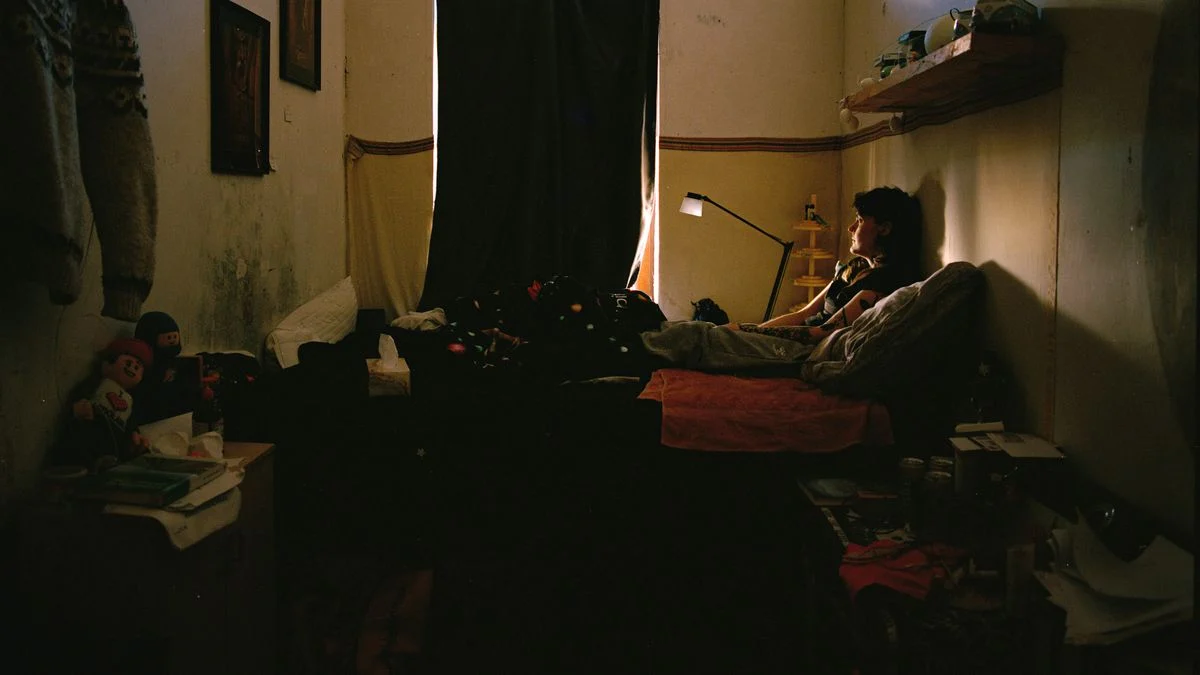

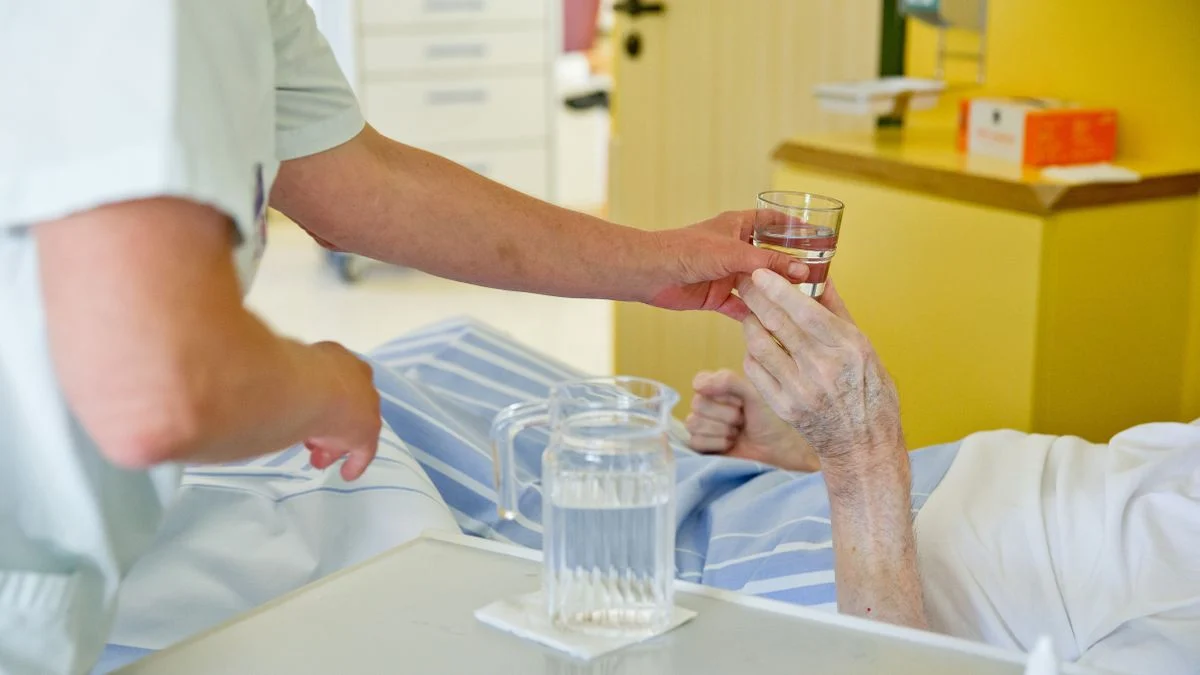
The summer months, once synonymous with leisure and outdoor activity, have increasingly become a period of profound biological stress in Germany. As climate change accelerates, the rising frequency and intensity of heatwaves are no longer just meteorological anomalies; they are lethal events. According to recent estimates from the Robert Koch Institute (RKI), approximately 12,500 deaths in Germany this year have been directly linked to prolonged heat exposure. However, leading medical experts argue that this figure—while staggering—is merely the tip of the iceberg, masking a deeper, more systemic failure to protect the most vulnerable members of society.
The Hidden Toll: A Statistical Discrepancy
The RKI’s figure of 12,500 fatalities represents an attempt to quantify the excess mortality associated with heat periods. Yet, Uwe Janssens, the medical director of the German Interdisciplinary Association for Intensive Care and Emergency Medicine (DIVI), contends that the reality is significantly grimmer.
"There are certainly several thousand more deaths," Janssens stated in an interview with the Funke Mediengruppe. The discrepancy, he explains, lies in the way deaths are recorded in the medical system. When an elderly patient dies during a heatwave, the cause of death listed on the certificate is rarely "heat stroke." Instead, doctors typically record the immediate physiological breakdown, such as cardiac arrest or organ failure.
"Many cases are not recorded as heat-related because the death certificates cite organ failure," Janssens noted. "The RKI’s numbers do not capture the full drama of the situation." This bureaucratic gap ensures that the true scale of the crisis remains obscured, making it difficult for policymakers to allocate resources effectively.
Chronology of a Public Health Threat
The transformation of heat from a seasonal nuisance to a public health emergency in Germany has been a gradual but intensifying process.
2003: The Wake-up Call: Europe’s catastrophic heatwave, which claimed tens of thousands of lives across the continent, served as a grim catalyst. While France responded with the implementation of a national "Plan Canicule," Germany’s approach remained largely decentralized and reactionary.
2018–2019: Consecutive Extremes: These years marked a shift in public consciousness. Record-breaking temperatures across Central Europe led to the first significant data-driven efforts by the RKI to estimate excess mortality. The numbers, for the first time, entered the consciousness of the federal government, yet the response remained limited to public service announcements.
2022–2023: The New Normal: Recent summers have seen the heat arrive earlier and last longer. The frequency of "tropical nights"—where temperatures do not drop below 20 degrees Celsius—has surged, preventing the human body from recovering overnight.
2024: The Breaking Point: This year’s mortality figures have prompted an outcry from medical professionals who argue that the status quo is untenable. The persistent heat has overwhelmed local medical infrastructures, particularly those serving the elderly, leading to the current debate over a national, legally binding heat protection plan.
The Physiology of Heat: Why the Elderly are at Risk
The vulnerability of the elderly to heat is not merely a matter of bad luck; it is a profound physiological vulnerability that requires systemic intervention. As Dr. Janssens, who also serves as the director of the Clinic for Internal Medicine at the St.-Antonius-Hospital in Eschweiler, explains, the danger is insidious.
"Old people no longer have a proper sense of thirst," Janssens points out. "They do not realize that they are losing fluid and need to counteract it." This leads to a dangerous physiological cascade. As the body loses water, the concentration of electrolytes—the salts essential for nerve and muscle function—changes.
"The people dry out," says Janssens. "Usually, the kidneys fail because the body becomes dehydrated." Because elderly individuals often have underlying chronic conditions, this fluid loss acts as a trigger for a systemic collapse, turning a manageable condition into a fatal event within hours.
Official Responses and the Governance Vacuum
The German government has historically treated heatwaves as a temporary weather event rather than a permanent climate challenge. Currently, responsibility for heat protection is fragmented across the sixteen federal states (Bundesländer) and individual municipalities.
Critics argue that this lack of a unified national strategy is a failure of leadership. The Federal Ministry of Health has recently begun drafting a framework for a national heat protection plan, aiming to improve communication and early warning systems. However, medical experts like Janssens demand more than brochures and websites. They are calling for:
- Mandatory Infrastructure Upgrades: Direct funding for hospitals and nursing homes to install air conditioning, passive cooling, and shaded zones.
- Standardized Reporting: Reforming the death certification process to require medical examiners to identify heat as a contributing factor in deaths during extreme weather events.
- National Funding: A dedicated budget that is not subject to local municipal fiscal constraints.
"I am, even as a citizen, extremely disturbed by the inaction of the federal and state governments," Janssens remarked. The frustration among the medical community is palpable; they are the ones who bear the burden of the aftermath in emergency rooms, treating patients who could have been saved with basic intervention.
The Social Dimension: A Call for Collective Action
Beyond the clinical interventions, there is a fundamental need for a social shift in how Germany manages its aging population. Dr. Janssens describes the current situation as a form of "societal neglect."
In many countries, including France, local municipalities utilize registries to actively contact vulnerable, elderly, or isolated citizens when a heatwave warning is issued. These "welfare checks" can be life-saving. In Germany, however, such community-based networks are underdeveloped or entirely absent in many regions.
"We need more neighborhood help, psychosocial support, and networks to reach endangered people at an early stage during heatwaves," Janssens argues. The lack of such systems means that many individuals die in isolation, their distress unnoticed until it is too late.
Implications for the Future
The implications of this crisis are far-reaching. As the planet continues to warm, the 12,500 deaths reported this year may soon be viewed as a "mild" summer by comparison.
Public Health Policy: The healthcare system must transition from a reactive model to a proactive, preventive one. This includes training healthcare workers to recognize the early signs of heat-related illness and establishing "cooling centers" that are accessible to the public.
Urban Planning: The "heat island" effect in major German cities like Berlin, Frankfurt, and Munich is exacerbating the problem. Architecture must change to include more green spaces, reflective surfaces, and natural ventilation systems to lower ambient temperatures in densely populated areas.
Economic Burden: The economic impact of these deaths—lost productivity, increased healthcare costs, and the strain on emergency services—is significant. Investing in heat protection is not merely a humanitarian imperative; it is an economic necessity.
Conclusion: A Moral Imperative
The debate over heat protection in Germany is ultimately a reflection of the nation’s priorities. When thousands of people perish due to preventable conditions, it raises uncomfortable questions about how a wealthy, technologically advanced society values its most vulnerable citizens.
Dr. Janssens’ critique is a clarion call to action. "In Germany, people are not only dying from the heat, but ultimately also from societal neglect," he says. The path forward requires a synergy of science, policy, and community spirit. It requires the government to treat heat as a national security threat and the public to foster a culture of mutual care.
Without a binding national plan and a fundamental shift in how we approach the care of the elderly during the summer months, the annual heat toll will continue to rise. Germany stands at a crossroads: it can continue to watch these numbers climb, or it can acknowledge the "dramatics" of the situation and build a society that is resilient, proactive, and truly protective of its people. The summer of 2024 should be the final year that heat-related deaths are met with systemic indifference.