For millions, the idea of owning a second home is the ultimate symbol of financial freedom and personal sanctuary. Whether it is a rustic cottage in the mountains, a sun-drenched villa by the Mediterranean, or a compact cabin by a lake, the dream of a "holiday home" occupies a unique space in our collective imagination. Yet, moving from the fantasy of weekend getaways to the reality of property ownership is a complex journey fraught with legal, financial, and logistical hurdles.
Recently, four distinct families shared their experiences of navigating the path to property ownership. Their stories reveal a common thread: the dream of a holiday home is rarely just about real estate; it is about reclaiming time and crafting an identity separate from the daily grind.
The Reality of Ownership: Four Journeys
1. The Mediterranean Escape: The "Fixer-Upper" Approach
The first family, a couple from Munich with two teenage children, opted for a traditional stone house in Puglia, Italy. They sought an authentic experience away from the tourist traps. Their journey began with a two-year search, eventually settling on a property that required significant renovation.
"The emotional cost was higher than the financial one," the mother explains. Navigating Italian bureaucracy, sourcing local contractors who operate on ‘island time,’ and managing a renovation from 1,000 kilometers away pushed their organizational skills to the limit. However, they emphasize that the cultural immersion gained for their children was worth every headache.
2. The Scandinavian Retreat: A Lesson in Sustainability
A younger couple, both software engineers, chose a more minimalist route: a pre-fabricated modular home in rural Sweden. Their focus was not on luxury, but on ecological footprint and year-round accessibility. By choosing a smaller footprint, they avoided the exorbitant maintenance costs associated with larger, older structures. Their story highlights the shift toward "cozy" (or hygge) minimalism, where the value lies in the isolation and the proximity to nature rather than square footage.
3. The Family Legacy: The Joint-Ownership Model
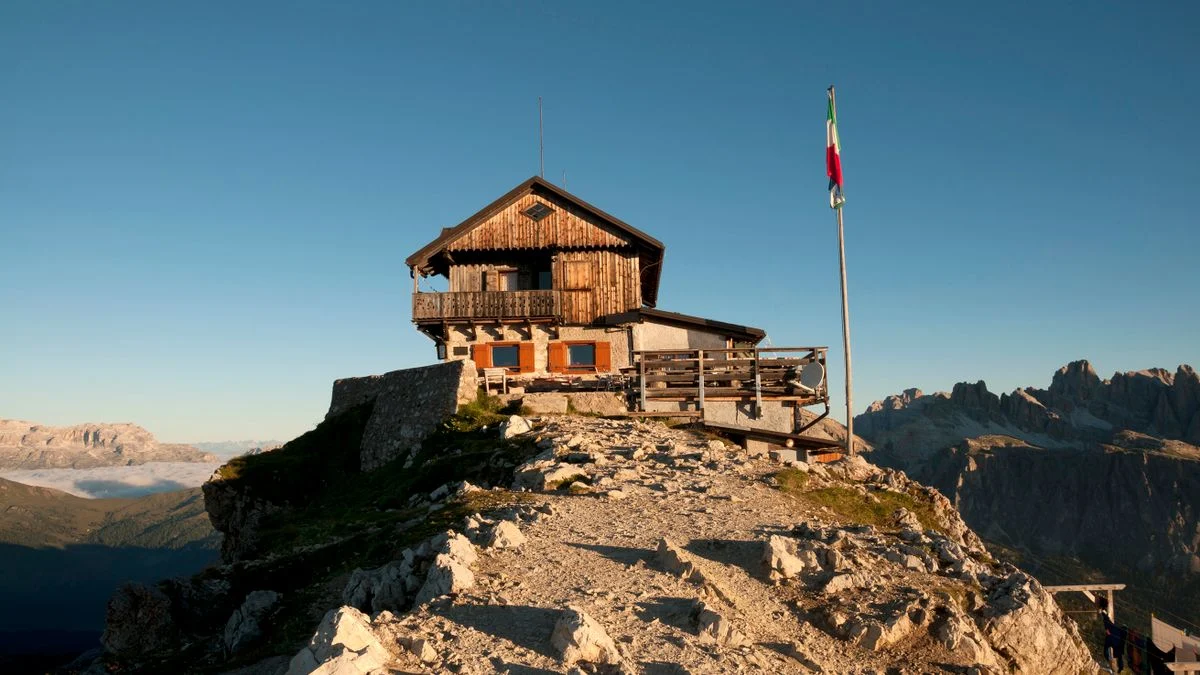
In a departure from individual ownership, two brothers and their respective families decided to pool their resources to purchase a farmhouse in the Austrian Alps. This "shared-asset" approach allowed them to afford a higher-end property in a prime location. However, this required a strictly drafted legal contract regarding usage rights, maintenance responsibilities, and future exit strategies. They highlight the importance of transparency in managing expectations—a factor often overlooked by friends or family members who leap into such arrangements.
4. The Digital Nomad’s Haven: A Hybrid Workspace
Finally, a freelance writer chose a modest apartment on the coast of Portugal. Her primary motivation was the ability to extend her vacations into "work-cations." By ensuring high-speed internet and proximity to a major transport hub, she turned her holiday home into a dual-purpose asset. This story illustrates the post-pandemic trend where the holiday home is no longer just for leisure, but for a balanced lifestyle.
Chronology: From Concept to Closing
The path to purchasing a holiday home is rarely linear. Based on the experiences of these families, the typical timeline involves several critical phases:
- Phase 1: The Research Period (Months 1–6): Defining the "Must-Haves." This involves balancing location against budget and identifying long-term goals (rental income vs. personal use).
- Phase 2: On-the-Ground Scouting (Months 6–12): Visiting locations during the "off-season." Experts strongly advise against visiting only during the height of summer, as it provides a distorted view of the community and local infrastructure.
- Phase 3: Due Diligence and Legal Review (Months 12–15): Investigating property titles, zoning laws, and tax implications in a foreign jurisdiction.
- Phase 4: The Negotiation and Closing (Months 15–18): Finalizing the financial arrangements, including currency exchange considerations and mortgage applications for non-residents.
- Phase 5: Operational Setup (Months 18+): Hiring local property managers, setting up utility contracts, and establishing a maintenance routine.
Supporting Data: The Financial Burden vs. The Emotional Return
While the emotional value is subjective, the financial data is stark. Potential owners must account for the "hidden" costs that often exceed the purchase price by 15–25% in the first two years:
- Taxes: Non-resident property taxes, municipal taxes, and capital gains taxes upon future sale.
- Maintenance: On average, property experts suggest budgeting 1.5% to 2% of the property value annually for upkeep.
- Insurance: Specialized coverage for unoccupied homes is significantly more expensive than standard homeowner insurance.
- Property Management: If the owner does not live nearby, professional management services can consume 15–30% of potential rental income.
Despite these costs, market trends show that demand for holiday homes remains resilient. In Europe, interest in properties in Southern Europe and the Alpine regions continues to climb, driven by a desire for lifestyle assets that serve as a hedge against inflation.
Official Perspectives: Navigating the Legal Landscape
Legal experts in the European real estate sector emphasize that cross-border purchases require more than just a real estate agent.
"Most buyers fail to consult a tax advisor in both their home country and the country of purchase," says Dr. Elena Rossi, a specialist in European property law. "There is often a misconception that the ‘vacation’ nature of the home grants some sort of tax exemption. On the contrary, property ownership is a taxable event in almost every jurisdiction."
Furthermore, local municipalities are increasingly cracking down on short-term rentals (like Airbnb). Buyers who purchase with the intention of renting out the property to offset costs must verify local licensing laws, as some regions have imposed strict quotas or outright bans on non-resident tourist rentals.
Implications: The Future of the Second Home
The shift toward remote work and the desire for sustainable living are fundamentally changing what we want from a second home. The traditional model of a "holiday house" as a dormant asset, used for three weeks a year, is fading.
The Rise of Co-Ownership
As real estate prices rise, the barrier to entry is becoming insurmountable for many. We are seeing a rise in institutional co-ownership models, where companies manage the legal and maintenance burdens, allowing individuals to purchase "shares" of luxury properties.
The Sustainability Mandate
Future buyers are increasingly prioritizing energy efficiency. A home that is expensive to heat or cool, or one that lacks modern insulation, is rapidly losing its market value. The "holiday home" of the future must be energy-neutral, as carbon taxation and stricter environmental regulations begin to impact real estate markets across the continent.
Conclusion
The four families highlighted in this report represent the modern spectrum of property ownership. Whether they chose to renovate a crumbling Italian ruin or share a mountain lodge, their success was defined by one common element: rigorous preparation.
A holiday home is not merely a destination; it is a business and a responsibility. For those who approach it with a clear financial plan, a deep understanding of local laws, and a realistic view of the maintenance required, the "dream" can indeed become a lasting reality. For those who view it as a passive escape, the dream can quickly turn into a financial liability. As the market evolves, the smartest investors will be those who value utility and sustainability as much as they value the view.