The intersection of public celebration and law enforcement took a volatile turn following a recent football match, resulting in a series of confrontations between police and a group of fans in the city center. What began as a post-match victory celebration quickly devolved into a scene of public disorder, characterized by the use of pyrotechnics, the vandalism of public transport, and physical clashes that necessitated the deployment of service animals and chemical irritants.
The events have sparked a broader conversation regarding the limits of fan expression and the protocols governing police intervention in densely populated urban spaces. As local authorities begin their formal investigations, the incident serves as a stark reminder of the fragile balance between celebratory fervor and public safety.
Chronology of the Escalation
The Initial Disturbance
The unrest began shortly after the conclusion of a high-stakes football match. A group of fans, buoyed by the result, gathered at a central plaza in the city’s heart. According to police reports, the gathering immediately moved beyond the bounds of peaceful assembly. Witnesses observed members of the group igniting pyrotechnics—flares and smoke bombs—amidst the crowd, creating a hazardous environment for passersby.
The situation escalated when several individuals climbed atop a stationary public transit bus. This act of vandalism, coupled with the unauthorized use of pyrotechnics, prompted a tactical response from local law enforcement. Police patrols, initially present in a monitoring capacity, were forced to request reinforcements to manage the growing crowd and restore order.
Police Intervention and Confrontation
As police officers moved to disperse the group and secure the area, the atmosphere shifted from celebration to hostility. Upon receiving instructions from officers to cease their disruptive behavior, members of the group began hurling glass bottles at the police line. This transition from rowdiness to direct physical assault forced officers to employ defensive measures to protect themselves and bystanders.
The Canine Incident
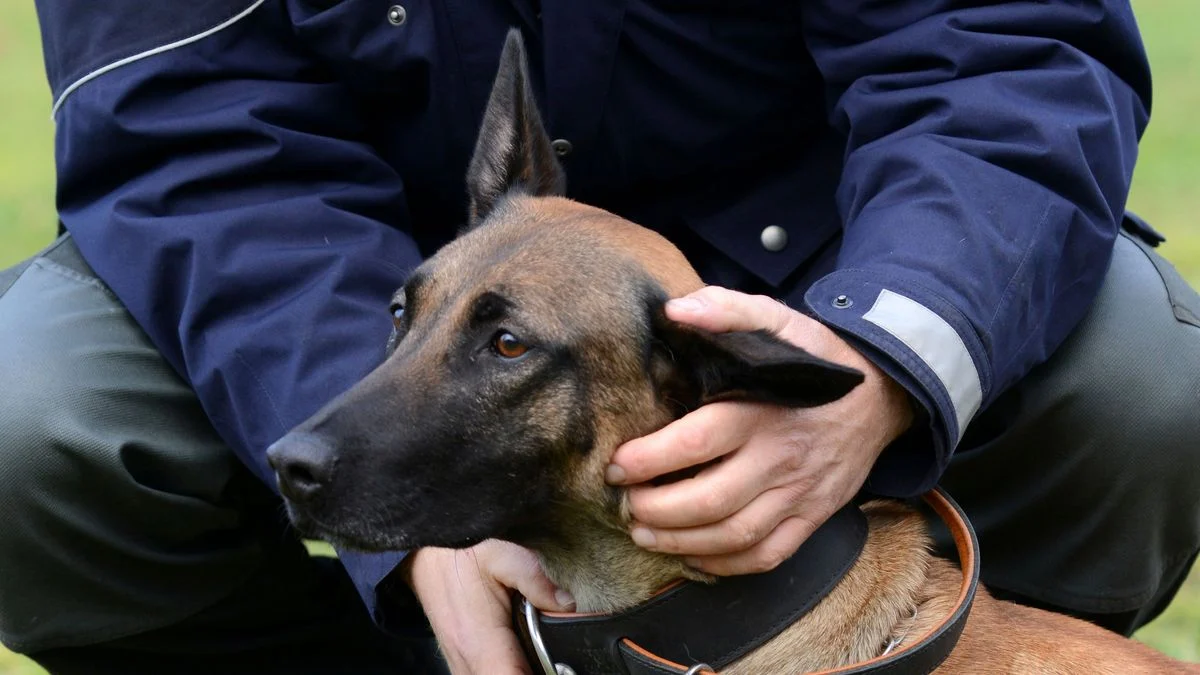
Perhaps the most contentious moment of the evening involved a specific interaction between a member of the crowd and a police canine unit. According to the official police spokesperson, a male individual deliberately approached a police dog, brandishing a large German national flag. The man repeatedly waved the flag directly in front of the animal, an action the handler identified as a clear provocation.
Despite multiple verbal warnings from the officer to cease the behavior, the individual persisted. The police dog, sensing a threat and experiencing acute distress due to the persistent agitation, reacted defensively and bit the man. In the ensuing chaos, officers deployed pepper spray to regain control of the immediate area and separate the individual from the canine unit.
Supporting Data and Contextual Analysis
The Dynamics of Crowd Control
Public order policing relies on the principle of "graduated response." In this scenario, police started with a low-profile presence, which is standard procedure for football-related events. However, the introduction of pyrotechnics—which can reach temperatures exceeding 1,600 degrees Celsius—presented an immediate public safety risk, necessitating a move toward enforcement.
The escalation to bottle-throwing indicates a significant breakdown in the relationship between the crowd and the authorities. Sociologists studying football fan culture often point to the "us versus them" mentality that can manifest during intense sporting rivalries or national team victories. When this mentality is combined with alcohol consumption and the anonymity provided by a large crowd, individual restraint often dissolves.
Public Transport as a Focal Point
The decision to climb on a public bus is significant. In urban environments, public infrastructure often becomes a target for "territorial" displays by fan groups. By occupying the bus, the individuals were not merely celebrating; they were asserting dominance over public space. The disruption of transit services also impacts the broader public, turning a private celebration into a public inconvenience and a safety hazard for the bus driver and passengers.
Official Responses
Police Department Statement
A spokesperson for the police department expressed grave concern regarding the conduct of the individuals involved. "Our primary goal is to ensure the safety of the public," the spokesperson stated. "When celebration turns into an assault on officers and the destruction of public property, we are left with no choice but to use the tools at our disposal to restore order. The actions taken by the individual regarding the police dog were reckless and put both the officer, the animal, and the crowd at risk."
The department has confirmed that an internal review of the incident is underway, a standard procedure whenever force—including the use of police dogs and pepper spray—is employed.
Public and Media Reaction
Local municipal leaders have condemned the violence, calling for a "zero-tolerance" approach to those who use sporting events as a pretext for criminal activity. Conversely, some civil liberty advocates have questioned whether the police response was proportional, particularly regarding the use of canine units in a crowded square. The debate remains polarized, reflecting the broader societal tensions surrounding police conduct and the limits of public expression.
Implications for Future Events
Policy Shifts in Urban Policing
The incident is likely to result in a reassessment of how the city handles post-match crowds. We may see an increase in "buffer zones," where pyrotechnics are strictly confiscated at entry points to the city center. Additionally, the role of canine units in high-density crowd control may be re-evaluated to avoid similar incidents of provocation.
The Responsibility of Fan Groups
The incident places a spotlight on the responsibility of organized fan groups. While the majority of attendees may have been peaceful, the actions of a small, radicalized minority have overshadowed the celebration. Football clubs and fan associations are now facing pressure to implement internal policing mechanisms to discourage criminal behavior among their ranks.
Legal Consequences
Those identified in the footage captured by CCTV and police body-worn cameras face a range of potential charges, including public order offenses, assault on law enforcement officers, and destruction of property. The legal system will now have to parse through the evidence to determine the exact level of culpability for each participant.
Conclusion: A Delicate Balance
The events of that evening underscore the volatile intersection of passion and public order. Football, a sport that unites millions, can occasionally serve as a catalyst for behavior that stands in stark opposition to the values of community and fair play. As the city reflects on these events, the challenge remains: how to foster an environment where fans can celebrate their team’s success without compromising the safety and security of the urban environment.
The images of the confrontation—the fire of the flares, the struggle on the bus, and the flashing lights of the police response—are now a matter of public record. They serve as a cautionary tale for future match days, highlighting the necessity of mutual respect between the public and those tasked with maintaining the peace. Whether this incident leads to more restrictive policing or a new dialogue on fan engagement remains to be seen, but one thing is clear: the cost of unbridled celebration, when it crosses the line into lawlessness, is a price the entire community is forced to pay.
As investigations continue, the focus will likely shift toward identification and prosecution, ensuring that those responsible for the escalation are held accountable. In the meantime, the city center remains a site of recovery, and local authorities are preparing for the next major event with a heightened sense of vigilance, hoping to avoid a repeat of the chaos that unfolded. The incident serves as a poignant reminder that while sport has the power to thrill, it also has the capacity to challenge the very foundations of our civil society.