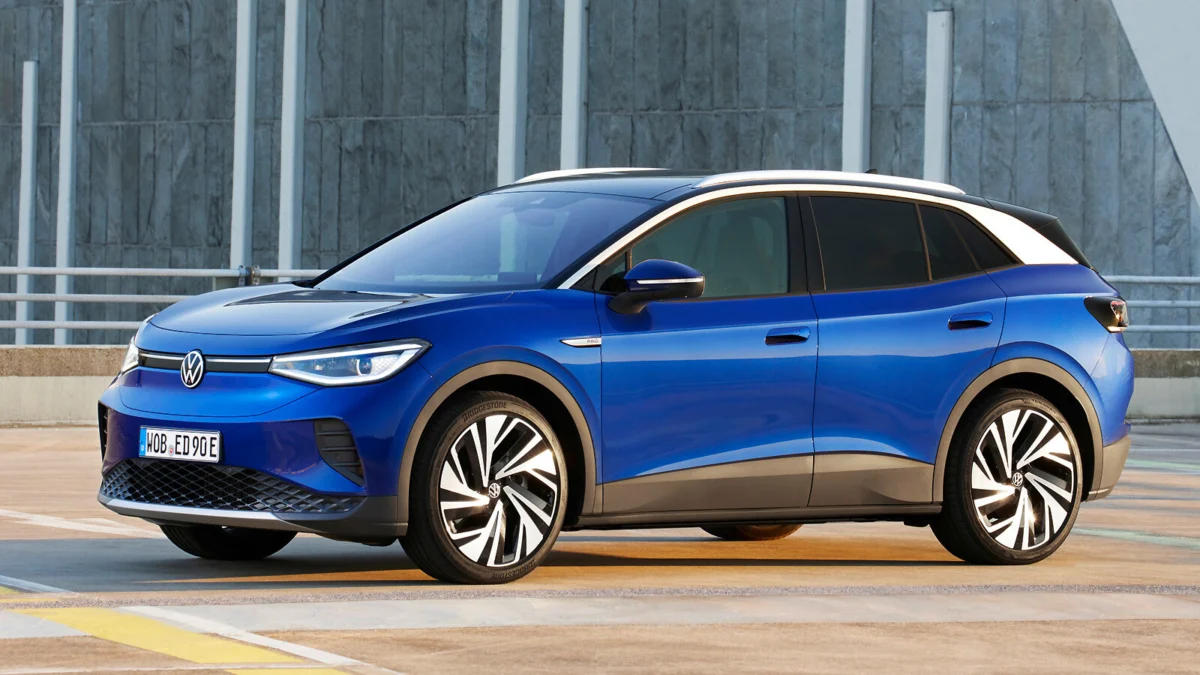
As Volkswagen prepares for its virtual Annual General Meeting (AGM) on June 18, the atmosphere surrounding Europe’s largest automaker is anything but celebratory. While management proposes a dividend payout of €5.20 per ordinary share and €5.26 per preference share, the decision has ignited a firestorm of criticism from environmental organizations and shareholder advocacy groups. The controversy centers on a fundamental tension: should a company in the midst of a painful restructuring and a plummeting profit margin prioritize returning capital to shareholders, or should it hoard every cent to survive the brutal transition to electric mobility?
The optics are undeniably difficult. With the company currently engaged in widespread personnel reduction measures and navigating a period of immense strategic uncertainty, the proposed payout—amounting to roughly €2.6 billion—is being viewed by critics as a disconnect between corporate governance and the harsh realities of the shop floor.
The Controversy: A Question of Capital Allocation
The backlash is led by the BUND (Bund für Umwelt und Naturschutz Deutschland) and the Dachverband der Kritischen Aktionärinnen und Aktionäre (the Umbrella Organization of Critical Shareholders). For these groups, the proposed dividend is not merely a financial decision; it is a signal of misplaced priorities.
Jens Hilgenberg, head of transport policy at BUND and a board member of the Critical Shareholders, has been vocal about the necessity of retaining liquidity. "Volkswagen must invest more heavily in the production of small, economical electric vehicles ‘Made in Europe’," Hilgenberg stated. "For this, financial resources must be kept within the company instead of letting them flow out through comparatively high dividends."
The core argument is that Volkswagen, which is fighting to fend off competition from agile Chinese EV manufacturers and Tesla, cannot afford to bleed cash. By prioritizing dividend payments, the company is arguably cannibalizing the very R&D and capital expenditure required to secure its long-term future in the small-car segment—a segment that is vital for both environmental goals and mass-market volume.
Financial Context: The 2025 Profit Slump
To understand the intensity of the criticism, one must look at the fiscal year 2025 results. The group’s net profit after taxes plunged by 44 percent, dropping from €12.4 billion in the previous year to just €6.9 billion.
Despite this significant contraction in earnings, the dividend reduction is disproportionately small. The proposed payout of €5.20 per ordinary share represents a decrease of only €1.10 compared to the previous year. Critics point to this disparity as evidence that shareholders are being shielded from the severity of the operational crisis. While the total payout is being lowered, the fact that Volkswagen is still committing to a €2.6 billion transfer to investors while simultaneously cutting jobs suggests to labor advocates and environmentalists that the company’s internal crisis management is being undermined by short-term financial engineering.
Chronology of a Crisis: From Leadership Turnover to "Existential Threat"
The current unrest did not emerge overnight. It is the culmination of years of structural challenges and shifting market dynamics.
- 2023-2024: Strategic Drift. Throughout the previous year, Volkswagen struggled with software development delays, which significantly hindered its ability to roll out competitive electric platforms.
- Early 2025: Profitability Warnings. As global demand for high-end EVs softened and Chinese manufacturers gained market share, VW’s margins came under intense pressure.
- Q1 2025: Personnel Measures. Management announced a series of cost-cutting measures, including voluntary separation programs and hiring freezes, aimed at streamlining the workforce to save billions in overhead costs.
- May 2025: The Internal Poll. Manager Magazin released a report detailing a highly confidential, internal survey conducted among the company’s board members and supervisory board. The results were startling: not a single one of the nine interviewed board members considered the situation "non-critical," and only three described it as merely "tense." The remainder used the term "existential threat."
- June 2025: Approaching the AGM. As the June 18 deadline for the AGM looms, the gap between the board’s internal assessment—an existential crisis—and the dividend policy has become the central topic of debate.
The Internal Assessment: An Admission of "Existential Threat"
The revelation that the highest echelons of Volkswagen’s leadership view the company as "existentially threatened" has sent shockwaves through the industry. The internal survey, which granted anonymity to the participants, highlights a profound sense of urgency that has rarely been expressed so starkly by VW’s own leadership.
All nine surveyed board members reportedly reached a consensus on one point: the need for a "radical change in strategy." While the specifics of this transformation remain largely behind closed doors, the consensus suggests that the current path—a balancing act of internal combustion engine revenue funding the slow transition to EVs—is no longer viable.
The discrepancy between this internal diagnosis and the external signal of a dividend payment creates a perception of cognitive dissonance. If the house is indeed burning, critics argue, why is the company still paying out the fire extinguishers?
Implications: The Road Ahead for VW
The upcoming virtual AGM will be a litmus test for Volkswagen’s leadership. The management board must navigate the demands of institutional investors, who expect a return on their capital, against the warnings of labor unions and environmental groups who demand that VW remain a bastion of German industrial sovereignty and sustainable innovation.
1. The Burden of "Made in Europe"
For VW, the demand to produce small, affordable EVs in Europe is not just a policy request; it is an economic necessity. If the company fails to capture the entry-level EV market, it risks losing the next generation of drivers to foreign competitors. The dividend debate is therefore a proxy for a much larger question: Does Volkswagen have the financial bandwidth to pivot, or is it shackled by its past successes and dividend commitments?
2. Labor Relations and Restructuring
The personnel reduction measures are arguably the most sensitive aspect of the current climate. As employees face job insecurity, the payment of a multi-billion euro dividend to shareholders creates a psychological rift within the company. Management will need to articulate a vision that justifies these payouts as part of a broader, coherent plan for future competitiveness, rather than as an attempt to appease investors while the workforce shrinks.
3. The Future of the Board’s Credibility
The leaked survey creates a high-stakes environment for the AGM. Shareholders will likely press for more clarity on what "radical change" looks like. If the board remains vague, the dividend proposal may become a lightning rod for broader dissatisfaction. The leadership team must now prove that they have both a plan to survive the "existential threat" and the political capital to implement it without tearing the company apart.
Conclusion: A Delicate Balance
Volkswagen is currently performing a high-wire act. It must maintain the trust of the capital markets to ensure access to financing for its massive R&D requirements, while simultaneously managing a shrinking profit base and a workforce that is increasingly skeptical of the company’s long-term strategy.
The dividend proposal of €5.20 is, in many ways, the focal point of a wider existential struggle. Whether the board manages to push this through at the June 18 meeting will be a significant indicator of where the power lies in Wolfsburg. However, even if the dividend is approved, the underlying issue remains: the company’s own leadership has admitted that the status quo is unsustainable. The challenge for the months ahead is to translate that internal alarm into a concrete, successful, and equitable transformation strategy that can restore Volkswagen’s status as a global leader in automotive technology.
As the virtual gavel falls on June 18, the world will be watching not just for the vote count, but for the signal of whether Volkswagen has the resolve to prioritize its long-term survival over short-term payouts. The survival of the company, by the admission of its own directors, depends on it.