The "Blue Sharks" are no longer just a heartwarming story of resilience; they have become a tactical force to be reckoned with. As the FIFA World Cup 2026 progresses, the tiny island nation of Cape Verde stands on the precipice of history, shifting from "underdog darling" to a genuine contender for the Round of 16.
The Main Facts: A Sensation in the Making
In the world of international football, few narratives are as compelling as the rise of a nation that, until recently, lived in the shadows of the global elite. Cape Verde, making their mark on the grandest stage of them all, has defied every pre-tournament projection. After securing a hard-fought draw against the footballing juggernaut of Spain and backing it up with a 2-2 thriller against two-time champions Uruguay, the "Blue Sharks" find themselves in a position that seemed impossible just weeks ago.
With two points from two matches, the math is now favorable. A victory or, in some scenarios, even a draw against Saudi Arabia in their final group stage match could secure them a historic passage into the knockout stages. This is no longer about the "taking part" mentality; it is about tactical discipline, individual brilliance, and a belief system that has permeated the entire squad.
Chronology of a Sporting Miracle
The journey began with skepticism. Critics labeled the Cape Verdeans as "cannon fodder" for the heavyweights of Group D. However, the tournament opener against Spain shattered those expectations. The match was defined by the heroics of goalkeeper Vozinha, who turned in a performance for the ages.
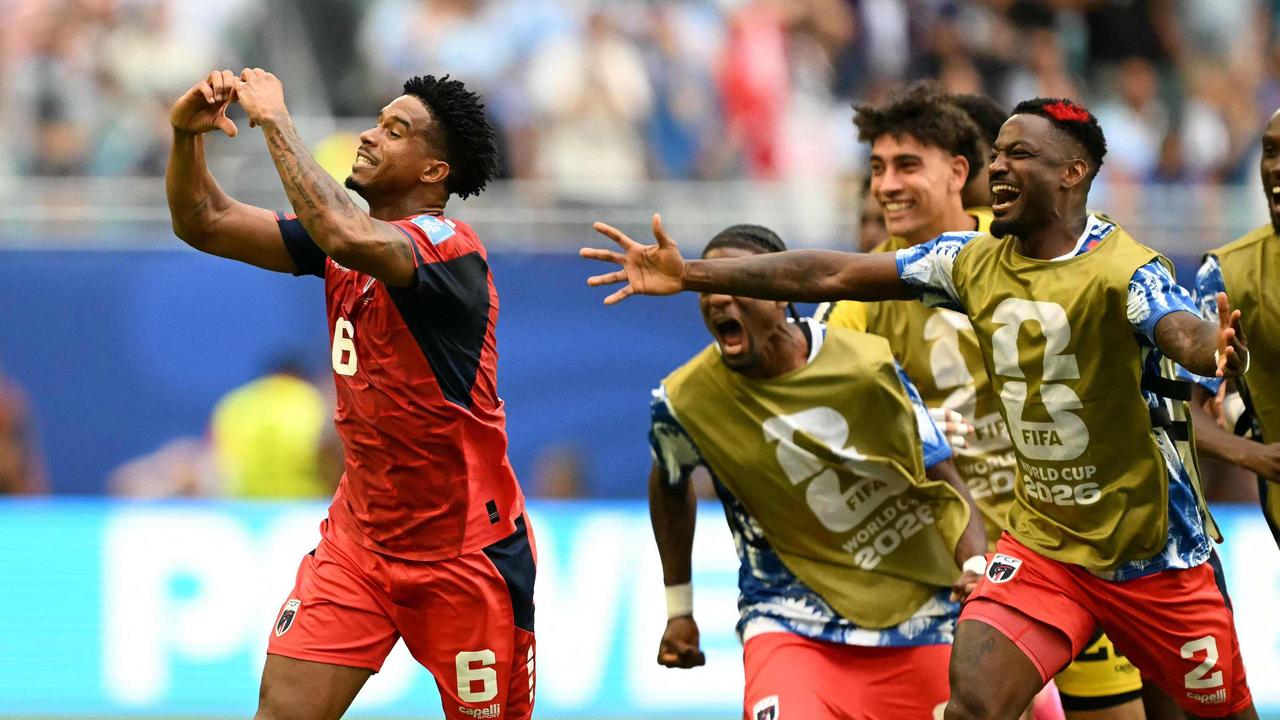
The match against Uruguay served as the second act of this drama. It was not merely a defensive bunker; it was a display of controlled aggression. Kevin Pina’s thunderous 30-meter free-kick was the statement of intent, while the introduction of Hélio Varela brought a clinical edge to the attack. As Varela slotted home a goal born from an Uruguayan defensive lapse, the stadium—and the millions watching worldwide—realized that Cape Verde was playing with a level of composure that belied their status as debutants.
The "Mama Vozinha" Phenomenon
Amidst the tactical analysis and the statistical breakthroughs, the human element has provided the emotional heartbeat of the tournament. Ana Candida Evora, mother of goalkeeper Vozinha, has transcended her role as a spectator to become a global icon.
Her presence in Miami, captured by international broadcasters more frequently than legends like Luis Suarez or Diego Forlan, became a symbol of the tournament’s spirit. When the cameras cut to her emotional reaction to her son’s saves, the world saw the raw, unfiltered essence of the World Cup. It reminded fans that beneath the commercial veneer of modern football, the tournament remains a stage for personal triumphs and national pride.
Tactical Depth: The "Blue Sharks" Blueprint
While emotions run high, the success of the Cape Verdean side is rooted in cold, hard tactical planning. Much of the squad has been honed in the competitive environment of the Portuguese league system. This exposure to high-level European tactical instruction has provided them with a foundation of positional discipline that was clearly on display against Uruguay.
The Defensive Anchor
The team’s defensive structure is not purely reactive. While they concede possession to more prestigious opponents, they do so with a clear intent to funnel play into areas where they can initiate high-speed transitions. The defensive line, anchored by Vozinha’s vocal leadership, operates with a synchronized movement that forces opponents into low-percentage shots.
The Offensive Transition
Offensively, Jamiro Monteiro and Garry Rodrigues have become the architects of the team’s creative output. Their ability to hold the ball under pressure allows the rest of the team to push up the pitch, transitioning from a compact 4-5-1 into a fluid 4-3-3. The goal by Kevin Pina, while spectacular, was a product of the team’s willingness to capitalize on set-piece opportunities—a staple of any successful underdog campaign.
Official Responses and Internal Belief
Head coach Bubista has been instrumental in managing the psychological pressure of the tournament. In the aftermath of the Uruguay draw, his comments reflected a shift in team identity: "We are here to fulfill a new dream—to reach the next round. We are at a point where we say: Yes, we are fighting to advance."
This rhetoric has resonated with the players. The squad, which suffered from severe fatigue and cramping in the final minutes against Uruguay, showcased a collective grit that suggests a team playing for something greater than themselves. "I want to congratulate the team and our entire nation for this performance," Bubista noted. "We played with a lot of heart, but we also played with a clear plan."
Implications for the Future
The implications of Cape Verde’s success extend far beyond the 2026 World Cup. First, they have effectively dismantled the notion that "small" nations cannot compete in the modern era of data-driven, hyper-professionalized football. By blending tactical discipline with the unpredictability of their offensive players, they have created a template for other emerging footballing nations.
Secondly, the economic and social impact on the Cape Verdean diaspora is profound. The "Blue Sharks" have become a unifying force, bridging the gap between the islands and the global community. The surge in national identity and pride following these matches is palpable, with the government and local media framing this as a turning point in the nation’s cultural history.
The Road Ahead: The Saudi Arabia Test
The upcoming match against Saudi Arabia is the most significant 90 minutes in the history of Cape Verdean football. The stakes are clear:
- Scenario A (Win): Guaranteed progression to the Round of 16.
- Scenario B (Draw): Highly likely to progress, depending on the goal difference and the result of the Spain vs. Uruguay match.
- Scenario C (Loss): Elimination, ending the fairy tale prematurely.
Coach Bubista has cautioned against complacency, noting that Saudi Arabia is a side that thrives on tactical unpredictability. However, the consensus among analysts is that Cape Verde has the momentum. The transition from being an unknown quantity to a tactical threat has been completed.
A Legacy in the Making
Whether or not Cape Verde advances to the quarterfinals or beyond, they have already won the most important battle: the respect of the footballing world. They have proven that with the right application, a clear tactical identity, and an unyielding spirit, the hierarchies of international football can be challenged.
The image of Mama Vozinha cheering in the stands, the image of Kevin Pina striking the ball with lethal precision, and the image of a team fighting through physical exhaustion to defend a result against global giants—these will remain the defining memories of this tournament.
Cape Verde has arrived on the world stage, not as a guest, but as a protagonist. As the world watches their final group stage match on Saturday, the "Blue Sharks" carry the hopes of an entire nation. They have shown that while the fairy tale is what captures the heart, it is the disciplined, professional, and tactical excellence that earns the right to stay in the tournament. The world is now watching, and for the first time, they are watching as equals.