By Financial News Desk
Updated: June 22, 2026 | 10:14 AM
The German financial landscape underwent a significant structural transformation today as Hochtief, the Essen-based global construction giant, officially joined the DAX, Germany’s premier stock market index. This milestone marks the first time in the company’s long and storied history that it has ascended to the elite circle of the 40 most valuable publicly traded companies in the nation. The move, while highly anticipated by market analysts, signals a profound shift in investor sentiment—moving away from traditional automotive dominance toward the infrastructure and high-tech sectors that define the modern global economy.
The elevation of Hochtief comes at the direct expense of the Porsche SE holding company, which, following a period of persistent downward pressure on its share price, has been relegated to the MDAX, the index tracking mid-cap companies.
The Mechanics of the Shift: Why Hochtief Now?
The inclusion of Hochtief in the DAX is the result of a long-term strategic surge in the company’s valuation. Over the past twelve months, the company’s share price has nearly tripled, fueled by a robust backlog of projects and a strategic pivot toward the infrastructure required by the digital age.
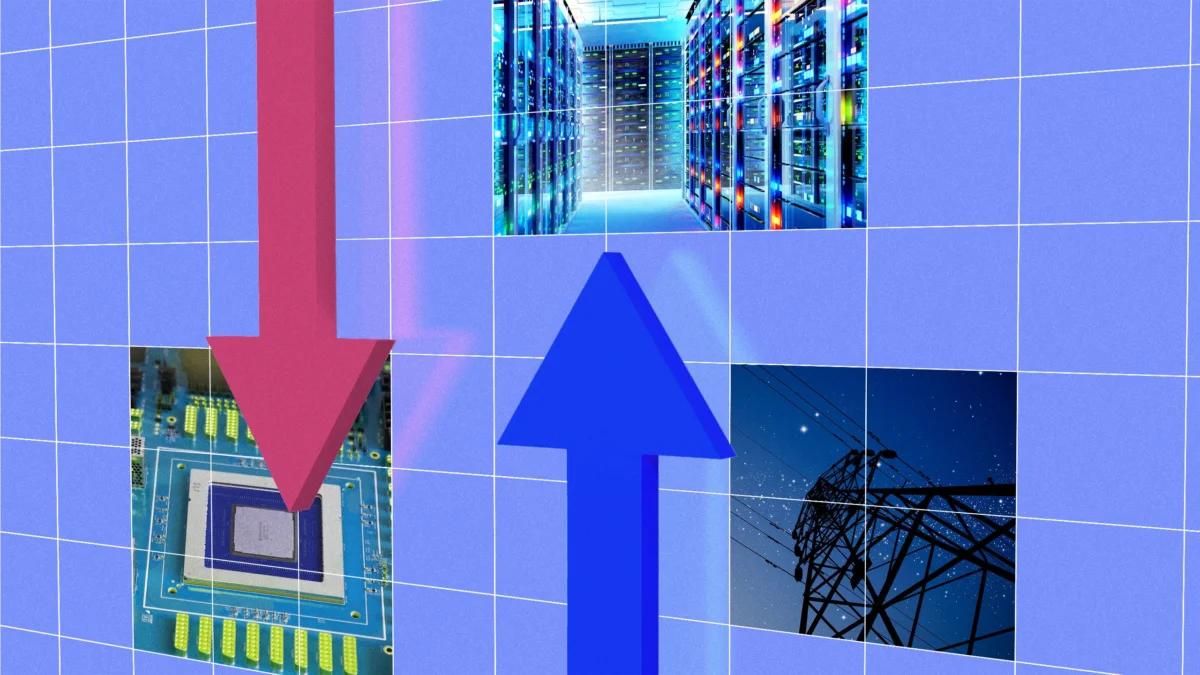
While Hochtief is historically recognized for traditional civil engineering—building bridges, tunnels, skyscrapers, and airports—its current market momentum is driven by its involvement in the "infrastructure of the future." The company has become a pivotal player in the global expansion of artificial intelligence, specifically through its involvement in the construction of massive, energy-intensive data centers.
A prime example is the company’s ongoing participation in a multi-billion-dollar project in Indiana, USA, where a Hochtief subsidiary is helping construct a state-of-the-art facility for Meta, the parent company of Facebook. This project is emblematic of the company’s broader success in tapping into the massive capital expenditures associated with the AI boom. Beyond AI, Hochtief has successfully capitalized on the global push for upgraded national security infrastructure and the massive, government-funded programs aimed at modernizing power grids and transport networks.
Porsche SE: A Fall from Grace
Conversely, the departure of Porsche SE from the DAX is a sobering indicator of the current malaise gripping the German automotive sector. The holding company, which maintains a significant stake in the Volkswagen Group, has been plagued by a series of financial setbacks.
In the first quarter of this year, Porsche SE reported a staggering loss exceeding 900 million euros. The primary driver behind this deficit was a massive write-down on its equity investment in the Volkswagen Group. As automotive markets grapple with intense competition from Chinese manufacturers, a decelerating global demand for premium vehicles, and the costly, complex transition to electric mobility, the valuation of legacy automotive conglomerates has come under intense scrutiny.
This is not the first time the Porsche brand has seen a demotion. Last year, the sportscar manufacturer Porsche AG was ejected from the DAX following a sharp decline in its market value. The persistent struggle of these automotive giants underscores the "perfect storm" currently facing the German industrial sector: high energy costs, geopolitical volatility, and the disruptive pressure of rapid digitalization.
Chronology of the Transition
The decision to swap Hochtief for Porsche SE was not a sudden development but the result of the Deutsche Börse’s rigorous, rules-based quarterly review process.
- Early June 2026: The Deutsche Börse officially announced the pending changes to the DAX, MDAX, and SDAX indices. The announcement triggered immediate portfolio adjustments among institutional investors and index-tracking funds.
- Late June 2026: Market analysts spent the intervening weeks calculating the impact of the shift. Funds that replicate the DAX were required to rebalance their holdings to match the new weighting, leading to increased trading volume for both Hochtief and Porsche SE.
- June 22, 2026: The official effective date of the rebalancing. Hochtief began trading as a DAX member, while Porsche SE transitioned to the MDAX index.
Supporting Data and Corporate Structure
Hochtief’s rise to the DAX is particularly noteworthy given its unique ownership structure. Despite its massive market capitalization—now hovering near 40 billion euros—only about 21% of its shares are in "free float," meaning they are actively traded by the public.
The majority of the company, roughly 76%, is held by the Spanish infrastructure powerhouse ACS. This concentration of ownership did not preclude the company from meeting the stringent liquidity and market capitalization requirements mandated by the Deutsche Börse. The fact that a company with such a concentrated ownership structure could secure a spot in the DAX is a testament to the sheer scale of its recent financial performance and the confidence international investors have placed in its growth trajectory.
The MDAX Shake-up
The index reshuffling extended far beyond the DAX. The MDAX also saw significant movement with the arrival of three new members:
- Suss Microtec: An industry leader in equipment for microchip manufacturing.
- Elmos Semiconductor: A key player in the development of application-specific integrated circuits for the automotive and industrial sectors.
- Siltronic: A major global manufacturer of silicon wafers, the fundamental building block for the semiconductor industry.
These three companies replaced Redcare Pharmacy (formerly Shop Apotheke), the outdoor advertising firm Ströer, and the forklift manufacturer Jungheinrich. These movements highlight a broader trend in the German equity market: the decline of traditional retail and legacy industrial models in favor of firms positioned at the center of the semiconductor and high-tech supply chains.
Implications for Investors and the Market
The rebalancing of the DAX has immediate, practical implications for the financial ecosystem. Institutional funds that track the DAX—often referred to as passive ETFs—are contractually obligated to adjust their holdings to mirror the new index composition. This necessitates the sale of Porsche SE shares and the purchase of Hochtief stock, a move that often creates short-term volatility.
For the retail investor, this shift serves as a macro-level indicator of where the "smart money" is flowing. The entry of a construction firm specializing in data centers and defense infrastructure into the DAX suggests that the market is prioritizing companies with tangible, long-term government and corporate contracts over those tethered to the cyclical and increasingly volatile automotive consumer market.
Furthermore, the inclusion of Hochtief adds a new layer of geographical diversity to the DAX. While the company is headquartered in Essen, its primary growth engine is currently the North American market. Investors looking to gain exposure to U.S. infrastructure spending without leaving the German stock exchange now have a more direct vehicle through which to do so.
Conclusion: A New Era for the DAX
The replacement of Porsche SE by Hochtief is more than just a headline-grabbing index change; it is a reflection of the evolving nature of the German economy. As the automotive industry navigates a period of profound uncertainty, firms that facilitate the "hardware of the future"—whether that is data centers, power grids, or modernized transit—are stepping into the spotlight.
As Hochtief settles into its new position as a DAX constituent, the eyes of the financial world will be on its ability to maintain its growth trajectory. With a record order backlog and a dominant position in the global infrastructure market, the company is well-positioned to represent the "new" German industry: one that is increasingly global, technologically integrated, and resilient to the cyclical downturns that have long defined the traditional German industrial powerhouse.
The market now looks forward to the next quarterly review, watching to see if this trend of "tech-enabled infrastructure" dominance continues to reshape the face of the DAX. For now, the builders of the physical and digital world have claimed their seat at the top.