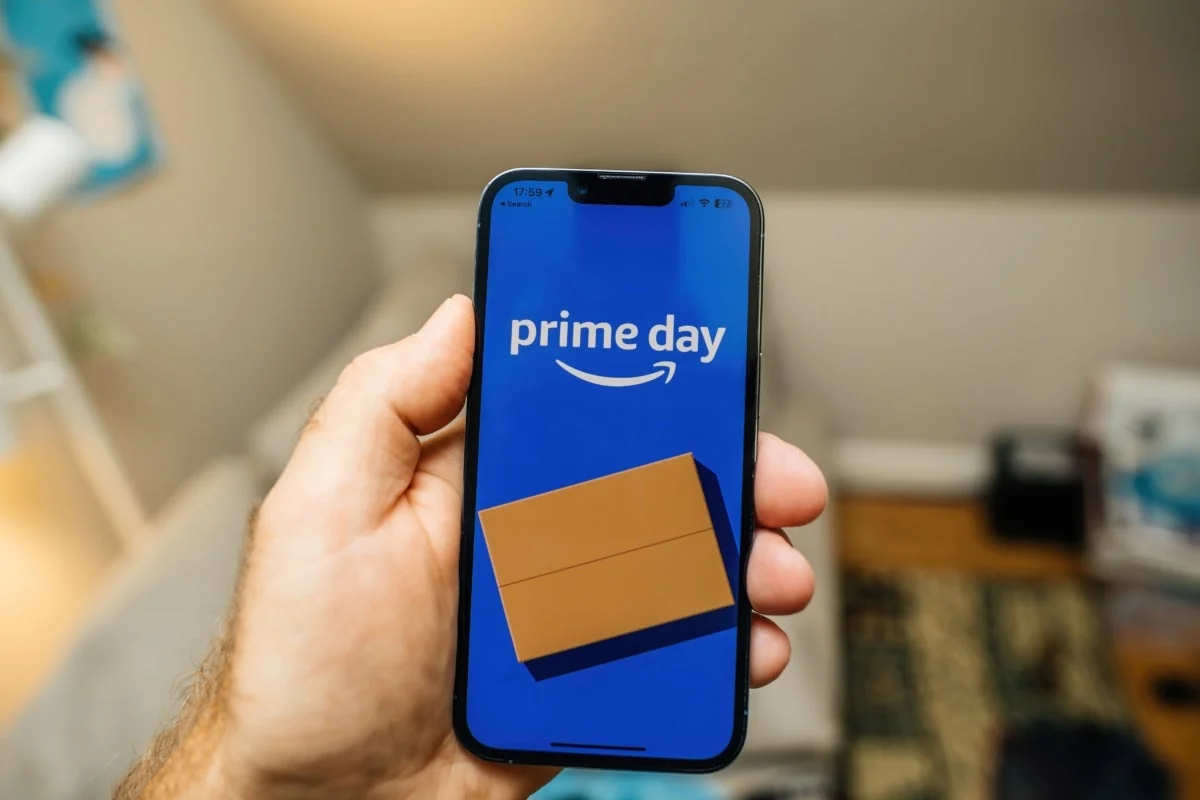
The Amazon Prime Day event has firmly cemented its position as a pillar of the global retail calendar. Yet, as the industry gears up for the 2026 iteration, both seasoned bargain hunters and casual shoppers must recognize that the landscape has shifted. The days of simply browsing for red-tag discounts are over; 2026 introduces a sophisticated, AI-driven infrastructure that promises to redefine how consumers discover, evaluate, and purchase products.
However, with increased complexity comes the risk of manipulation. To navigate the upcoming four-day marathon effectively, shoppers must move beyond the surface-level marketing and employ a more tactical approach to their digital shopping cart.
The Core Facts: A Shift in Schedule and Strategy
The most immediate and significant change for the 2026 Prime Day is the calendar disruption. Defying the tradition of mid-July sales, Amazon has made a surprise tactical shift: The event will commence on June 23, 2026, and run for four full days, concluding on June 26 at 11:59 PM.
This expansion of the window is not merely a logistical choice; it is a psychological one. By stretching the event over 96 hours, Amazon aims to combat the "panic-buying" fatigue that often sets in during 24-hour flash sales, instead encouraging a more sustained, high-volume engagement with the platform. During this period, the ecosystem will be a complex blend of multi-day promotional pricing, exclusive Prime member discounts, and the return of high-velocity "Lightning Deals" that require near-instant decision-making.
AI: The New Digital Shop Assistant or a Sales Algorithm?
The most transformative element of the 2026 Prime Day is the deep integration of Artificial Intelligence. Amazon is no longer just a marketplace; it is an active, predictive shopping assistant. Using advanced machine learning, the company is deploying personalized deal-suggestion engines that tailor the shopping experience to the individual user’s history, preferences, and browsing habits.
Personalized Deal Guides
Users can now request personalized "Deal Guides," which act as curated catalogs based on their past search queries and purchase history. While this offers a veneer of convenience, experts warn of the "filter bubble" effect. Because these suggestions are optimized by Amazon’s proprietary algorithms, they may prioritize products with higher profit margins or those the company is particularly keen to move, rather than offering an objective, market-wide comparison.
Alexa Plus and Predictive Notifications
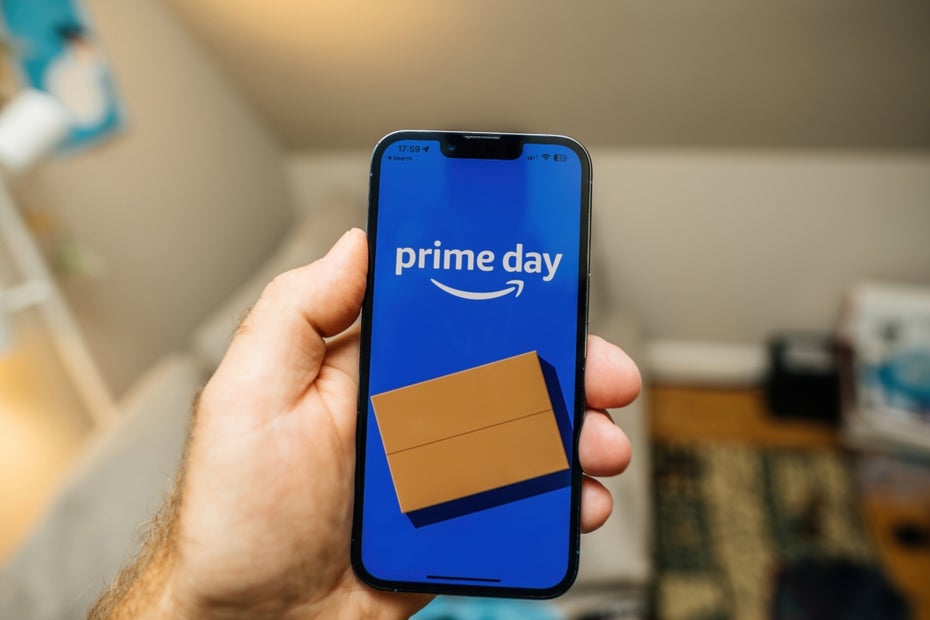
The introduction of "Alexa Plus"—a more conversational, highly intelligent iteration of Amazon’s virtual assistant—marks a major step forward. Alexa Plus can create bespoke, automated deal lists and, crucially, notify users the moment a tracked item hits a specific price point. While incredibly practical for the consumer, it is essential to remember that this tool is designed to keep the user within the Amazon ecosystem. It facilitates finding a product at Amazon, not necessarily finding the best price across the entire internet.
The Chronology of Success: How to Prepare
To master the 2026 Prime Day, one must treat the event as a tactical project rather than a spontaneous shopping spree.
Phase 1: Pre-Event Reconnaissance (Now – June 22)
- The Watchlist: Utilize the Amazon App or the Amazon Assistant browser extension to track specific products. Setting up "Price Alerts" is the single most effective way to ensure you are buying when the price is truly at a historic low.
- The Price-History Check: Use third-party tools such as Camelcamelcamel or Keepa. These platforms provide historical data, allowing you to see if a "discounted" price is genuinely low or if the product was merely marked up in the weeks leading up to the sale.
- Defining the Ceiling: Establish a strict budget for each category. Once the sale goes live, the dopamine hit of a "40% off" sticker can easily lead to overspending. Knowing your "walk-away price" beforehand is your best defense against consumer impulse.
Phase 2: Execution (June 23 – June 26)
- Targeting Categories: Data from previous years indicates that Amazon’s own hardware—Echo devices, Fire TV, Kindle, and Ring security products—almost always hits its annual price floor during Prime Day.
- The "Everyday" Pivot: A key trend for 2026 is the push into household staples and groceries. Amazon is positioning Prime as a primary subscription for daily necessities, so expect deeper-than-usual discounts on toiletries, household supplies, and non-perishable food items.
Supporting Data: Understanding Real-World Savings
Despite the hype, it is vital to keep expectations grounded. An analysis by price-comparison leader Guenstiger.de regarding the 2025 event provides a sober look at potential savings:
- Average Savings: Across all categories, shoppers saved an average of 13% compared to non-Prime Day prices at competing retailers.
- Category Variance: Beauty products proved to be the most lucrative, with average savings of 25%. Conversely, smartphones and high-end consumer electronics often saw marginal discounts of around 3%.
- Competitive Dominance: Amazon held the lowest price for 87% of the items analyzed in 2025, with an additional 7% matching competitors. This confirms that while Amazon is the dominant force, it is not the only source of value.
The "Counter-Strike": How Other Retailers Respond
The days when Prime Day was exclusively an Amazon event are long gone. Today, the event acts as a "rising tide that lifts all boats" (or, in this case, all digital storefronts).
Retailers such as MediaMarkt, Saturn, Otto, Lidl, and various specialized manufacturer shops now launch counter-promotions in late June. Often, these retailers monitor Amazon’s pricing in real-time and will undercut the tech giant on specific items to siphon off market share. Savvy shoppers should open multiple tabs and cross-reference Amazon’s "Prime Day" prices with these competitors. Sometimes, the best deal is found outside the Amazon gates.
Official Stance and Prime Membership Dynamics
Access to the Prime Day ecosystem remains strictly gated behind a Prime membership. However, Amazon has introduced a flexible, albeit slightly confusing, entry strategy for 2026.

The "Three-Month" Gambit
In a move to capture fence-sitters, Amazon is rolling out a promotional offer: three months of Prime for a total of 4.99 Euros (roughly 1.66 Euros per month). While the company touts this as a universal benefit, reports indicate that the offer is inconsistently applied, with some users receiving free seven-day trials or 99-cent entry offers instead.
The "Cancelation" Reality
Crucially, Amazon’s subscription model is designed for auto-renewal. Users who sign up for these promotional windows must set a reminder to cancel before the three-month period expires. While Amazon has historically been lenient with refunds for users who accidentally pay for a subscription they haven’t used, relying on corporate benevolence is not a strategy. The most disciplined approach is to sign up, immediately set a calendar alert for the final day of the trial, and decide then if the service justifies the transition to a full-priced subscription.
Implications: The Future of Consumerism
The 2026 Prime Day signals a fundamental shift in the retail-consumer relationship. As AI continues to integrate into the shopping experience, the role of the consumer is evolving from a "searcher" to a "curator."
We are entering an era where the platform knows what you want before you search for it. While this hyper-personalization creates an incredibly efficient shopping environment, it also creates an echo chamber of commercial influence. The danger is not necessarily that you will be cheated, but that you will be nudged into purchasing products that fit a demographic profile rather than your actual, objective needs.
Final Verdict: Prepare, Compare, and Stay Detached
The technology behind Prime Day 2026 is impressive, but it should not be mistaken for a neutral advisor. The "intelligent" lists and AI-driven alerts are marketing tools, not consumer advocates.
To win at Prime Day 2026, you must remain the master of your own data. By utilizing third-party price trackers, setting firm budgets, and maintaining a healthy skepticism toward "personalized" recommendations, you can leverage Amazon’s massive infrastructure to your advantage. Do not let the efficiency of the platform replace your own due diligence. In the end, the biggest savings won’t come from the AI, but from the shopper who took the time to prepare before the clock started.